Precision allen bolt socket head Solutions for Netherlands Industrial Engineering
  • Home
  • Global Service
  • Precision allen bolt socket head Solutions for Netherlands Industrial Engineering

Precision allen bolt socket head Solutions for Netherlands Industrial Engineering

High-performance fastening systems engineered for the rigorous standards of Dutch manufacturing and maritime structural integrity.

Precision allen bolt socket head Solutions for Netherlands Industrial Engineering

Providing the Netherlands' heavy industry and precision engineering sectors with certified, high-tensile fastening components designed for extreme durability and absolute fit.

Fastener Market Landscape in the Netherlands

Navigating the intersection of maritime humidity and high-tech precision manufacturing.

The Netherlands' industrial landscape is uniquely challenged by its coastal geography. High salinity and humidity levels in regions like Rotterdam and Amsterdam demand that a black allen head bolts selection provides not only mechanical strength but superior corrosion resistance to prevent structural fatigue in offshore and port infrastructure.

Economically, the Dutch market is shifting toward "Smart Manufacturing." This evolution has increased the demand for specialized components like the hex head captive screw, which facilitates rapid maintenance in automated assembly lines and modular housing projects, reducing downtime in highly optimized logistics hubs.

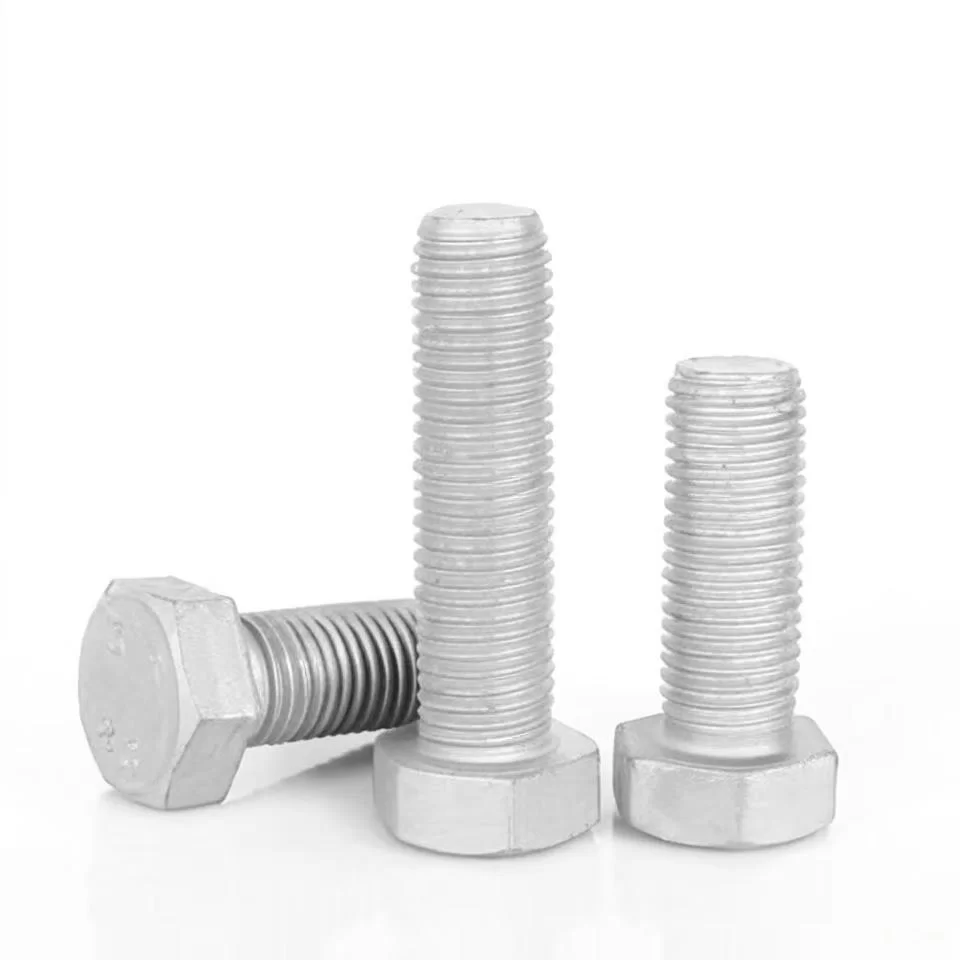
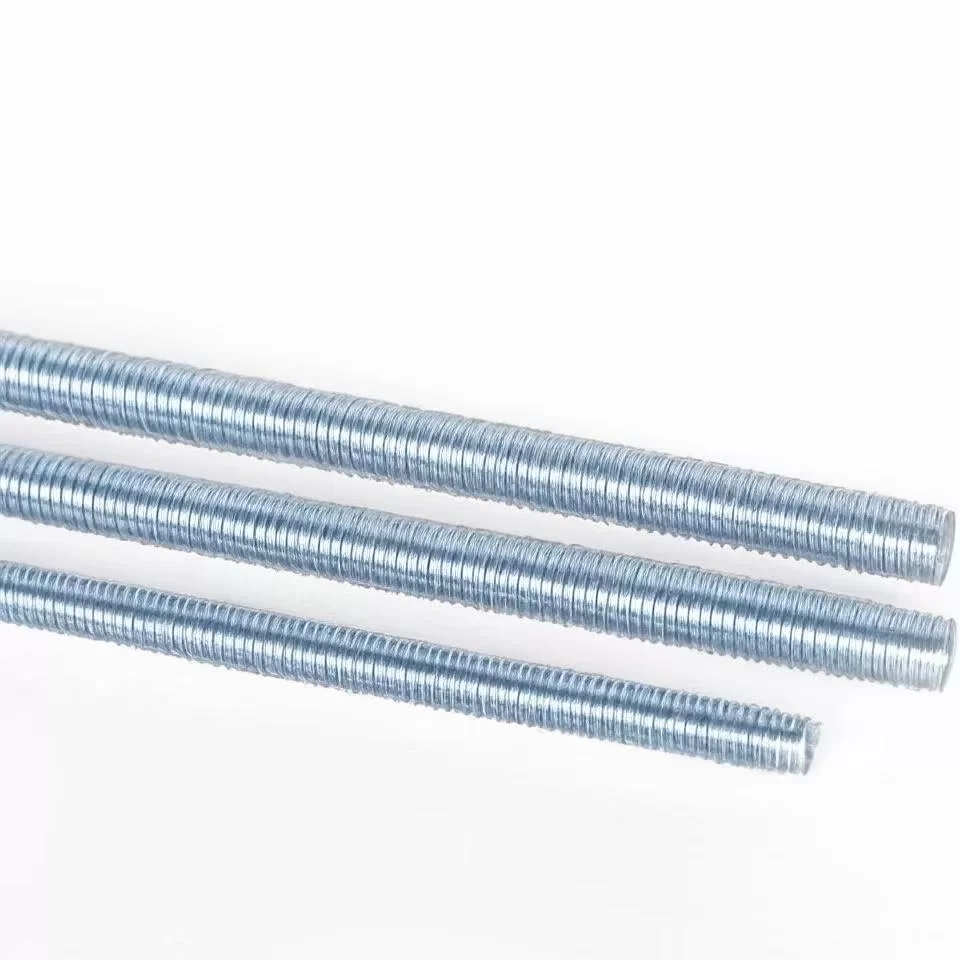
Furthermore, the strict adherence to EU DIN and ISO standards in the Netherlands ensures that every threaded rod and bolts implementation meets rigorous safety certifications, particularly in the growing wind energy and sustainable hydraulic engineering sectors across the Low Countries.
Evolution of Fastening Technology in Western Europe

From traditional forged steel to high-precision CNC machined components.

Market Development History

In the early 20th century, the Dutch metal industry relied heavily on oversized forged fasteners. By the 1960s, the transition to standardized metric threads allowed for the widespread adoption of the cap screw allen head, which enabled tighter assembly spaces in the burgeoning automotive and machinery sectors.

The 1990s marked a pivot toward material science, where alloy steels and advanced coatings became the norm. This era saw the rise of specialized black oxide treatments, making high-strength fasteners more aesthetically viable and corrosion-resistant for indoor industrial applications.

Entering the 2010s, the focus shifted to "Zero-Loss" fastening. The integration of captive technology ensured that critical screws remained attached to their panels, eliminating the risk of dropped hardware in sensitive electronics and aerospace assembly within European hubs.

Future Development Trends

Sustainability & Circular Economy

Future Dutch projects will prioritize fasteners made from recycled high-grade alloys to meet the "Circular Netherlands 2050" goal, focusing on disassembled modularity.

Smart Fastening Sensors

Integration of IoT sensors within bolt heads to monitor real-time tension and fatigue, particularly for large-scale bridge and dam infrastructures.

Nano-Coating Innovations

Moving beyond traditional plating to graphene-based nano-coatings that provide near-permanent protection against the North Sea's salty atmosphere.

Future Projections for Metal Structure Fastening

Strategic analysis of technical trajectories in the European metalworking industry.

AI-Driven Torque Optimization
Implementation of AI to calculate optimal tension for complex metal structures, reducing material waste and increasing safety.
Additive Manufacturing Integration
3D printing of customized fastener housings and complex captive systems for aerospace applications in the EU.
Carbon-Neutral Production
Transitioning to green hydrogen-powered smelting for the production of high-strength alloy steel fasteners.
Advanced Vibration Dampening
Development of self-locking fastener geometries to combat high-frequency vibrations in Dutch high-speed rail networks.

Industry Outlook

Based on Google Search trends for industrial fasteners in Northern Europe, there is a surging interest in "modular assembly" and "corrosion-free steel." This indicates that the market is moving away from generic hardware toward highly engineered, application-specific components.

We predict that within 3-5 years, the Dutch market will see a total integration of Digital Twin technology, where every single bolt in a structure has a digital counterpart for lifecycle monitoring, demanding tighter tolerance and absolute precision in manufacturing.

Localized Application Scenarios in the Netherlands

Real-world implementations of high-precision fasteners across diverse Dutch sectors.

01. Rotterdam Port Logistics Infrastructure

Utilizing heavy-duty threaded rod and bolts for the assembly of massive gantry crane structures and automated container terminals where salt-air resistance is non-negotiable.

02. Eindhoven High-Tech Campus Equipment

Application of allen bolt socket head components in precision lithography machine housings, ensuring vibration-free stability and clean-room compatibility.

03. North Sea Offshore Wind Turbines

Installation of high-tensile cap screw allen head fasteners in turbine nacelles, designed to withstand extreme cyclic loading and oceanic weathering.

04. Amsterdam Modular Data Centers

Implementation of hex head captive screw systems for server rack panels, allowing technicians to perform rapid hardware swaps without losing critical fasteners.

05. Dutch Rail Network Maintenance

Use of black allen head bolts in signaling equipment and track-side electrical cabinets to ensure long-term secure fastening against constant railway vibration.

Brand Story

Global Development Journey of Handan Tongwang Metal Products Co., Ltd.

Industrial Foundations

Established with a commitment to metallurgical excellence, we began by solving the most basic problem in fastening: the trade-off between hardness and ductility.

Precision Evolution

Investing in CNC precision machining, we transitioned from bulk production to high-tolerance components, catering to the demanding European engineering standards.

Global Expansion

Expanding our footprint into the Netherlands and broader Europe, we aligned our production with ISO and DIN standards to become a trusted OEM partner.

Material Innovation

Developing advanced anti-corrosion coatings and high-strength alloys specifically for the challenging maritime environments of Western Europe.

Future-Proofing

Now leading the way in sustainable manufacturing, we combine traditional craftsmanship with AI-driven quality control to serve the next generation of industry.

Comprehensive Fastening Portfolio for the Netherlands

A full spectrum of certified fasteners engineered for Dutch structural and precision requirements.

Netherlands Fastener Technical FAQ

Expert answers to common engineering queries regarding metal structure fasteners.

How do black allen head bolts perform in high-humidity Dutch coastal environments?

While standard black oxide provides basic protection, for coastal regions like Zeeland, we recommend our upgraded zinc-nickel or galvanizing coatings over the core bolt to prevent oxidation.

What is the main advantage of a hex head captive screw in modular machinery?

Captive screws remain attached to the panel even when loosened, which is critical for Dutch automated factories to prevent loose hardware from falling into sensitive machinery.

Are your cap screw allen head products compliant with EU DIN standards?

Yes, all our Allen head cap screws are manufactured to strict DIN 912 standards, ensuring perfect compatibility and load-bearing reliability across Europe.

Can allen bolt socket head fasteners be customized for specific torque requirements?

Absolutely. We offer various steel grades (8.8, 10.9, 12.9) to meet specific tensile and yield strength requirements for heavy-duty industrial applications.

What length options are available for threaded rod and bolts in large-scale construction?

We provide customized lengths from a few centimeters up to several meters, with precision cutting and threading to ensure seamless integration into structural frameworks.

How do I choose between a socket head and a hex head for industrial use?

Socket heads are ideal for confined spaces and high-torque applications, while hex heads are preferred for accessibility and ease of installation with standard wrenches.

Get Expert Fastening Consultation

Ready to optimize your structural integrity? Our engineering team is ready to support your projects across the Netherlands.

Contact Us Now

If you are interested in our products, you can choose to leave your information here, and we will be in touch with you shortly.