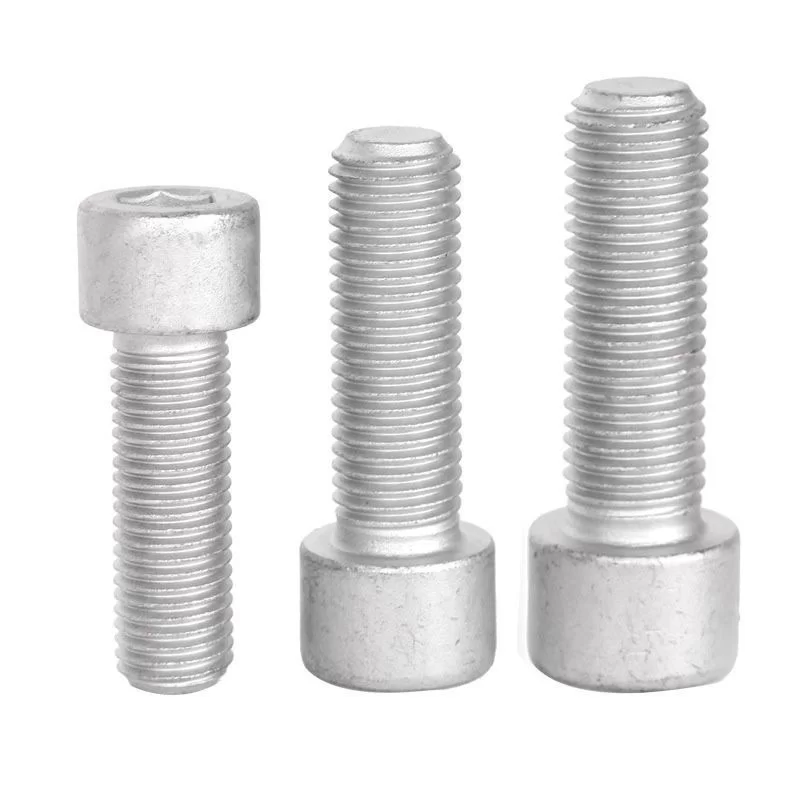
Premium allen bolt socket head Solutions for Norway’s Industrial Sector
  • Home
  • Global Service
  • Premium allen bolt socket head Solutions for Norway’s Industrial Sector

Premium allen bolt socket head Solutions for Norway's Industrial Sector

Engineering high-performance fastening systems tailored for the extreme climatic demands and rigorous structural standards of the Norwegian manufacturing landscape.

Premium allen bolt socket head Solutions for Norway's Industrial Sector

Providing specialized fastening hardware that ensures structural integrity and corrosion resistance for Norway's most demanding metal construction projects.

Industrial Fastening Landscape in Norway

Analyzing the intersection of metallurgy and the Nordic environment.

Norway's manufacturing sector is characterized by a heavy reliance on offshore energy, maritime engineering, and sustainable infrastructure. Due to the high salinity of the North Sea and extreme temperature fluctuations, the demand for specialized black allen head bolts has surged, requiring advanced surface treatments to prevent oxidation and stress corrosion cracking.

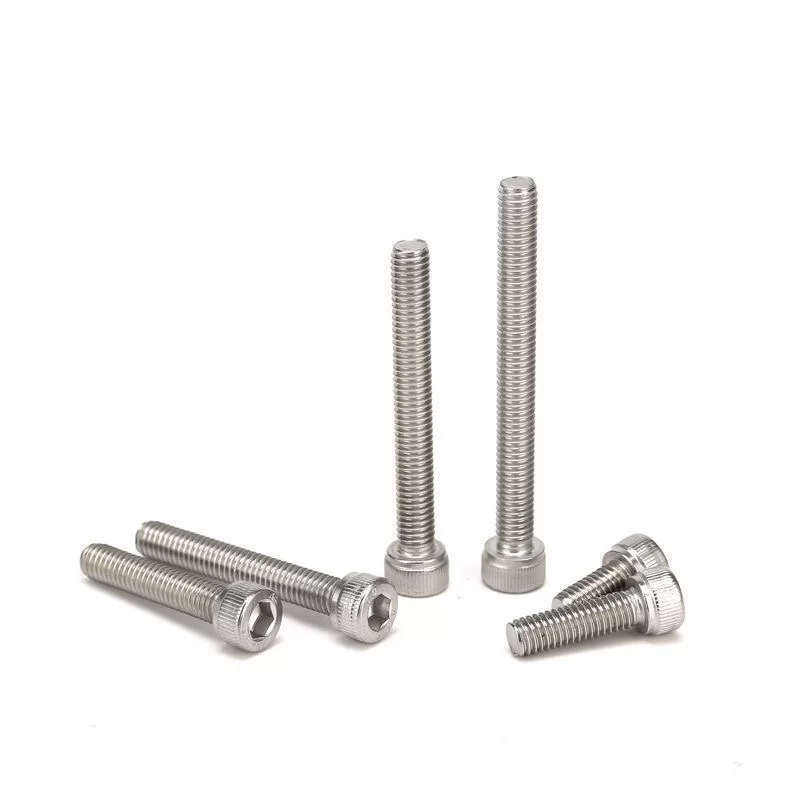
The domestic market emphasizes "Zero-Failure" tolerance. In the construction of metal structures, the use of a cap screw allen head is preferred for its high torque application and clean aesthetic, allowing for secure assemblies in compact machinery and heavy-duty structural frames common in Norwegian shipyards.

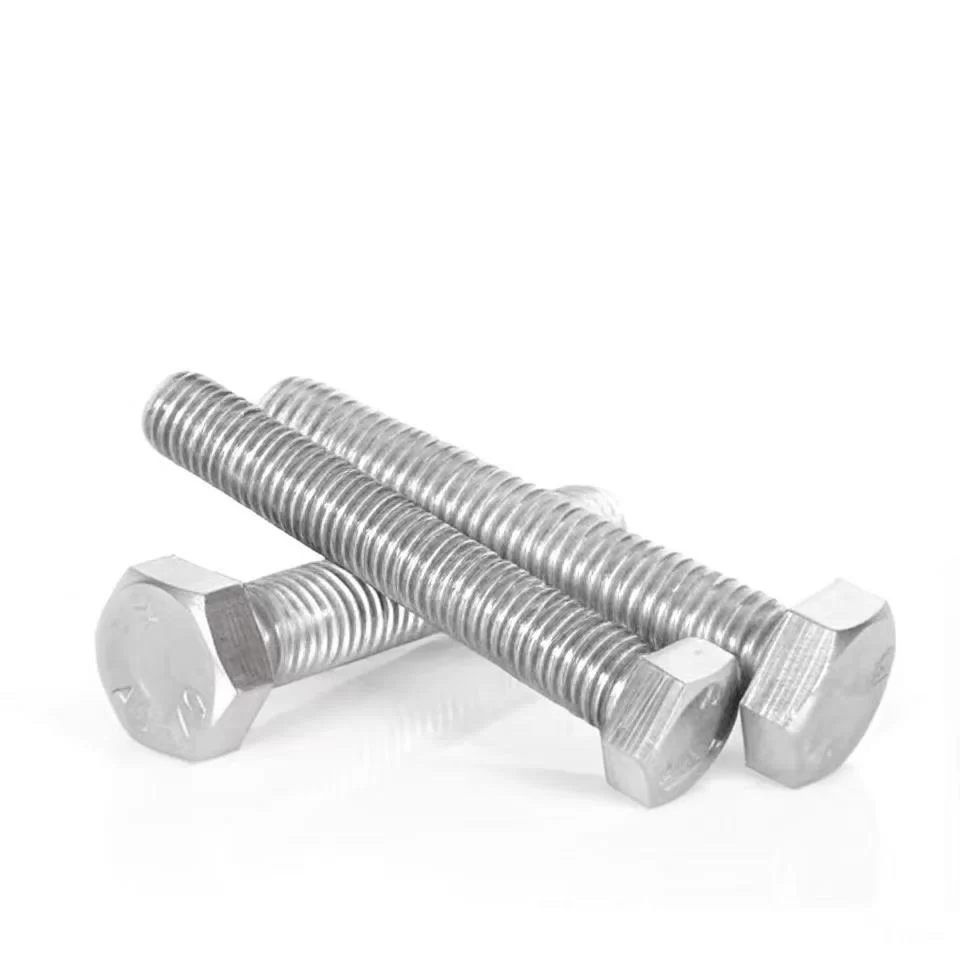
Furthermore, the logistical challenges of the Norwegian fjords necessitate the use of standardized, high-strength threaded rod and bolts to streamline assembly processes on-site, reducing the need for frequent replacements and minimizing downtime in remote industrial hubs.
Evolution of Fastening Technology in Nordic Manufacturing

From basic carbon steel to precision-engineered alloy systems.

Market Development History

In the early 1990s, the Norwegian metal sector relied primarily on generic galvanized fasteners. However, as the oil and gas industry expanded, there was a critical shift toward high-tensile alloy steels and the integration of the hex head captive screw to prevent fastener loss during maintenance of complex machinery.

Between 2005 and 2015, the industry transitioned toward precision automation. The adoption of standardized socket-drive fasteners allowed for the implementation of robotic assembly lines in Oslo and Bergen, significantly increasing the precision of torque application across structural components.

By 2020, the focus shifted toward "Life Cycle Assessment" (LCA). Fasteners were no longer viewed as consumables but as critical components of structural longevity, leading to the widespread adoption of advanced coatings and specialized metallurgy to combat the humid Nordic climate.

Future Development Trends

Smart Fastening Integration

Integration of sensor-enabled bolts to monitor tension and vibration in real-time, particularly for bridge and tunnel structures in mountainous terrains.

Sustainable Metallurgy

A shift toward "Green Steel" and recycled alloys to meet Norway's strict carbon neutrality goals by 2030, reducing the environmental footprint of fastener production.

Anti-Corrosion Innovation

Development of nano-ceramic coatings that outperform traditional zinc plating in extreme saltwater environments, extending the service life of critical joints.

Future Outlook: Fastening Trends 2025-2030

Predicting the next wave of innovation in the metal structure industry.

Predictive Maintenance
Using AI-driven data to predict fastener fatigue in offshore platforms, reducing catastrophic failure risks.
Material Evolution
Increasing adoption of Titanium and Super-Duplex alloys for extreme corrosive environments in the North Sea.
Precision Automation
Shift toward fully automated torque-controlled fastening systems to eliminate human error in structural assembly.
Circular Economy
Implementing closed-loop recycling for heavy-duty fasteners, reducing raw material extraction for industrial projects.

Industry Outlook

Based on current Google search trends in Northern Europe, there is a significant increase in queries related to "sustainable fastening" and "corrosion-resistant alloys." This indicates a market shift where procurement decisions are driven by total cost of ownership rather than initial purchase price.

We anticipate that within the next 5 years, the Norwegian market will move toward integrated fastening solutions that combine the mechanical strength of traditional bolts with digital tracking, ensuring safety compliance in high-risk environments like wind farms and oil rigs.

Local Application Scenarios in Norway

How our fastening solutions solve real-world engineering challenges in Norway.

01. Offshore Oil & Gas Platforms

Utilizing high-grade socket head bolts in module assembly to ensure vibration resistance and airtight seals against the extreme pressures of the North Sea.

02. Hydroelectric Power Plant Infrastructure

Implementing heavy-duty threaded rods for turbine housing and structural support in Norway's vast network of mountainous hydropower stations.

03. Arctic Marine Vessel Construction

Applying specialized black oxide and zinc-nickel coatings to fasteners used in ice-breaker hulls to prevent salt-water corrosion in freezing temperatures.

04. Wind Turbine Tower Assembly

Using precision-engineered cap screws for the secure fastening of nacelle components and tower sections, ensuring stability during high-wind events.

05. Tunnel & Bridge Structural Support

Deploying high-strength captive screws for maintenance panels and ventilation systems within Norway's extensive underground road networks.

Brand Story

Global Development Journey of Handan Tongwang Metal Products Co., Ltd.

Foundational Excellence

Established with a focus on precision metallurgy, we began by solving the most basic pain points of thread inconsistency in heavy-duty fasteners.

Technical Breakthroughs

Invested in advanced cold-heading and heat-treatment technologies to produce fasteners that meet the most stringent international DIN and ISO standards.

Global Market Expansion

Expanded our footprint into the European market, tailoring our product lines to meet the specific anti-corrosion requirements of Nordic industrial environments.

Quality Certification Era

Achieved comprehensive quality management certifications, ensuring that every bolt delivered to our Norwegian partners is traceable and verified.

Sustainable Future

Now leading the transition toward eco-friendly manufacturing, reducing waste and carbon emissions in the production of high-performance fasteners.

Comprehensive Fastening Portfolio for Norway

A full range of high-strength, corrosion-resistant metal components for every industrial need.

Industrial Fastener FAQ - Norway Region

Expert answers to common technical questions regarding metal structure fastening.

Which coating is best for black allen head bolts in coastal Norway?

For coastal environments, we recommend a combination of black oxide with an additional organic sealant or a shift to zinc-nickel coatings to provide superior salt-spray resistance compared to standard black oxide.

How do hex head captive screw systems improve maintenance efficiency?

Captive screws remain attached to the panel even when unscrewed, preventing the loss of hardware in complex machinery or deep-sea equipment, which is critical for maintaining safety in offshore environments.

What is the torque capacity of a high-tensile cap screw allen head?

Our high-tensile alloy cap screws are engineered to exceed ISO 898-1 Grade 12.9 standards, providing maximum clamping force for heavy-duty metal structures while maintaining a compact head profile.

Can threaded rod and bolts be customized for specific Nordic lengths?

Yes, we offer precision cutting and threading for custom lengths to meet the specific requirements of large-scale infrastructure projects, ensuring a perfect fit and reducing on-site modification.

How does temperature fluctuation affect allen bolt socket head tension?

Extreme cold in Norway can cause material contraction. We use specialized alloy steels with low thermal expansion coefficients to maintain consistent tension and prevent loosening in arctic conditions.

What certifications are required for fasteners used in Norwegian offshore projects?

Fasteners typically require ISO 9001 quality certification, material mill certificates (EN 10204 3.1), and specific salt-spray test reports to comply with NORSOK standards.

Get Expert Fastening Advice

Our engineering team is ready to help you select the perfect hardware for your industrial projects in Norway.

Contact Us Now

If you are interested in our products, you can choose to leave your information here, and we will be in touch with you shortly.