Understanding the dynamics of the industrial hardware market is essential for procurement managers and engineers who seek to balance quality with budget. When evaluating the pipe shoe price, it is important to look beyond the initial sticker cost and consider the total cost of ownership, which includes installation labor and long-term durability.
In the realm of metal structure manufacturing, specifically within fastener and support systems, the efficiency of a project often hinges on the reliability of small but critical components. Factors such as material grade and manufacturing precision directly influence the pipe shoe price, ensuring that the hardware can withstand the rigorous demands of commercial and industrial environments.
Whether you are securing a perimeter fence or supporting heavy industrial piping, finding a competitive pipe shoe price allows for scalable growth without compromising on safety. By focusing on pressed steel components that offer effortless installation, companies can significantly reduce their setup time and labor costs.

Global Market Relevance of Pipe Shoe Price
On a global scale, the manufacturing of metal structures is governed by strict ISO standards to ensure interoperability and safety. The pipe shoe price is often a reflection of these global standards, where the use of high-grade pressed steel ensures that components can be used interchangeably across different international markets.
Industry data suggests that labor costs for installation can often exceed the material cost of the hardware itself. Therefore, a product that is effortless to install becomes a primary driver in the overall value proposition, making the initial pipe shoe price a secondary consideration to the total project timeline.
Defining Value in Industrial Hardware Pricing
When we discuss the pipe shoe price, we are essentially discussing the cost of structural stability. In simple terms, it is the market valuation of a specialized pressed steel component designed to facilitate the movement and support of piping or gate frames, ensuring that the system does not succumb to mechanical fatigue.
This pricing is deeply connected to the humanitarian and industrial need for secure infrastructure. In commercial environments, the ability for a gate to swivel 90° in both directions is not just a convenience but a requirement for operational flow and safety, adding intangible value to the hardware's cost.
Ultimately, the value of a component is found at the intersection of its material specifications—such as fitting 3" posts and 1 5/8" or 2" gate frames—and its ability to perform consistently under industrial stress. A fair pipe shoe price accounts for this precision engineering.
Core Components Driving Pipe Shoe Price
Durability is the primary factor influencing the pipe shoe price. Since these components are constructed for long-lasting performance, the quality of the pressed steel and the coating used to prevent corrosion in harsh environments play a critical role in the final cost.
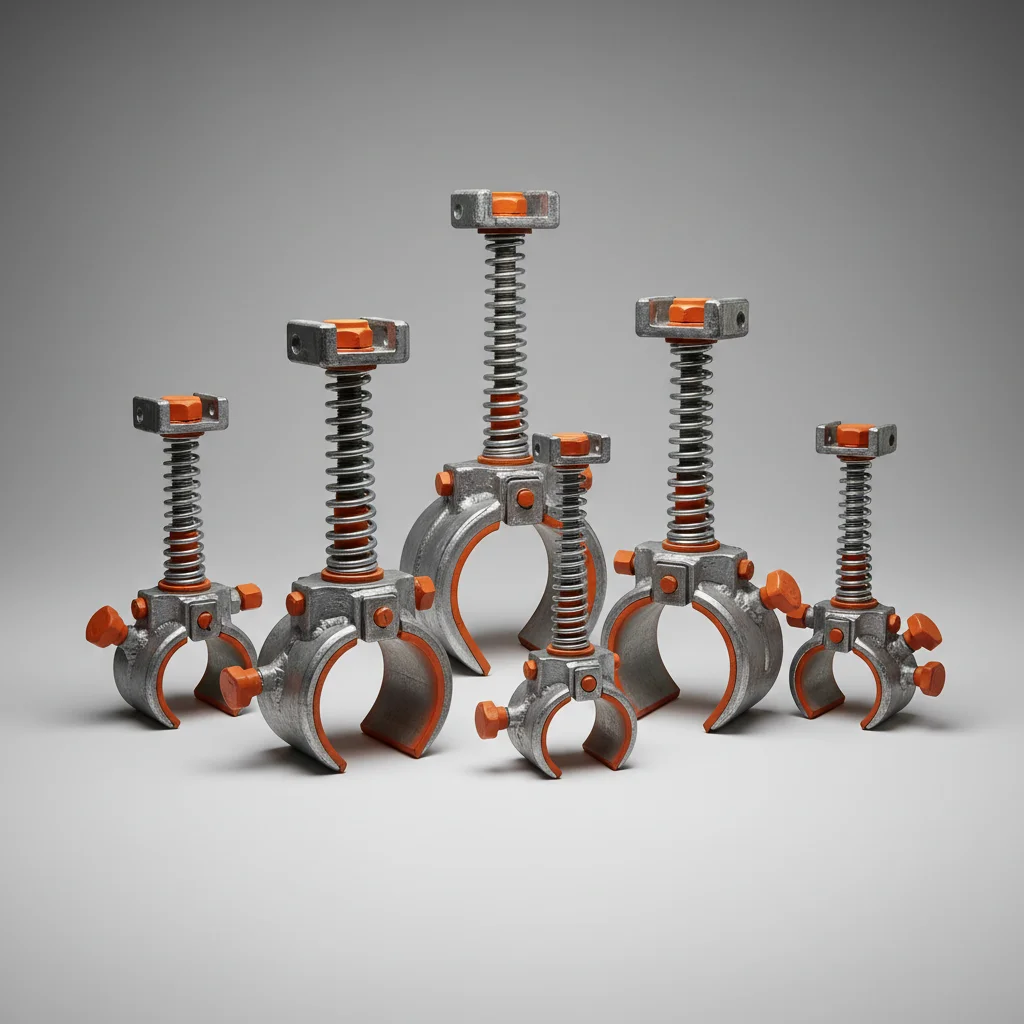
Scalability and versatility also impact the pipe shoe price. A component that can fit multiple frame sizes, such as both 1 5/8" and 2" OD gate frames, reduces the need for diverse inventory, thereby lowering the overall operational cost for the end-user.
Finally, the ease of installation contributes significantly to the perceived pipe shoe price. When a product is designed to save time and labor during setup, the efficiency gained translates into a lower project cost, effectively offsetting the price of the hardware.
Economic Factors and Cost Efficiency Analysis
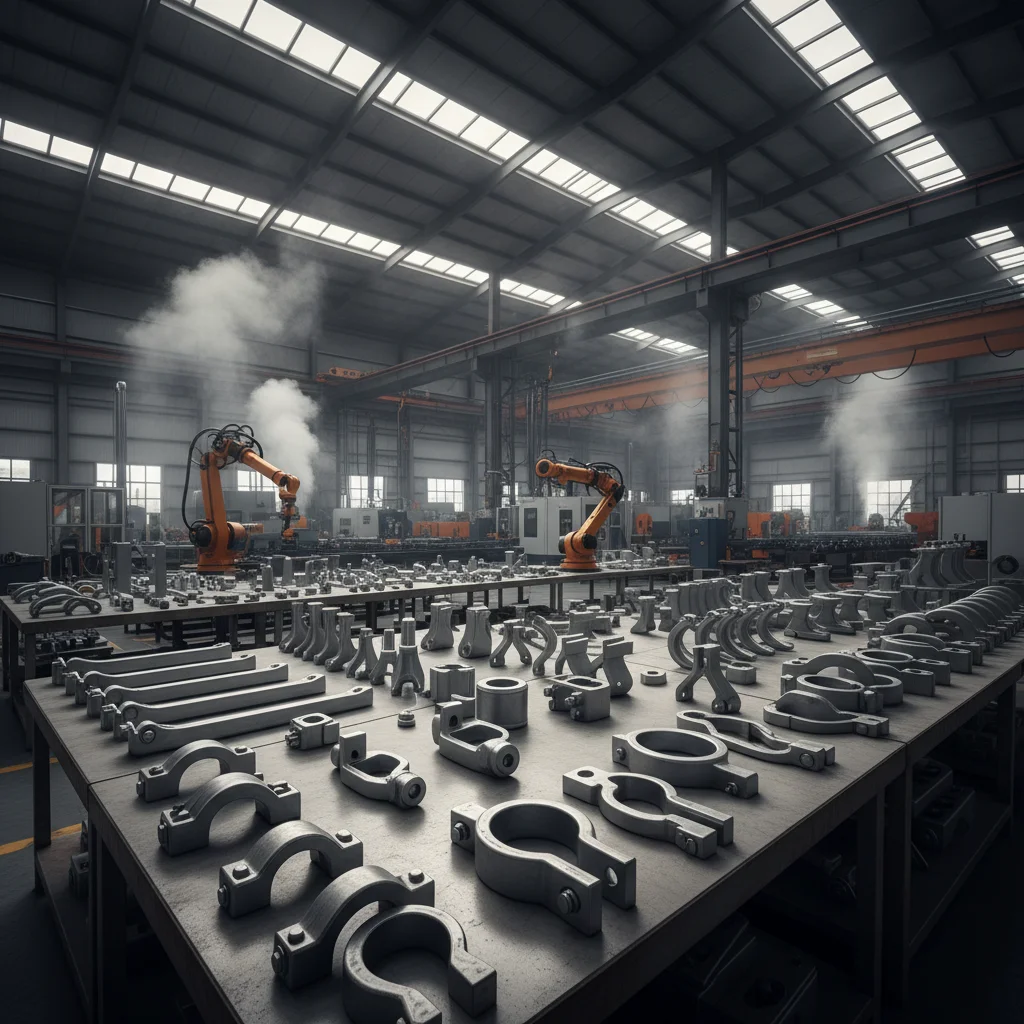
Analyzing the pipe shoe price requires a look at material procurement and manufacturing overheads. Pressed steel is chosen for its balance of strength and cost-effectiveness, allowing for mass production that maintains tight tolerances for post and frame fitting.
From a cost-efficiency standpoint, the investment in high-quality hardware prevents the expensive cycle of frequent replacements. When calculating the pipe shoe price, one must factor in the reduced downtime associated with reliable, consistent performance in industrial settings.
Cost Efficiency Rating by Component Grade
Real-World Applications in Industrial Zones
In remote industrial zones, the pipe shoe price is often weighed against the cost of logistics. Utilizing components that are effortless to install is critical in areas where skilled labor is scarce, ensuring that infrastructure can be deployed rapidly without errors.
Similarly, in large-scale commercial fencing projects, the ability for gates to swivel 90° in both directions allows for flexible traffic management. The reliability of the pressed steel ensures that the pipe shoe price provides a long-term return on investment through reduced maintenance.
Long-Term Value and Reliability Benefits
The long-term value of a competitive pipe shoe price is found in the safety and trust it instills. When a hardware component performs exceptionally well in industrial environments, it eliminates the risk of structural failure, which could otherwise lead to costly liabilities.
Beyond the financial metrics, there is an emotional angle of reliability. Knowing that the gate frames and posts are secured by durable pressed steel provides peace of mind to facility managers, proving that a fair pipe shoe price is an investment in stability.
Furthermore, the consistency of performance ensures that the hardware does not warp or fail under repeated use. This reliability means that the initial expenditure on the pipe shoe price is amortized over many years of trouble-free operation.
Future Trends in Hardware Cost Innovation
As the industry moves toward digital transformation, the way we calculate the pipe shoe price is evolving. Automation in pressed steel manufacturing is reducing waste and increasing precision, which may lead to more affordable yet higher-quality options for industrial users.
Sustainability is also becoming a key driver. The shift toward recyclable metals and eco-friendly coatings is altering the pipe shoe price, as companies are willing to pay a premium for "green" hardware that meets modern environmental policies.
In the future, we can expect to see smarter integration of hardware, where the pipe shoe price might include the cost of embedded sensors for structural health monitoring, transforming a simple support into an intelligent asset.
Analysis of Value Drivers for Industrial Hardware Components
| Material Grade | Installation Speed | Durability Score | Price Impact |
|---|
| Standard Pressed Steel | High | 8/10 | Moderate |
| Galvanized Steel | High | 9/10 | Increased |
| Cast Iron Alternative | Medium | 7/10 | Low |
| Reinforced Alloy | Medium | 10/10 | High |
| Powder Coated Steel | High | 8/10 | Moderate |
| Custom Fabricated | Low | 9/10 | Premium |
FAQS
The most significant factors influencing the price are the material quality (such as pressed steel), the precision of the fit for posts and frames, and the durability of the finish. Additionally, the ease of installation can lower overall project costs, adding value that exceeds the initial price.
Components designed for standard sizes, such as 3" posts and 1 5/8" or 2" gate frames, are typically more cost-effective due to mass production. Custom sizes usually command a higher price because they require specialized tooling and lower production volumes.
Pressed steel offers an excellent balance of strength, flexibility, and cost. When properly treated for corrosion, it provides reliable and consistent performance in commercial and industrial environments, often outlasting cheaper alternatives in terms of structural integrity.
Yes, by selecting hardware that is specifically engineered to be effortless to install, you can save significant time and labor. This reduces the total cost of ownership, making the initial investment in a quality product more economical in the long run.
A 90-degree swivel in both directions allows for maximum flexibility in operational flow. This prevents bottlenecks in industrial zones and ensures that gates can be moved out of the way efficiently, which is a key functional requirement that justifies the hardware's value.
Depending on the environment, inspections should occur every 6 to 12 months. Checking for signs of wear or corrosion ensures that the hardware continues to perform reliably, preventing unexpected failures and maintaining the value of your original investment.
Conclusion
In summary, the pipe shoe price is more than just a number; it is a reflection of material durability, engineering precision, and installation efficiency. By prioritizing components made from high-quality pressed steel that offer versatility in fitting and ease of setup, businesses can ensure long-term structural reliability while minimizing labor expenditures.
Looking forward, the integration of sustainable materials and automated manufacturing will likely continue to optimize the value proposition of industrial hardware. We encourage procurement specialists and engineers to focus on the total lifecycle cost rather than the initial purchase price to achieve the highest standards of safety and performance. Visit our website: www.topfastener.com