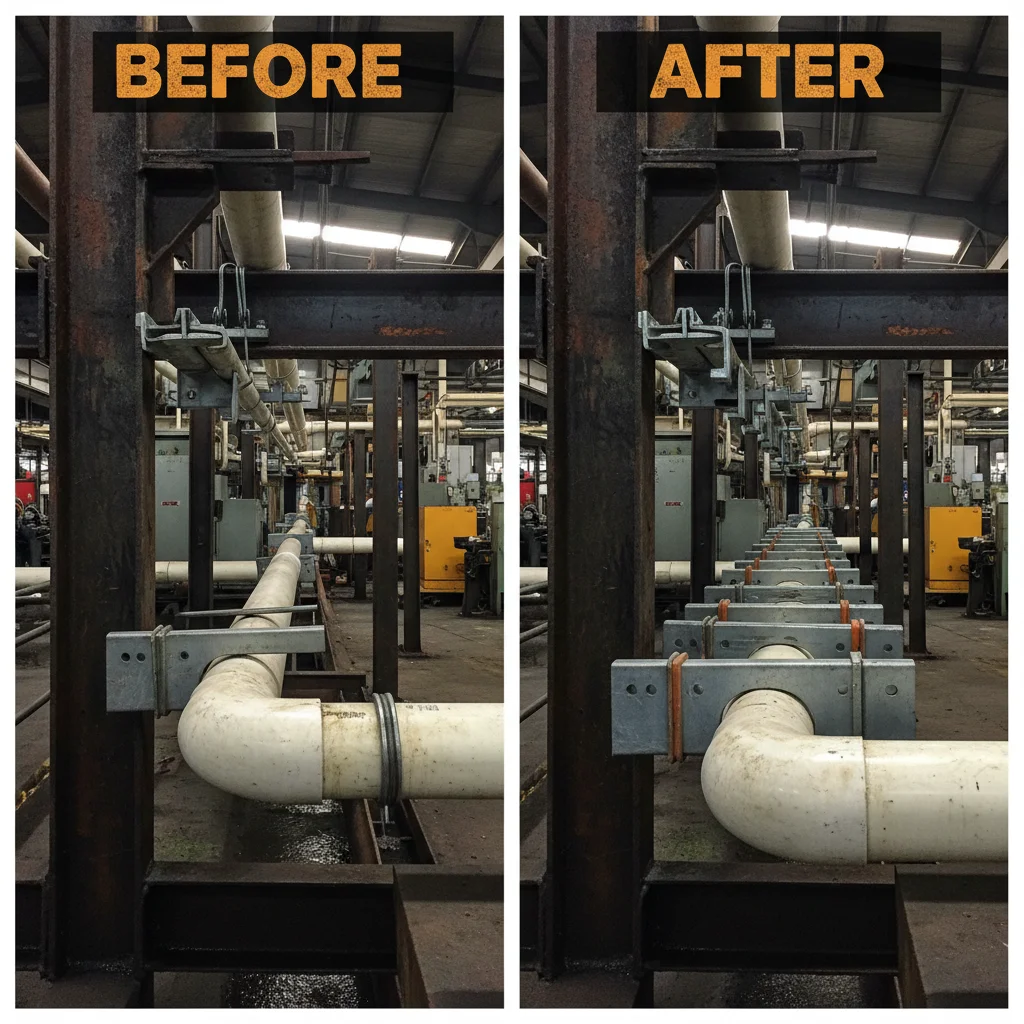

February 24, 2026
When undertaking plumbing projects, selecting the right pipe hangers is critical for a secure and long-lasting installation. 1 2 copper pipe hangers are a common and effective solution for supporting copper piping in residential and commercial buildings. This article will provide an in-depth look at these hangers, covering their types, materials, applications, installation best practices, and where to source high-quality options. Choosing the correct hanger ensures the integrity of your plumbing system and prevents potential leaks or damage.
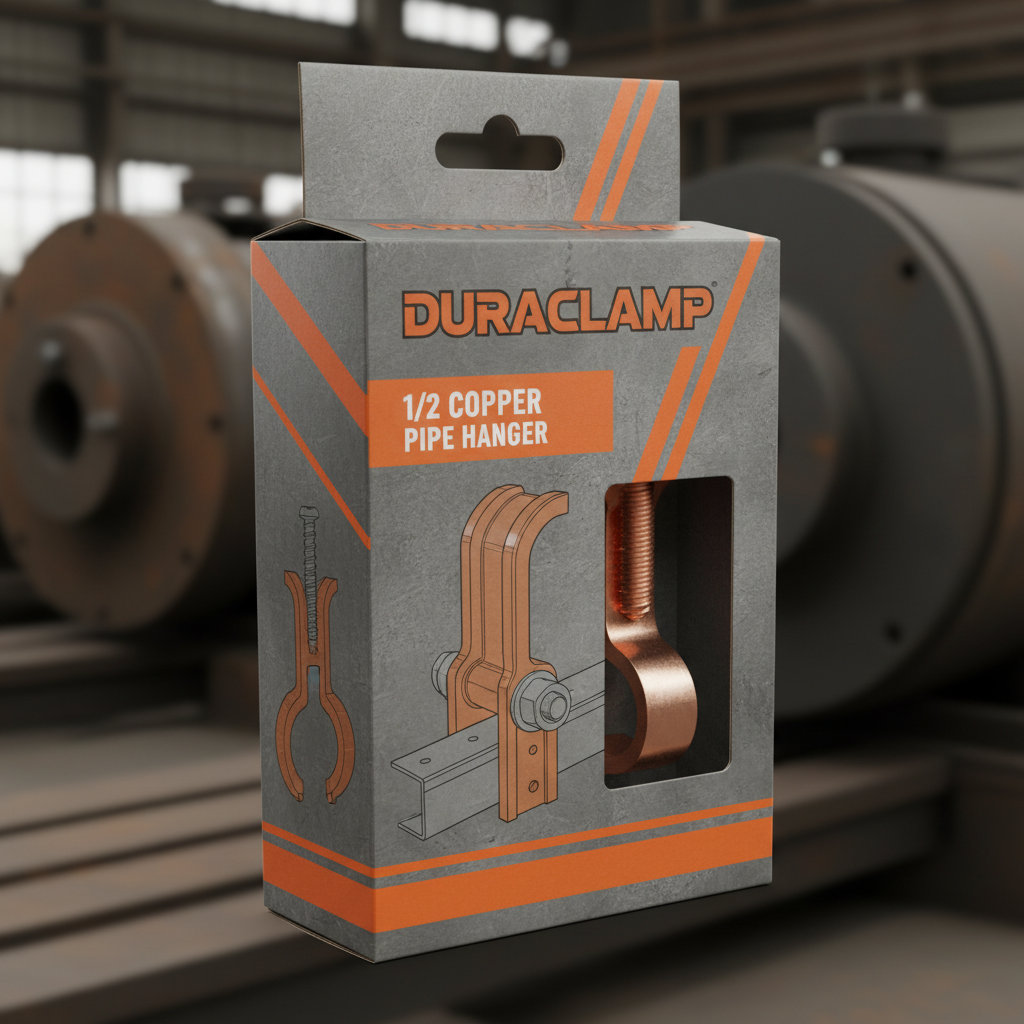
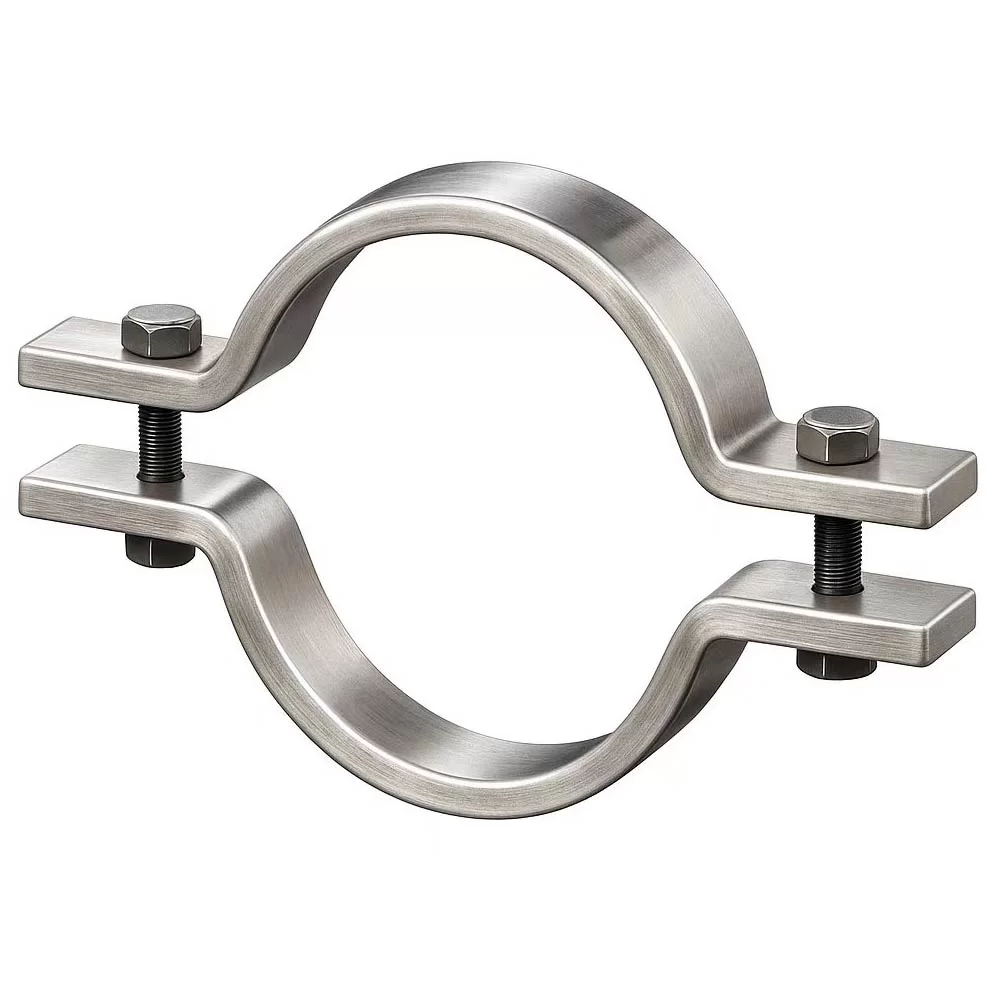
A 1 2 copper pipe hanger is specifically designed to support copper piping with an outer diameter of 1/2 inch. These hangers come in various forms, but their primary function remains the same: to securely hold the pipe in place, preventing it from sagging, bending, or experiencing stress that could lead to leaks. Properly spaced and installed hangers are essential for maintaining the system's pressure and preventing water hammer. The material and design of the hanger impact its load-bearing capacity and resistance to corrosion. At Top Fastener, you'll find a range of durable and reliable options to suit your needs.
Key Considerations: Correct sizing, material compatibility, and proper spacing are essential for effective pipe support. Choosing the right hanger prevents damage to the piping and ensures the long-term reliability of the plumbing system.
Several types of 1 2 copper pipe hangers are available, each suited for different applications and installation scenarios. Some common types include:
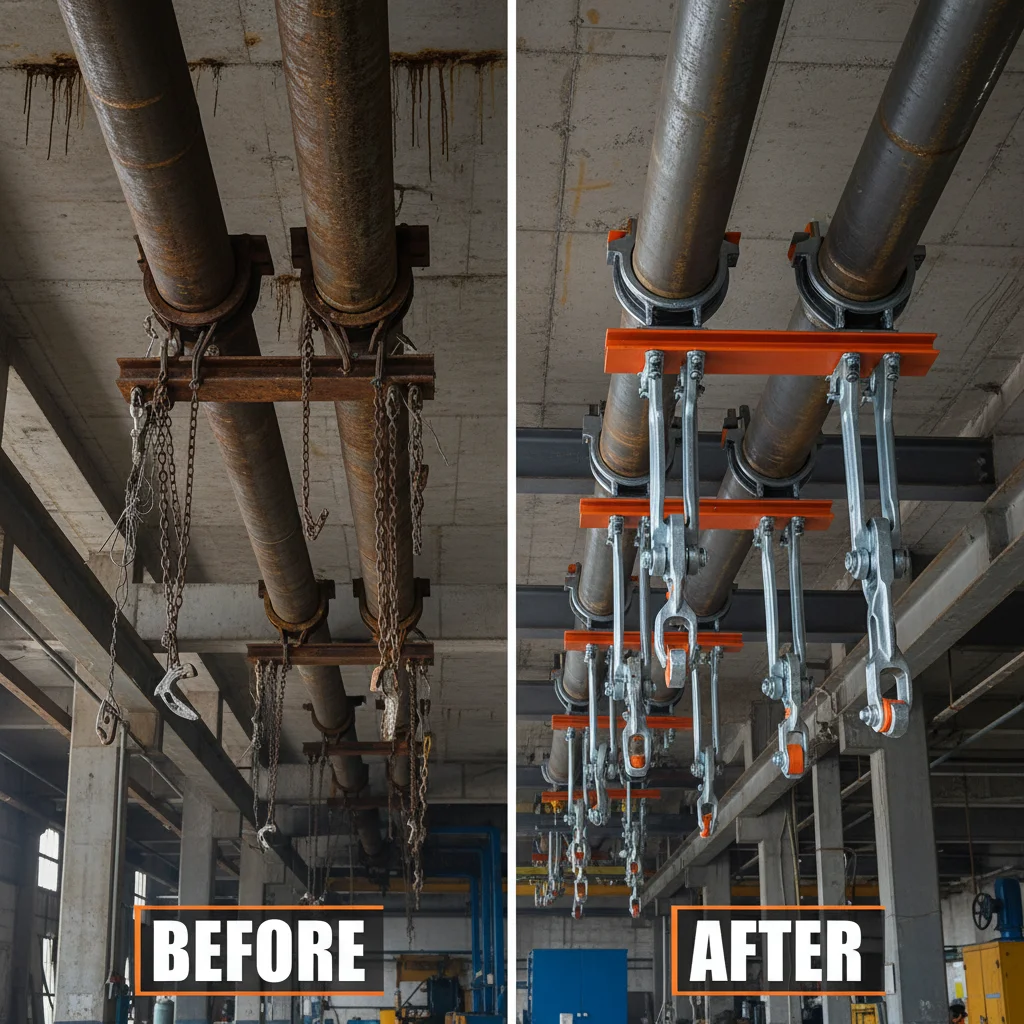
The best type of hanger will depend on the specific requirements of your project, including the weight of the pipe, the environment, and the desired level of support.
Hanger Selection Guide:
• U-Bolt: General purpose, cost-effective.
• Clamp: Quieter, reduces vibration.
• Risers: Vertical support near fixtures.
• Spring: Seismic activity, shock absorption.
The material of the hanger is crucial for its longevity and performance. Common materials include:
For copper piping, it’s vital to use hangers made from materials that won't react with the copper and cause corrosion. Galvanized steel is often the preferred choice due to its balance of strength, cost, and corrosion resistance. Stainless steel is a premium option for long-term durability.
Correct installation is crucial for ensuring the hangers function effectively. Key considerations include:
Regularly inspect hangers to ensure they remain secure and haven't shifted or corroded. Addressing any issues promptly will help prevent potential plumbing problems. You can find quality pipe hangers and fasteners at Top Fastener.
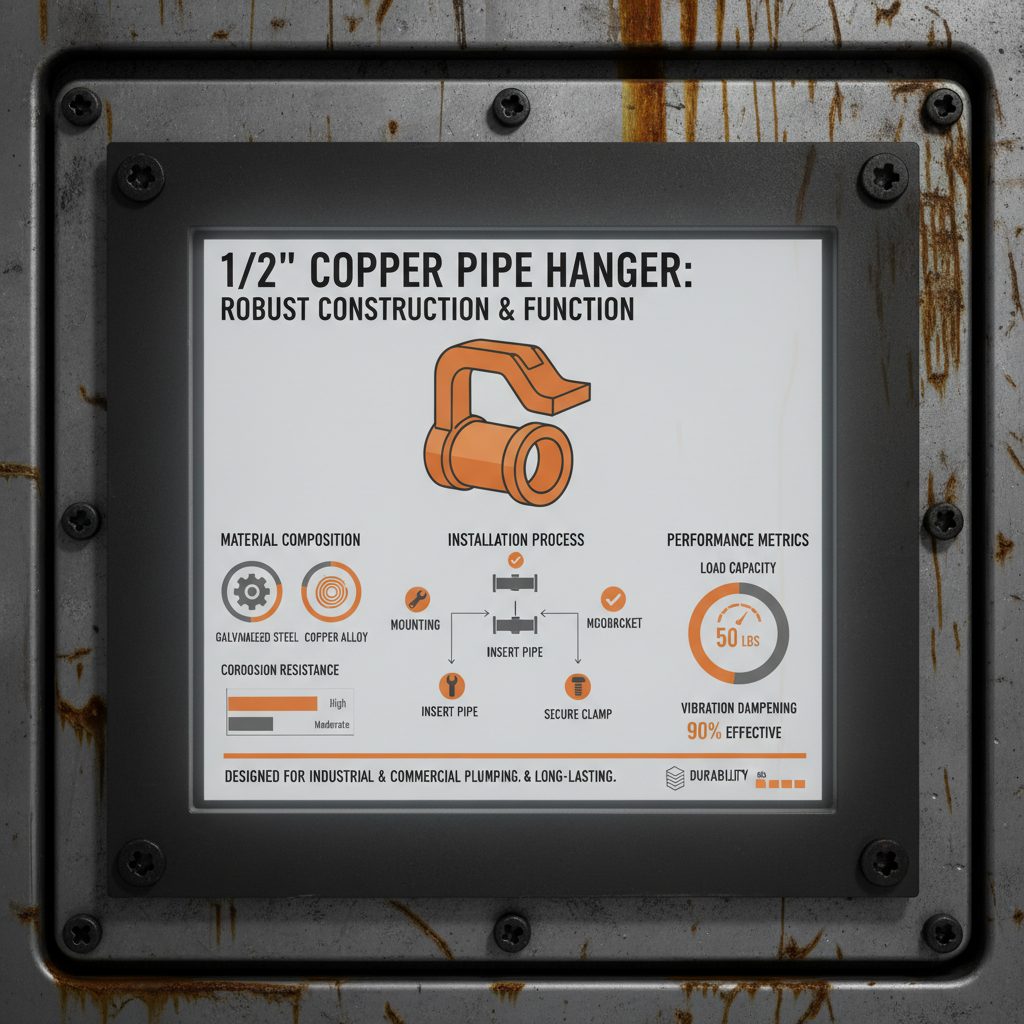
Choosing a reliable supplier is essential to ensure you receive high-quality 1 2 copper pipe hangers. Top Fastener offers a comprehensive selection of pipe hangers in various materials and styles. We are committed to providing durable, corrosion-resistant, and code-compliant products. Our team is available to assist you in selecting the right hangers for your specific application.
Investing in high-quality 1 2 copper pipe hangers is a crucial step in ensuring the longevity and reliability of your plumbing system. Properly supported pipes are less prone to leaks, damage, and costly repairs. Choose Top Fastener for durable, compliant, and competitively priced pipe hangers.
The maximum spacing is typically dictated by local plumbing codes, but a general guideline is 6-8 feet for horizontal runs. However, heavier pipes or those carrying hot water may require closer spacing. It’s always best to consult your local codes and consider the specific conditions of your installation. Using more hangers than the minimum requirement can provide added support and prevent sagging. At Top Fastener, we can help you determine the best spacing for your project.
While wood screws can be used, it's generally recommended to use lag screws or dedicated hanger screws for a more secure connection. Wood screws can sometimes strip the wood over time, especially with vibration or movement. Lag screws provide a stronger hold and are less likely to loosen. Ensure the screws are appropriately sized for the joist and the weight of the pipe. Always prioritize a secure attachment to prevent the hangers from failing.
A corroded pipe hanger should be replaced immediately. Corrosion weakens the hanger, reducing its ability to support the pipe and potentially leading to leaks or collapses. Inspect all hangers regularly for signs of corrosion. When replacing a hanger, choose a corrosion-resistant material like stainless steel, especially in humid or corrosive environments. Top Fastener offers a wide variety of corrosion-resistant hangers to meet your needs.
Yes, using rubber isolation is highly recommended. Rubber or other cushioning material prevents direct contact between the metal hanger and the copper pipe, reducing the risk of galvanic corrosion and minimizing vibration. This extends the life of both the hanger and the pipe. Many hangers are pre-lined with rubber, but you can also add separate rubber sleeves or pads.
Hit enter to search or ESC to close