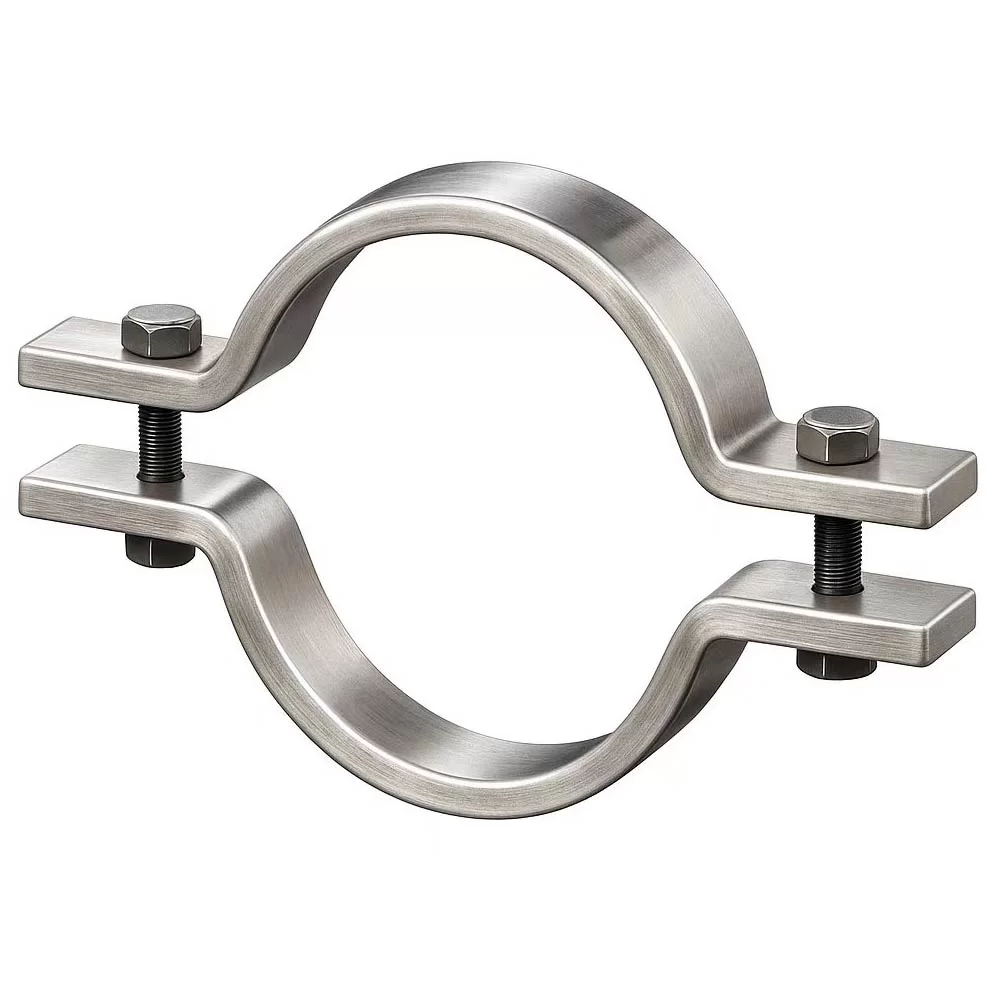
Understanding Clamps Function for Enhanced Engineering and Industrial Applications
  • Home
  • Top Blog
  • Understanding Clamps Function for Enhanced Engineering and Industrial Applications
0%

Table of Contents

The realm of fastening solutions, particularly focusing on clamps function, is fundamental to modern engineering, construction, and manufacturing. From securing pipelines in energy infrastructure to holding components in automotive assembly, clamps provide essential stability and reliability. Understanding the nuances of clamps function – their materials, design, and applications – is crucial for ensuring the safety, efficiency, and longevity of numerous systems globally. Advancements in materials science and manufacturing techniques continually redefine the capabilities of these seemingly simple devices, leading to enhanced performance and new possibilities across diverse industries.

The global demand for robust and dependable clamping solutions is ever-increasing, driven by factors like infrastructure development, growing manufacturing output, and the need for efficient resource management. The United Nations estimates that global infrastructure investment will reach trillions of dollars in the coming decades, directly correlating with a higher demand for high-quality clamps. Furthermore, ISO standards continually push for stricter safety and quality control, increasing the importance of reliable clamps function in various applications. The ability to optimize clamps function also addresses challenges related to corrosion, fatigue, and environmental impact.

In essence, clamps function as critical connectors, ensuring the integrity of systems ranging from everyday household appliances to complex industrial machinery. Their versatile nature allows them to be adapted to numerous scenarios, making them a cornerstone of modern engineering practice. Understanding these principles is vital for professionals and anyone invested in building, maintaining, or improving physical infrastructure.

clamps function

The Fundamental Principles of clamps function

clamps function

At its core, clamps function by applying a controlled force to secure two or more objects together. This force is typically generated through mechanical advantage, utilizing levers, screws, or springs. The efficiency of this process hinges on the material properties of the clamp, the precision of its design, and the application of appropriate tightening torque. The goal is to create a robust connection that resists slippage, vibration, and external stresses without damaging the components being clamped. clamps function is crucial.

Understanding the principles of friction, pressure distribution, and material deformation is essential when evaluating clamps function. Different clamp designs offer varying levels of clamping force, adjustability, and ease of use, making it vital to select the appropriate clamp for a specific application. Factors such as the surface finish of the clamped materials, the operating temperature, and the presence of corrosive environments also influence the overall performance and longevity of the clamp.

Defining Clamps Function in Industrial Contexts

In industrial settings, clamps function extends far beyond simple fastening. They are integral to maintaining the integrity of complex systems, preventing failures, and ensuring operational safety. Within pipelines, for instance, clamps ensure leak-proof connections, vital for transporting hazardous materials. In manufacturing, clamps securely hold workpieces during machining, welding, and assembly processes, enabling precise and repeatable results. Their functionality is paramount to efficient production and maintaining product quality.

The definition of clamps function broadens to encompass load distribution, vibration dampening, and thermal expansion management. In aerospace applications, clamps must withstand extreme temperatures, pressures, and vibrations while maintaining a secure hold. Similarly, in automotive manufacturing, clamps are used in engine assembly, exhaust systems, and suspension components, each requiring specific performance characteristics.

The increasing automation of industrial processes relies heavily on precise and reliable clamps function. Robotic arms frequently utilize clamps to manipulate and position components, requiring quick, secure, and repeatable clamping actions. This integration demands sophisticated clamp designs and control systems to ensure seamless operation and prevent costly errors.

Core Components Influencing Clamps Function

Several core components directly influence the effectiveness of clamps function. Material selection is paramount; stainless steel, carbon steel, and specialized alloys are chosen based on strength, corrosion resistance, and temperature tolerance. The clamp's geometry – its shape, size, and internal features – dictates the distribution of clamping force and its ability to accommodate different workpiece configurations. clamps function is often customized.

The tightening mechanism, whether it’s a screw, lever, or pneumatic cylinder, determines the amount of force applied and the ease of adjustment. The surface finish of the clamping surfaces also plays a critical role, influencing friction and preventing slippage. Furthermore, the presence of protective coatings or linings can enhance corrosion resistance and prolong the clamp's lifespan.

Ultimately, a holistic approach to component selection and integration is crucial for optimizing clamps function. Careful consideration must be given to the specific application requirements and the potential interactions between different components. Proper design and manufacturing processes are equally important to ensure consistent performance and reliability.

Quantifying Performance: Analyzing clamps function

Evaluating clamps function requires a quantitative approach, measuring parameters like clamping force, stiffness, and fatigue resistance. Clamping force, typically measured in Newtons or pounds, indicates the magnitude of the pressure applied to the clamped components. Stiffness, reflecting the clamp's resistance to deformation under load, is critical for maintaining a secure connection and preventing vibration.

Fatigue resistance assesses the clamp's ability to withstand repeated cycles of loading and unloading without failure. This is particularly important in dynamic applications where clamps are subjected to constant stress. Finite element analysis (FEA) and other simulation techniques are frequently used to predict clamp performance under various conditions.

Clamps Function Performance Metrics

Real-World Applications of clamps function

The applications of clamps function are remarkably diverse. In the oil and gas industry, high-pressure clamps secure pipelines and prevent leaks, ensuring safe and efficient transportation of resources. In construction, clamps are used to assemble scaffolding, connect structural elements, and secure formwork for concrete pouring.

Within the automotive sector, clamps play a vital role in securing exhaust systems, brake lines, and cooling components. In the aerospace industry, specialized clamps ensure the integrity of aircraft structures and engine components, critical for safe flight. These are only a few examples, showcasing the widespread impact of reliable clamps function.

Advantages and Long-Term Value of Optimized clamps function

Optimized clamps function delivers significant tangible benefits. Reduced downtime due to fewer failures translates into increased productivity and cost savings. Enhanced safety minimizes the risk of accidents and injuries, protecting personnel and assets. Furthermore, prolonged clamp lifespan reduces the need for frequent replacements, lowering maintenance costs and minimizing waste.

The long-term value extends to improved product quality and reliability, bolstering brand reputation and customer satisfaction. Sustainable clamp designs, utilizing recyclable materials and minimizing environmental impact, contribute to responsible manufacturing practices and a positive corporate image. Choosing the right solution around clamps function is critical.

Beyond the practical advantages, optimized clamps function instills confidence and trust in the integrity of the systems they secure. This peace of mind is invaluable, particularly in critical applications where failure is not an option.

Future Trends and Innovations in clamps function

The future of clamps function is poised for innovation, driven by advancements in materials science, digital manufacturing, and automation. Smart clamps, incorporating sensors and data analytics, are emerging, capable of monitoring clamping force, detecting anomalies, and providing real-time feedback. These intelligent systems enable predictive maintenance and proactive intervention, preventing failures before they occur.

Additive manufacturing (3D printing) is revolutionizing clamp design, enabling the creation of complex geometries and customized solutions tailored to specific applications. The development of self-tightening clamps, utilizing shape memory alloys or other innovative mechanisms, promises to further enhance reliability and reduce maintenance requirements.

Sustainability remains a key driver of innovation, with research focused on developing biodegradable or fully recyclable clamp materials. The integration of clamps function with Industry 4.0 principles – leveraging IoT, cloud computing, and AI – will unlock new levels of efficiency, automation, and data-driven optimization.

Summary of Key Factors in Assessing and Improving Clamps Function

Component Material Clamping Force (N) Corrosion Resistance Maintenance Frequency (Months)
Stainless Steel 316 15000 Excellent 24
Carbon Steel (Coated) 12000 Good 12
Aluminum Alloy 7075 8000 Moderate 6
Titanium Alloy Ti-6Al-4V 20000 Exceptional 36
Polymer Composite 5000 Good 9
Zinc Plated Steel 10000 Fair 6

FAQS

What are the key differences between spring clamps and screw clamps?

Spring clamps utilize spring tension for clamping force, providing quick application and removal. They are ideal for temporary holding or light-duty applications. Screw clamps offer more precise control over clamping force through adjustable screws, making them suitable for heavier-duty tasks and ensuring a more secure hold. The choice depends on the application's specific requirements for speed, force, and precision. Choosing right clamps function is key.

How do environmental factors affect clamps function and longevity?

Environmental factors like temperature, humidity, and corrosive substances significantly impact clamps function. Extreme temperatures can alter material properties, leading to reduced clamping force or material failure. Humidity can cause corrosion, weakening the clamp over time. Choosing clamps made from corrosion-resistant materials, such as stainless steel, and applying protective coatings can mitigate these effects. Regular inspection and maintenance are also vital.

What is the best way to determine the correct clamping force for an application?

Determining the correct clamping force requires considering the materials being clamped, the required level of security, and the potential for deformation or damage. A general rule of thumb is to apply sufficient force to prevent slippage without exceeding the material's yield strength. Engineering calculations, finite element analysis, and consulting with experts can help establish the optimal clamping force for specific applications.

Are there specific safety precautions to observe when using clamps?

Yes, several safety precautions are essential. Always wear appropriate personal protective equipment (PPE), such as safety glasses and gloves. Avoid over-tightening clamps, as this can damage components or create a hazardous situation. Inspect clamps regularly for wear and tear, and replace damaged clamps immediately. Ensure proper training and adherence to safety protocols.

What are the benefits of using quick-release clamps over traditional clamp designs?

Quick-release clamps offer significant time-saving advantages, enabling faster workpiece positioning and removal. This is especially beneficial in repetitive tasks or applications requiring frequent adjustments. They often incorporate ergonomic designs for ease of use and reduce operator fatigue. However, they may provide slightly less clamping force compared to some traditional designs.

How does material selection impact the lifespan of a clamp?

Material selection is crucial for a clamp's longevity. Stainless steel offers excellent corrosion resistance, ideal for harsh environments. Carbon steel provides high strength but may require protective coatings. Aluminum is lightweight but less durable. The chosen material must withstand the application's stresses, temperatures, and chemical exposures to ensure a long service life.

Conclusion

In conclusion, clamps function represents a fundamental principle in numerous engineering disciplines. From ensuring structural integrity in critical infrastructure to facilitating precise assembly in manufacturing processes, the effective application of clamping technology is essential for safety, efficiency, and reliability. Understanding the core components, performance metrics, and emerging trends in this field is paramount for professionals seeking to optimize their designs and operations.

Looking ahead, advancements in materials science, automation, and data analytics will continue to revolutionize clamps function. Embracing these innovations and prioritizing sustainable practices will unlock new possibilities for improving performance, reducing costs, and minimizing environmental impact. For cutting-edge clamping solutions and expert advice, visit our website: www.topfastener.com

Robert Miller

Robert Miller

Robert Miller is a seasoned Project Engineer with over 15 years of experience in the construction industry, currently consulting with several major infrastructure projects utilizing Guanbiao’s fastening solutions. He specializes in bridge construction and high-rise building projects, focusing on ensuring structural integrity and long-term durability. Robert initially encountered Guanbiao’s products during a particularly challenging project demanding corrosion-resistant fasteners for a coastal bridge. Impressed by the quality and performance, he has since become a strong advocate for Guanbiao within his network. He frequently contributes to industry publications on best practices for fastener selection and installation, highlighting Guanbiao’s commitment to reliability. Robert holds a Master's degree in Civil Engineering and is a registered Professional Engineer.
Previous Understanding Clamps Use Across Industries and Emerging Technologies
Next The Vital Role of Fastener Video in Modern Industrial Applications
Get Your Custom Construction Brackets Today!
Fill out the form below, and our team will help you choose the perfect construction bracket for your project.

If you are interested in our products, you can choose to leave your information here, and we will be in touch with you shortly.