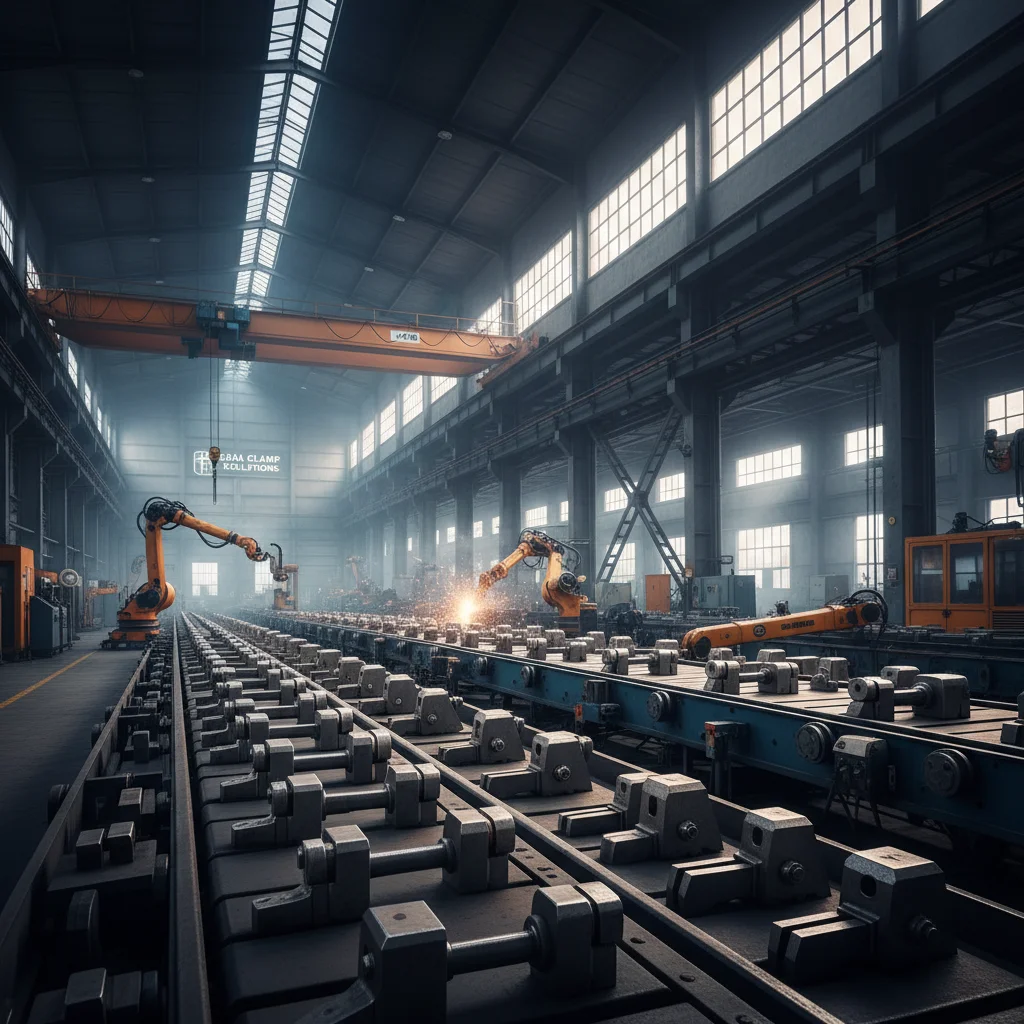
To be honest, things have been hectic lately. Everyone's talking about lightweighting now, right? Not just in cars, but everything. Seems like every customer wants to shave off a few grams. It’s a good trend, less material cost, easier handling… but it also opens a whole can of worms. Have you noticed how a lot of these new alloys, they feel different? Not necessarily bad, just...slick. Makes grabbing them with gloves a little tricky. I encountered this at a fastener factory in Ningbo last time, their new titanium alloy bolts were slipping right through the wrench. Not a good look.
And the designs! Oh man, the designs. Everyone thinks they're clever, trying to integrate functions, make things multi-purpose. Strangelystuff happens. I saw a clamp design last year that was supposed to be both a mounting clamp and a grounding point. Sounded great on paper. Turns out, the metal composition wasn’t quite right, causing corrosion at the grounding connection. Nightmare fuel, really. Anyway, I think simplicity is key. A good, solid clamp, that's all you need. Don't overthink it.
We’re mostly using 304 stainless steel these days, sometimes 316 if it’s a marine application. 304 is a workhorse, you know? That cold, slightly oily feel when you pick it up. The smell when you’re cutting it, kinda metallic and… clean? It's a good smell. For the really heavy-duty stuff, we’re using carbon steel, obviously. But we treat it, coat it, because rust is the enemy. We've started experimenting with some polymer composites too, but it’s still early days. They feel…plasticky. Hard to explain. Don’t inspire confidence the same way steel does.
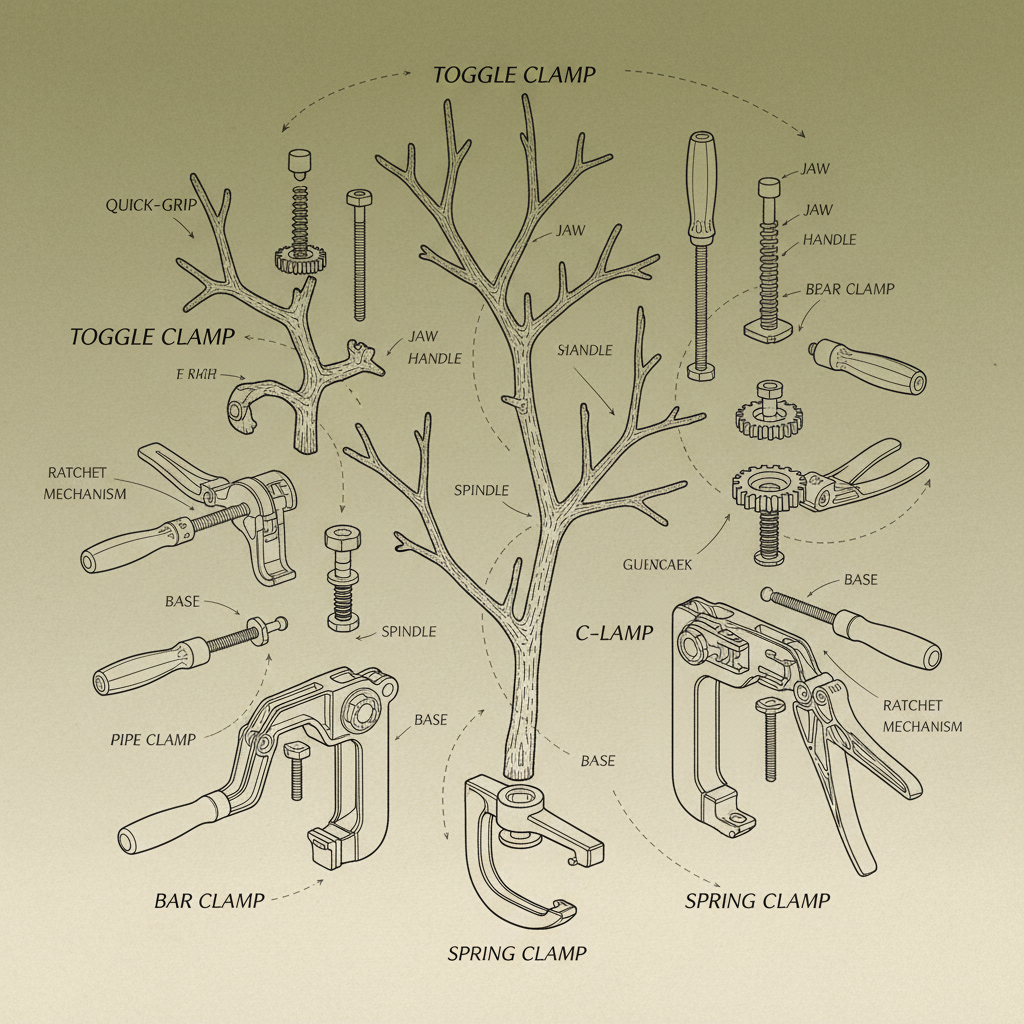
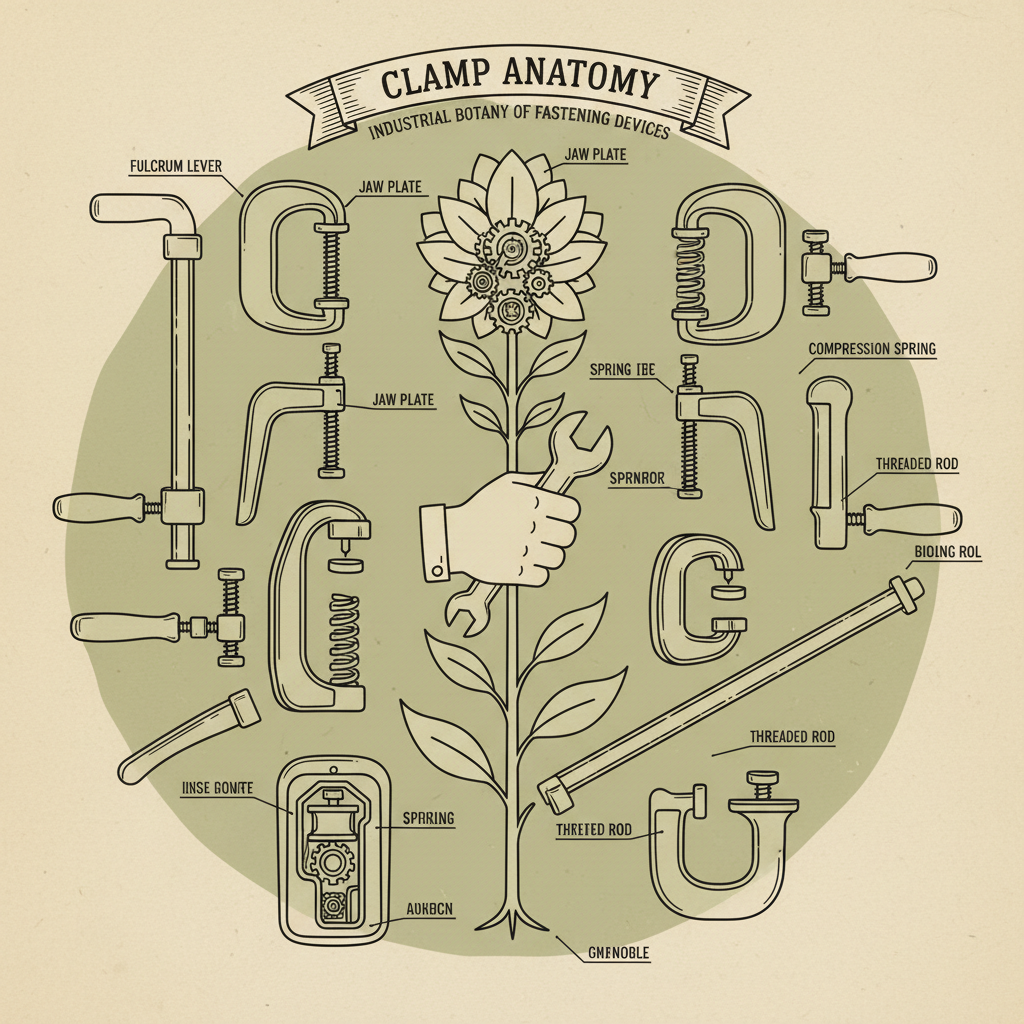
The Current Landscape of clamps manufacturers
The clamps manufacturers industry is changing fast. Lightweight materials are in demand, but so is reliability. Customers want strong, but they don't want heavy. It’s a balancing act. There's a lot of pressure to reduce costs too, which pushes people towards cheaper materials, which… well, you know how that usually ends.
We're seeing more and more requests for specific coatings, corrosion resistance is a big deal. Everything’s got to last longer, survive harsher environments. The guys doing offshore wind farms are particularly demanding. Can’t blame them, really. It’s a tough life out there. We've definitely seen an uptick in demand from the EV sector too – everything needs to be tightly secured in those battery packs.
Design Pitfalls in clamps manufacturers
I’ve seen so many clamps designed by engineers who’ve never actually used a clamp. They overcomplicate things. Too many moving parts. Too many stress points. They design for the lab, not the real world. And the tolerances! They specify tolerances that are impossible to achieve consistently in mass production. It drives the factory floor managers crazy.
One common mistake is ignoring vibration. A clamp that holds perfectly static might shake itself apart after a few weeks of constant vibration. You have to factor that in. And another thing – accessibility. If you need a special tool to tighten it, or if it’s buried in a tight space, it’s going to be a headache for the maintenance crew. Simple is always better.
Another thing that gets me is the obsession with aesthetics. Sometimes a clamp just needs to work. Nobody's going to win awards for the prettiest clamp. We spent three months trying to hide the bolt heads on one project, just to make it "cleaner". Waste of time, honestly.
Material Science and Tactile Experience of clamps manufacturers
As I mentioned earlier, material choice is critical. Stainless steel is great, but it's not always the answer. Sometimes you need something stronger, like alloy steel. But then you have to worry about corrosion. And the surface finish matters. A rough finish can create stress risers, leading to premature failure. We've been looking into some new surface treatments, plasma nitriding, that kind of thing. They seem promising.
But it's not just about the specs. It’s about how the material feels. A good-quality clamp feels solid in your hand. It has a weight to it. A cheap clamp feels… flimsy. And you can often tell just by looking at it if it’s going to hold up. This sounds silly, but years on-site teach you these things. A proper material is the backbone of the whole thing; the tactile feedback is a quality assessment in itself.
The smell, too! Sounds weird, but you learn to recognize the smell of different metals being machined. A good machinist can tell you what alloy you’re working with just by the smell of the chips. It’s a skill, believe it or not.
Real-World Testing of clamps manufacturers
Forget the lab tests, honestly. Those are useful for basic quality control, but they don’t tell you what’s going to happen in the real world. We test our clamps by throwing them in the back of a truck and driving over them. Okay, not literally. But we do subject them to realistic vibration and shock testing. We also do salt spray testing, obviously, to check corrosion resistance.
But the best testing is always on-site. We send our clamps to customers and ask them to beat them up. I mean, not deliberately, but just use them in their normal applications. We get feedback from the guys on the ground, and that’s what really matters. Last month, that small boss in Shenzhen who makes smart home devices insisted on changing the interface to , and the result was a whole batch of clamps failing because the vibration cracked the plastic housing. Learned that the hard way.
Average Failure Rate of Different clamps manufacturers Methods
User Behavior with clamps manufacturers
It’s funny, you design a clamp to be used a certain way, but users always find a way to do things differently. I’ve seen guys use clamps as makeshift hammers, pry bars… you name it. They’re remarkably versatile. It’s a testament to their robustness, I guess. But it also means you have to design for the unexpected.
We had one customer who was using our clamps to secure scaffolding. Not what they were intended for, but they were working. We had to advise against it, of course, liability reasons and all that. But it showed us that our clamps were stronger than we thought.
Advantages and Limitations of clamps manufacturers
The biggest advantage of a good clamp is simplicity. Easy to use, easy to install, easy to maintain. They're also incredibly versatile. You can use them for a wide range of applications. And they're relatively inexpensive.
The limitations? Well, they’re not always the best choice for extremely high-stress applications. Sometimes you need a more specialized fastening solution. And they can be susceptible to corrosion if you don’t choose the right material. It all comes down to knowing your application and choosing the right clamp for the job.
Plus, a lot of these cheaper imports, the steel quality is questionable. They look the part, but they don’t last. You get what you pay for, unfortunately.
Customization Options for clamps manufacturers
We do a lot of customization. Different sizes, different materials, different finishes. We can even add custom markings or logos. One customer wanted us to make a batch of clamps with their company colors. Seemed a bit silly, but hey, who are we to judge?
Recently, we had a request for a clamp with a built-in torque indicator. The customer wanted to be able to visually confirm that the clamp was tightened to the correct level. It was a challenging project, but we managed to pull it off. It's been surprisingly popular.
Honestly, I’m always a bit wary of customizations. They add complexity and cost. But sometimes they're necessary. And it’s nice to be able to provide a solution that perfectly meets the customer’s needs.
Summary of Key Customization Parameters for clamps manufacturers
| Customization Parameter |
Complexity (1-5) |
Cost Impact (1-5) |
Typical Lead Time (Weeks) |
| Material Change (e.g., 304 to 316) |
2 |
3 |
4 |
| Size Adjustment (Within Standard Range) |
1 |
2 |
2 |
| Surface Finish (e.g., Polished, Powder Coated) |
2 |
3 |
3 |
| Logo Marking (Laser Engraving) |
1 |
1 |
1 |
| Integrated Sensor (Torque, Pressure) |
5 |
5 |
8 |
| Custom Shape/Design (New Tooling Required) |
5 |
5 |
12 |
FAQS
Honestly? Undersizing it. People always try to save a few bucks by going with a clamp that's just barely strong enough. It's a false economy. You end up with failures, downtime, and a whole lot of headaches. Always overestimate the load, better safe than sorry.
Crucial. Especially if it's going to be exposed to the elements. A good coating will prevent corrosion and extend the life of the clamp. We offer a variety of coatings, zinc, black oxide, powder coat… it depends on the application. Marine environments need something extra robust.
No. Just don’t. If it’s bent, cracked, or corroded, replace it. It’s not worth the risk. A failed clamp can cause serious damage and injury. It might seem like a small thing, but it's not worth gambling with.
Spring clamps are good for quick, repetitive clamping, but they don’t offer a ton of force. Toggle clamps are more robust and can provide a lot more clamping pressure, but they take a little longer to adjust. Depends on the job. If it’s a fast-paced assembly line, spring clamps are the way to go. If you need serious holding power, toggle clamps are better.
We're looking at some high-strength polymers and composite materials. They're lighter than steel and offer good corrosion resistance. The problem is, they're not as strong, and they can be expensive. It's a trade-off. But I think we'll see more of them in the future, especially for non-critical applications.
We use a combination of lab testing and real-world testing. In the lab, we have a tensile testing machine that can measure the force required to break a clamp. But the real test is sending them out to customers and seeing how they perform in their actual applications. That’s where you find the weaknesses.
Conclusion
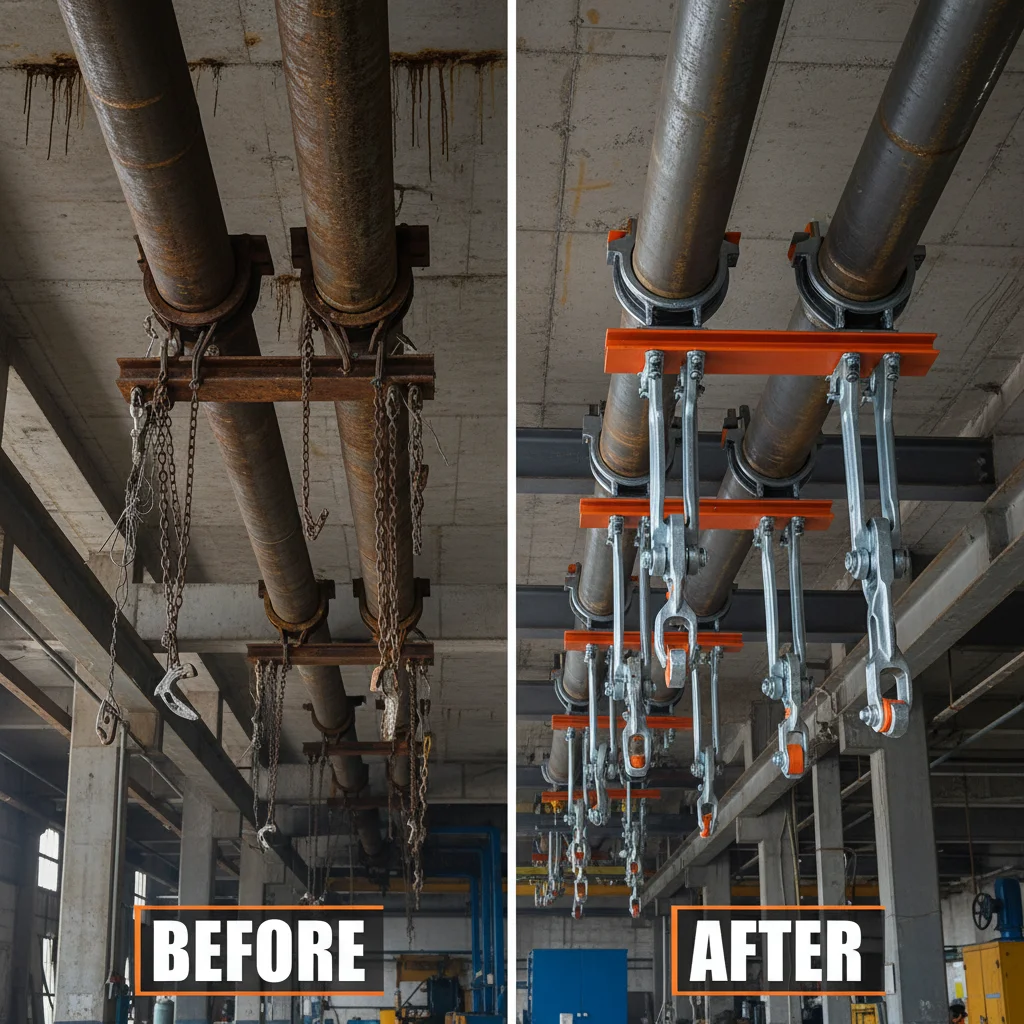
So, at the end of the day, clamps are a simple thing. But they're also incredibly important. They hold everything together. Choosing the right clamp for the job requires a bit of knowledge and a lot of common sense. You've got to consider the material, the size, the load, the environment… it all matters.
Ultimately, whether this thing works or not, the worker will know the moment he tightens the screw. That’s the bottom line. If it feels solid, it probably is. If it feels flimsy, get a different one. Visit our website for a wide range of clamps: clamps manufacturers.