
February 09, 2026
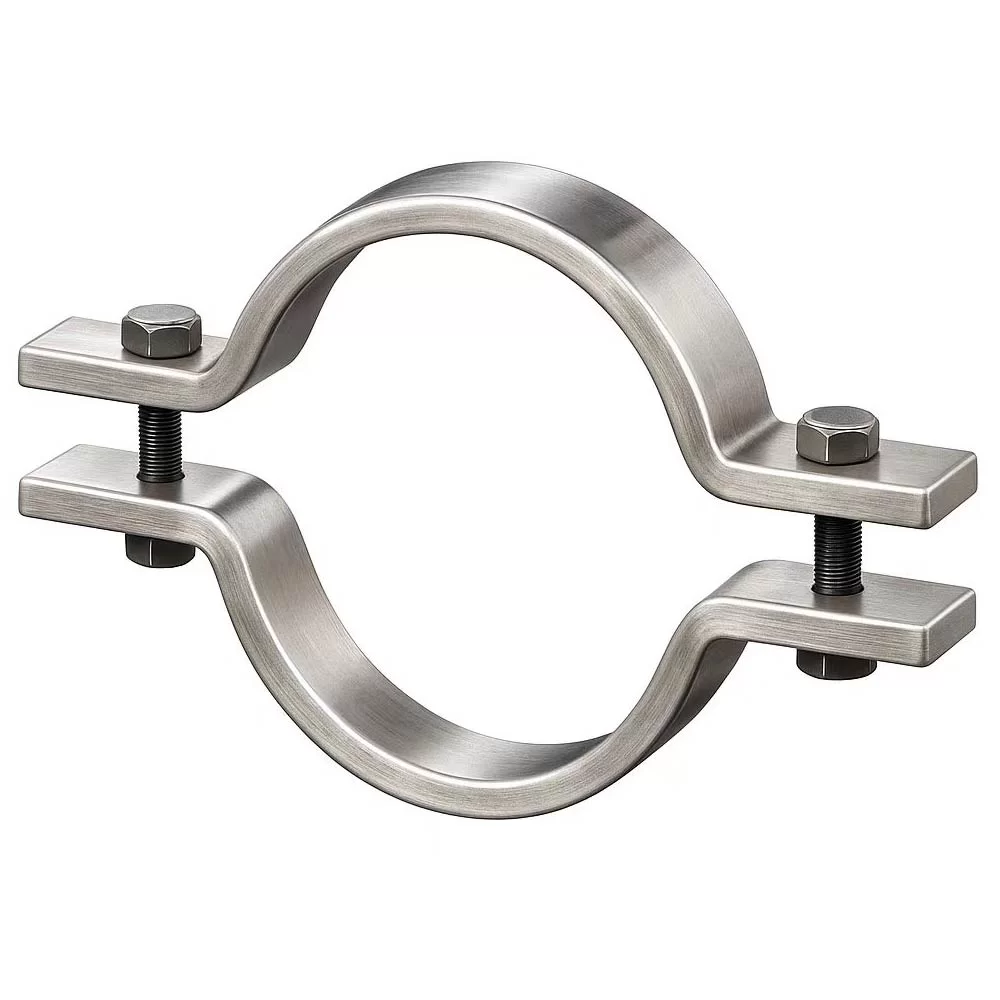
When installing piping systems, maintaining proper spacing and securing them effectively is paramount. Pipe standoff clamps are essential components for achieving this. These clamps provide a secure and adjustable method for supporting pipes, conduits, and other cylindrical objects, ensuring optimal performance and longevity. This article will delve into the benefits, types, applications, and key considerations when selecting pipe standoff clamps, offering a comprehensive resource for professionals and DIY enthusiasts alike.
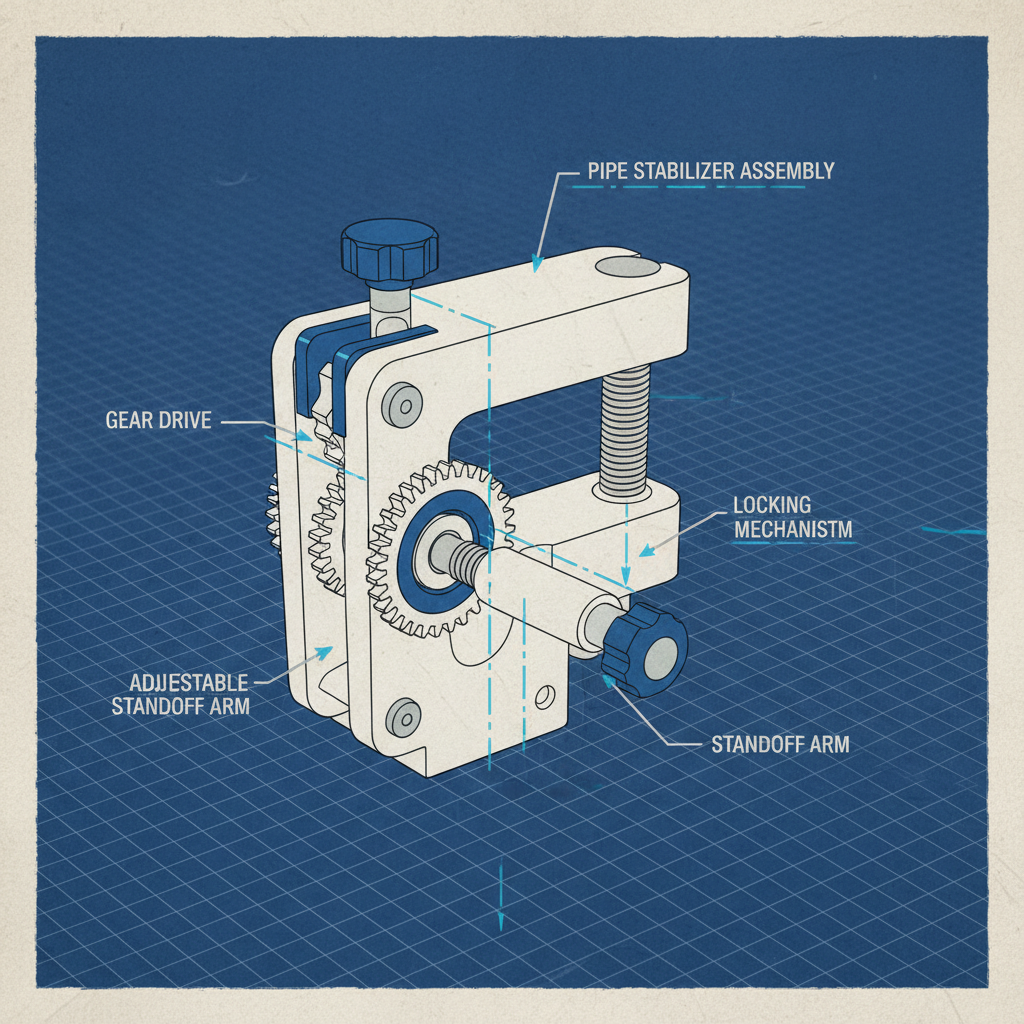
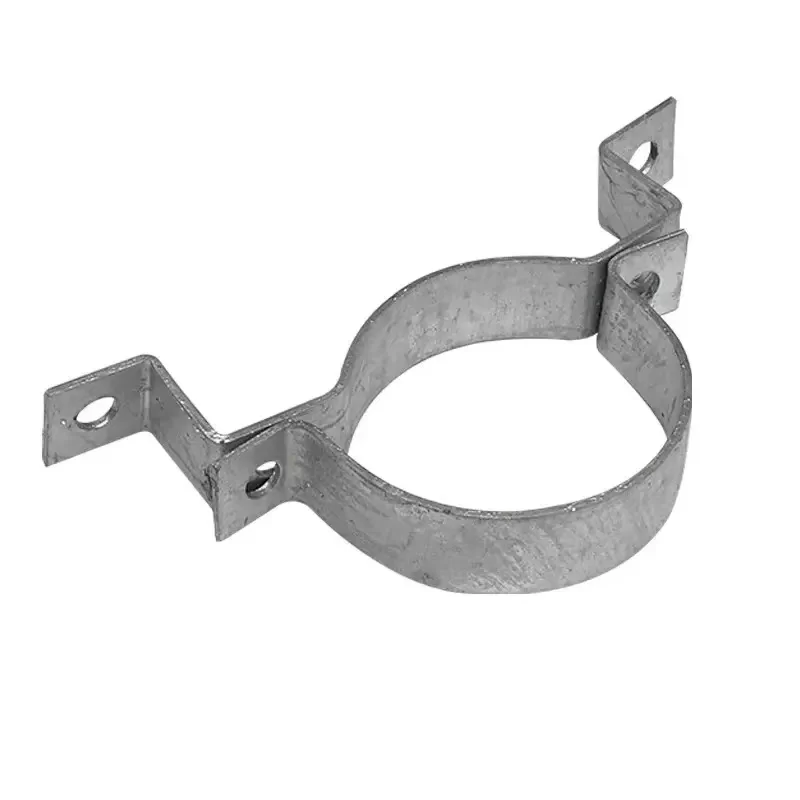
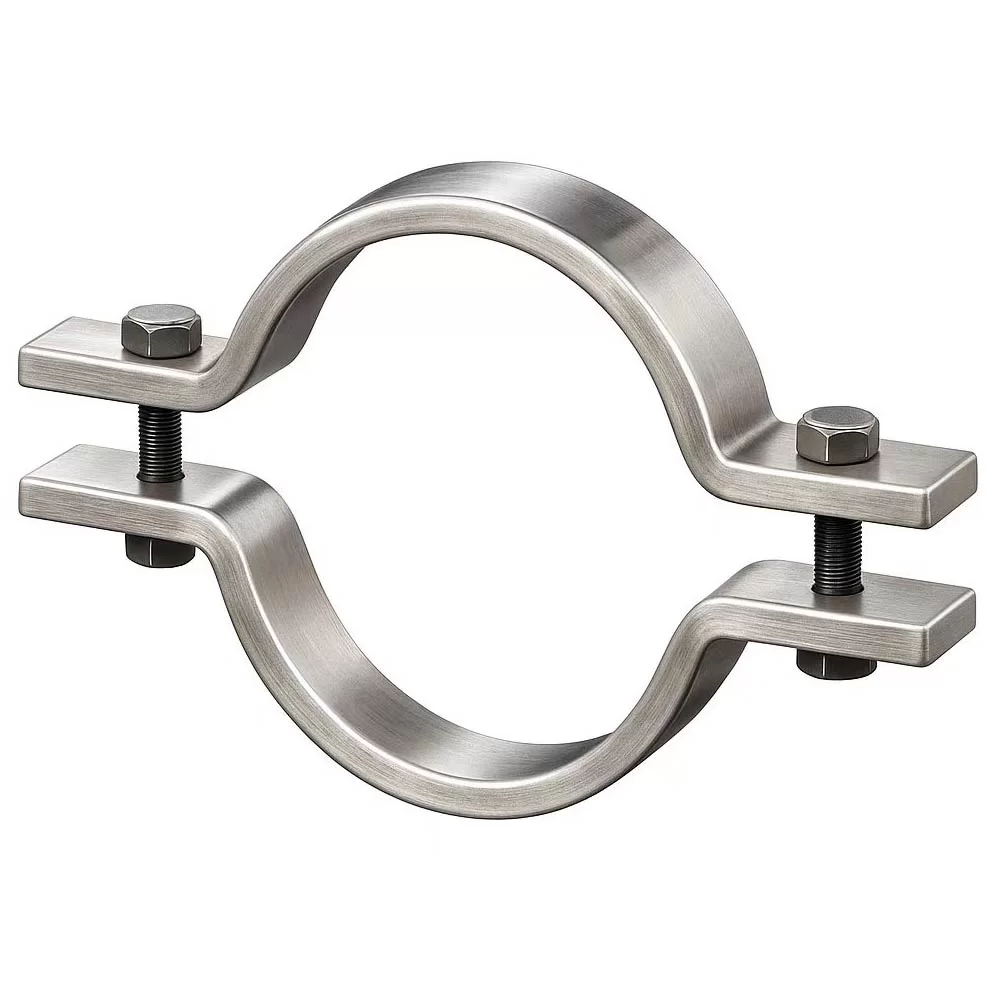
A pipe standoff clamp is a fastening device designed to hold a pipe or conduit away from a surface, such as a wall, ceiling, or structural beam. They are critical for several reasons. Firstly, they prevent direct contact between the pipe and the mounting surface, reducing vibration and noise transmission. Secondly, they allow for airflow around the pipe, preventing heat buildup. Thirdly, they provide support at intervals, preventing sagging or stress on the pipe. Using the correct clamp ensures a secure and professional installation.
Key Benefits: Reduced vibration, improved airflow, prevents pipe sagging, protects pipe coating, provides adjustable support.
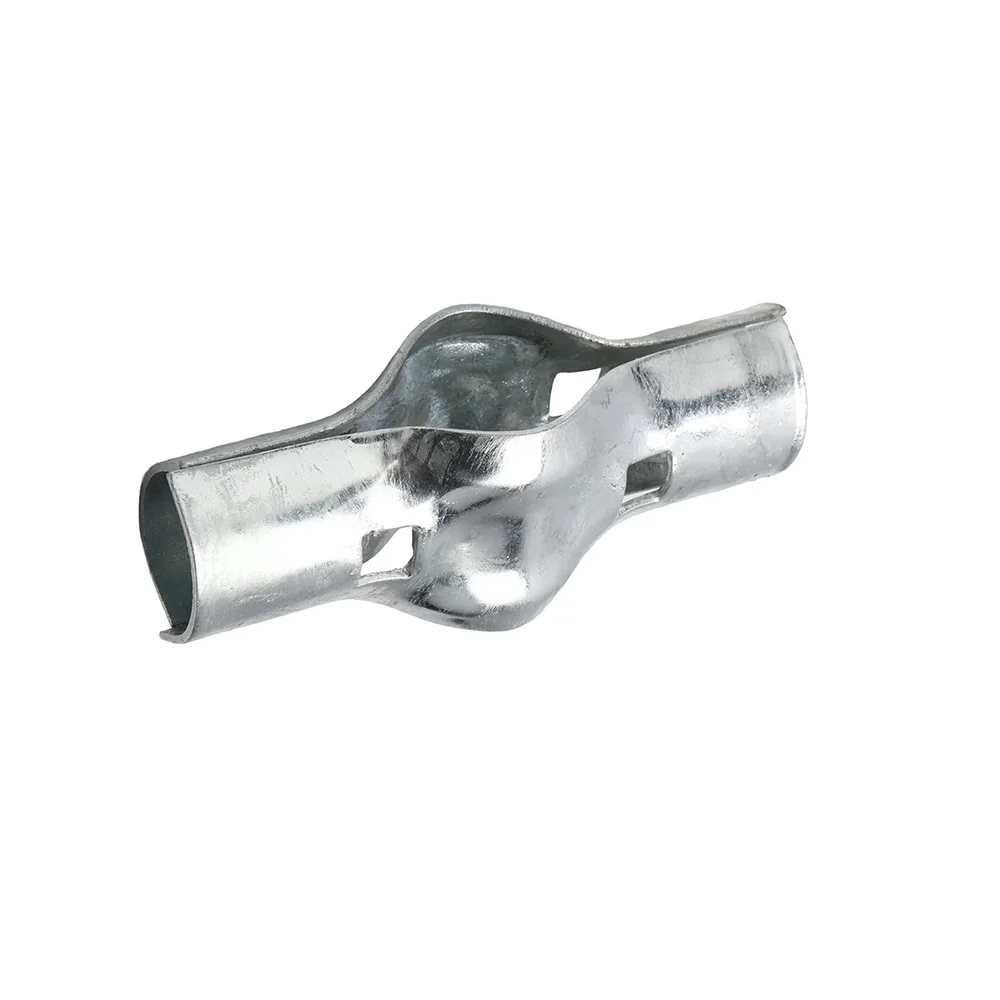
Several types of pipe standoff clamps are available, each suited for specific applications. Common types include:
The best choice depends on factors like pipe diameter, weight, material, and environmental conditions.
Choosing the Right Clamp:
• Consider pipe diameter and material.
• Evaluate the load-bearing requirements.
• Factor in environmental conditions (e.g., corrosion resistance).
• Choose clamps made from durable materials like stainless steel or galvanized steel.
The material of the pipe standoff clamp is crucial for its longevity and performance. Here's a comparison of common materials:
Pipe standoff clamps find widespread application in various industries, including:
Their versatility makes them indispensable for numerous construction and maintenance projects.
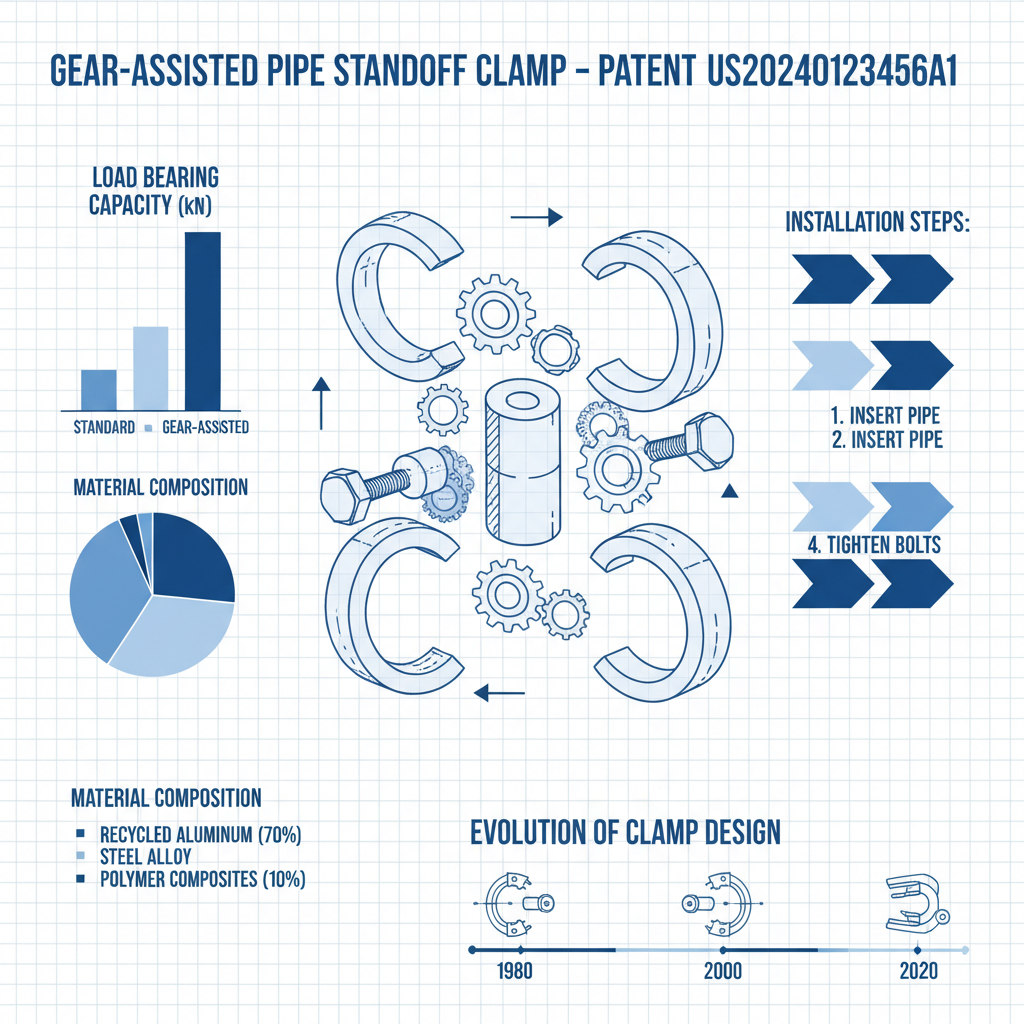
Choosing the correct size and specifications for your pipe standoff clamp is essential. Key factors to consider include the outside diameter (OD) of the pipe, the standoff distance required, and the load capacity of the clamp. Consult manufacturer's specifications and engineering guidelines to ensure proper selection. Using clamps that are too small or have insufficient load capacity can compromise the integrity of the piping system.
Investing in high-quality pipe standoff clamps from a reputable supplier like Top Fastener is critical for maintaining the safety and efficiency of your piping systems. By understanding the different types, materials, and applications, you can make informed decisions that ensure long-lasting performance and prevent costly issues. Don't compromise on quality – choose the right clamp for the job!
The recommended spacing for pipe standoff clamps depends on several factors, including the pipe diameter, material, weight, and the presence of insulation. As a general guideline, spacing should not exceed 8 feet for standard applications. For larger diameter pipes or heavier loads, closer spacing is recommended. Consult local building codes and engineering specifications for specific requirements.
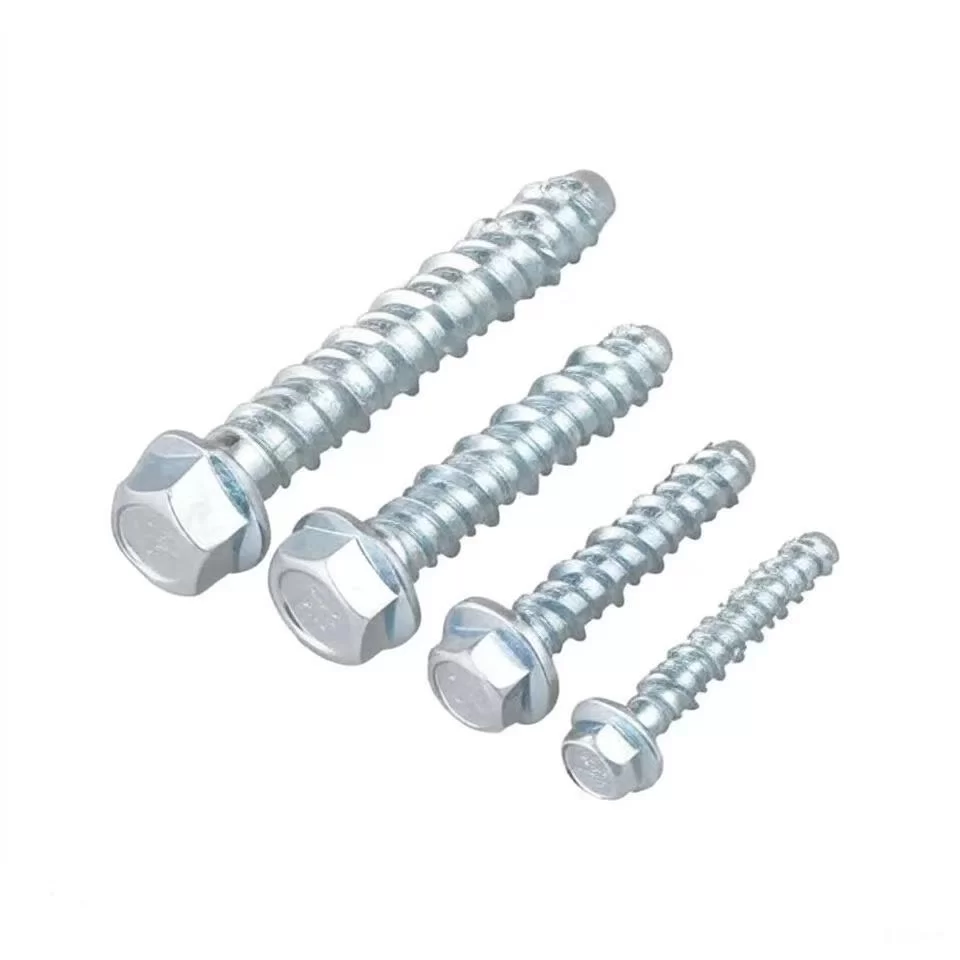
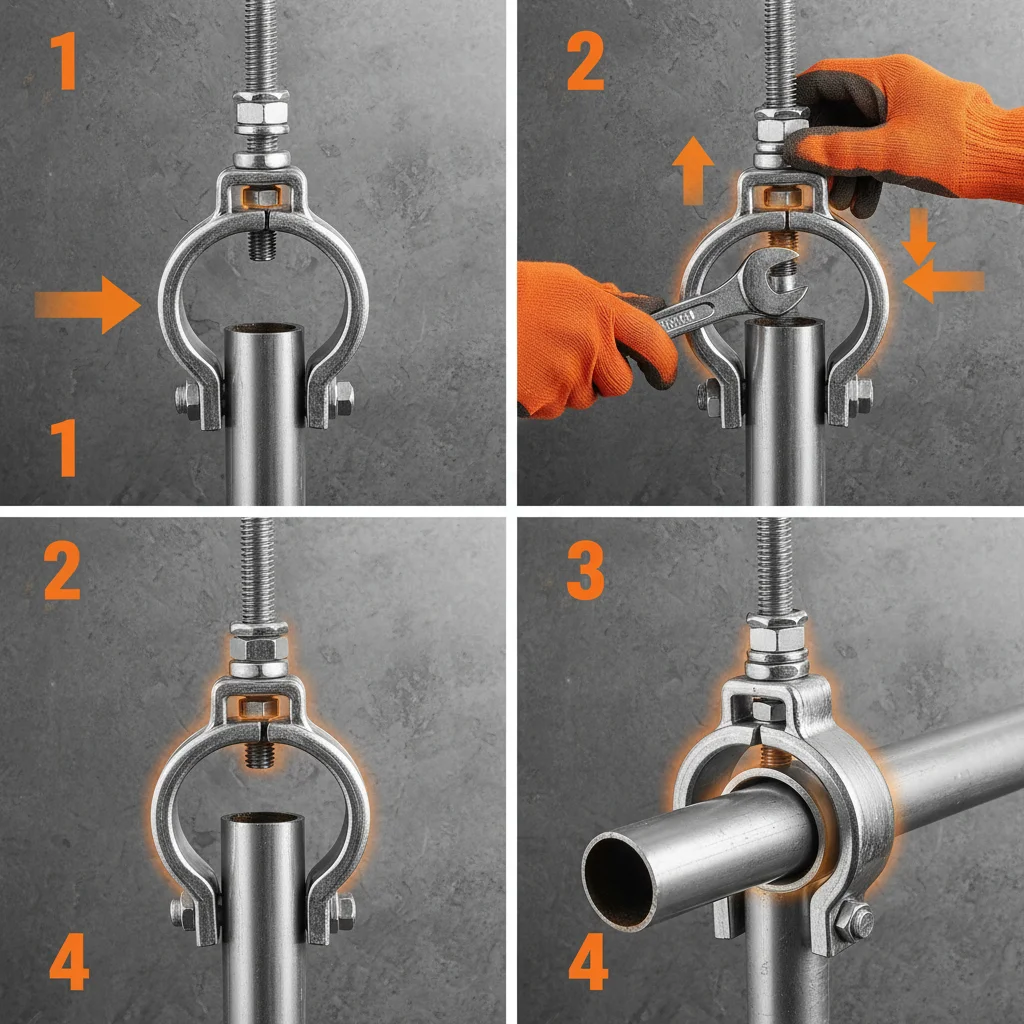
Proper installation is crucial for ensuring the clamp’s effectiveness. First, select the appropriate clamp for the pipe size and application. Then, position the clamp at the desired location on the mounting surface. Use appropriate fasteners (screws, bolts, or anchors) to securely attach the clamp to the surface. Ensure the pipe is snugly held within the clamp without being over-tightened. Double-check that the clamp is level and properly aligned. Regularly inspect the installation to ensure it remains secure.
Always wear appropriate personal protective equipment (PPE), including safety glasses, gloves, and a hard hat, when installing or working near pipe standoff clamps. Ensure the work area is well-lit and free of hazards. Use the correct tools for the job and follow manufacturer's instructions. Avoid over-tightening fasteners, as this can damage the clamp or the pipe. If working at heights, follow proper fall protection procedures.
Yes, pipe standoff clamps can be used with insulated pipes. However, it's important to select clamps that are designed to accommodate the increased outer diameter of the insulated pipe. Rubber-lined clamps are a good option for insulated pipes, as they provide cushioning and prevent damage to the insulation. Ensure the clamp provides adequate support and doesn't compress the insulation excessively.
Hit enter to search or ESC to close