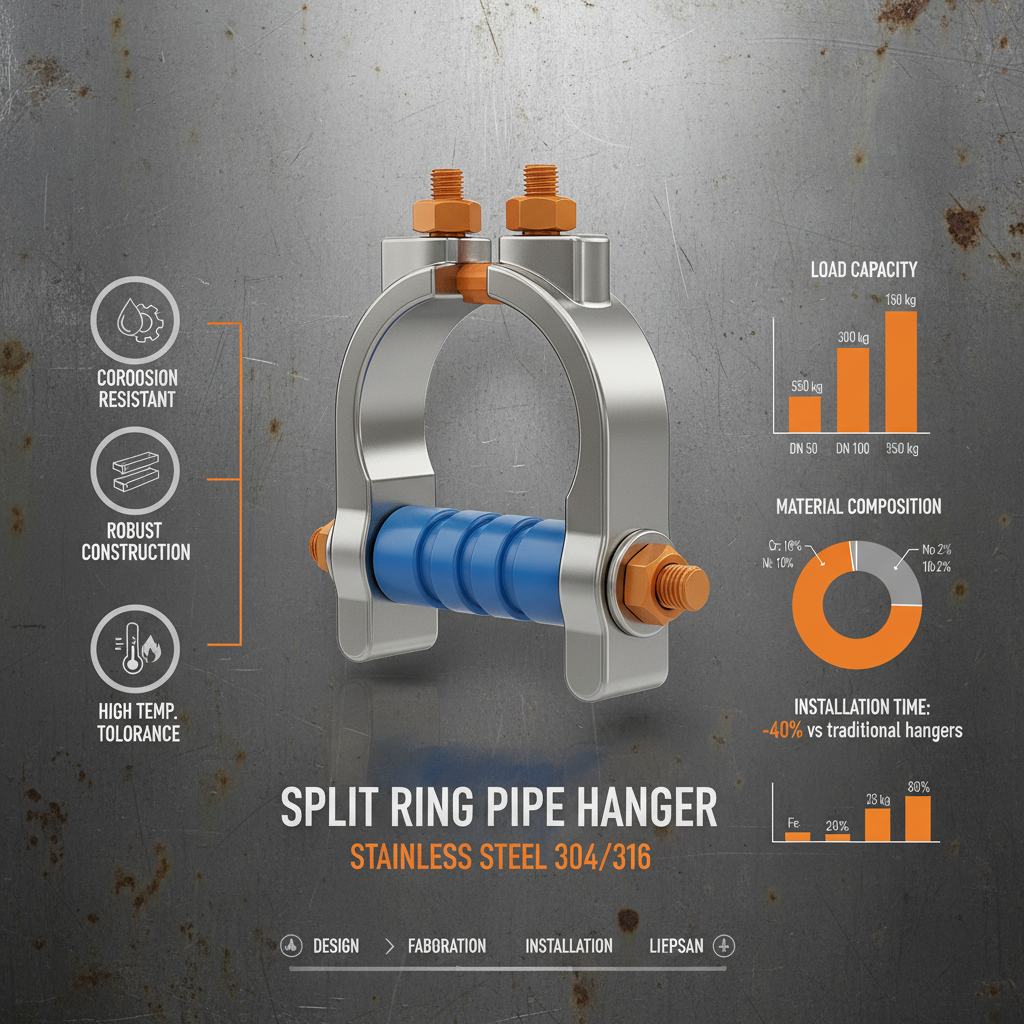
The integrity of industrial piping systems depends heavily on the quality of their support structures, where the split ring pipe hanger stainless steel emerges as a critical component for ensuring long-term stability. In environments where corrosion is a constant threat—such as chemical processing plants, marine installations, or food production facilities—the choice of material and design can mean the difference between a system that lasts decades and one that fails prematurely. By combining the mechanical flexibility of a split-ring design with the inherent resilience of stainless steel, these hangers provide a secure, adaptable solution for various pipe diameters and weights.
Globally, the demand for high-grade fastening and support hardware has surged as infrastructure projects move toward more sustainable and low-maintenance materials. The shift toward stainless steel is not merely a preference for aesthetics but a strategic move to reduce lifecycle costs. When implementing a split ring pipe hanger stainless steel, engineers are prioritizing a "fit-and-forget" philosophy, ensuring that the supports can withstand extreme thermal expansion and contraction without compromising the safety of the entire assembly.
Understanding the nuances of these hangers—from the grade of steel used (such as 304 or 316) to the precision of the split mechanism—is essential for any project manager or procurement specialist in the metal fabrication industry. This guide delves into the technical advantages, global applications, and future innovations surrounding the split ring pipe hanger stainless steel, providing a comprehensive resource for optimizing piping infrastructure in the most demanding conditions.
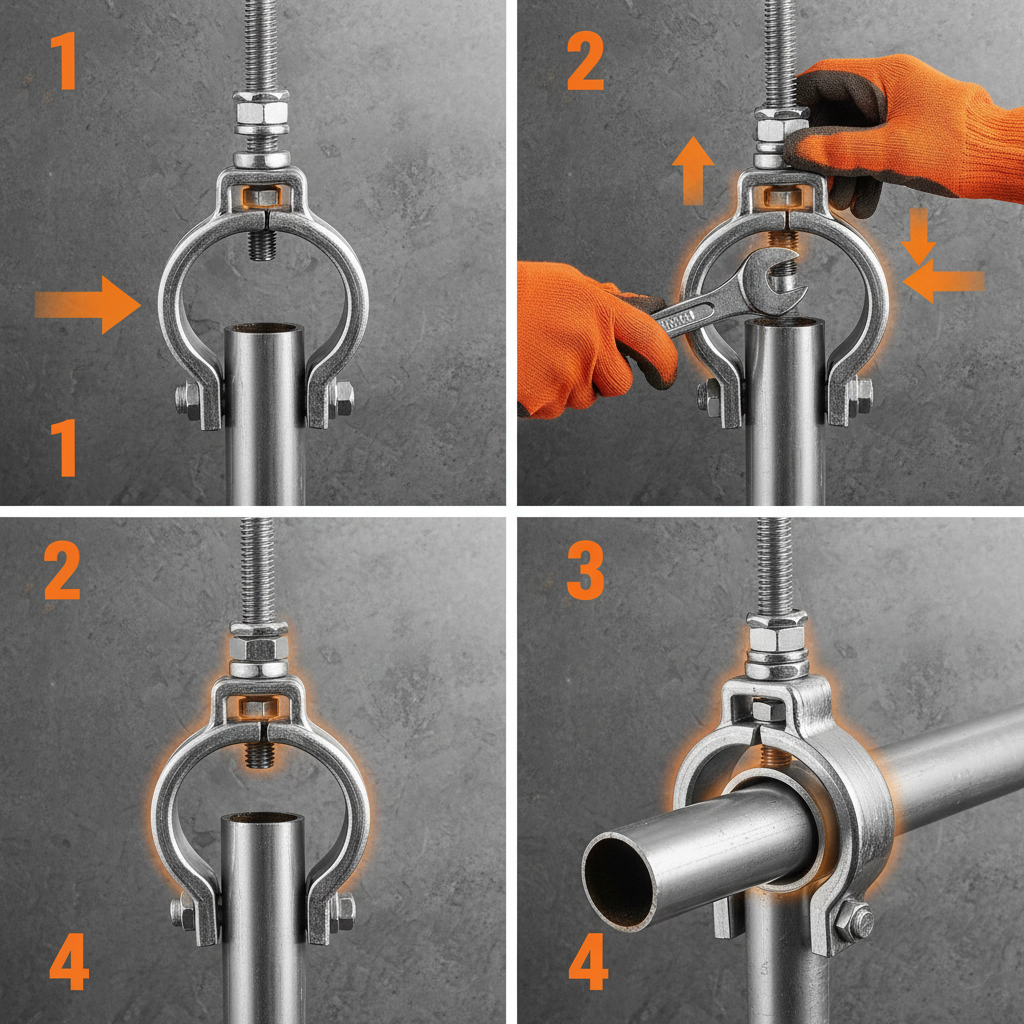
Global Relevance of Split Ring Pipe Hanger Stainless Steel
In the modern industrial landscape, the split ring pipe hanger stainless steel is far more than a simple bracket; it is a safeguard against systemic failure. According to ISO standards for piping supports, the prevention of vibration-induced wear and corrosion-led collapse is paramount. In global sectors such as petrochemicals and pharmaceutical manufacturing, where pipes carry volatile or sterile fluids, the reliability of the hanging system directly impacts environmental safety and human health.
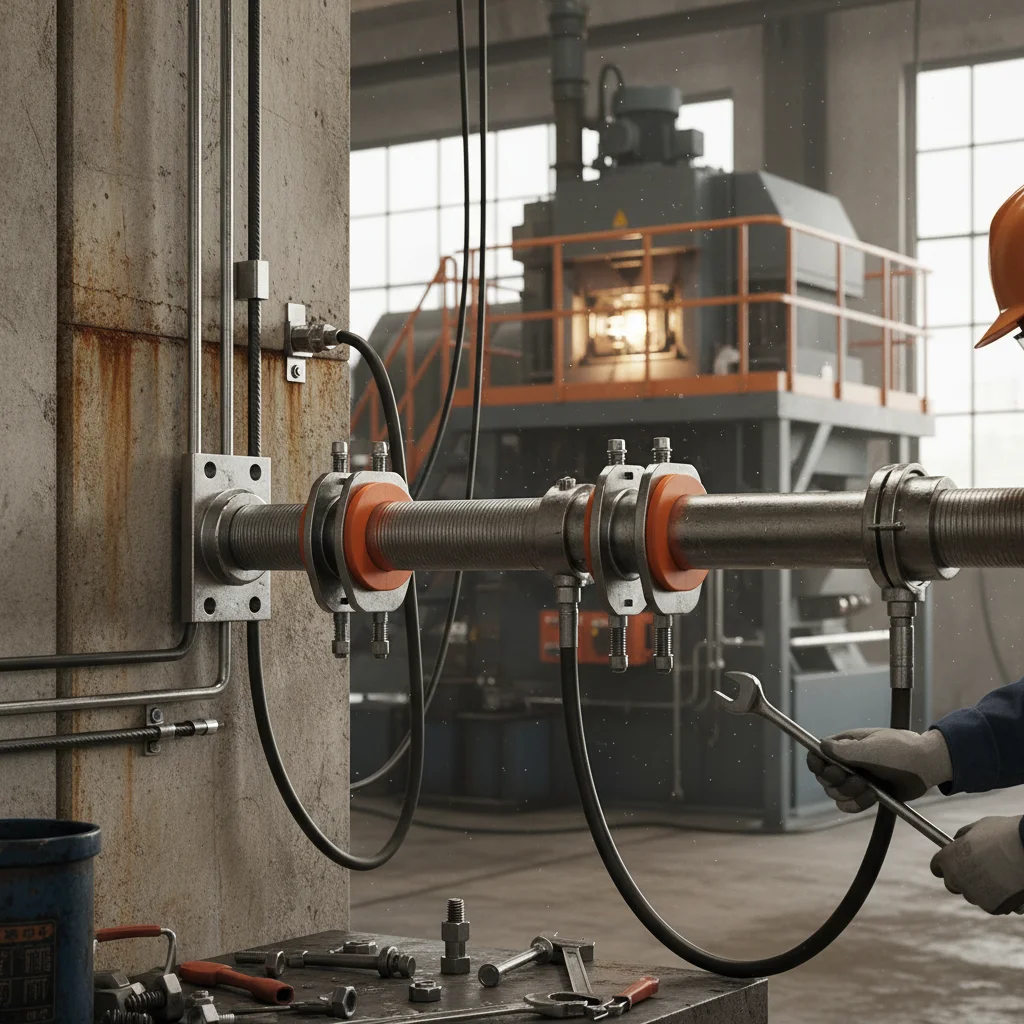
The global shift toward stricter building codes and safety regulations has forced a transition away from galvanized steel toward high-chromium alloys. The split ring design allows for installation around existing pipes without requiring the system to be disassembled, which significantly reduces downtime during maintenance or retrofitting. This adaptability, combined with the chemical resistance of stainless steel, makes it an indispensable tool for engineers working in high-salinity coastal regions or high-humidity tropical zones.
Defining the Split Ring Pipe Hanger Stainless Steel Mechanism
At its core, a split ring pipe hanger stainless steel is a two-piece clamping device designed to cradle a pipe and suspend it from a ceiling or overhead structure. Unlike solid rings, the "split" nature allows the hanger to be bolted around the pipe, providing a secure grip that distributes pressure evenly across the pipe's circumference. This prevents localized deformation and ensures that the pipe remains centered and stable even under significant vertical loads.
From a technical perspective, these hangers are essential for maintaining the precise slope required for gravity-fed piping systems. By utilizing stainless steel, these components avoid the common pitfall of "crevice corrosion" that often plagues cheaper alternatives. The interaction between the split ring and the pipe is engineered to allow for minor longitudinal movement, which is crucial for managing the thermal expansion that occurs when pipes transport hot steam or chilled liquids.
In a broader industrial context, the use of this specific hardware addresses the urgent need for "modular resilience." As industries move toward pre-fabricated modules, the ability to quickly install and adjust a split ring pipe hanger stainless steel allows for faster assembly times and reduced labor costs without sacrificing the structural integrity required by international safety standards.
Core Components and Material Durability
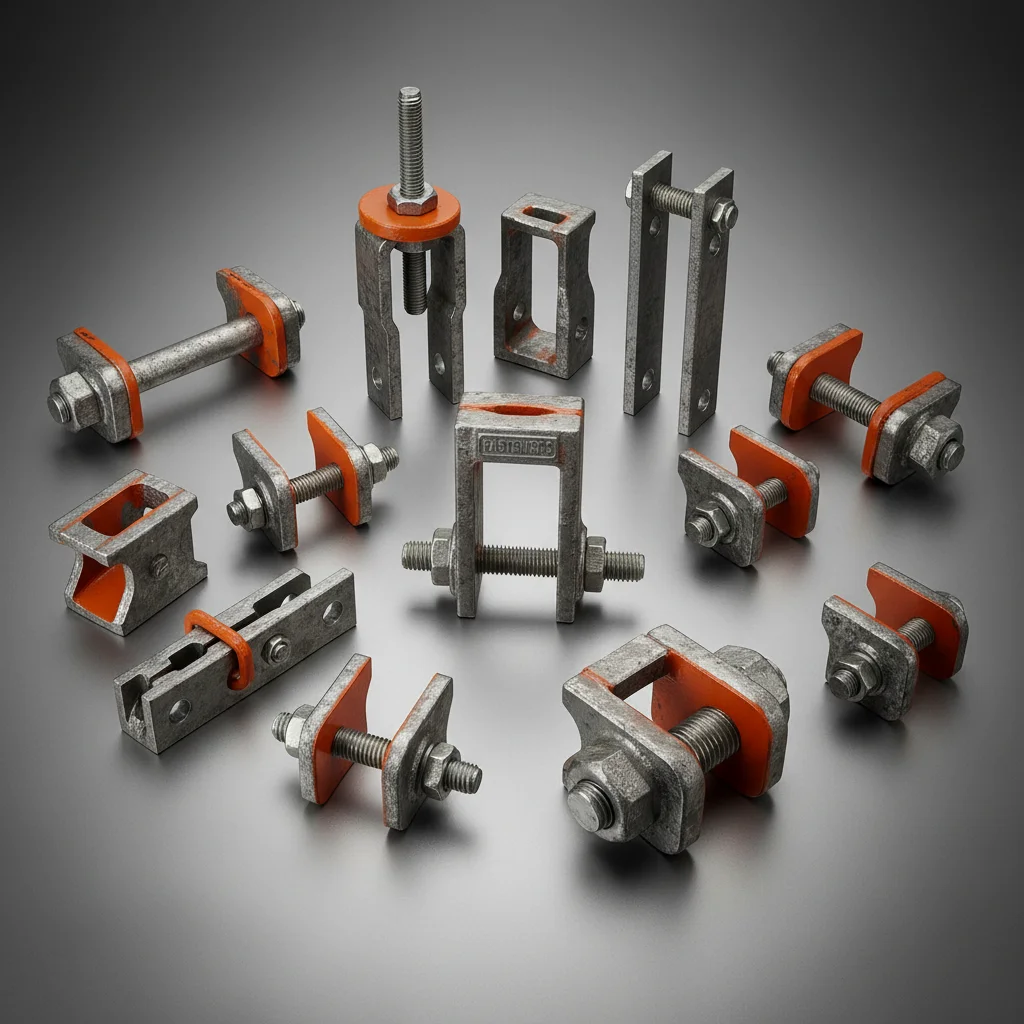
The effectiveness of a split ring pipe hanger stainless steel relies on the synergy between its geometric design and material composition. The primary component is the ring itself, typically forged or stamped from high-grade stainless steel, which provides the necessary tensile strength to hold heavy-wall piping. This is complemented by high-strength bolts and nuts that lock the two halves of the ring together, creating a rigid yet flexible support.
Material selection is the most critical factor for durability. Most split ring pipe hanger stainless steel units are manufactured from Grade 304 for general corrosion resistance or Grade 316 for superior performance in chloride-rich environments. The addition of molybdenum in 316 stainless steel prevents pitting, ensuring that the hanger does not degrade when exposed to saltwater or aggressive industrial cleaners.
Beyond the metal grade, the surface finish of the split ring pipe hanger stainless steel plays a role in its longevity. Electropolishing or passivation treatments are often applied to remove free iron from the surface, further enhancing the protective oxide layer. This meticulous attention to surface chemistry ensures that the hangers remain rust-free even in the most caustic atmospheric conditions.
Technical Performance and Cost Efficiency
When analyzing the performance of a split ring pipe hanger stainless steel, one must look at the balance between initial investment and total cost of ownership (TCO). While stainless steel components have a higher upfront cost than carbon steel, they eliminate the need for repeated painting, coating, or replacement due to rust. This leads to a significant reduction in operational expenditure (OPEX) over a 20-year facility lifespan.
Furthermore, the installation efficiency of the split-ring design reduces the man-hours required for pipe hanging. Because they can be installed "in-situ," there is no need to slide the hangers onto the pipe before the line is assembled. This streamlines the workflow in complex ceiling grids where space is limited, making the split ring pipe hanger stainless steel the most logical choice for high-density industrial installations.
Comparative Performance of Pipe Hanger Materials
Global Applications and Industrial Use Cases
The application of split ring pipe hanger stainless steel spans across diverse geographical regions and industries. In the Middle East's desalination plants, these hangers are critical for supporting brine pipelines that are constantly exposed to high salt concentrations. The resistance of Grade 316 stainless steel ensures that the supports do not succumb to stress corrosion cracking, which is a common failure point in inferior materials.
In North American and European pharmaceutical hubs, the split ring pipe hanger stainless steel is preferred for its "clean" properties. Because it does not flake or rust, it prevents particulate contamination in sterile environments. From food-grade breweries to high-tech semiconductor fabs, the ability to maintain a hygienic overhead environment while providing rock-solid structural support makes these hangers the industry standard for high-specification builds.
Long-Term Value and Sustainability Benefits
Investing in a split ring pipe hanger stainless steel is an exercise in sustainable engineering. Stainless steel is 100% recyclable, meaning that at the end of a facility's life, the hardware can be reclaimed and repurposed without loss of quality. This aligns with the global move toward a circular economy and reduces the carbon footprint associated with the repeated manufacture and transport of replacement carbon-steel parts.
Beyond the ecological impact, there is a profound human element: safety. A failed pipe hanger can lead to catastrophic leaks or pipe bursts, endangering workers and risking millions in property damage. The reliability of the split ring pipe hanger stainless steel provides peace of mind for plant operators, knowing that the infrastructure is anchored by materials that do not degrade invisibly over time.
Furthermore, the trust established by using certified stainless steel hardware enhances the asset value of the building. For property developers and industrial REITs, the presence of high-grade stainless steel supports in the MEP (Mechanical, Electrical, and Plumbing) systems is a signal of quality construction, leading to higher valuation and lower insurance premiums due to the reduced risk of systemic failure.
Future Trends in Stainless Steel Piping Support
The future of the split ring pipe hanger stainless steel is being shaped by advances in material science and digital twin technology. We are seeing the emergence of "smart hangers" that incorporate sensors to monitor pipe vibration and tension in real-time. These sensors, embedded within the stainless steel ring, can alert maintenance teams to potential failures before they occur, shifting the industry from reactive to predictive maintenance.
Additionally, additive manufacturing (3D printing) is beginning to influence the production of specialized hangers. While traditional stamping remains the most cost-effective for standard sizes, 3D printing allows for the creation of custom-geometry split ring pipe hanger stainless steel components for complex aerospace or nuclear applications where every millimeter of space is critical.
As the world transitions toward green hydrogen energy, the requirements for piping supports are evolving. Hydrogen embrittlement is a concern for many metals, but specific stabilized grades of stainless steel are being developed to ensure that the split ring pipe hanger stainless steel remains stable under the unique pressures and temperatures associated with hydrogen transport.
Analysis of Stainless Steel Hanger Grades by Environmental Application
| Material Grade |
Corrosion Resistance |
Typical Environment |
Cost-to-Life Ratio |
| SS304 Split Ring |
High |
Indoor Industrial/Food Grade |
Excellent |
| SS316 Split Ring |
Very High |
Marine/Chemical Plants |
Superior |
| SS316L (Low Carbon) |
Extreme |
Welded Pharmaceutical Lines |
High Value |
| Duplex SS |
Maximum |
Offshore Oil & Gas |
Specialized |
| Galvanized (Ref) |
Low |
Dry Warehouses |
Poor (Long-term) |
| Carbon Steel (Ref) |
Very Low |
Temporary Structures |
Lowest |
FAQS
The primary advantage is the ease of installation on existing piping systems. Because the ring is split into two halves, it can be wrapped around a pipe that is already installed, eliminating the need to slide the hanger over the end of the pipe. Additionally, the stainless steel construction ensures that this convenience doesn't come at the cost of durability, offering far superior corrosion resistance compared to standard steel clamps.
For most indoor industrial and residential applications, Grade 304 is sufficient and more cost-effective. However, if the pipes are located outdoors, near the ocean, or in a facility that uses chlorine or strong acids, Grade 316 is highly recommended. Grade 316 contains molybdenum, which specifically protects against pitting and crevice corrosion in high-salinity environments.
Size selection should be based on the outside diameter (OD) of the pipe, not the nominal pipe size. Ensure there is a slight tolerance to allow for the installation of insulation if required. We recommend consulting a sizing chart or providing the exact OD to your supplier to ensure a snug fit that prevents pipe movement while avoiding excessive compression.
Yes, stainless steel is excellent for high-temperature applications due to its thermal stability. However, it is crucial to ensure the hanger allows for thermal expansion. The split ring design is generally compatible with expansion loops and sliding supports, provided the fastening bolts are tightened to the specified torque to allow for controlled movement without slipping.
They can be used, but caution is required. Because stainless steel is rigid, it can potentially "pinch" or deform softer plastic pipes. For PVC or PEX, we recommend using a split ring pipe hanger stainless steel with a rubber or EPDM liner. This protects the pipe surface and prevents galvanic corrosion or abrasion over time.
In standard industrial environments, an annual visual inspection is usually sufficient. In highly corrosive or high-vibration environments, quarterly checks are recommended. Look for signs of bolt loosening or unusual staining (which could indicate crevice corrosion). Because stainless steel is so durable, most hangers will last the life of the plant if installed correctly.
Conclusion
The split ring pipe hanger stainless steel represents a critical intersection of mechanical efficiency and material science. By providing a versatile, corrosion-resistant, and structurally sound method of pipe suspension, it solves the dual challenge of installation flexibility and long-term durability. From the pharmaceutical labs of Europe to the desalination plants of the Middle East, the reliance on high-grade stainless steel supports ensures that industrial infrastructure remains safe, sustainable, and cost-effective over its entire lifecycle.
As we look toward a future defined by smarter cities and greener energy, the evolution of these components—through the integration of IoT sensors and advanced alloys—will continue to drive industrial reliability. For engineers and procurement officers, prioritizing quality over initial cost when selecting piping supports is a strategic investment in risk mitigation. We invite you to explore our full range of professional fastening solutions to ensure your next project is built to last. Visit our website: www.topfastener.com