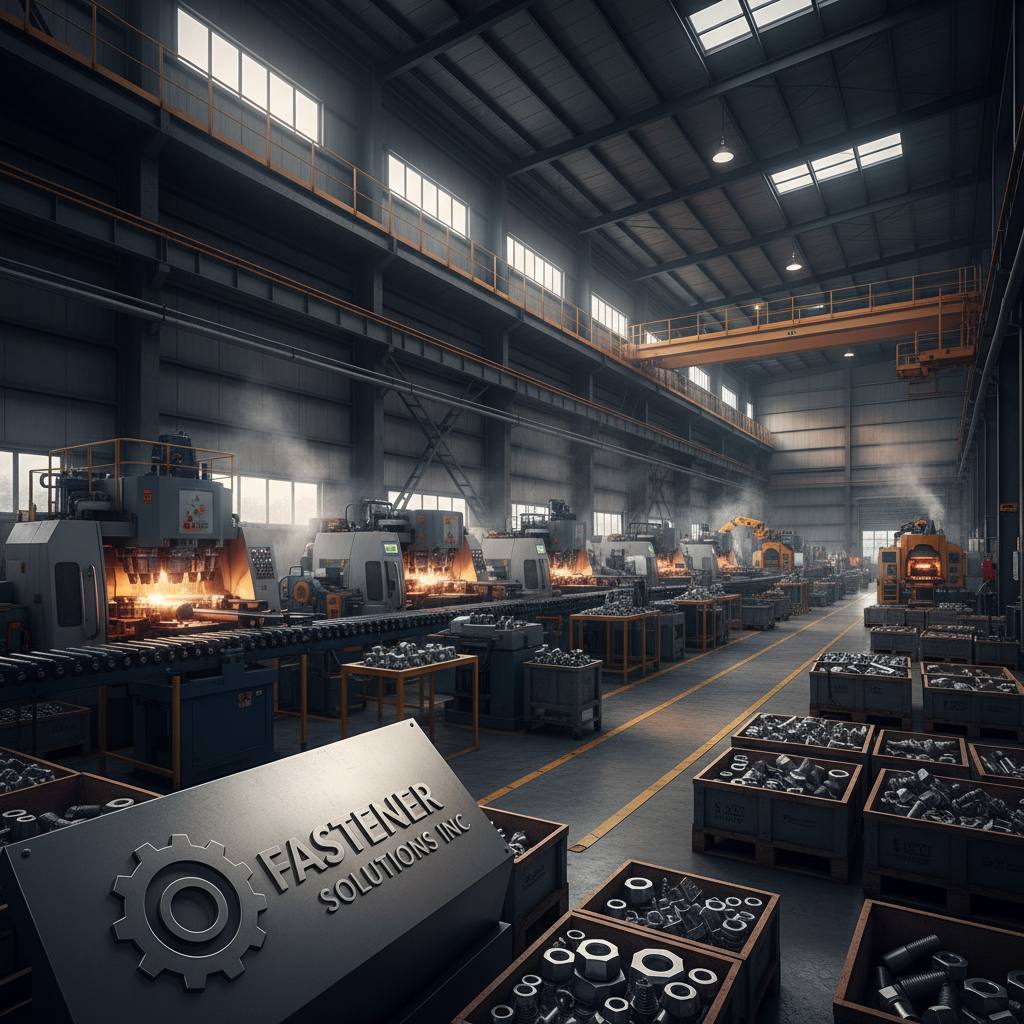
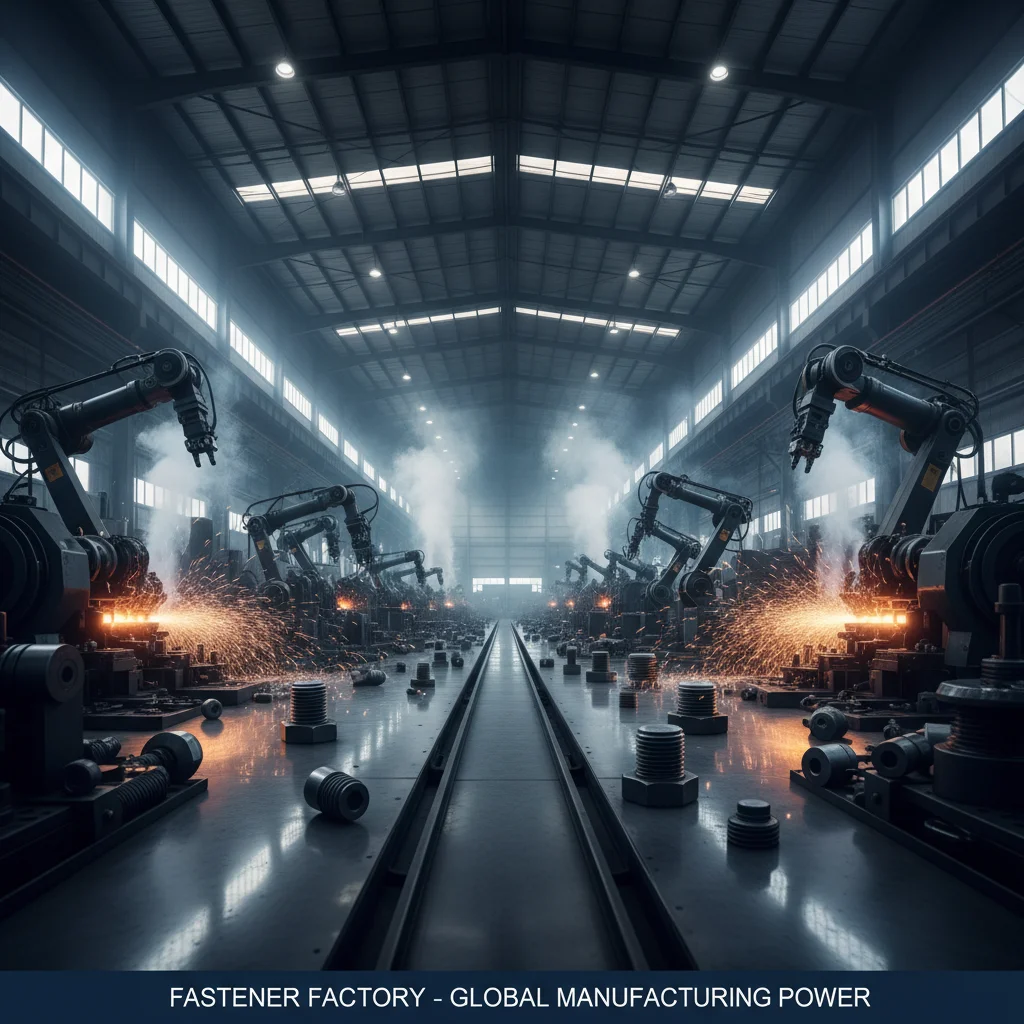
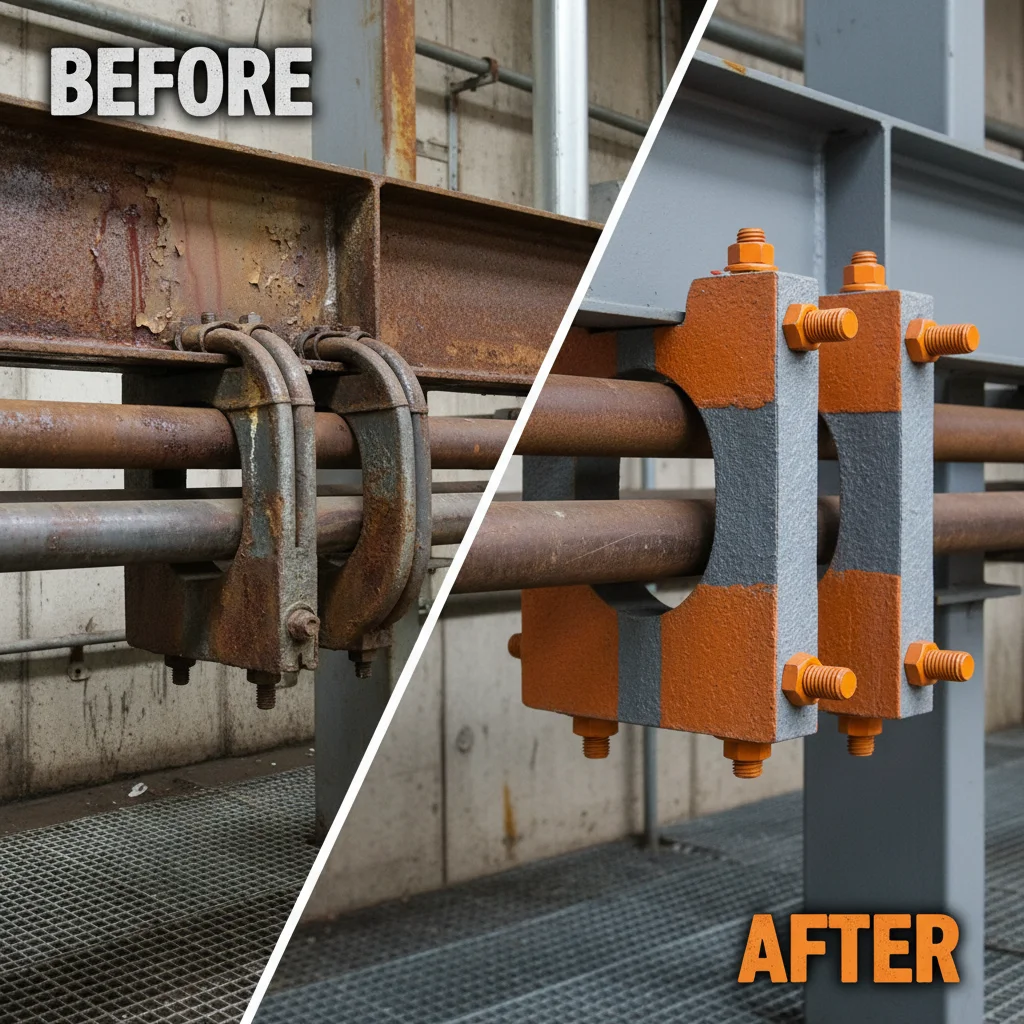
The global demand for reliable and efficient joining solutions drives the importance of the fastener supplier industry. From massive infrastructure projects to the intricate assembly of consumer electronics, fasteners are the unsung heroes that hold our world together. A robust and innovative fastener supplier network is crucial for economic growth, technological advancement, and ensuring the safety and longevity of countless products and structures. Understanding the nuances of this industry – from material science to logistical complexities – is paramount for businesses and engineers alike.
The fastener supplier market is a multi-billion dollar industry, experiencing consistent growth driven by expanding manufacturing sectors in developing economies and increasing demand for specialized fasteners in high-tech applications. According to recent reports, the Asia-Pacific region dominates the market share, fueled by China’s manufacturing powerhouse. However, challenges remain, including supply chain disruptions, fluctuating material costs, and the need for sustainable manufacturing practices. A responsive and resilient fastener supplier is no longer just a vendor; they’re a strategic partner.
A fastener supplier is a company specializing in the manufacturing, distribution, and sales of fasteners – the mechanical components used to join materials together. This encompasses a vast range of products including bolts, screws, nuts, rivets, washers, and specialty fasteners. Beyond simply providing products, modern fastener suppliers often offer value-added services like custom design, material selection assistance, quality control, and logistical support. They play a vital role in enabling modern industry and supporting humanitarian needs through the provision of essential construction and repair materials.
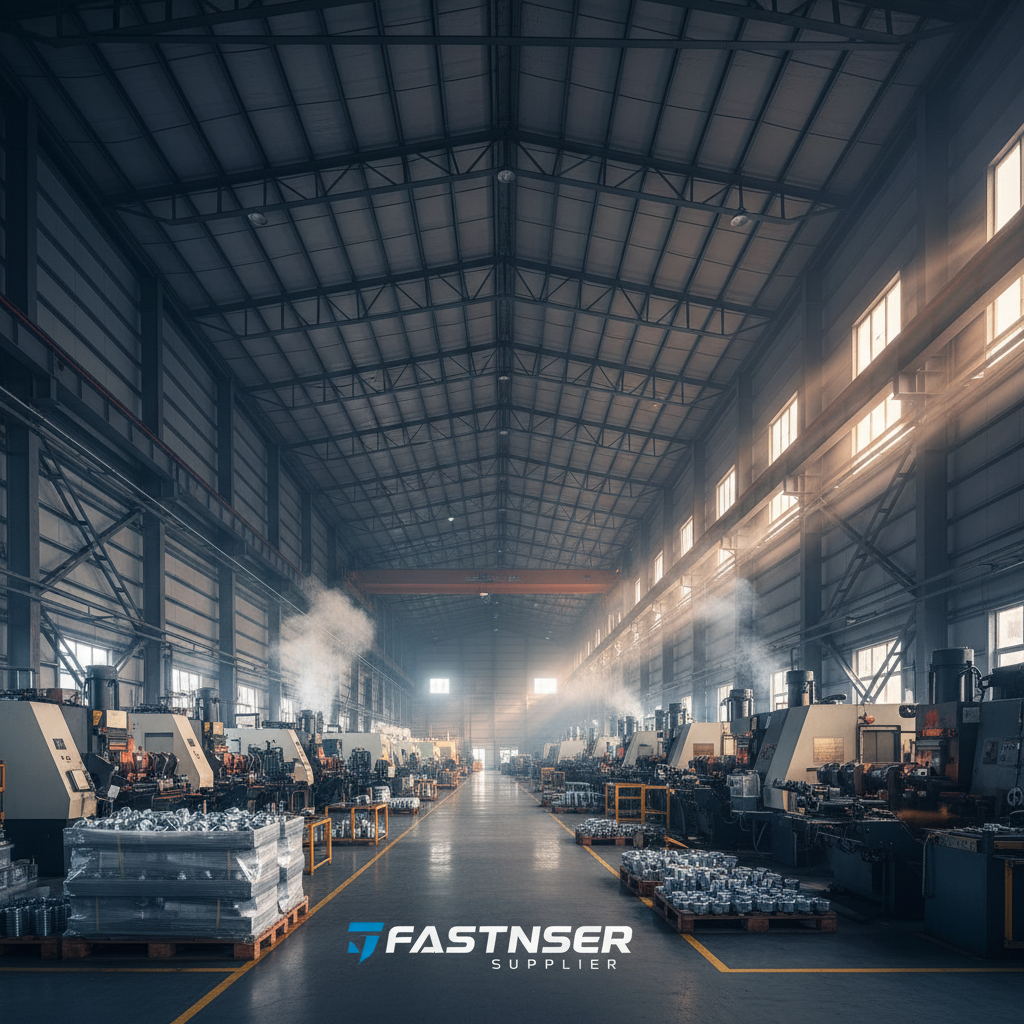
The Importance of Fastener Suppliers
The influence of a dedicated fastener supplier extends far beyond simply providing components. They act as a critical link in the supply chain, ensuring that manufacturers, construction companies, and other industries have access to the right fasteners, at the right time, and at the right price. A reliable fastener supplier understands the intricacies of material science, manufacturing processes, and quality control, and can offer expert guidance to their clients.
Effective fastener supply isn’t just about logistics; it's about building lasting relationships based on trust, reliability, and a shared commitment to quality. A strong fastener supplier will proactively address potential issues, anticipate future needs, and provide innovative solutions to optimize their clients' operations. This partnership approach is increasingly vital in today’s competitive global market.
Defining the Fastener Supplier Role
At its core, a fastener supplier bridges the gap between fastener manufacturers and end-users. However, the modern role extends beyond simple distribution. Many fastener suppliers offer value-added services such as kitting, inventory management, and just-in-time delivery, streamlining the procurement process for their customers. They also often specialize in specific fastener types – such as stainless steel fasteners, high-strength bolts, or aerospace fasteners – offering deep expertise in their chosen niche.
The best fastener suppliers don't just sell products; they offer solutions. They work closely with engineers and designers to understand their specific requirements and recommend the most appropriate fasteners for their applications. This collaborative approach ensures optimal performance, reliability, and cost-effectiveness. The quality of a fastener supplier is directly proportional to the quality and integrity of the final product they support.
Furthermore, a responsible fastener supplier prioritizes quality assurance and compliance with industry standards. They implement rigorous testing procedures and maintain detailed documentation to ensure that their products meet or exceed customer expectations and regulatory requirements. This commitment to quality is essential for preventing failures, ensuring safety, and protecting brand reputation.
Core Components of Effective Fastener Supply
Several key components underpin a truly effective fastener supply operation. Firstly, a broad and diverse product catalog is essential, encompassing a wide range of fastener types, sizes, materials, and finishes. This ensures that the supplier can meet the diverse needs of its customer base. Secondly, robust quality control procedures are paramount, from incoming material inspection to final product testing.
Thirdly, efficient logistics and inventory management are critical for ensuring timely delivery and minimizing lead times. This often involves leveraging advanced technologies such as warehouse management systems (WMS) and transportation management systems (TMS). Fourthly, technical expertise and customer support are vital for providing guidance on fastener selection, application, and problem-solving. A skilled team of engineers and sales professionals can make a significant difference.
Finally, a commitment to sustainability and ethical sourcing is increasingly important. Customers are demanding that their suppliers operate responsibly and minimize their environmental impact. This includes using recycled materials, reducing waste, and ensuring fair labor practices.
Global Applications and Industry Impact
Fastener suppliers touch virtually every industry. In the construction sector, they provide the critical components needed to build bridges, skyscrapers, and homes. In the automotive industry, fasteners are essential for assembling vehicles and ensuring their structural integrity. Aerospace relies heavily on specialized, high-strength fasteners to maintain the safety and reliability of aircraft.
Manufacturing, electronics, and even medical device industries all depend on a consistent supply of high-quality fasteners. In post-disaster relief operations, rapid deployment of fasteners is crucial for rebuilding infrastructure and providing emergency shelter. Furthermore, remote industrial zones, such as mining operations or offshore platforms, rely on dependable fastener suppliers to keep their equipment running smoothly.
The global economic impact of the fastener supplier industry is substantial. It supports countless jobs, drives innovation in materials science, and enables the production of goods and services that underpin modern life. As emerging economies continue to develop, the demand for fasteners will only continue to grow, making a reliable and innovative fastener supplier network more critical than ever.
Fastener Supplier Performance Metrics
Advantages of Partnering with a Robust Supplier
Choosing the right fastener supplier delivers tangible benefits beyond simply obtaining components. Reduced procurement costs are a direct result of competitive pricing, efficient logistics, and minimized waste. Improved product quality and reliability translate to fewer failures, reduced warranty claims, and enhanced customer satisfaction.
A strong fastener supplier also contributes to increased efficiency in your operations. Streamlined procurement processes, just-in-time delivery, and technical support free up your resources to focus on core competencies. Furthermore, partnering with a supplier committed to sustainability demonstrates a commitment to corporate social responsibility and enhances your brand image.
Future Trends in the Fastener Industry
The fastener industry is undergoing a period of rapid innovation, driven by advancements in materials science, manufacturing technologies, and digital transformation. The increasing adoption of Industry 4.0 principles, such as automation and data analytics, is enabling fastener suppliers to optimize their operations and offer more personalized services.
The demand for lightweight materials, such as titanium and composite fasteners, is growing rapidly, particularly in the aerospace and automotive industries. Sustainable manufacturing practices, including the use of recycled materials and the reduction of carbon emissions, are also becoming increasingly important. The rise of additive manufacturing (3D printing) is opening up new possibilities for creating customized fasteners with complex geometries.
Addressing Challenges in Fastener Procurement
Despite the advancements in the fastener industry, several challenges remain. Supply chain disruptions, driven by geopolitical instability and natural disasters, pose a significant risk. Fluctuating material costs, particularly for metals, can impact pricing and profitability. Ensuring consistent quality and compliance with evolving industry standards requires ongoing vigilance.
To overcome these challenges, businesses should diversify their supplier base, build strong relationships with key partners, and invest in technology to improve visibility and control over their supply chains. Implementing robust quality control procedures and adopting sustainable sourcing practices are also essential. A proactive and strategic approach to fastener procurement is critical for mitigating risk and ensuring long-term success.
Furthermore, embracing digital solutions – such as e-procurement platforms and supplier relationship management (SRM) systems – can streamline processes, improve communication, and enhance collaboration with fastener suppliers.
Summary of Key Fastener Supplier Challenges & Mitigation Strategies
| Challenge |
Impact Area |
Mitigation Strategy |
Priority (1-5, 5=Highest) |
| Supply Chain Disruptions |
Production Delays |
Diversify Supplier Base |
5 |
| Material Cost Volatility |
Profit Margins |
Long-Term Contracts & Hedging |
4 |
| Quality Control Issues |
Product Reliability |
Rigorous Inspection Procedures |
5 |
| Lack of Transparency |
Supply Chain Visibility |
Implement SRM Systems |
3 |
| Sustainability Concerns |
Brand Reputation |
Prioritize Ethical Sourcing |
4 |
| Slow Lead Times |
Production Efficiency |
Optimize Logistics & Inventory |
3 |
FAQS
When choosing a fastener supplier, prioritize factors like product range, quality certifications (ISO 9001, etc.), lead times, pricing, technical support, and their ability to meet your specific volume requirements. A supplier with strong inventory management and a commitment to customer service is also crucial. Don’t hesitate to request samples and conduct thorough quality checks before committing to a long-term partnership. Assess their financial stability and supply chain resilience to minimize disruptions.
A good fastener supplier can reduce costs through competitive pricing, volume discounts, optimized logistics, and value-added services like kitting and just-in-time delivery. They can also advise on material selection, suggesting cost-effective alternatives without compromising quality. Streamlining your procurement process with a reliable supplier minimizes administrative overhead and reduces the risk of costly delays or errors. Efficient inventory management practices also contribute to significant cost savings.
Using a local fastener supplier offers advantages like shorter lead times, reduced shipping costs, and easier communication. Local suppliers often provide quicker response times and more personalized service. This proximity can also facilitate site visits and collaborative problem-solving. Supporting a local supplier contributes to the local economy and can foster stronger, more resilient supply chains. However, it’s essential to ensure they meet your quality and price requirements.
Certifications are extremely important! ISO 9001 certification demonstrates a supplier’s commitment to quality management systems. Other relevant certifications include IATF 16949 (for automotive), AS9100 (for aerospace), and specific material certifications. These certifications provide assurance that the supplier has implemented robust processes for quality control, traceability, and continuous improvement. Always verify the validity of certifications and request documentation as needed.
Sustainability is increasingly critical. Customers are demanding ethically sourced materials, reduced waste, and lower carbon emissions. A responsible fastener supplier will prioritize sustainable manufacturing practices, use recycled materials when possible, and implement eco-friendly packaging. Transparency in the supply chain and a commitment to environmental stewardship are key indicators of a sustainable supplier. Choosing a sustainable supplier can enhance your brand reputation and contribute to a more environmentally responsible industry.
Effective quality control starts with incoming material inspection to verify compliance with specifications. Suppliers should utilize advanced testing equipment and employ qualified personnel. Processes like dimensional inspection, material analysis, and coating thickness testing are essential. Robust documentation and traceability are crucial for identifying and resolving any quality issues. Regular audits and continuous improvement initiatives demonstrate a commitment to maintaining high quality standards.
Conclusion
In conclusion, the fastener supplier industry is a foundational element of modern manufacturing, construction, and countless other sectors. A reliable and innovative fastener supplier is not merely a vendor but a strategic partner, providing crucial components, technical expertise, and logistical support. Prioritizing quality, sustainability, and long-term relationships are essential for building a resilient and efficient supply chain.
Looking ahead, the fastener industry will continue to evolve, driven by advancements in materials science, digital technologies, and a growing focus on sustainability. By embracing these trends and proactively addressing the challenges, businesses can unlock new opportunities for innovation, efficiency, and growth. For all your fastener needs, visit our website: www.topfastener.com.