Navigating the Landscape of High Quality stainless steel fasteners manufacturers
  • Home
  • Top Blog
  • Navigating the Landscape of High Quality stainless steel fasteners manufacturers
0%

Table of Contents

You know, after running around construction sites all year, you start to see patterns. Lately, everyone's talking about using more high-strength, lightweight materials. It’s not just hype, either. Labor costs are going up, and everyone wants to build faster, with less effort. But lightweight doesn’t always mean better. To be honest, I’ve seen too many projects cut corners, and then you end up with something that looks good on paper but fails spectacularly in the real world.

Have you noticed how everyone's obsessed with corrosion resistance now? It used to be, "get it done cheap," but now everyone’s worried about lifespan, especially in coastal areas. It makes sense, of course. Replacing things is expensive, but you’d be surprised how often people still skimp on the little things. That's where the stainless steel fasteners manufacturers really come into play.

And it’s not just about corrosion. It’s about everything holding together under stress. I remember being at a factory in Dongguan last time, and they were showing off these fancy new alloy bolts. Looked great, all shiny and new. But the head was too soft, stripping every time you tried to torque it down. A complete waste of money.
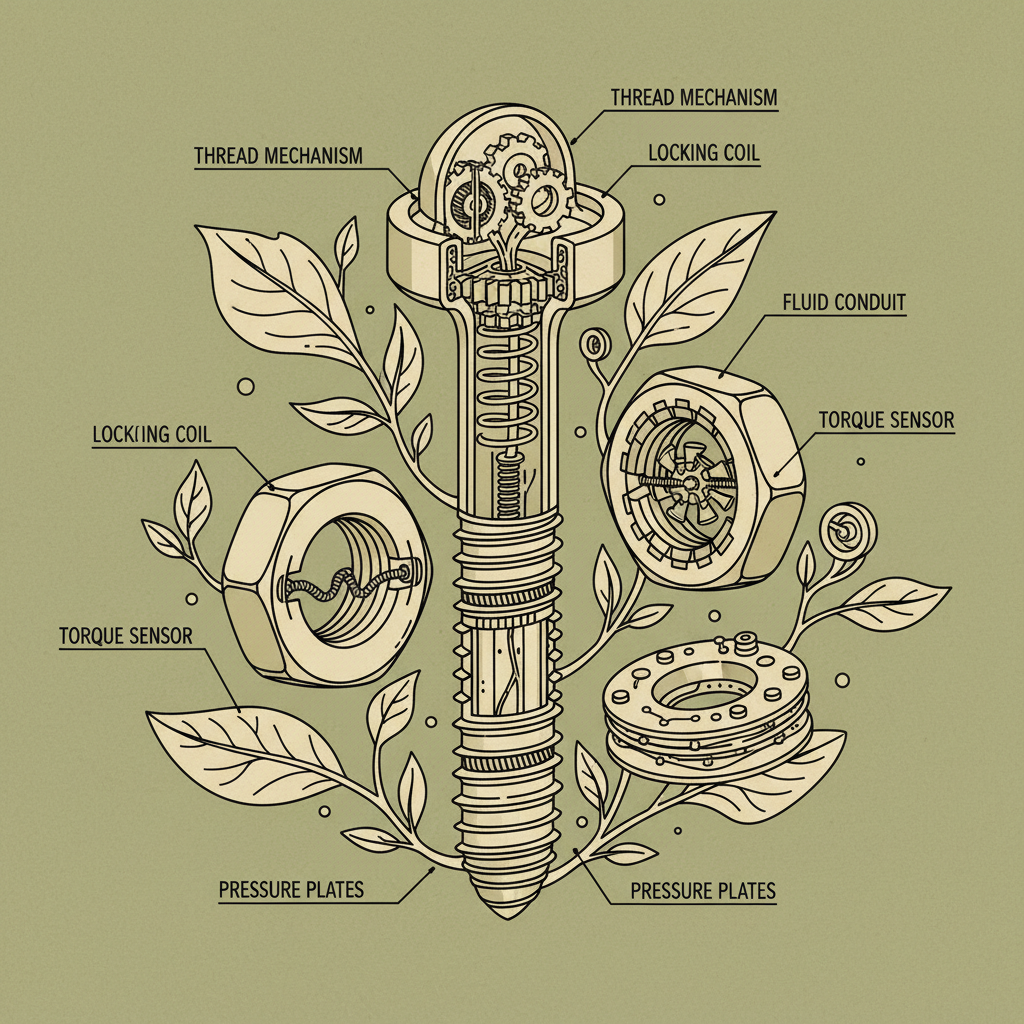
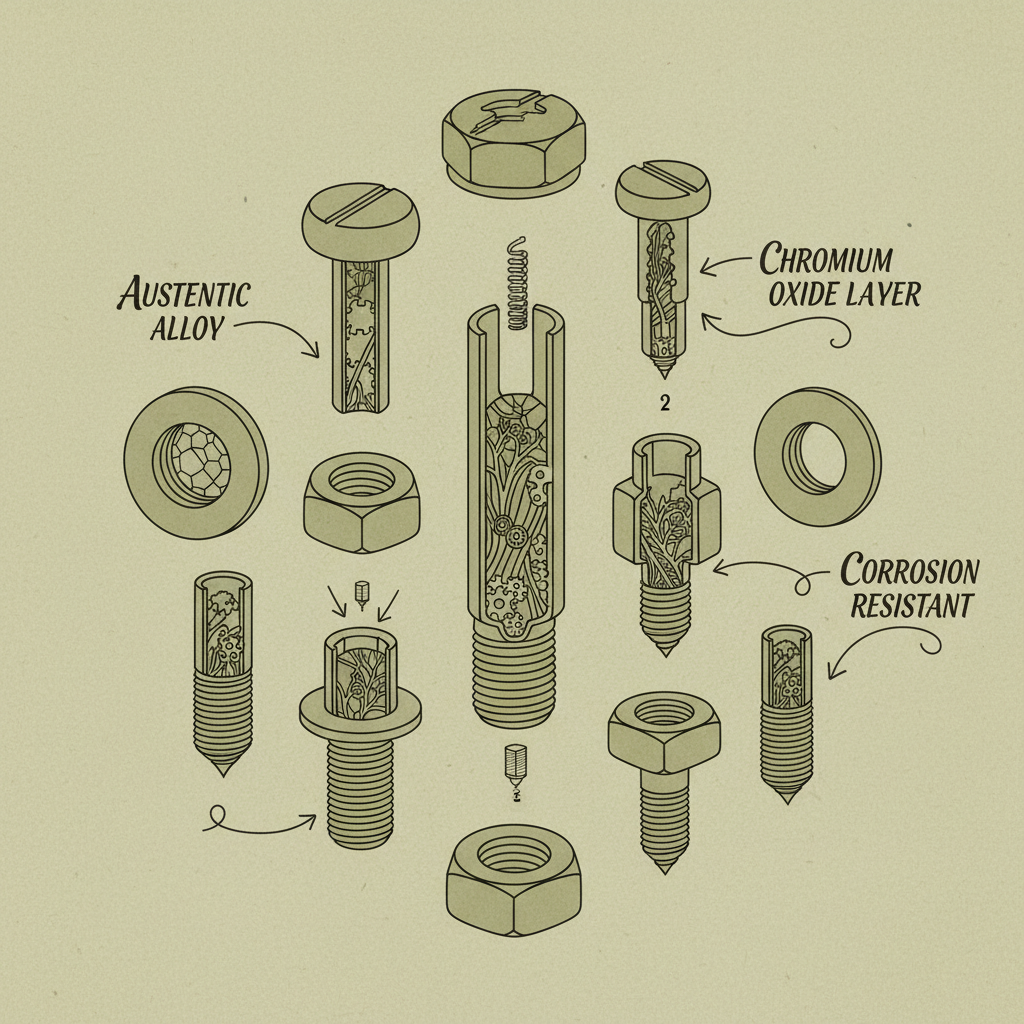
stainless steel fasteners manufacturers

The Current Landscape of stainless steel fasteners manufacturers

stainless steel fasteners manufacturers

The demand for stainless steel fasteners manufacturers is booming, no doubt. Everyone wants durability, corrosion resistance, and a finish that doesn't look terrible. But the market’s getting flooded with cheaper imports, and frankly, a lot of it’s garbage. I’ve seen stainless steel fasteners that rust. Seriously! And it’s not just the material; it’s the manufacturing process. A bad thread job can ruin an entire batch. Strangely, the guys who are really winning are the ones focusing on quality control and traceability. Knowing where your stuff comes from is becoming huge.

The whole supply chain is complex, too. You've got your raw material suppliers, the fastener manufacturers, the distributors... it’s a lot to keep track of. That’s why working with reliable stainless steel fasteners manufacturers is crucial. You need someone who stands behind their product, and isn't just trying to make a quick buck.

Common Pitfalls in Stainless Steel Fastener Design

You wouldn’t believe how often I see engineers overlooking simple things. Like, choosing the wrong grade of stainless steel for the application. 304 is great for general use, but if you’re dealing with saltwater, you need 316. And don't even get me started on galvanic corrosion. Mixing different metals can create a real headache.

Another common mistake is underestimating the load requirements. People get caught up in the tensile strength numbers, but they forget about shear stress and fatigue. Fasteners are often the weakest link in a structure, and if they fail, everything comes crashing down. Literally.

And then there's the issue of thread engagement. You need enough threads to properly distribute the load. Too few threads, and you’re relying on a tiny surface area to hold everything together. A recipe for disaster, really.

Material Deep Dive: What We're Actually Using

We mostly work with 304 and 316 stainless steel, naturally. 304 smells… well, kind of metallic, doesn't have a strong odor. You can tell a good 304 by the feel – it’s smooth, solid. 316 has a little more molybdenum in it, which gives it better corrosion resistance, especially in chloride environments. It feels a bit heavier, slightly different texture.

There's also Duplex stainless steel, which is becoming more popular. It's stronger than 304 and 316, and it’s more resistant to stress corrosion cracking. But it’s also more expensive and harder to work with. You need specialized tools to cut and thread it. I encountered this at a big oil refinery project – the engineers were adamant about using Duplex, but the welders were having a nightmare.

And let's not forget about the coatings. Sometimes, you need an extra layer of protection. Zinc-nickel plating is pretty common, as is PTFE coating. It depends on the application, of course. For something that’s going to be exposed to harsh chemicals, you need a really robust coating.

Real-World Testing: Beyond the Lab

Lab tests are fine, but they don’t tell the whole story. I've seen fasteners pass all the lab tests and still fail miserably in the field. You need to simulate real-world conditions. We do a lot of salt spray testing, of course, but we also do things like vibration testing, impact testing, and thermal cycling.

We also like to take stuff to the job site and just… abuse it. Drop it, bang it, leave it out in the rain. If it can’t survive that, it’s not going to survive a real construction project. Anyway, I think that's the most honest way to assess performance.

Stainless Steel Fasteners Manufacturers Performance Comparison

How Users Really Use Stainless Steel Fasteners

This is where things get interesting. You design a fastener to be used in a specific way, but then you go to the job site, and people are using it for something completely different. I once saw a guy using a stainless steel bolt to hang a picture frame. A picture frame!

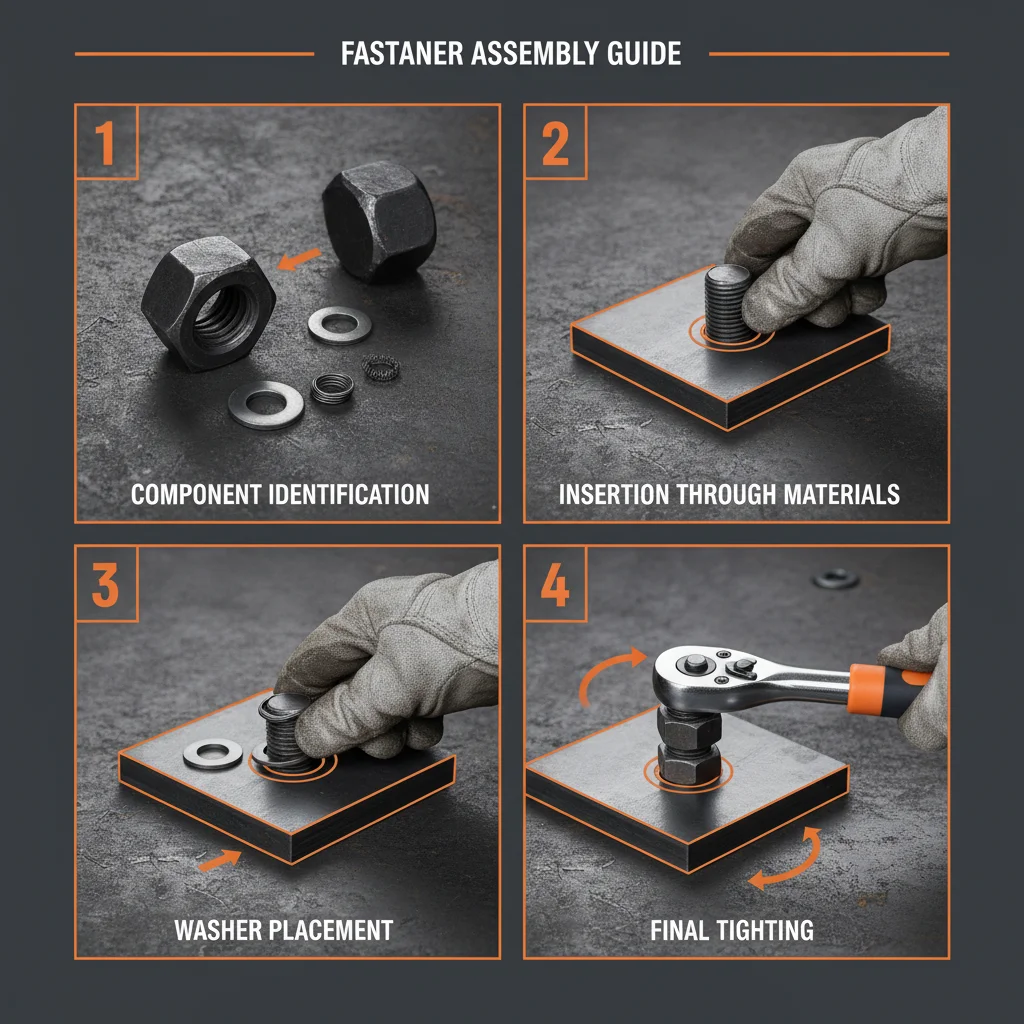
And a lot of guys just overtighten everything. They think if they crank it down hard enough, it’ll never come loose. Wrong. You strip the threads, and then you’re really in trouble. That's why proper torque wrenches are essential. But getting workers to actually use them? That's a whole other battle.

Advantages, Disadvantages, and Customization Options

The big advantage of stainless steel, obviously, is corrosion resistance. It's also strong, durable, and looks good. But it’s expensive. Significantly more expensive than carbon steel. And it's not always the best choice. If you're not worried about corrosion, carbon steel is often a better option. Cheaper, stronger, easier to work with.


As for customization, we do a lot of it. Different lengths, diameters, head styles, thread types… you name it. Last month, that small boss in Shenzhen who makes smart home devices insisted on changing the interface to on a batch of screws – a total pain to tool up for, but he was convinced it would give his products a premium feel. He ended up having to re-design half his assembly line because of it. Later… Forget it, I won't mention it.

A Customer Story: The Interface Debacle

So, this guy, Mr. Li, runs a small factory making these fancy smart home gadgets. He’s a real stickler for details. He decided he wanted the screws on his devices to have a interface. Not for charging, mind you – just for the look of it. He thought it would make them seem more modern.

We tried to explain to him that it wasn’t practical, that it would significantly increase the cost and complexity of manufacturing. But he wouldn’t listen. He insisted on it. So, we had to re-tool our machines, source new materials, and basically start from scratch. The result? The screws were beautiful, but they were a nightmare to install. And the production rate plummeted.

Eventually, he came around and admitted it was a mistake. He switched back to a standard screw design, and production went back to normal. It was a costly lesson, but it taught us that sometimes, the best solution is the simplest one.

Summary of Key Stainless Steel Fastener Material Attributes

Material Grade Corrosion Resistance Tensile Strength (MPa) Cost (Relative)
304 Good 490-790 Medium
316 Excellent 580-860 High
Duplex 2205 Superior 700-930 Very High
410 Fair 480-690 Low
316L Excellent 570-830 High
A4 Superior 750-1000 Very High

FAQS

What's the biggest mistake people make when choosing stainless steel fasteners?

Honestly, it's not understanding the environment. People think "stainless steel" means it can handle anything. But saltwater, certain chemicals, even prolonged exposure to some types of dirt can cause corrosion. You have to know what the fastener will be exposed to and choose the right grade accordingly. Ignoring that is asking for trouble. It's like building a house without a foundation.

How important is thread quality?

Hugely important. A poorly cut thread is a weak point. It can strip easily, and it won’t properly distribute the load. We have very strict quality control procedures in place to ensure our threads are consistently accurate and durable. It's a detail that often gets overlooked, but it can make or break a project. A bad thread can compromise the whole structure.

Are there any alternatives to stainless steel for corrosion resistance?

Sure, there are. Galvanized steel is a common alternative, but it doesn't have the same level of corrosion resistance as stainless steel, especially in harsh environments. There's also titanium, but that's incredibly expensive. And some coatings can provide extra protection, but they're not always a long-term solution. It really depends on your budget and the specific application.

What's the deal with passivated stainless steel?

Passivation is a chemical treatment that removes free iron from the surface of the stainless steel. This creates a protective oxide layer that enhances corrosion resistance. It's a pretty important step in the manufacturing process. Without passivation, the fastener is more susceptible to rust. It’s like giving it an extra shield against the elements.

Can you customize fasteners with unique markings or logos?

Absolutely. We can laser etch or stamp logos, part numbers, or any other markings onto the fastener head. It's a popular option for companies that want to brand their products or track inventory. Just be aware that it can add to the cost and lead time. But hey, if it’s important to you, we can make it happen.

What's the best way to store stainless steel fasteners to prevent corrosion before use?

Keep them dry and clean. Store them in a sealed container, preferably with a desiccant to absorb any moisture. And avoid storing them near other metals that could cause galvanic corrosion. It seems simple, but a little bit of prevention can save you a lot of headaches down the road. Simple stuff, but people forget.

Conclusion

So, where does all this leave us? Stainless steel fasteners manufacturers aren’t just about screws and bolts. They're about ensuring structural integrity, preventing costly failures, and building things that last. It’s about understanding the materials, the environment, and the application. It’s about attention to detail. Ultimately, it’s about providing a reliable connection where failure isn't an option.

And look, I’ve been doing this a long time, and I’ve seen a lot of things come and go. But one thing remains constant: the worker who’s actually tightening the screw will know immediately if something’s wrong. That’s the final test. So, if you’re going to spend the money on stainless steel, make sure you’re getting the right product from a reliable source. Visit our website: www.topfastener.com

Michael Harrison

Michael Harrison

Michael Harrison is a Factory Manager overseeing a large-scale manufacturing facility producing automotive components. He’s been focused on optimizing production efficiency and reducing maintenance costs. Michael was facing challenges with the consistent failure of fasteners on his automated assembly lines, resulting in significant production delays. After implementing Guanbiao's high-durability fasteners, he saw a dramatic reduction in downtime and maintenance requirements. He appreciates the consistent quality and reliable performance of Guanbiao’s products. Michael is a Six Sigma Black Belt and actively promotes continuous improvement initiatives within his organization. He frequently provides feedback to Guanbiao on product performance and potential areas for enhancement.
Previous Choosing the Right Fasteners and Reliable Fastener Suppliers for Construction Projects
Next Expert Insights on ss fasteners manufacturers Quality Selection and Performance
Get Your Custom Construction Brackets Today!
Fill out the form below, and our team will help you choose the perfect construction bracket for your project.

If you are interested in our products, you can choose to leave your information here, and we will be in touch with you shortly.