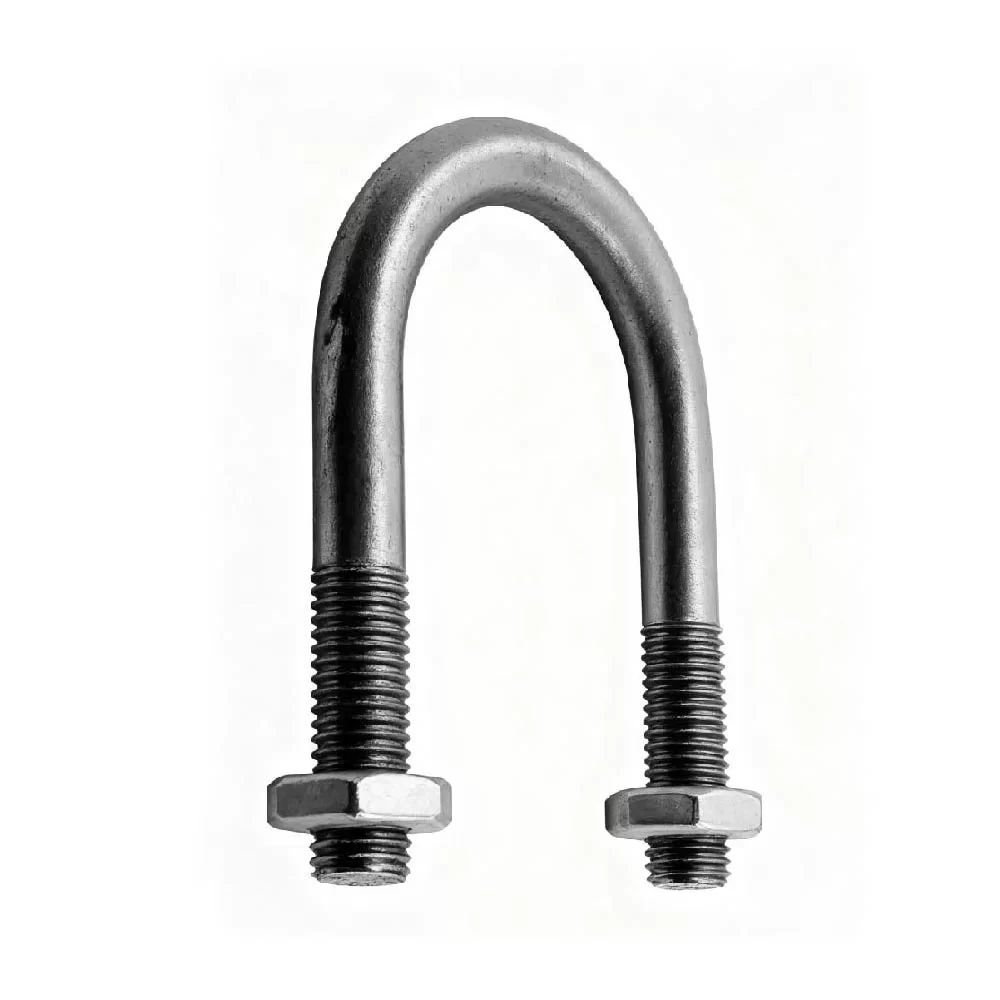
Comprehensive Guide to Clamps for Sale and Industrial Fastening Solutions
  • Home
  • Top Blog
  • Comprehensive Guide to Clamps for Sale and Industrial Fastening Solutions
0%

Table of Contents

The demand for robust and reliable fastening solutions, specifically clamps for sale, is a globally significant issue impacting industries ranging from construction and manufacturing to automotive and aerospace. Efficient clamping systems are fundamental to ensuring structural integrity, operational safety, and overall productivity. As infrastructure development continues worldwide, and advanced manufacturing processes become increasingly prevalent, the need for high-quality, diverse, and readily available clamps for sale grows exponentially. Understanding the nuances of these critical components is vital for professionals across multiple sectors.

The global clamps market is experiencing sustained growth, driven by factors such as increased industrialization in emerging economies, a growing focus on preventative maintenance in established markets, and advancements in materials and design. According to market research reports, the global clamping solutions market is projected to reach billions of dollars in the coming years. This growth signifies the indispensable role clamps for sale play in modern industry and their potential for continued innovation. Addressing challenges such as supply chain disruptions, material costs, and evolving industry standards is paramount.

Essentially, clamps for sale are mechanical fasteners used to securely hold materials together. Beyond simply joining parts, they provide essential functionality in controlling movement, absorbing vibrations, and maintaining precise alignment. From simple hose clamps to complex industrial locking mechanisms, these components are integral to numerous applications, ensuring the safe and efficient operation of critical systems. This fundamental role underscores their importance in both everyday life and specialized industrial settings.
clamps for sale

The Significance of Clamps for Sale

clamps for sale

The availability of reliable clamps for sale directly impacts the efficiency and safety of countless operations. Whether it’s ensuring a secure pipeline connection, holding a component during machining, or stabilizing a structure during construction, the right clamp is crucial. A poorly selected or malfunctioning clamp can lead to costly delays, equipment damage, and even safety hazards. Therefore, access to a wide range of quality clamps for sale is paramount for industries worldwide.

The significance extends beyond immediate functionality; the choice of clamp influences long-term maintenance costs and overall system reliability. Investing in high-quality clamps reduces the frequency of replacements, minimizes downtime, and improves the longevity of connected equipment. This cost-effectiveness, coupled with increased safety, makes procuring suitable clamps for sale a strategic investment for any organization.

Understanding Clamps: A Global Perspective

The global demand for clamps for sale is intricately linked to the overall health of the manufacturing, construction, and infrastructure sectors. Rapid industrialization in countries like China, India, and Brazil has fueled significant growth in the clamping solutions market. These regions require substantial quantities of various clamps to support their expanding infrastructure projects and manufacturing capabilities. Simultaneously, developed economies continue to rely heavily on clamps for sale for maintenance, repair, and operational needs.

International standards, such as those set by the ISO, play a critical role in ensuring the quality and reliability of clamps for sale. Adherence to these standards facilitates seamless trade and promotes confidence in product performance. Furthermore, regulations concerning safety and environmental impact are increasingly influencing clamp design and manufacturing processes. Suppliers must demonstrate compliance with these regulations to access key global markets.

Supply chains for clamps for sale are often complex, involving raw material sourcing, manufacturing, distribution, and final delivery. Recent global events have highlighted the vulnerability of these supply chains, underscoring the importance of diversification and robust risk management strategies for both manufacturers and end-users.

Core Characteristics of Quality Clamps

Several key characteristics define a high-quality clamp. First and foremost is material composition. Clamps are typically manufactured from materials like carbon steel, stainless steel, aluminum, and plastics, each offering different levels of strength, corrosion resistance, and temperature tolerance. The appropriate material selection depends heavily on the intended application and environmental conditions. Durability is another crucial factor; quality clamps for sale should withstand repeated use and resist wear and tear.

Precision engineering is essential for ensuring consistent clamping force and proper alignment. Clamps with poorly designed or manufactured threads, levers, or locking mechanisms may fail to provide adequate security. Moreover, the finish of the clamp contributes to its longevity and resistance to corrosion. Coatings like zinc plating, powder coating, or passivation enhance the clamp’s protective properties.

Finally, compliance with relevant industry standards and certifications is a hallmark of quality. Look for clamps for sale that meet or exceed applicable ISO, ASTM, or DIN specifications, providing assurance of performance and safety. A reputable supplier will readily provide documentation verifying compliance.

Key Performance Indicators for Clamps

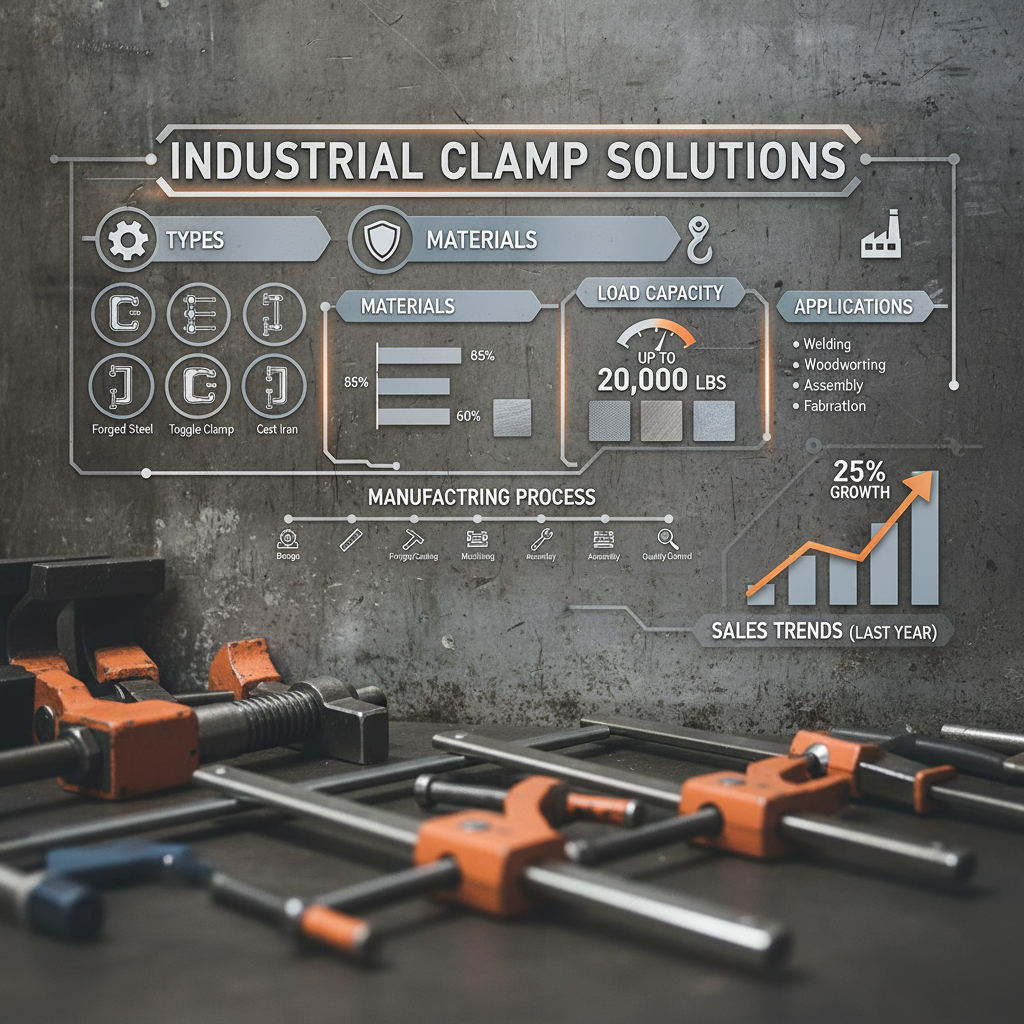
Evaluating the performance of clamps for sale requires considering several key performance indicators (KPIs). Clamping Force, measured in pounds or Newtons, represents the pressure applied to secure the materials. A higher clamping force generally indicates a more secure hold. Load Capacity defines the maximum weight or stress the clamp can withstand without failure, a critical factor for structural applications.

Corrosion Resistance, assessed through salt spray testing or similar methods, indicates the clamp's ability to withstand exposure to corrosive environments. Fatigue Strength measures the clamp’s resistance to repeated stress cycles, important for applications involving vibration or dynamic loads. Operational Temperature Range specifies the temperature limits within which the clamp can maintain its performance characteristics.

Clamp Performance KPIs

Global Applications of Clamping Solutions

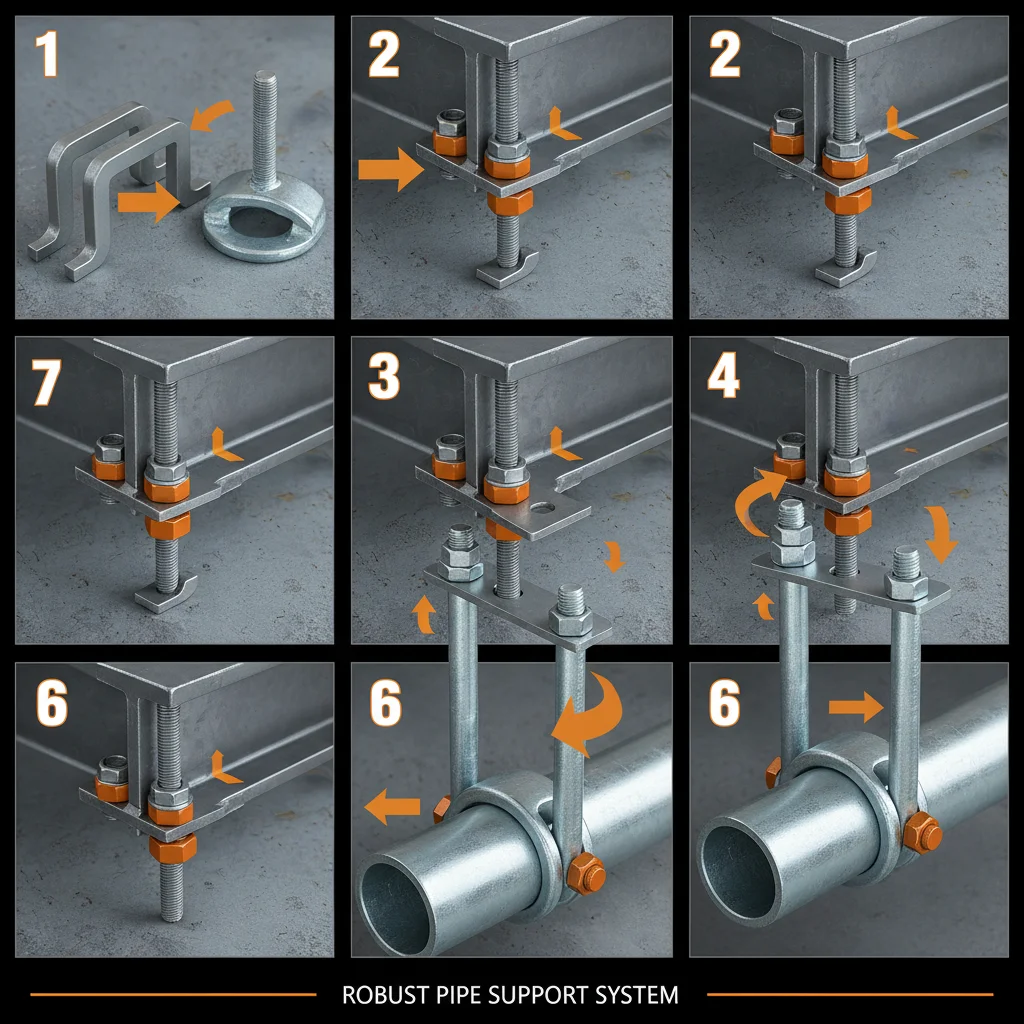
The applications of clamps for sale are incredibly diverse. In the construction industry, they secure scaffolding, support formwork, and connect structural elements. Manufacturing relies heavily on clamps for workholding during machining, welding, and assembly processes. The automotive sector utilizes clamps extensively in exhaust systems, fuel lines, and engine components.

The oil and gas industry employs specialized clamps to secure pipelines and offshore structures, demanding high corrosion resistance and durability. In the aerospace industry, precision clamps ensure the integrity of critical aircraft components. Furthermore, clamps for sale are essential in plumbing, HVAC systems, electrical installations, and even household applications.

Benefits and Value Proposition of Clamps

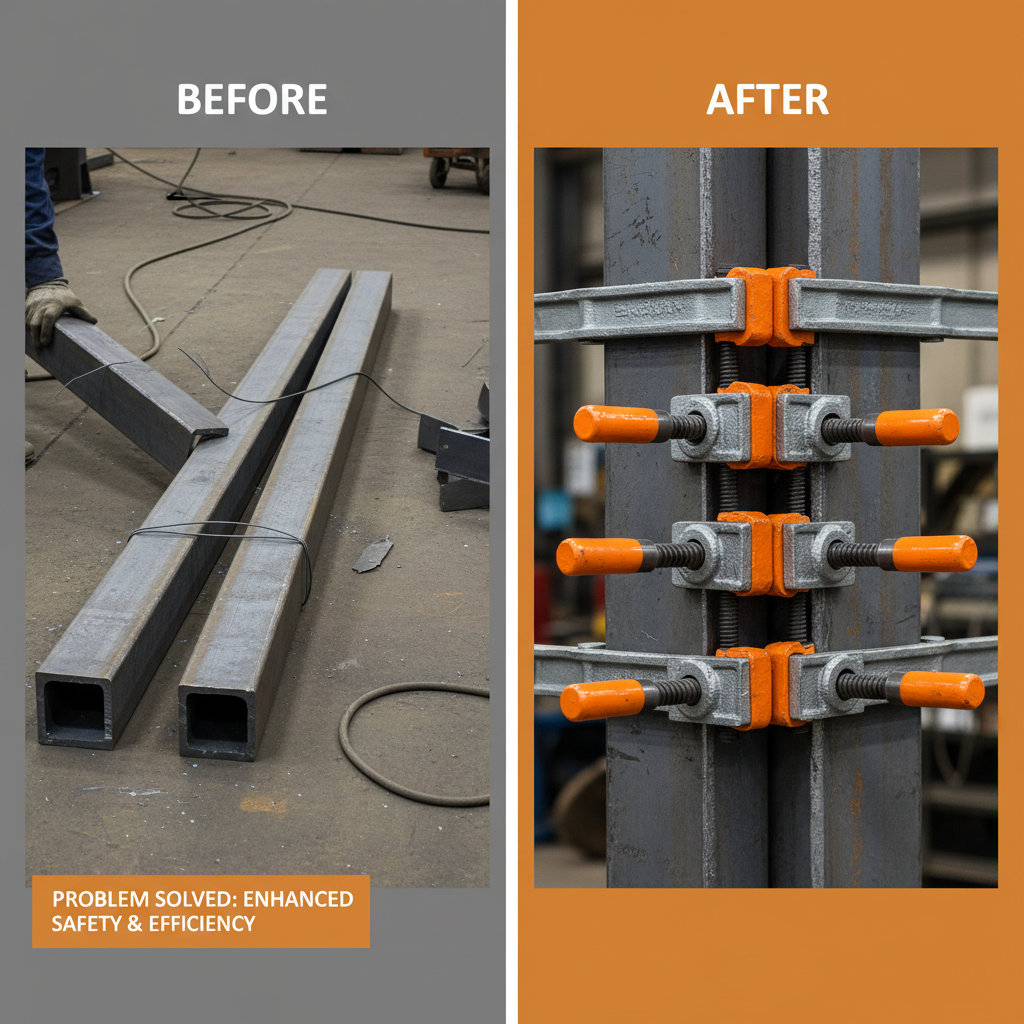
Investing in high-quality clamps for sale delivers substantial benefits. Reduced downtime due to reliable performance translates to increased productivity and cost savings. Enhanced safety, stemming from secure connections, minimizes the risk of accidents and injuries. Improved product quality, resulting from precise workholding, leads to fewer defects and higher customer satisfaction.

Furthermore, selecting the appropriate clamp material can contribute to long-term sustainability by reducing the need for frequent replacements. A strategic procurement strategy focused on quality and durability builds trust with customers and stakeholders. The peace of mind knowing your operations are secured by dependable clamping solutions is an invaluable asset.

Beyond purely functional benefits, proper clamping solutions foster a culture of safety and reliability within organizations, boosting employee morale and confidence. This creates a positive ripple effect throughout the entire operational process.

Future Trends and Innovations in Clamp Technology

The future of clamps for sale is marked by several key trends. Smart clamps, incorporating sensors and IoT connectivity, are emerging, enabling real-time monitoring of clamping force and alerting users to potential issues. Additive manufacturing (3D printing) is enabling the creation of customized clamps tailored to specific applications, reducing lead times and minimizing material waste.

Research into advanced materials, such as lightweight alloys and self-healing polymers, promises to deliver clamps with enhanced strength, durability, and corrosion resistance. Automation and robotics are streamlining clamp installation and removal processes, improving efficiency and reducing labor costs. Sustainable manufacturing practices, focusing on recycled materials and reduced energy consumption, are gaining prominence.

The integration of digital twins, virtual representations of physical clamps, is allowing for predictive maintenance and optimized performance analysis. These innovations are poised to transform the clamping industry, driving improvements in efficiency, safety, and sustainability.

Analysis of Current Clamp Technologies

Clamp Type Material Durability (1-10) Application Suitability (1-10) Cost Efficiency (1-10)
Hose Clamps 6 8 9
C-Clamps 7 7 7
Toggle Clamps 8 9 6
Pipe Clamps 9 7 8
Spring Clamps 5 6 7
Quick-Release Clamps 7 8 5

FAQS

What materials are commonly used in the manufacture of clamps for sale?

Clamps are commonly made from carbon steel, stainless steel, aluminum, and various plastics. Carbon steel provides high strength, but may require corrosion protection. Stainless steel offers excellent corrosion resistance, making it ideal for harsh environments. Aluminum is lightweight and corrosion-resistant, while plastics are cost-effective and provide electrical insulation. The specific material chosen depends on the clamp’s intended application and the environmental conditions it will encounter.

How do I determine the correct clamping force needed for my application?

Determining the appropriate clamping force requires considering several factors, including the materials being joined, the size and shape of the components, and the anticipated loads. Too little force may result in slippage or instability, while too much force can damage the components. Consult engineering guidelines or manufacturer specifications to determine the optimal clamping force for your specific application. Using a torque wrench ensures consistent and accurate clamping.

What are the advantages of using stainless steel clamps over carbon steel clamps?

Stainless steel clamps offer superior corrosion resistance compared to carbon steel clamps, making them ideal for applications in wet, humid, or chemically corrosive environments. While carbon steel clamps are generally more affordable, they require protective coatings to prevent rust and corrosion. Stainless steel clamps offer longer service life and reduced maintenance costs in harsh conditions, justifying the higher initial investment.

Are there industry standards or certifications I should look for when purchasing clamps for sale?

Yes, look for clamps that meet relevant industry standards, such as those set by ISO, ASTM, or DIN. These certifications ensure that the clamps have been tested and meet specific performance criteria. Common certifications include ISO 9001 for quality management systems. Checking for these certifications provides assurance of product quality, reliability, and safety.

What is the role of torque in clamp performance, and how can I ensure proper torque application?

Torque is the rotational force applied to tighten a clamp. Proper torque application is critical to achieving the correct clamping force. Insufficient torque can lead to loosening and failure, while excessive torque can damage the clamp or the clamped components. Using a calibrated torque wrench ensures accurate and consistent torque application, preventing over-tightening or under-tightening.

How can I protect clamps from corrosion, especially in outdoor applications?

To protect clamps from corrosion in outdoor applications, select corrosion-resistant materials like stainless steel or aluminum. Alternatively, apply protective coatings like zinc plating, powder coating, or epoxy paint to carbon steel clamps. Regularly inspect clamps for signs of corrosion and reapply coatings as needed. Proper maintenance and preventative measures can significantly extend the service life of clamps in harsh environments.

Conclusion

The availability of quality clamps for sale is fundamental to a vast array of industries, impacting everything from structural integrity and operational safety to productivity and cost-effectiveness. Understanding the core characteristics, KPIs, and emerging trends in clamp technology is crucial for professionals seeking to optimize their operations and ensure long-term reliability. Investing in the right clamping solutions is not merely a procurement decision; it’s a strategic investment in the overall success and safety of your organization.

As technology continues to advance, we can anticipate even more innovative clamping solutions emerging, driven by the demand for greater efficiency, precision, and sustainability. Staying informed about these developments and proactively adopting new technologies will be essential for maintaining a competitive edge. Visit our website at www.topfastener.com to explore our extensive selection of clamps for sale and discover how we can help you meet your specific fastening needs.
Michael Harrison

Michael Harrison

Michael Harrison is a Factory Manager overseeing a large-scale manufacturing facility producing automotive components. He’s been focused on optimizing production efficiency and reducing maintenance costs. Michael was facing challenges with the consistent failure of fasteners on his automated assembly lines, resulting in significant production delays. After implementing Guanbiao's high-durability fasteners, he saw a dramatic reduction in downtime and maintenance requirements. He appreciates the consistent quality and reliable performance of Guanbiao’s products. Michael is a Six Sigma Black Belt and actively promotes continuous improvement initiatives within his organization. He frequently provides feedback to Guanbiao on product performance and potential areas for enhancement.
Previous Optimizing Operations with Reliable Clamps Wholesale Solutions
Next Understanding Diverse Fastener Types for Optimal Performance and Safety
Get Your Custom Construction Brackets Today!
Fill out the form below, and our team will help you choose the perfect construction bracket for your project.

If you are interested in our products, you can choose to leave your information here, and we will be in touch with you shortly.