Robust Pipe Standoff Clamp Systems for Optimal Infrastructure Support
  • Home
  • Top Blog
  • Robust Pipe Standoff Clamp Systems for Optimal Infrastructure Support
0%

Table of Contents

Pipe standoff clamp systems are integral components in modern infrastructure, providing essential support and isolation for piping networks across diverse industries. Their ability to securely hold pipes, while mitigating vibration and thermal expansion, makes them crucial for maintaining operational efficiency and preventing costly failures. Understanding the nuances of pipe standoff clamp design and application is paramount for engineers, contractors, and facility managers striving for long-term reliability and safety in their projects.

The global demand for robust and reliable pipe support systems is steadily increasing, driven by expanding infrastructure projects in developing nations, stringent safety regulations, and a growing emphasis on preventative maintenance. From power plants and refineries to commercial buildings and industrial facilities, the need for effective pipe standoff clamp solutions is ubiquitous. This demand necessitates continuous innovation in materials, designs, and installation techniques.

A well-implemented pipe standoff clamp system not only ensures the structural integrity of piping but also minimizes noise pollution, reduces thermal stress, and simplifies maintenance procedures. This translates into significant cost savings, improved operational uptime, and a safer working environment. Selecting the appropriate pipe standoff clamp for a specific application requires careful consideration of factors like pipe size, weight, operating temperature, and environmental conditions.
pipe standoff clamp

The Critical Role of Pipe Standoff Clamps

pipe standoff clamp

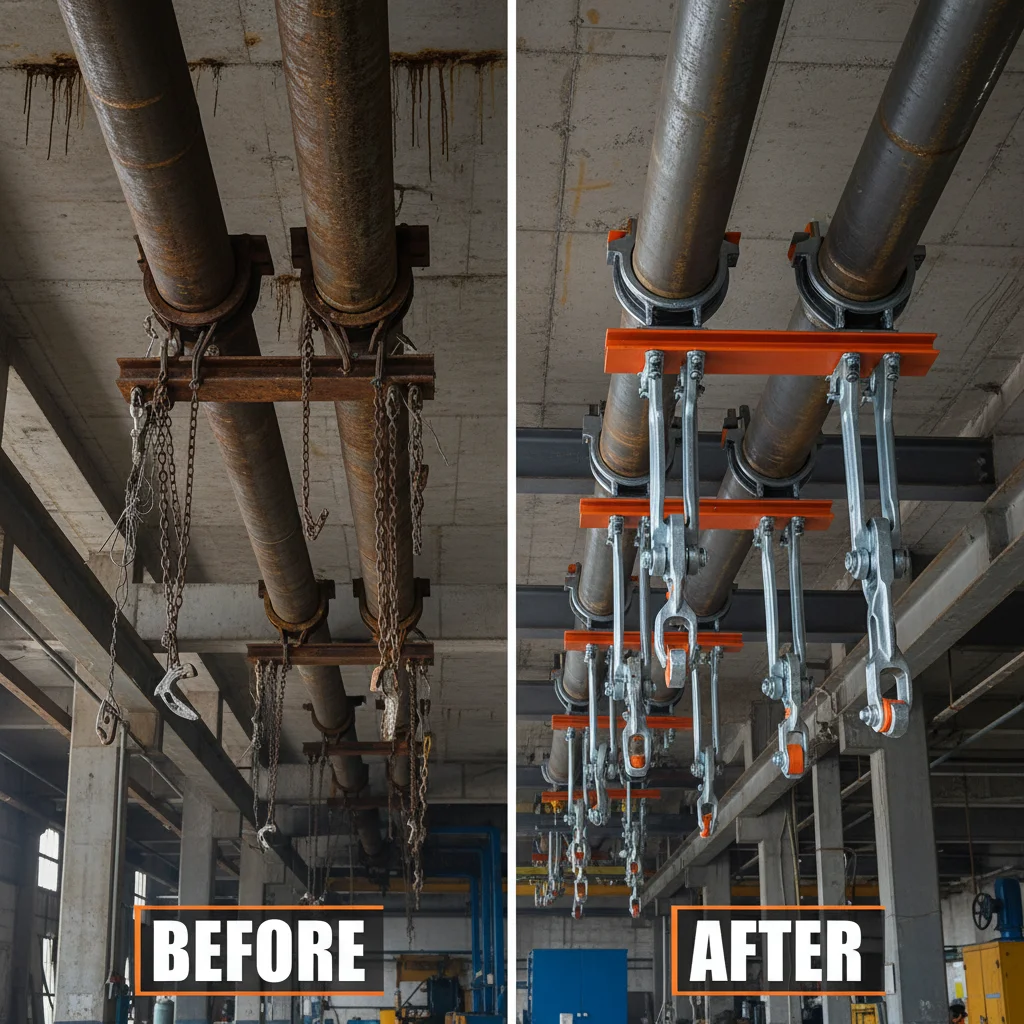
Pipe standoff clamp systems are fundamental to maintaining the integrity and efficiency of piping installations. They provide crucial support, preventing sag, stress, and potential failure. Without effective pipe standoff clamps, piping systems are vulnerable to damage from vibration, thermal expansion and contraction, and external forces.

The role of these clamps extends beyond mere support; they contribute to noise reduction, corrosion prevention, and simplified maintenance access. A correctly specified and installed pipe standoff clamp significantly extends the lifespan of the piping system and reduces the risk of costly downtime and repairs.

Defining Pipe Standoff Clamps

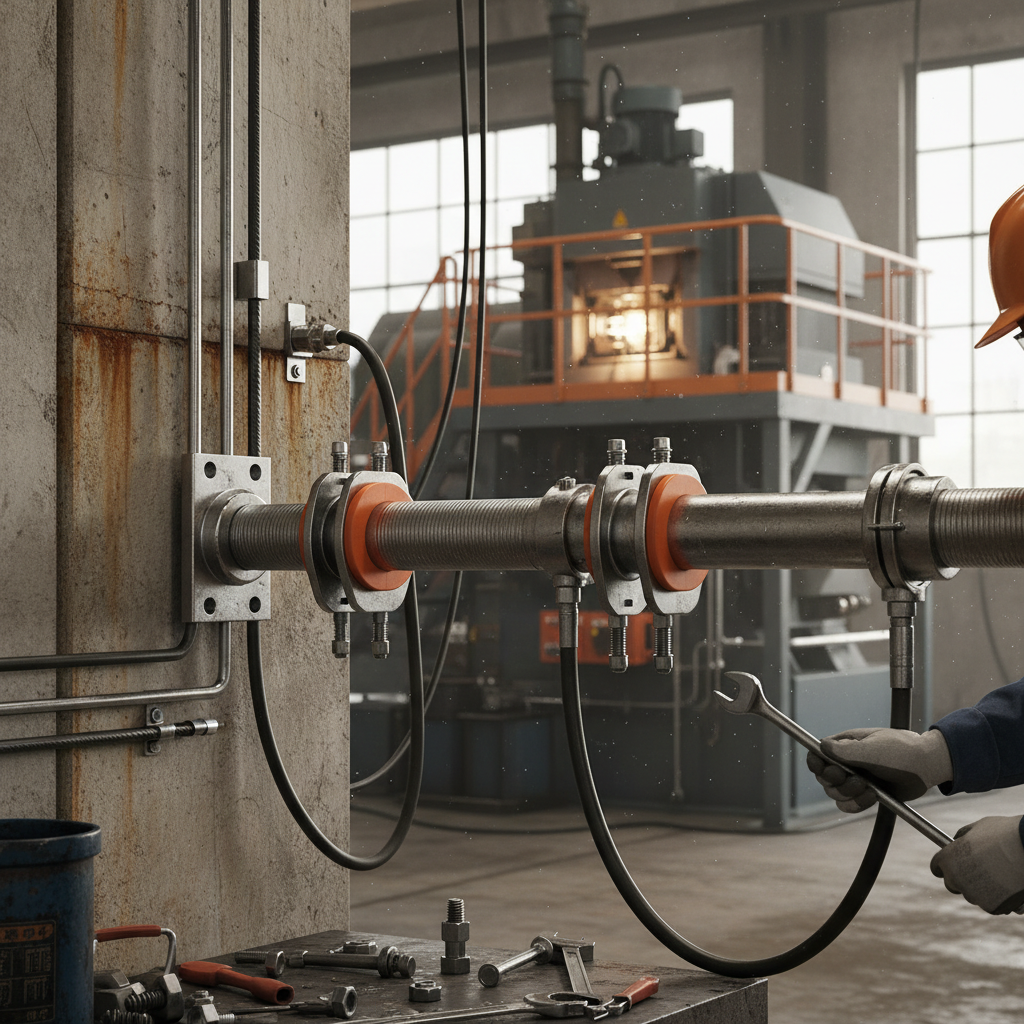
A pipe standoff clamp is a mechanical device designed to support and secure a pipe at specific intervals, creating a gap – or standoff – between the pipe and the supporting structure. This standoff is critical for preventing heat transfer, reducing vibration transmission, and allowing for thermal expansion and contraction without causing stress on the piping system or the support structure.

These clamps come in a variety of designs and materials, including steel, stainless steel, aluminum, and polymers, chosen based on the application’s specific requirements. They are often used in conjunction with other pipe support components, such as hangers and guides, to create a comprehensive support system.

The selection of a pipe standoff clamp is not merely about physical support; it's about ensuring the long-term health and efficiency of the entire piping system. A well-designed and appropriately installed clamp minimizes risks and maximizes operational reliability.

Key Characteristics of High-Performance Pipe Standoff Clamps

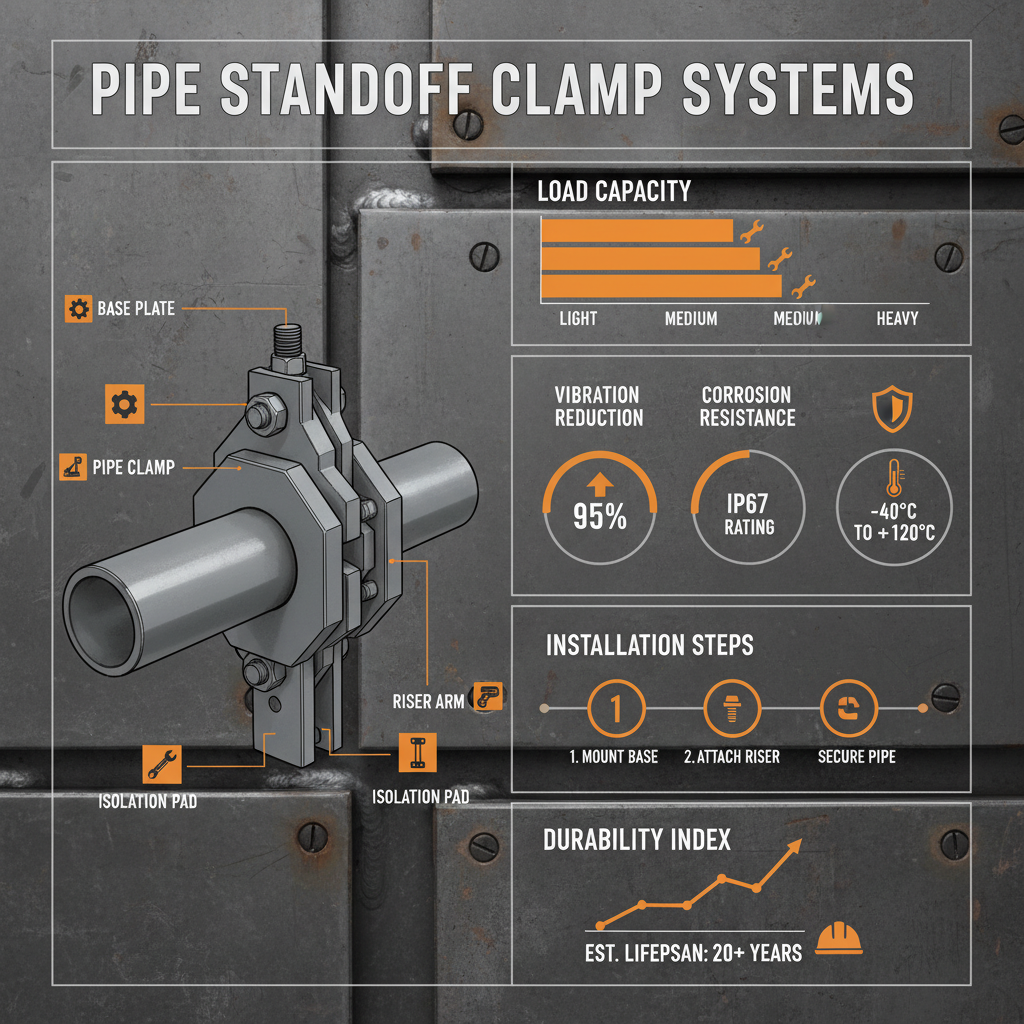
Durability is paramount for pipe standoff clamp performance. Clamps must withstand harsh environmental conditions, including temperature fluctuations, humidity, and potential exposure to corrosive substances. High-quality materials and robust construction are essential for ensuring longevity and minimizing the need for replacement.

Load Capacity refers to the maximum weight a clamp can safely support. Accurate load calculations are crucial during clamp selection to ensure the system can handle the weight of the pipe, its contents, and any potential dynamic loads. Exceeding the load capacity can lead to catastrophic failure.

Corrosion Resistance is vital, especially in environments where exposure to moisture, chemicals, or saltwater is prevalent. Using clamps made from corrosion-resistant materials, such as stainless steel or coated metals, prevents degradation and maintains the integrity of the support system.

Applications Across Diverse Industries

Pipe standoff clamp systems find critical applications in the power generation industry, supporting high-temperature steam and cooling water pipes in power plants. Their ability to withstand extreme conditions and maintain pipe alignment is essential for plant efficiency and safety.

In the oil and gas sector, these clamps are used extensively in refineries and pipelines to secure process piping, preventing leaks and ensuring the safe transportation of hazardous materials. The demanding environments require clamps with exceptional corrosion resistance.

Furthermore, pipe standoff clamp are crucial in HVAC systems within commercial buildings, offering vibration isolation and noise reduction for ductwork and piping, contributing to a more comfortable and productive indoor environment. They also feature prominently in industrial processing plants where a range of fluid and gas lines need secure and reliable support.

Pipe Standoff Clamp Method Comparison

Advantages and Long-Term Value Proposition

Implementing high-quality pipe standoff clamp systems offers substantial cost savings over the lifecycle of a piping installation. Reduced maintenance requirements, minimized downtime due to failures, and extended piping lifespan all contribute to a lower total cost of ownership.

Beyond economic benefits, the reliability and safety afforded by these systems are invaluable. Properly supported piping reduces the risk of leaks, spills, and structural damage, protecting personnel and the environment.

Emerging Trends and Innovations in Pipe Standoff Clamp Technology

The industry is witnessing a growing demand for smart pipe support systems that integrate sensors to monitor pipe stress, vibration, and temperature in real-time. These systems provide valuable data for predictive maintenance, allowing for proactive intervention before failures occur.

Lightweight materials, such as advanced polymers and composite alloys, are being increasingly utilized to reduce the overall weight of support systems, simplifying installation and reducing structural loads. Furthermore, advancements in coating technologies are enhancing corrosion resistance and extending the lifespan of clamps in harsh environments.

Modular and pre-fabricated pipe support solutions are also gaining popularity, reducing on-site installation time and improving project efficiency.

Addressing Challenges and Optimizing Performance

A common challenge lies in accurately assessing load requirements, particularly for complex piping systems with multiple bends, branches, and dynamic loads. Insufficient load capacity can lead to premature failure, while over-engineering can result in unnecessary costs.

Proper installation is critical for ensuring optimal performance. Incorrectly installed clamps can negate their intended benefits and even contribute to pipe stress. Adhering to industry standards and employing qualified personnel are essential.

Regular inspection and maintenance are vital for identifying and addressing potential issues before they escalate. This includes checking for corrosion, loose fasteners, and signs of wear and tear.

Summary of Pipe Standoff Clamp Performance Factors

Material Composition Load Capacity (kg) Corrosion Resistance Level (1-10) Installation Complexity (1-10)
Carbon Steel 500 3 2
Stainless Steel 304 400 7 3
Aluminum Alloy 300 5 4
HDPE Polymer 200 9 2
Stainless Steel 316 450 9 3
Galvanized Steel 550 6 2

FAQS

What is the optimal spacing between pipe standoff clamps?

The optimal spacing between pipe standoff clamp depends on factors such as pipe diameter, wall thickness, fluid velocity, and operating temperature. Generally, spacing should adhere to industry standards, typically ranging from 8 to 12 feet. Consulting with a qualified engineer is crucial for determining the appropriate spacing for your specific application to ensure adequate support and prevent excessive stress on the piping system.

How do I select the right pipe standoff clamp for a corrosive environment?

For corrosive environments, selecting pipe standoff clamp constructed from corrosion-resistant materials is paramount. Stainless steel (specifically grades 304 or 316) is an excellent choice due to its exceptional resistance to a wide range of chemicals and atmospheric conditions. Alternative options include specialized polymer coatings or clad materials. Consider the specific corrosive agents present and choose a material accordingly.

What are the key considerations for insulating pipes supported by standoff clamps?

When insulating pipes supported by standoff clamp, it's crucial to ensure the insulation doesn't interfere with the clamp's functionality or create thermal bridging. Select clamps designed for insulated pipes, or utilize insulation protection sleeves to prevent heat loss and condensation. Avoid compressing the insulation, as this reduces its effectiveness and can lead to moisture buildup.

How do I ensure proper installation of pipe standoff clamps?

Proper installation is vital for the long-term performance of pipe standoff clamps. Ensure the supporting structure is adequately prepared and can bear the load. Use the correct fasteners and tighten them to the specified torque. Verify that the clamp is securely positioned and aligned with the pipe, and that the standoff distance is appropriate. Follow the manufacturer's installation guidelines diligently.

What maintenance should be performed on pipe standoff clamp systems?

Regular maintenance of pipe standoff clamp systems is essential for identifying and addressing potential issues before they escalate. Inspect clamps periodically for corrosion, loose fasteners, and signs of wear and tear. Retighten fasteners as needed and replace any damaged or corroded components promptly. Document all maintenance activities for tracking and future reference.

How do pipe standoff clamps contribute to noise reduction?

Pipe standoff clamp contribute to noise reduction by isolating the pipe from the supporting structure, preventing vibration transmission. This is particularly important in applications where noise pollution is a concern, such as commercial buildings and industrial facilities. Utilizing clamps with vibration dampening materials further enhances noise reduction capabilities.

Conclusion

Pipe standoff clamp represent a critical component in ensuring the safety, reliability, and efficiency of piping systems across a multitude of industries. Their ability to provide robust support, mitigate vibration, and accommodate thermal expansion makes them indispensable for maintaining operational integrity and preventing costly failures. Investing in high-quality pipe standoff clamp and adhering to best practices for installation and maintenance translates into long-term cost savings and enhanced peace of mind.

As technology advances and industry demands evolve, we can expect to see further innovations in pipe standoff clamp design, materials, and monitoring capabilities. Embracing these advancements will enable us to build more resilient, sustainable, and efficient piping infrastructure for the future. For all your pipe standoff clamp needs, visit our website at pipe standoff clamp.

Robert Miller

Robert Miller

Robert Miller is a seasoned Project Engineer with over 15 years of experience in the construction industry, currently consulting with several major infrastructure projects utilizing Guanbiao’s fastening solutions. He specializes in bridge construction and high-rise building projects, focusing on ensuring structural integrity and long-term durability. Robert initially encountered Guanbiao’s products during a particularly challenging project demanding corrosion-resistant fasteners for a coastal bridge. Impressed by the quality and performance, he has since become a strong advocate for Guanbiao within his network. He frequently contributes to industry publications on best practices for fastener selection and installation, highlighting Guanbiao’s commitment to reliability. Robert holds a Master's degree in Civil Engineering and is a registered Professional Engineer.
Previous Essential Guide to Pex Pipe Straps for Reliable Plumbing Systems
Next Essential Guide to Plastic Pipe Hanger Straps for Robust Piping Systems
Get Your Custom Construction Brackets Today!
Fill out the form below, and our team will help you choose the perfect construction bracket for your project.

If you are interested in our products, you can choose to leave your information here, and we will be in touch with you shortly.