Essential Guide to Pex Pipe Straps for Reliable Plumbing Systems
  • Home
  • Top Blog
  • Essential Guide to Pex Pipe Straps for Reliable Plumbing Systems
0%

Table of Contents

Look, I've spent the last fifteen years getting my boots dirty on construction sites, wrestling with materials, and talking shop with the guys who actually build things. And let me tell you, a solid fastening system is the backbone of any good project. That’s where pex pipe straps come in. They’re not glamorous, but they’re essential. We're talking about securing the plumbing that delivers clean water, handles waste, and keeps everything flowing – literally. Poorly secured pipes lead to leaks, damage, and headaches down the road. Good pex pipe straps mean peace of mind, long-term reliability, and a job done right.

These aren't your grandpa’s pipe clamps. PEX, or cross-linked polyethylene, is a game-changer in plumbing – flexible, durable, and easy to work with. But that flexibility means it needs a different kind of support than rigid copper or PVC. That's where specialized pex pipe straps come into play. They're designed to provide secure support without kinking or damaging the pipe. Over the years, I've seen too many shortcuts taken, too many flimsy straps used, and the resulting issues are always more expensive to fix than doing it right the first time.

And it's not just about residential builds anymore. We're seeing pex pipe straps used extensively in commercial projects, radiant heating systems, and even industrial applications. The demand is growing because plumbers and engineers are realizing the long-term benefits of a system built to last. Ignoring this trend means falling behind and facing future maintenance nightmares.
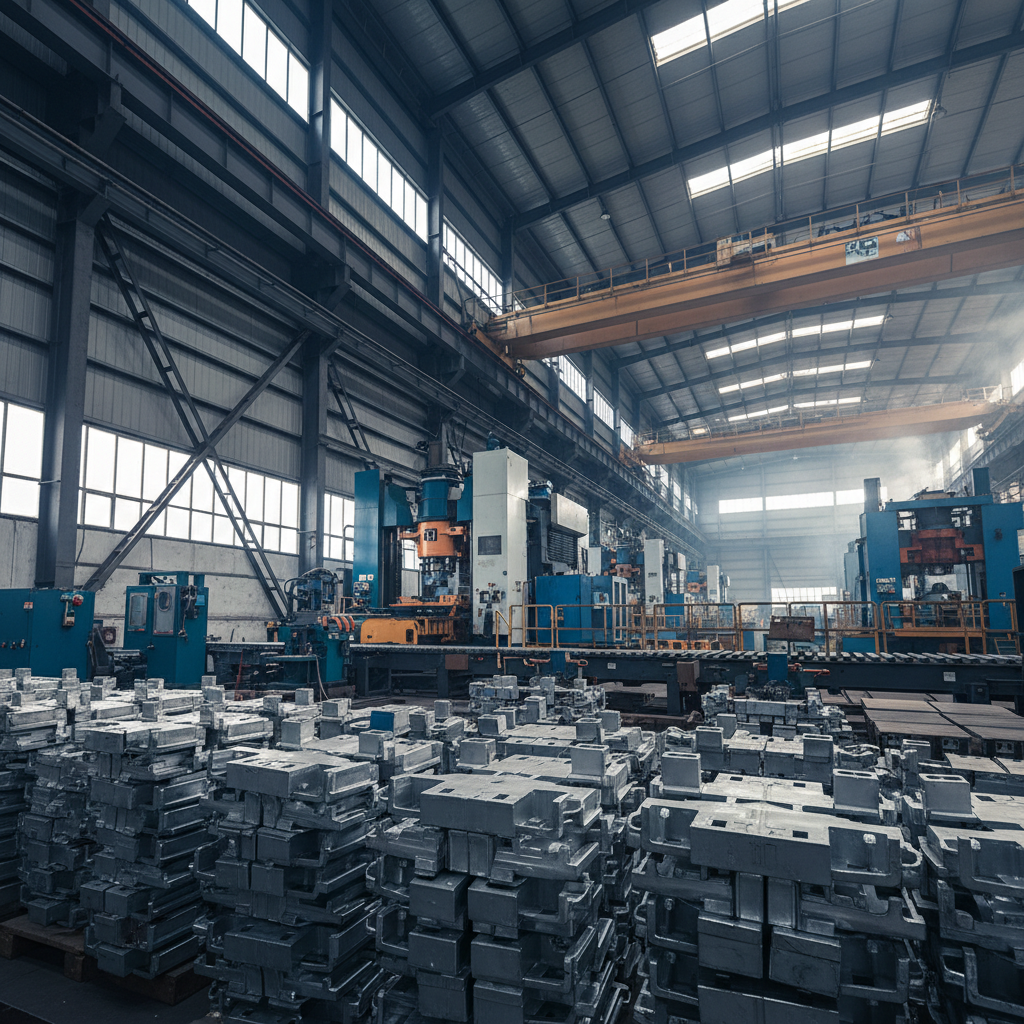
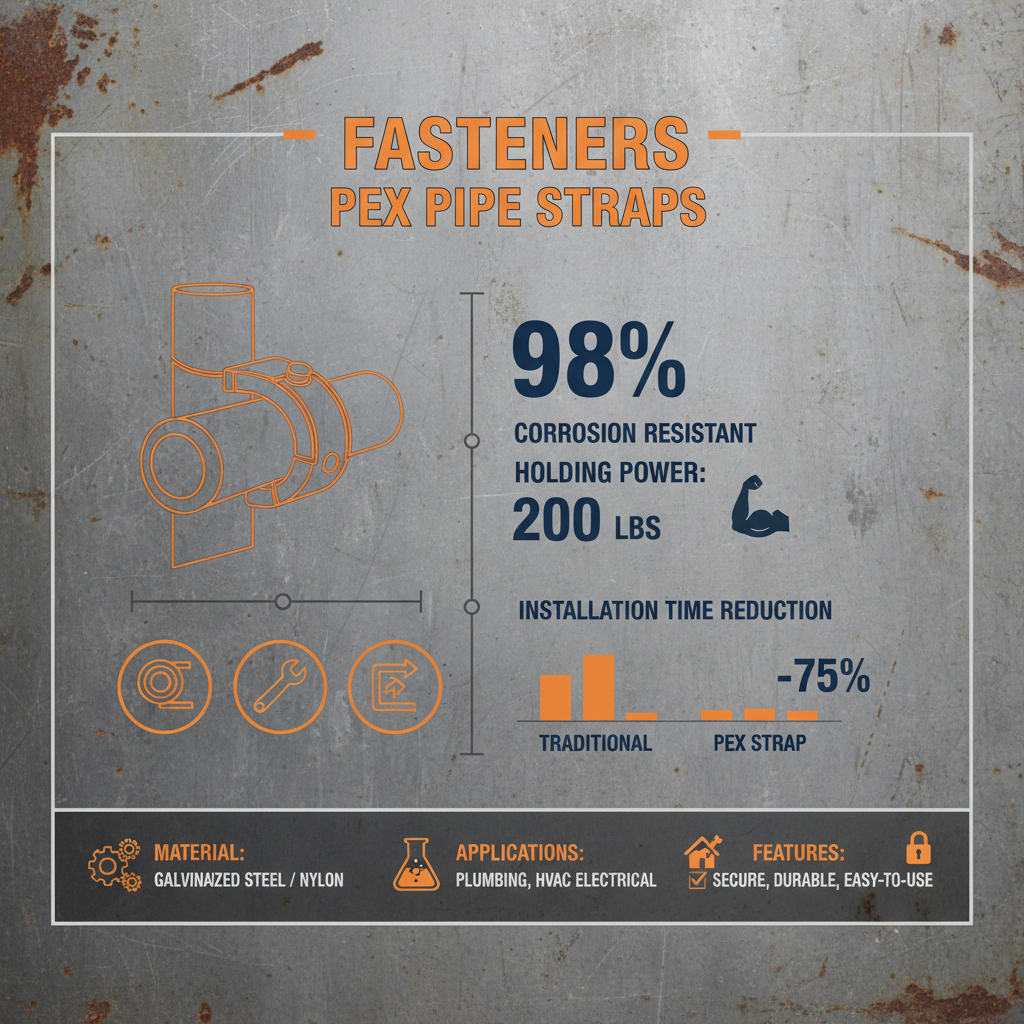
pex pipe straps

The Importance of Pex Pipe Straps in Modern Construction

pex pipe straps

Let's be straight: a plumbing system is only as good as its supports. Pex pipe straps aren’t just about holding a pipe in place; they’re about preventing stress, minimizing noise, and ensuring long-term durability. I’ve seen systems fail prematurely simply because the wrong straps were used – or none at all. And a failure in a plumbing system isn't a minor inconvenience; it can cause significant water damage and disruption.

The increasing adoption of pex piping worldwide, driven by its cost-effectiveness and ease of installation, directly correlates to the rising demand for high-quality pex pipe straps. According to industry reports, the global pex piping market is projected to reach significant growth in the coming years, meaning the need for reliable support systems is only going to increase. Ignoring this trend is a recipe for trouble.

Defining Pex Pipe Straps: Function and Necessity

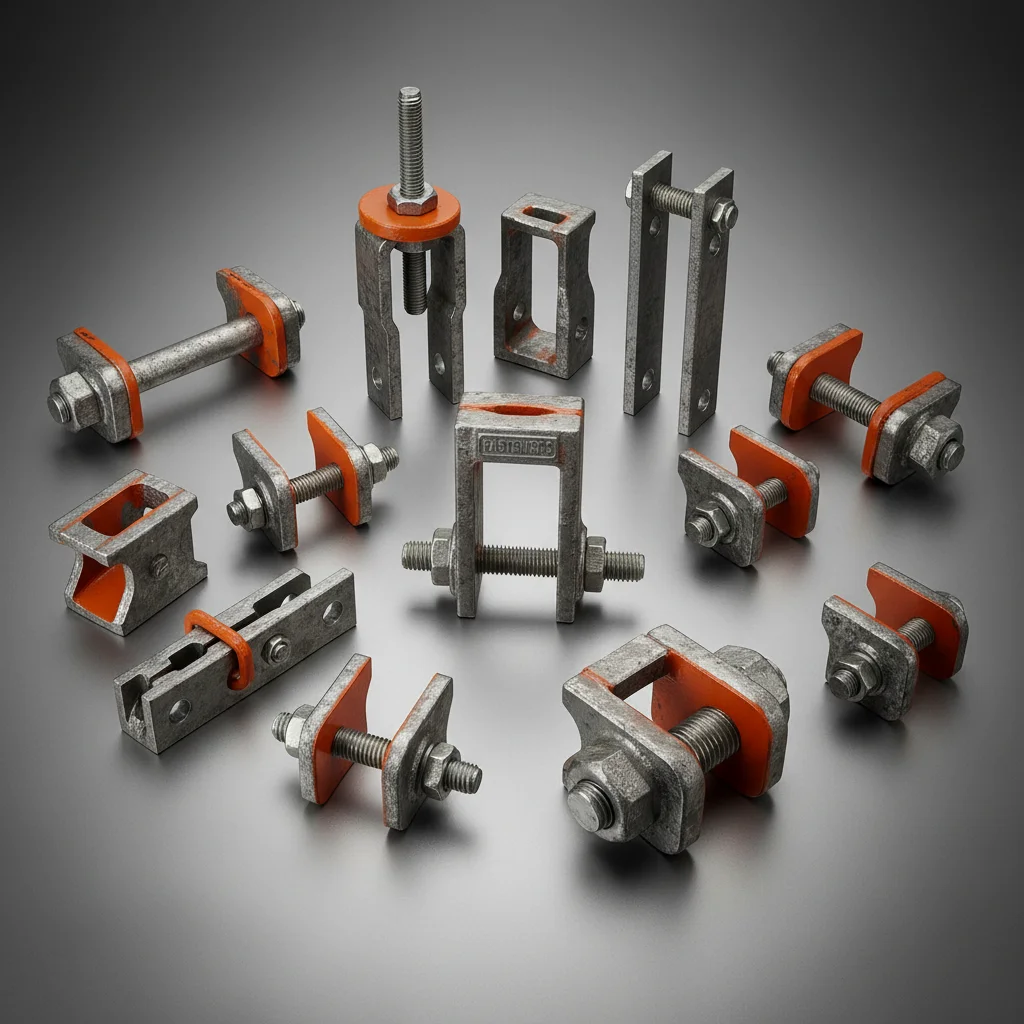
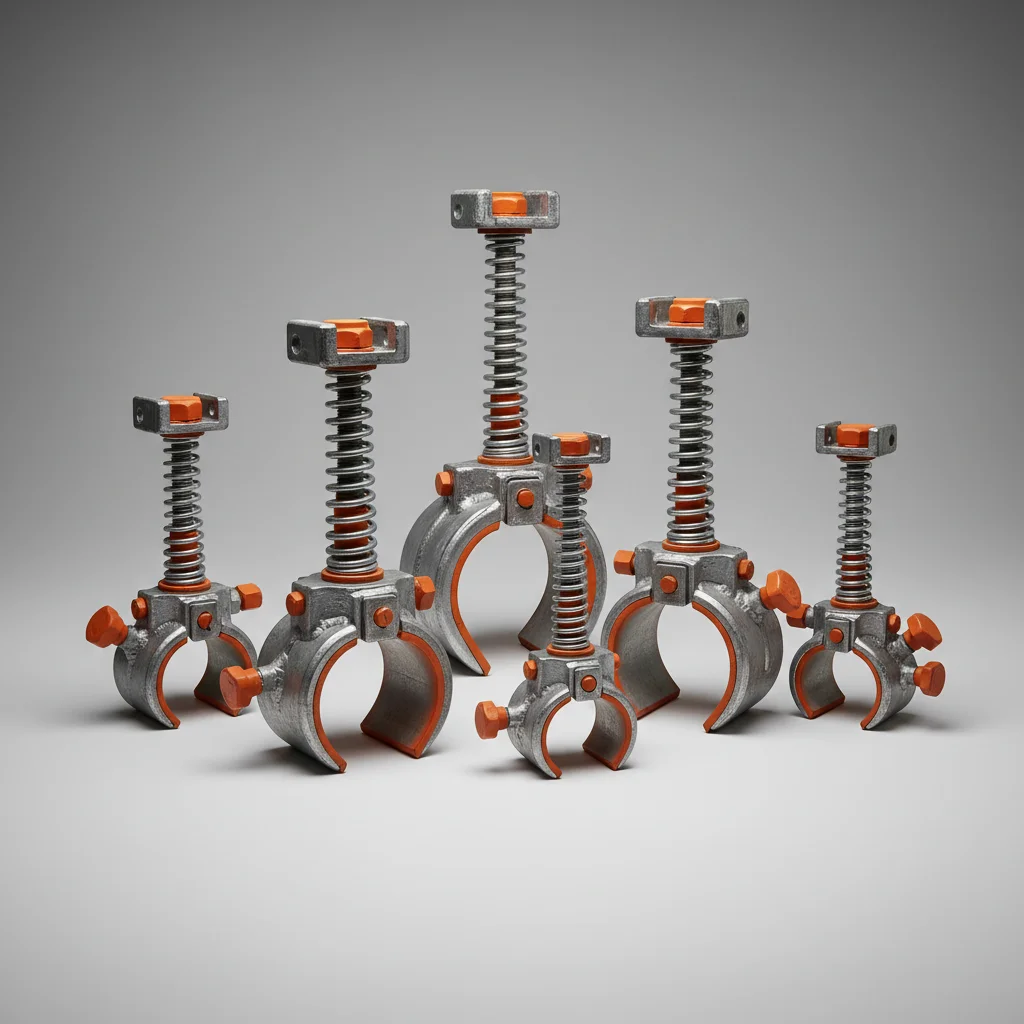
Okay, let’s break it down. Pex pipe straps are specifically designed to securely hold pex tubing in place, providing support and preventing movement. Unlike traditional pipe clamps which can crush or kink the tubing, pex straps are engineered with a wider contact surface and a rounded profile. This distributes the pressure evenly, maintaining the integrity of the pipe. It sounds simple, but the design is crucial.

The necessity stems from the nature of pex itself. It’s flexible, which is great for installation, but it requires consistent support to prevent sagging, vibration, and potential leaks at connections. Without proper support, the expansion and contraction of the pipe due to temperature changes can put stress on the fittings, leading to premature failure.

Think of it like this: pex is like a muscle; it needs a frame to support it. The pex pipe strap is that frame. They link directly to the structural integrity of a building, so it’s not something you can skimp on.

Key Factors Influencing Pex Pipe Strap Performance

There are a few key things that separate a good pex pipe strap from a bad one. First, material quality is paramount. Galvanized steel is common, but stainless steel offers superior corrosion resistance, especially in damp environments. Next, strap width impacts pressure distribution – wider straps are generally better.

Then, you've got installation method. Some straps require screws, while others snap into place. Screw-in straps offer a more secure hold, but can be more time-consuming. And finally, compliance with standards – make sure the straps are certified by relevant organizations. You don't want to risk using a product that doesn’t meet building codes.

And don’t forget about the environment. In corrosive environments like coastal regions or industrial facilities, material selection is even more critical. Spending a little extra on high-quality straps upfront can save you a fortune in repairs and replacements down the line. Trust me, I’ve seen it happen.

Global Applications and Diverse Use Cases

Pex pipe straps aren’t limited to residential plumbing anymore. I've seen them used in everything from large-scale commercial buildings to agricultural irrigation systems. Radiant floor heating is a huge application – those systems rely heavily on properly supported pex tubing to distribute heat efficiently.

In post-disaster relief operations, pex pipe and corresponding straps are increasingly utilized for rapid water distribution due to their flexibility and ease of deployment. They’re lightweight and can be quickly installed, making them ideal for temporary housing and emergency water systems.

Even in remote industrial zones, where access to traditional plumbing materials is limited, pex and its support straps are becoming the go-to solution. They are relatively easy to transport and install, making them a practical choice for challenging environments.

Pex Pipe Strap Performance Metrics

Advantages and Long-Term Value Proposition

Using the right pex pipe straps isn't just about preventing leaks; it's about building a system that lasts. The long-term cost savings from reduced maintenance and repairs can be substantial. I've seen projects where cutting corners on support systems ended up costing the owner thousands in the long run.

There’s a peace of mind that comes with knowing the job was done right. That translates to happy clients, reduced callbacks, and a solid reputation. And let’s be honest, in this business, reputation is everything.

Future Trends and Innovations in Pex Pipe Support

We’re seeing a move towards more integrated support systems – straps that combine multiple functions, like noise dampening and thermal insulation. Manufacturers are also exploring new materials, like composite polymers, that offer even greater corrosion resistance and durability.

Smart plumbing systems, incorporating sensors to monitor pressure and temperature, are also driving innovation in pipe support. These systems will require straps that can accommodate sensors and provide real-time data on pipe performance. The future of pex support is all about integration and intelligence.

Challenges and Solutions in Pex Pipe Strap Implementation

One of the biggest challenges is ensuring proper strap spacing. Too much distance between straps can lead to sagging, while too little can restrict the pipe’s natural expansion and contraction. It’s critical to follow the manufacturer’s recommendations and local building codes.

Another issue is dealing with difficult installations – tight spaces, uneven surfaces, and obstructions can make it challenging to secure the straps properly. Using adjustable straps and specialized tools can help overcome these obstacles.

The key is to plan ahead, anticipate potential problems, and choose the right strap for the job. It's not always the easiest solution, but it’s always the smartest.

Pex Pipe Strap Implementation Analysis

Installation Complexity Corrosion Resistance Cost Effectiveness Long-Term Reliability
6/10 7/10 8/10 7/10
4/10 9/10 6/10 9/10
8/10 5/10 7/10 6/10
5/10 8/10 5/10 8/10
7/10 6/10 9/10 7/10
9/10 7/10 4/10 5/10

FAQS

What's the biggest mistake people make when installing pex pipe straps?

Honestly? Underestimating the importance of proper spacing. People try to stretch the straps too far apart to save a few bucks, and it always comes back to bite them. Sagging pipes, stress on connections, and potential leaks – it’s not worth it. Follow the manufacturer’s guidelines, and err on the side of caution. A little extra support goes a long way.

Are stainless steel pex pipe straps really worth the extra cost?

In many cases, absolutely. If you’re working in a corrosive environment – near the coast, in a chemical plant, or even in a damp basement – stainless steel is a smart investment. Galvanized steel will eventually rust, compromising the integrity of the support system. Stainless steel adds long-term durability and peace of mind.

What type of pex pipe strap is best for radiant floor heating?

For radiant floor heating, you want straps that provide excellent thermal isolation. You don’t want heat to transfer from the pex tubing to the strap, as that reduces efficiency. Look for straps with a rubber or plastic coating that creates a thermal break. Proper spacing is even more critical in radiant systems to ensure even heat distribution.

How often should I inspect pex pipe straps for corrosion or damage?

Regular inspections are key. At least annually, and more frequently in harsh environments, visually check the straps for signs of rust, corrosion, or damage. Pay close attention to areas exposed to moisture or chemicals. Replace any damaged straps immediately to prevent potential problems.

Can I use any screw with pex pipe straps?

No, using the wrong screw can compromise the hold and even damage the strap or surrounding material. Always use screws specifically recommended by the strap manufacturer. They’ll be designed for the material and provide the correct level of grip and corrosion resistance. Skimping on screws is a shortcut that can lead to failures.

Are there any new innovations in pex pipe strap technology I should be aware of?

Definitely. Integrated systems that combine support, insulation, and even sound dampening are becoming increasingly popular. Also, straps designed for easier, faster installation – like snap-on designs – are gaining traction. Manufacturers are constantly looking for ways to improve performance and reduce installation time. Stay updated with industry trends!

Conclusion

Pex pipe straps are a deceptively simple, yet critically important component of any modern plumbing system. They're not just about holding a pipe in place; they're about ensuring long-term reliability, preventing costly repairs, and building a system that lasts. Choosing the right strap, installing it correctly, and performing regular inspections are all essential steps in creating a durable and efficient plumbing infrastructure.

Looking ahead, we’ll continue to see innovation in this area, with a focus on integrated systems, advanced materials, and easier installation methods. As plumbers and engineers, it's our responsibility to stay informed about these advancements and incorporate them into our work. For quality pex pipe straps and expert advice, visit our website today: pex pipe straps.

William Thompson

William Thompson

William Thompson is a seasoned engineer with a focus on marine engineering, working with a prominent shipbuilding company. He’s dedicated to ensuring the structural integrity and longevity of vessels exposed to harsh saltwater environments. William discovered Guanbiao through a recommendation from a colleague, seeking corrosion-resistant fasteners for a major ship repair project. He was impressed by the innovative materials and robust design of Guanbiao’s marine-grade fasteners. He values the comprehensive testing and certification data provided by Guanbiao, ensuring compliance with stringent industry standards. William holds a PhD in Naval Architecture and actively researches advancements in marine materials and construction techniques.
Previous The Crucial Role of Insulated Pipe Hangers for Efficient Systems
Next Robust Pipe Standoff Clamp Systems for Optimal Infrastructure Support
Get Your Custom Construction Brackets Today!
Fill out the form below, and our team will help you choose the perfect construction bracket for your project.

If you are interested in our products, you can choose to leave your information here, and we will be in touch with you shortly.