The Vital Role of a Modern Fastener Factory in Global Supply Chains
  • Home
  • Top Blog
  • The Vital Role of a Modern Fastener Factory in Global Supply Chains
0%

Table of Contents

The world of manufacturing relies heavily on the precise joining and assembly of components, and at the heart of this process lies the fastener factory. These factories aren’t simply places where screws and bolts are made; they represent a critical link in global supply chains, enabling the creation of everything from automobiles and airplanes to buildings and medical devices. Understanding their operations, capabilities, and future trends is paramount to maintaining a robust and efficient industrial landscape.

The relevance of a well-functioning fastener factory extends far beyond economic considerations. According to the United Nations, infrastructure development – heavily reliant on quality fasteners – is crucial for achieving sustainable development goals. Furthermore, the ISO standards governing fastener production ensure safety and reliability, directly impacting public welfare. The demand for specialized and high-performance fasteners is constantly increasing, driving innovation and necessitating continuous improvements in manufacturing processes.

The growing complexity of modern engineering designs, coupled with stringent safety regulations and a demand for lighter, stronger materials, presents a significant challenge. Meeting these demands requires advanced fastener factory capabilities, including precision machining, advanced materials science, and robust quality control systems. Effectively addressing these challenges fuels economic growth and enables progress across multiple sectors.
fastener factory

The Role of Fastener Factory in Global Manufacturing

fastener factory

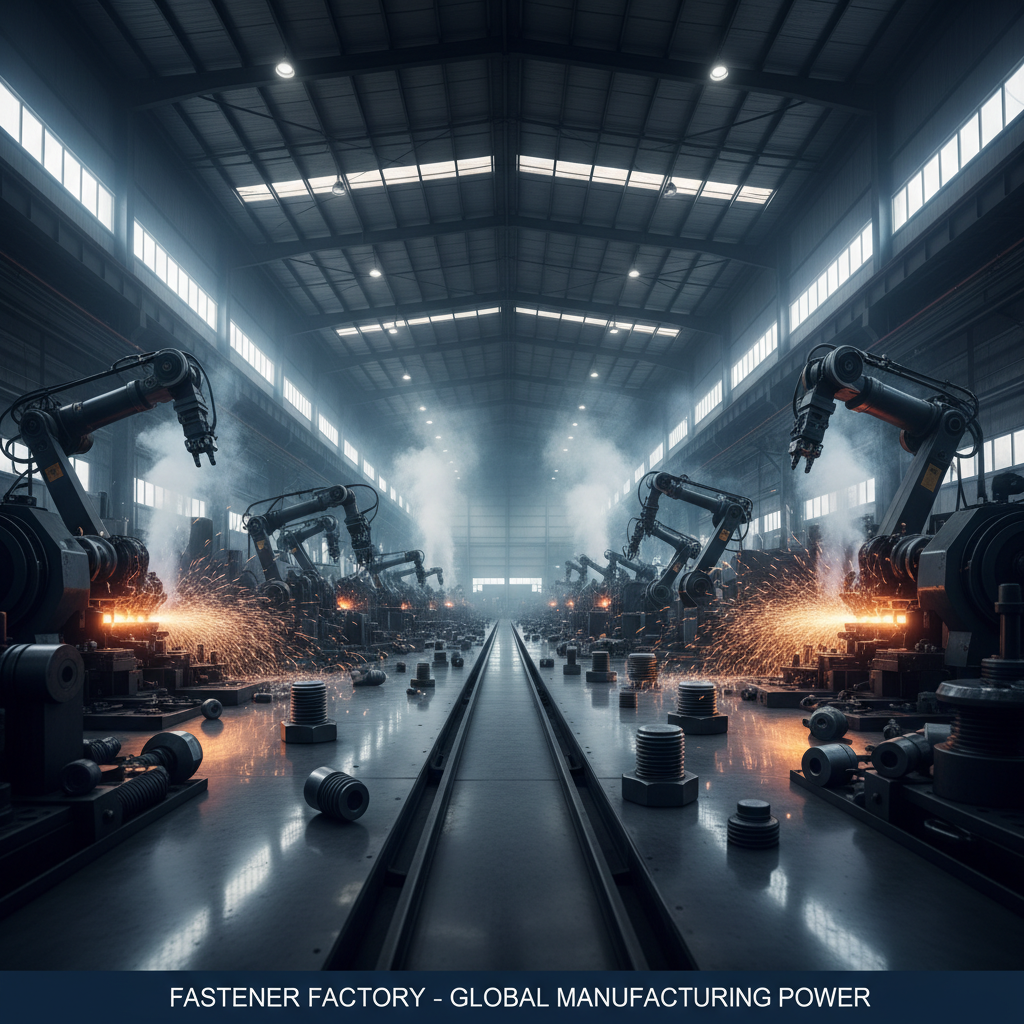
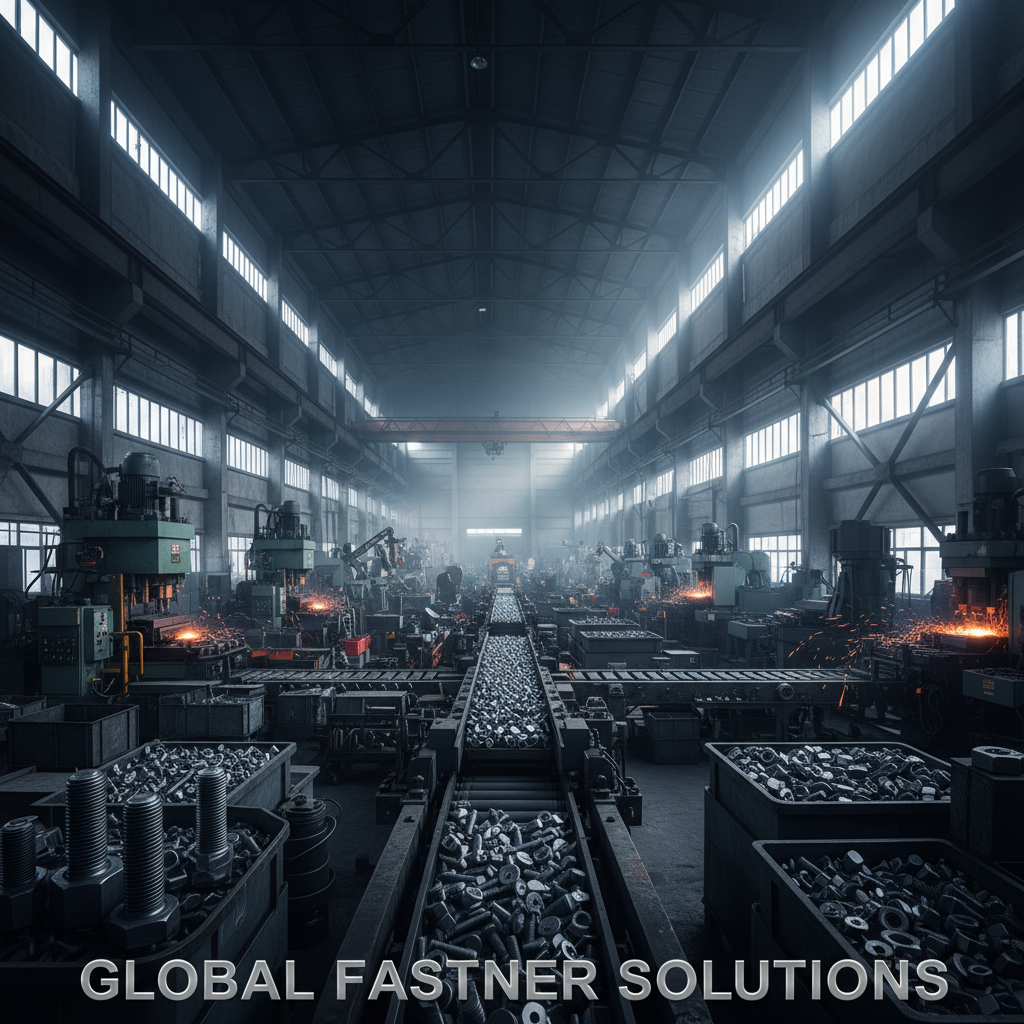
A modern fastener factory isn't simply a production facility; it's a sophisticated operation incorporating design, engineering, materials science, and stringent quality control. These factories serve as the backbone of countless industries, ensuring the structural integrity and reliability of products ranging from automotive components to aerospace systems. They play a crucial, often unseen, role in maintaining the functionality and safety of the world around us.

The efficiency and effectiveness of a fastener factory directly influence the speed and cost of production across diverse sectors. By employing advanced manufacturing techniques like automation and precision machining, these facilities contribute to streamlined supply chains and reduced lead times, ultimately benefiting consumers and driving economic growth.

Defining the Fastener Factory

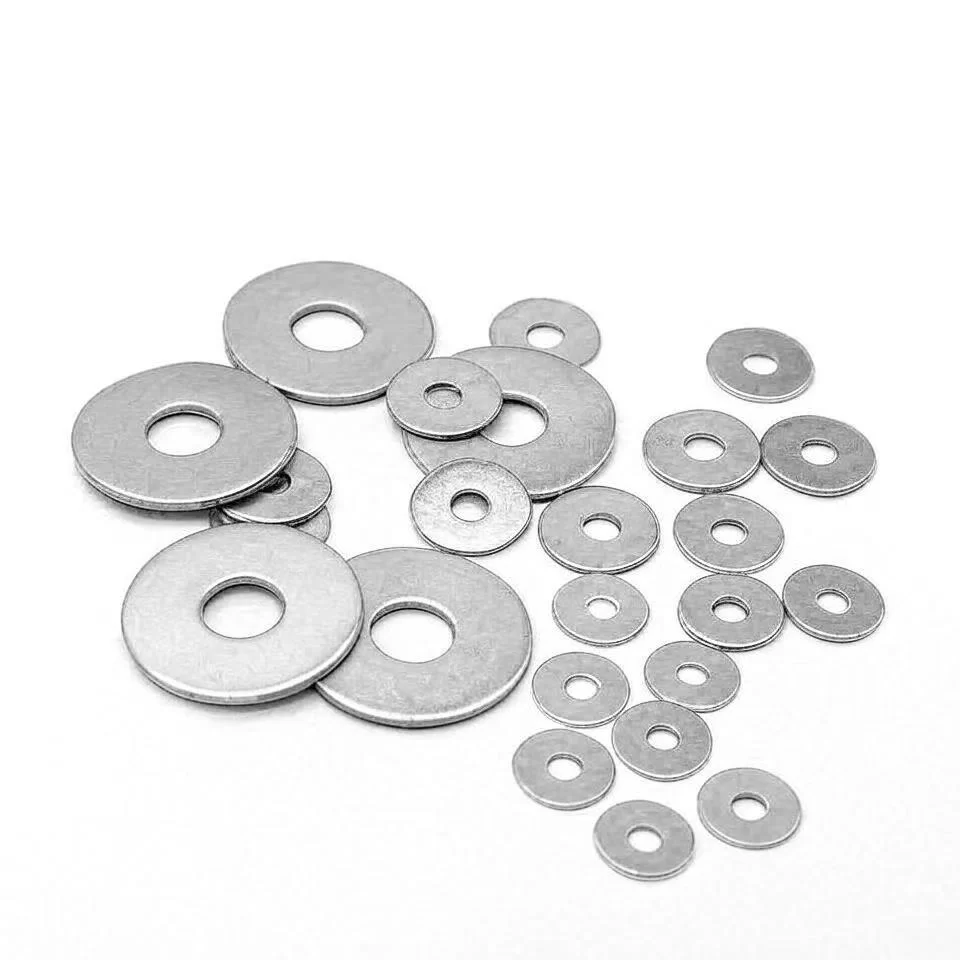
A fastener factory is a manufacturing facility dedicated to the production of fasteners – mechanical components used to join materials together. These encompass a wide range of products, including bolts, screws, nuts, rivets, and washers. The defining characteristic of these factories is their specialization in the shaping, threading, and finishing of these essential components.

The connection to modern industry is undeniable. From the construction of skyscrapers to the assembly of electronic devices, fasteners are indispensable. In humanitarian efforts, a reliable fastener factory can provide the components needed for rapid deployment of shelters and infrastructure. Essentially, they are the invisible building blocks of our modern world.

The very existence of specialized fastener factoryies highlights the precision and reliability required in modern manufacturing. Attempting to produce these critical components without dedicated expertise and specialized equipment would compromise quality and potentially endanger safety.

Key Factors of a Successful Fastener Factory

Durability is paramount in any fastener factory. The fasteners produced must withstand the stresses and strains of their intended application, often in harsh environments. This demands rigorous material selection, precise manufacturing processes, and thorough quality control.

Scalability is equally important. A successful factory needs to adapt to changing market demands and increase production capacity efficiently. Investing in automation, optimized layouts, and flexible manufacturing systems are crucial for achieving scalability.

Cost efficiency is a constant concern. Fastener factoryies must balance the need for high quality with the pressure to maintain competitive pricing. This requires streamlining processes, minimizing waste, and optimizing resource allocation. It also often involves strategic sourcing of raw materials.

Quality Control is the cornerstone of a reputable fastener factory. Utilizing advanced testing methods, implementing strict adherence to industry standards (like ISO), and fostering a culture of continuous improvement are essential for ensuring product reliability and preventing costly failures.

Core Components of Fastener Production

The core of a fastener factory's production process revolves around material selection, forming, threading, and finishing. Material selection dictates the fastener's strength, corrosion resistance, and suitability for specific applications. Forming processes, such as cold heading or hot forging, shape the raw material into the desired fastener body.

Threading is arguably the most critical step, determining the fastener’s ability to grip and secure materials. Accurate and consistent threading is essential for ensuring proper function. Finally, finishing processes, including plating, coating, and heat treatment, enhance the fastener’s durability, corrosion resistance, and aesthetic appeal.

Effective coordination between these components is vital for the success of any fastener factory. Utilizing a well-defined workflow, maintaining precise calibration of machinery, and employing skilled personnel are all critical for consistent quality.

Fastener Factory Performance Metrics

Global Applications and Use Cases

Fasteners from a reliable fastener factory are vital in the automotive industry, ensuring the structural integrity of vehicles. Aerospace relies on high-strength, precision fasteners for aircraft assembly. Construction projects, from bridges to buildings, depend on a constant supply of durable fasteners.

In post-disaster relief operations, rapidly deployable shelters often utilize fasteners for quick and secure assembly. Remote industrial zones, where access to local manufacturing is limited, rely on efficient fastener factory supply chains to maintain operations.

Advantages and Long-Term Value

Investing in quality fasteners from a reputable fastener factory translates to significant cost savings over the long term. Reduced maintenance, fewer failures, and enhanced product lifespan all contribute to lower total cost of ownership. Furthermore, reliable fasteners improve safety and prevent potentially catastrophic accidents.

Beyond economics, there’s a social impact. Reliable infrastructure, built with quality fasteners, supports community development and improves quality of life. Sustainable manufacturing practices within the fastener factory promote environmental responsibility and contribute to a greener future.

Future Trends and Innovations

The future of fastener factoryies is closely tied to advancements in materials science, automation, and digital transformation. Expect to see increased use of lightweight, high-strength materials like titanium alloys and advanced polymers. Automation, powered by robotics and AI, will optimize production processes and improve efficiency.

Digital twin technology, creating virtual replicas of manufacturing processes, will enable predictive maintenance and real-time optimization. Furthermore, a growing emphasis on sustainability will drive the adoption of eco-friendly materials and manufacturing techniques.

The integration of Industry 4.0 principles within a fastener factory—using IoT sensors and data analytics to create a highly connected and responsive production environment—will become increasingly prevalent.

FAQS

What are the key certifications I should look for in a fastener factory?

When selecting a fastener factory, prioritize certifications like ISO 9001 (quality management), IATF 16949 (automotive quality), and ISO 14001 (environmental management). These certifications demonstrate a commitment to consistent quality, process control, and environmental responsibility. Look for evidence of regular audits and compliance with relevant industry standards to ensure the fasteners meet your specific requirements and safety regulations.

What is the typical lead time for custom fastener orders?

Lead times for custom fastener orders vary depending on the complexity of the design, material requirements, and production volume. Generally, expect a lead time of 4-8 weeks for standard custom orders. More complex designs or large-volume orders may require longer lead times. Communicating your specific needs clearly and working closely with the fastener factory’s engineering team can help minimize delays.

What materials are commonly used in fastener production?

Common materials in fastener factory production include carbon steel, alloy steel, stainless steel, brass, aluminum, and titanium. Carbon steel is often used for general-purpose applications, while stainless steel provides superior corrosion resistance. High-strength alloy steels are used in critical applications requiring exceptional durability. The best material depends on the intended application and environmental conditions.

How does a fastener factory ensure quality control?

Quality control in a fastener factory involves a multi-stage process. It includes raw material inspection, in-process inspections during manufacturing, and final product testing. Common testing methods include dimensional checks, hardness testing, tensile strength testing, and corrosion resistance testing. Statistical process control (SPC) is also used to monitor and improve manufacturing processes.

Can a fastener factory accommodate small-batch or prototype orders?

Many fastener factoryies are equipped to handle small-batch and prototype orders, although pricing may be higher compared to large-volume production. These factories often utilize rapid prototyping techniques, such as 3D printing, to quickly create samples. Providing detailed drawings and specifications is crucial for accurate prototyping.

What is the importance of surface treatment for fasteners?

Surface treatment is critical for enhancing a fastener's performance and longevity. Coatings like zinc plating, nickel plating, and black oxide provide corrosion resistance, improve wear resistance, and enhance aesthetic appeal. Selecting the appropriate surface treatment depends on the application environment and the material of the fastener. A fastener factory will advise on the best options for optimal protection.

Conclusion

In conclusion, the fastener factory serves as a foundational element within global manufacturing and infrastructure development. From ensuring the integrity of complex machinery to supporting disaster relief efforts, the quality and reliability of fasteners are paramount. Understanding the key factors that contribute to a successful fastener factory – durability, scalability, cost efficiency, and rigorous quality control – is vital for industries across the board.

Looking ahead, the future of fastener manufacturing will be shaped by advancements in materials science, automation, and sustainable practices. By embracing innovation and prioritizing quality, fastener factoryies will continue to play a critical role in building a stronger, safer, and more sustainable world. For all your fastener needs, visit our website: www.topfastener.com.
William Thompson

William Thompson

William Thompson is a seasoned engineer with a focus on marine engineering, working with a prominent shipbuilding company. He’s dedicated to ensuring the structural integrity and longevity of vessels exposed to harsh saltwater environments. William discovered Guanbiao through a recommendation from a colleague, seeking corrosion-resistant fasteners for a major ship repair project. He was impressed by the innovative materials and robust design of Guanbiao’s marine-grade fasteners. He values the comprehensive testing and certification data provided by Guanbiao, ensuring compliance with stringent industry standards. William holds a PhD in Naval Architecture and actively researches advancements in marine materials and construction techniques.
Previous Essential Guide to Clamps Manufacturing and Selection for Construction
Next The Vital Role of a Modern Fastener Factory in Global Supply Chains
Get Your Custom Construction Brackets Today!
Fill out the form below, and our team will help you choose the perfect construction bracket for your project.

If you are interested in our products, you can choose to leave your information here, and we will be in touch with you shortly.