
December 03, 2025
Fastener factories might not be the first thing you think of when you consider global industry, but they quietly form the backbone of countless products, structures, and technologies we all rely on daily. From the airplane you flew on last month to the smartphone in your pocket, fasteners are the unseen heroes holding it all together. Understanding what a fastener factory does and why it's essential offers insights not just into manufacturing, but into global supply chains, economic stability, and even humanitarian efforts.
Globally, fastener demand grows as industries expand—from automotive and aerospace to construction and electronics. According to the International Organization for Standardization (ISO), standardized fasteners ensure compatibility and safety worldwide. So, investing time to understand the world of fastener manufacturing feels not just technical but profoundly practical in our interconnected age.
If you glance at trade statistics, fasteners constitute over $5 billion in annual global trade—a figure projected to grow steadily thanks to sectors like renewable energy, heavy machinery, and infrastructure. The World Bank highlights how fastener production supports economic development by creating skilled manufacturing jobs, particularly in emerging economies.
But there’s a challenge: fastener factories must balance quality, cost, and speed without compromising durability, especially given their critical safety role. Inconsistent manufacturing, for instance, can lead to catastrophic failures in aerospace or bridge construction. This challenge positions the fastener factory not just as a production line, but a technological hub where precision engineering meets stringent quality control.
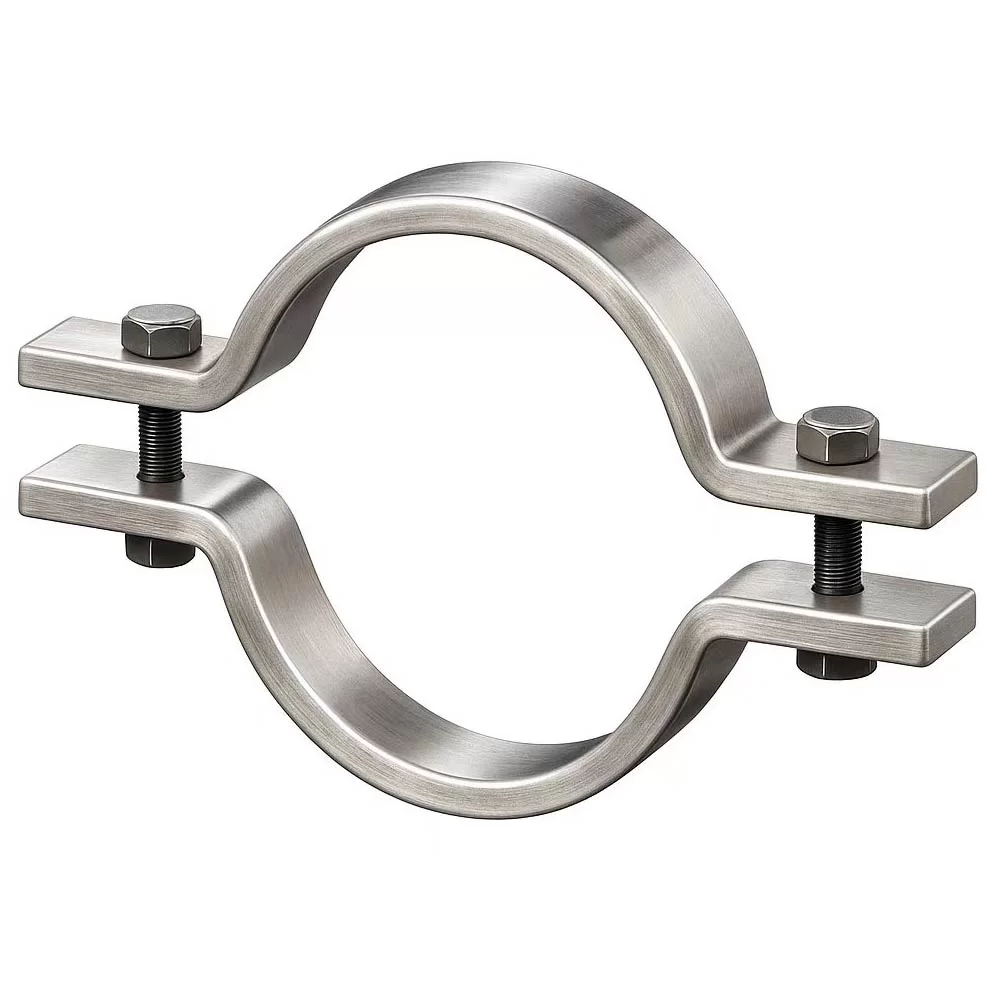
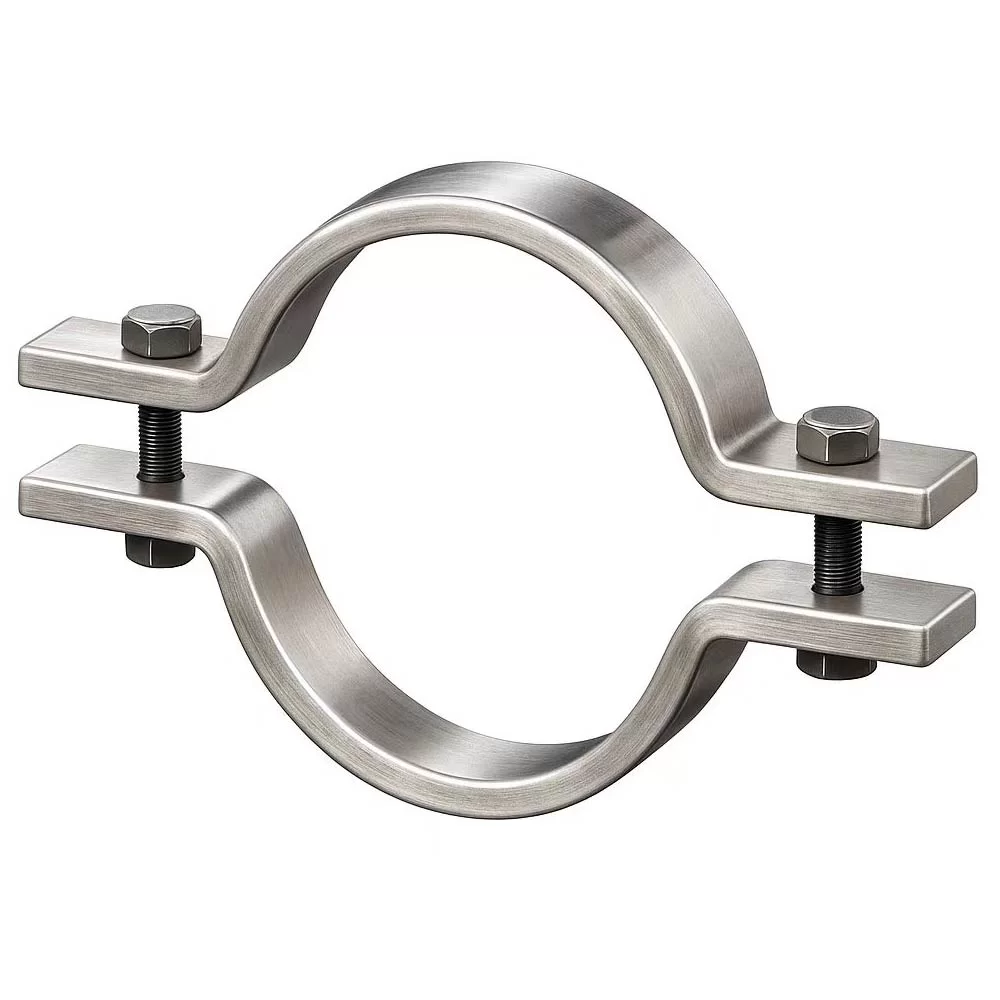
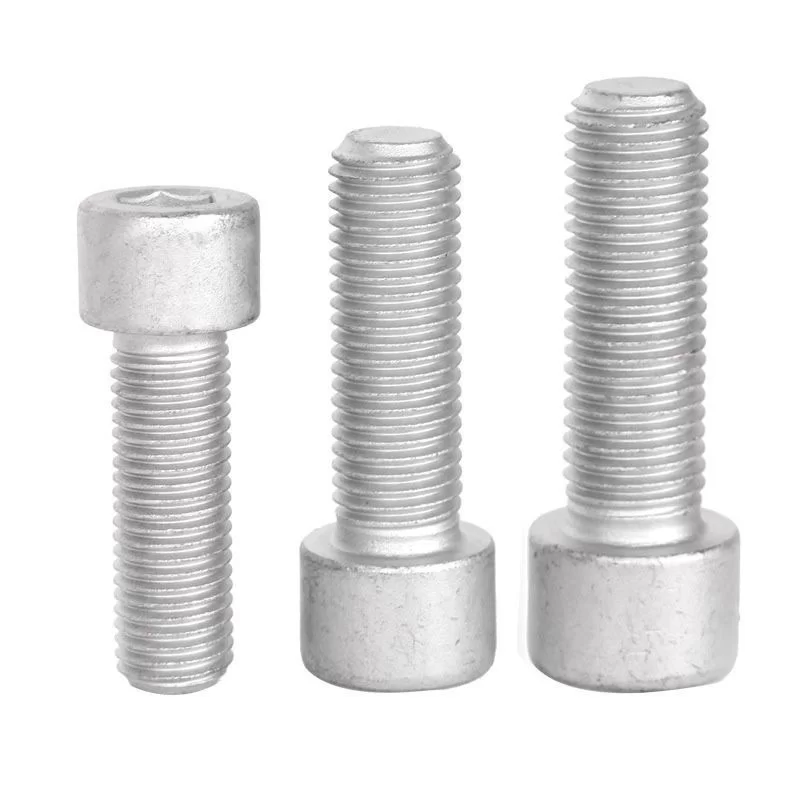
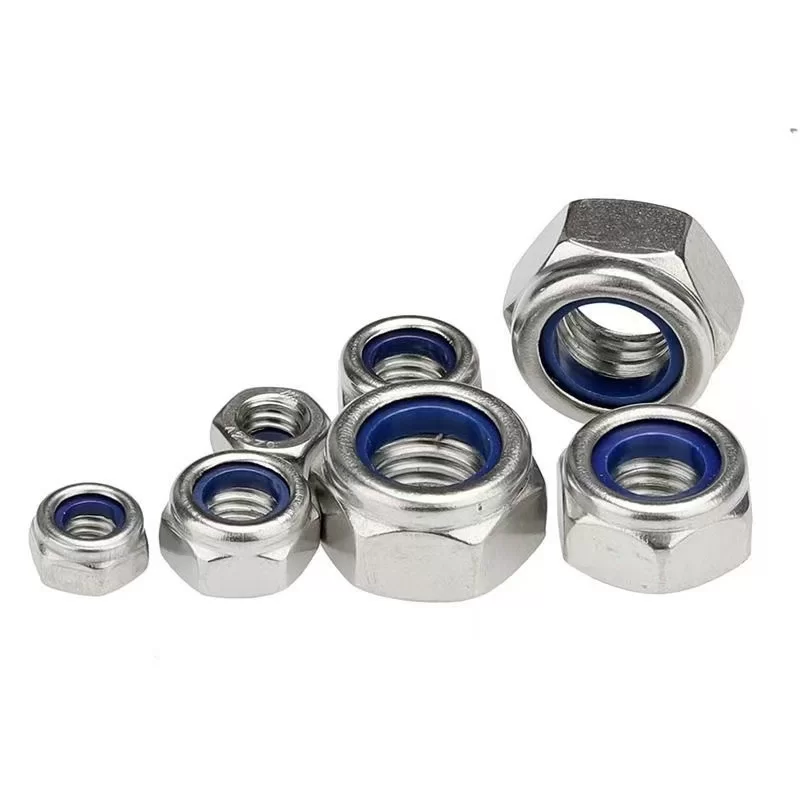
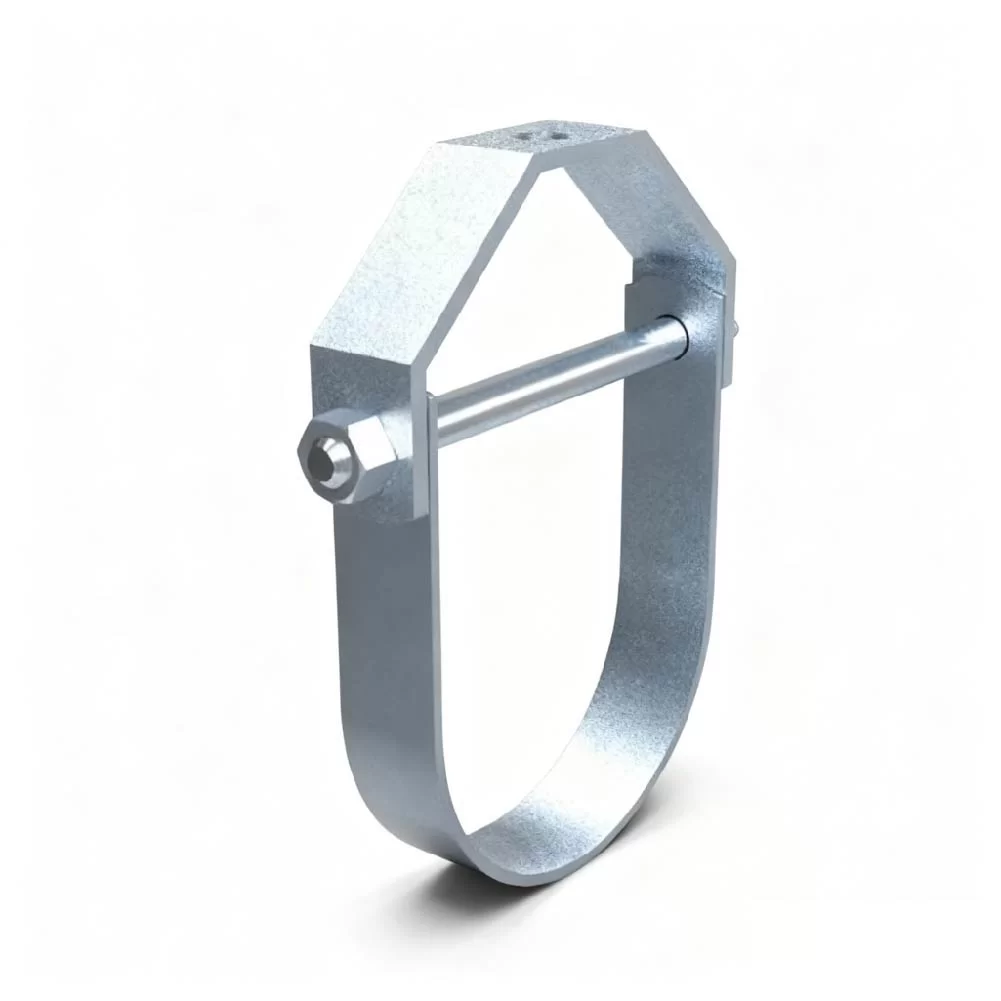
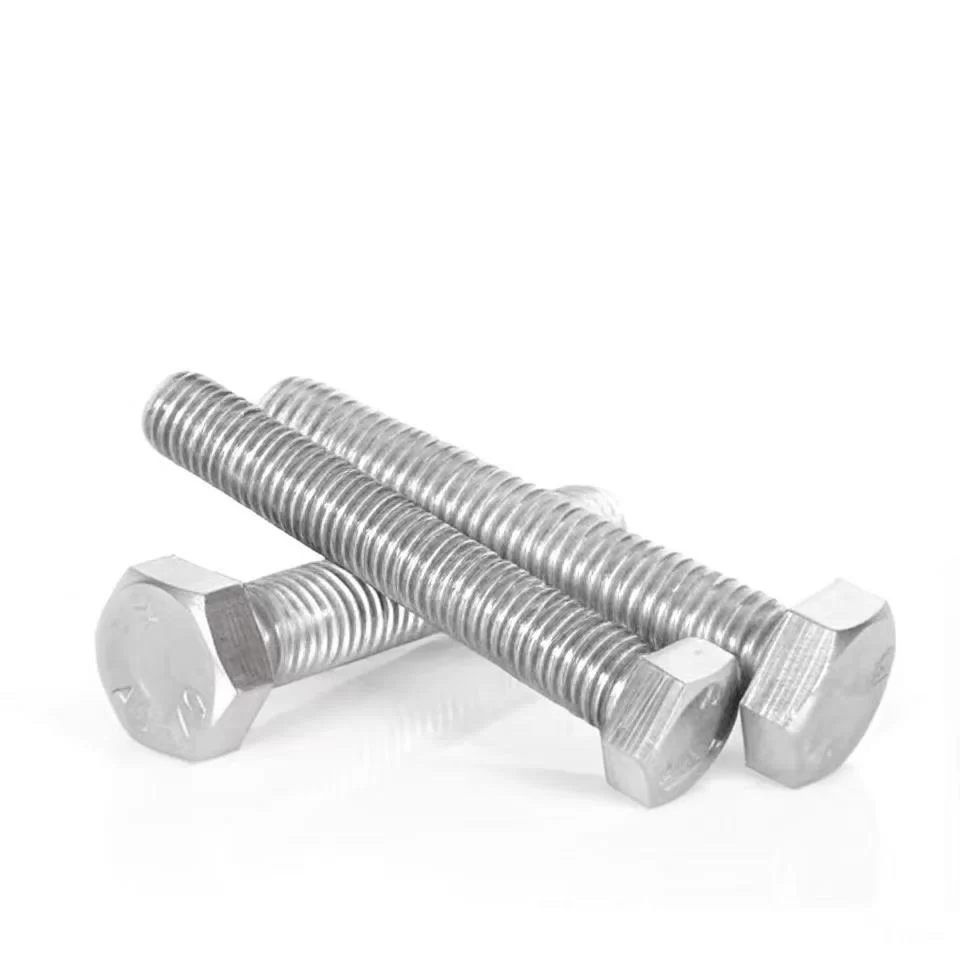
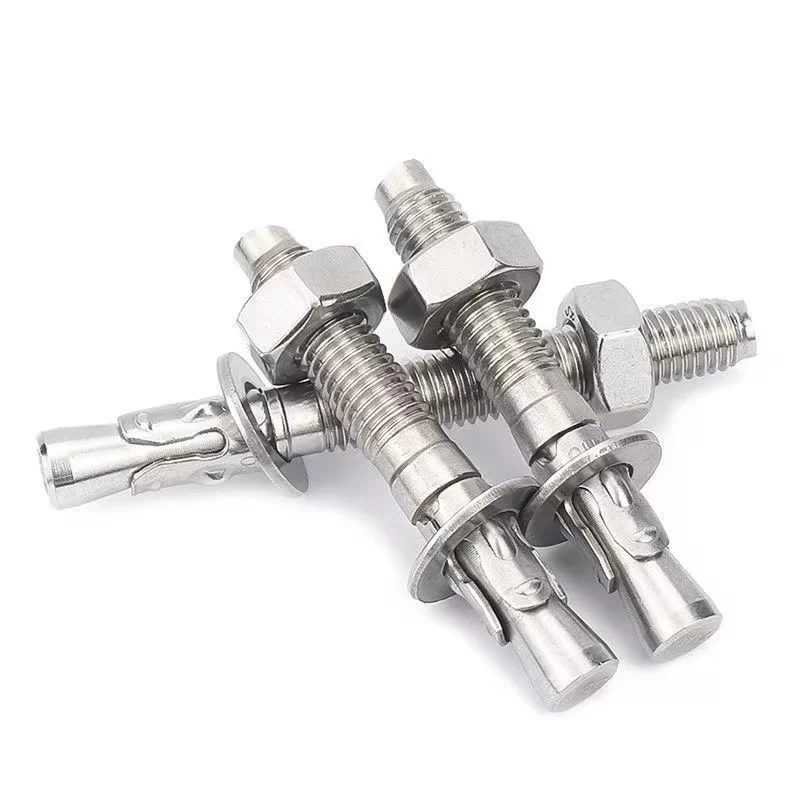
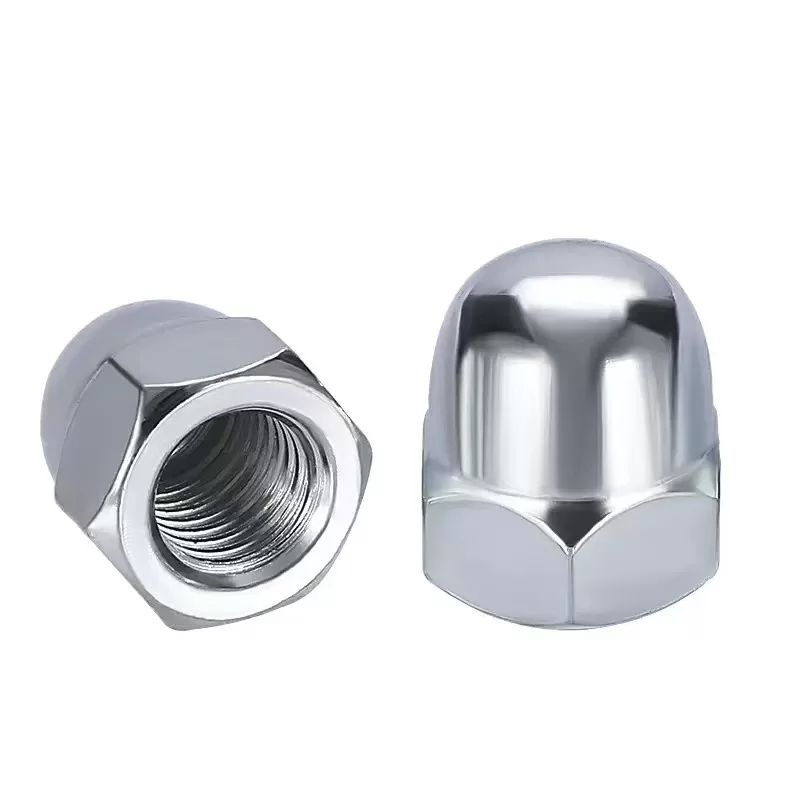
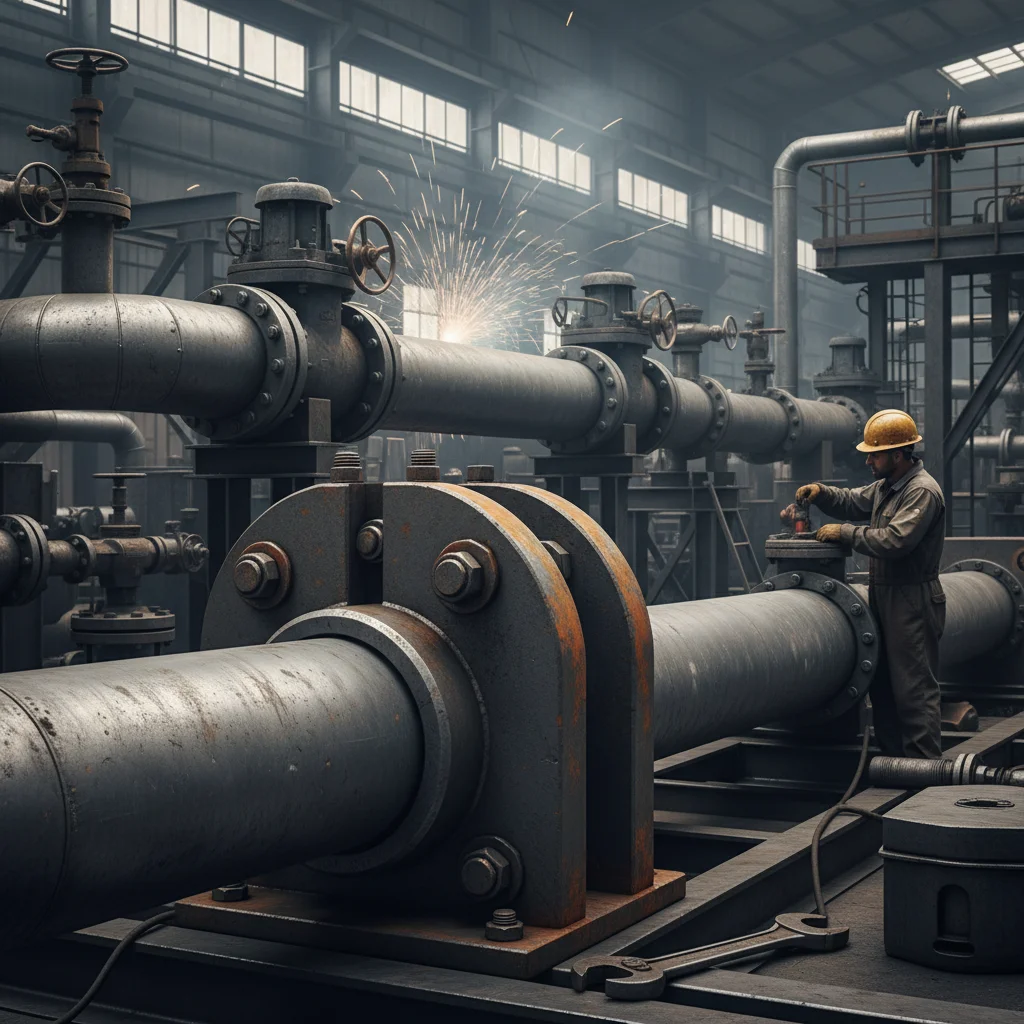
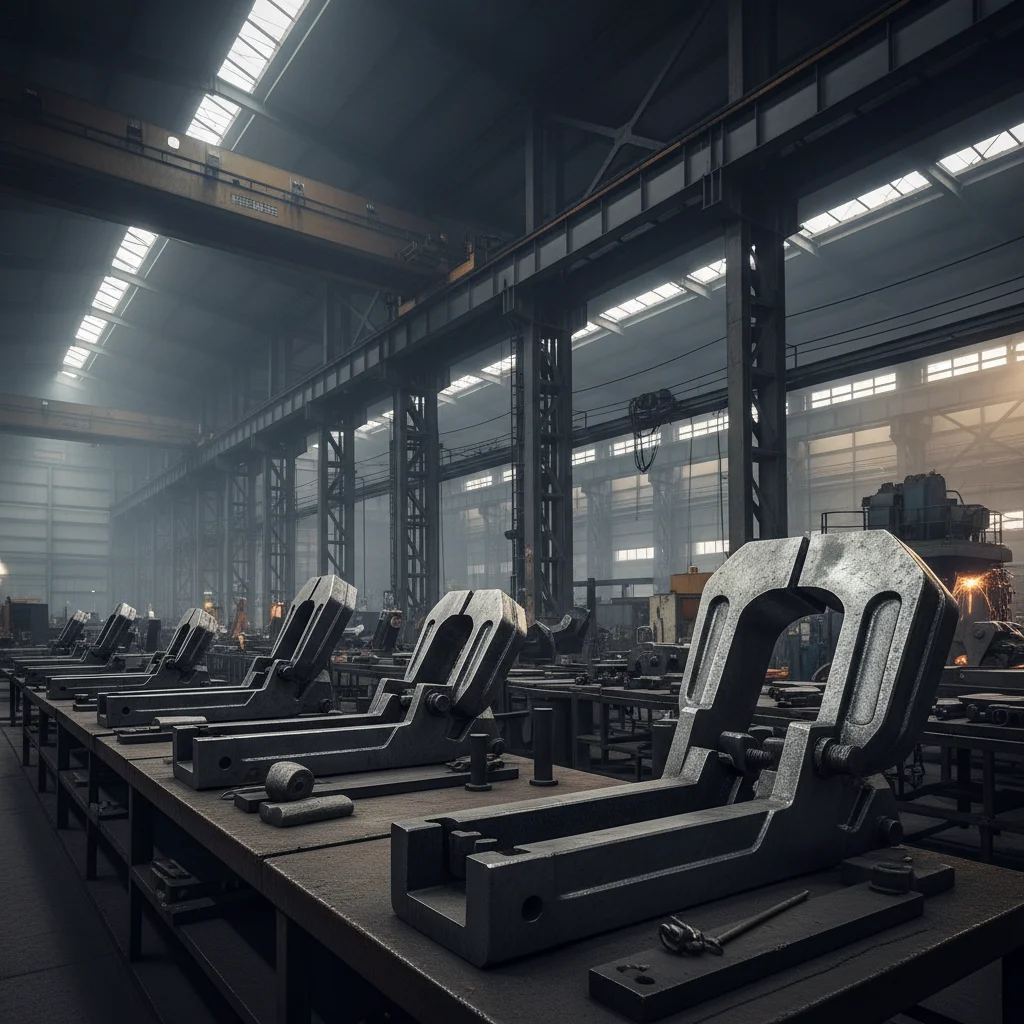
In simple terms, a fastener factory is a manufacturing facility dedicated to the production of fasteners—mechanical components like screws, bolts, nuts, rivets, and washers that join materials together mechanically. These factories use a mix of metalworking, heat treatment, and surface finishing processes to create robust fasteners suited for various applications.
Far from just mass producing tiny metal bits, these factories integrate quality assurance, custom design, and sometimes innovation in materials (like titanium or high-strength alloys). Fastener factories are the cornerstone of modern manufacturing industries, enabling everything from skyscraper construction to humanitarian shelter assembly.
Fasteners must withstand stress, corrosion, and wear. Factories employ rigorous testing—tensile strength, hardness, and fatigue—to ensure each batch meets industrial standards like ASTM or ISO.
Meeting global demand requires factories to optimize production lines with automated machinery and lean processes to scale fast, cut costs, and reduce waste.
Factories increasingly incorporate advanced alloys and coatings that enhance performance and sustainability. For example, some fasteners now use eco-friendly coatings to reduce environmental impact.
Many clients need specialized fasteners tailored for unique applications, from aerospace bolts rated for high temperature to medical-grade screws. Flexible processes support this.
Effective coordination with suppliers and distributors ensures timely delivery, crucial for industries with tight project schedules.
A fastener factory is as much about precision and innovation as it is about volume. Each component it produces has a high stake in safety and performance.
Fasteners manufactured in these factories are everywhere—from assembling cars in Detroit to building solar farms in Spain and constructing relief shelters after natural disasters like typhoons. Oddly enough, some humanitarian NGOs depend on standard fasteners to rapidly deploy disaster-resistant temporary housing.
For instance, in remote industrial zones in Africa, durable, standardized fasteners reduce downtime on heavy machinery. Aerospace giants like Airbus and Boeing rely heavily on fasteners sourced globally, where even slight deviations can cause costly issues.
| Product Type | Material | Size Range | Tensile Strength | Coatings/Finish |
|---|---|---|---|---|
| Hex Bolts | Carbon Steel, Stainless Steel | M4 - M36 | Grade 8.8 to 12.9 | Zinc Plated, Hot-Dip Galvanized |
| Self-Tapping Screws | Steel, Brass, Nylon | #4 - #14 | N/A | Phosphate, Black Oxide |
| Rivets | Aluminum, Steel | 3mm - 10mm diameter | High Shear Strength | Anodized, Plain |
Frankly, this blend of tangible benefits (like price and durability) with intangibles (like trust and innovation) makes fastener factories indispensable in modern industry.
Looking ahead, automation and robotics are increasingly integral to fastener production, boosting precision and throughput. Additive manufacturing (3D printing) is starting to make inroads for prototype fasteners and specialty components. There’s also a push for bio-based and recycled materials to reduce environmental footprint.
Digital twins and AI-driven quality control are improving predictive maintenance and reducing waste. Policy-wise, stricter environmental regulations are encouraging factories to minimize hazardous chemicals in plating and finishing.
One noteworthy trend is the integration of smart fasteners—embedded sensors that can monitor tension and detect failures before they become disasters. It’s sort of like giving fasteners a nervous system, quite fascinating!
Despite advancements, factories face challenges: material cost volatility, supply chain disruptions (as seen during the COVID-19 pandemic), and maintaining consistent quality at scale.
Moreover, workforce skill shortages in specialized metalworking and inspection can limit growth. Solutions include investing in worker training, incorporating Industry 4.0 technologies, and diversifying supplier networks.
For fastener factory operators, the key is agility—balancing tradition with innovation and being prepared for global shifts in demand and regulations.
| Vendor | Materials Offered | Min Order Quantity | Customization | Lead Time |
|---|---|---|---|---|
| AlphaFasteners | Carbon Steel, Stainless, Aluminum | 500 pcs | Yes, small batches | 3-4 weeks |
| BoltPro Manufacturing | High-Tensile Steel, Titanium | 1000 pcs | Limited | 4-6 weeks |
| EcoFast | Recycled Steel, Biodegradable Coatings | 200 pcs | Yes | 5 weeks |
In real terms, the value of a fastener factory extends beyond manufacturing. It bolsters safety, innovation, sustainability, and global industry capability. As supply chains get more complex and demands more stringent, the role of these factories will only deepen. If you’re looking for reliable components or want to learn more about sourcing quality fasteners, I recommend visiting our trusted fastener factory resource page.
Fastener factories are the unsung champions of modern industry—steady, precise, evolving—and essential for the products and infrastructure that shape our lives.
Hit enter to search or ESC to close