
February 06, 2026
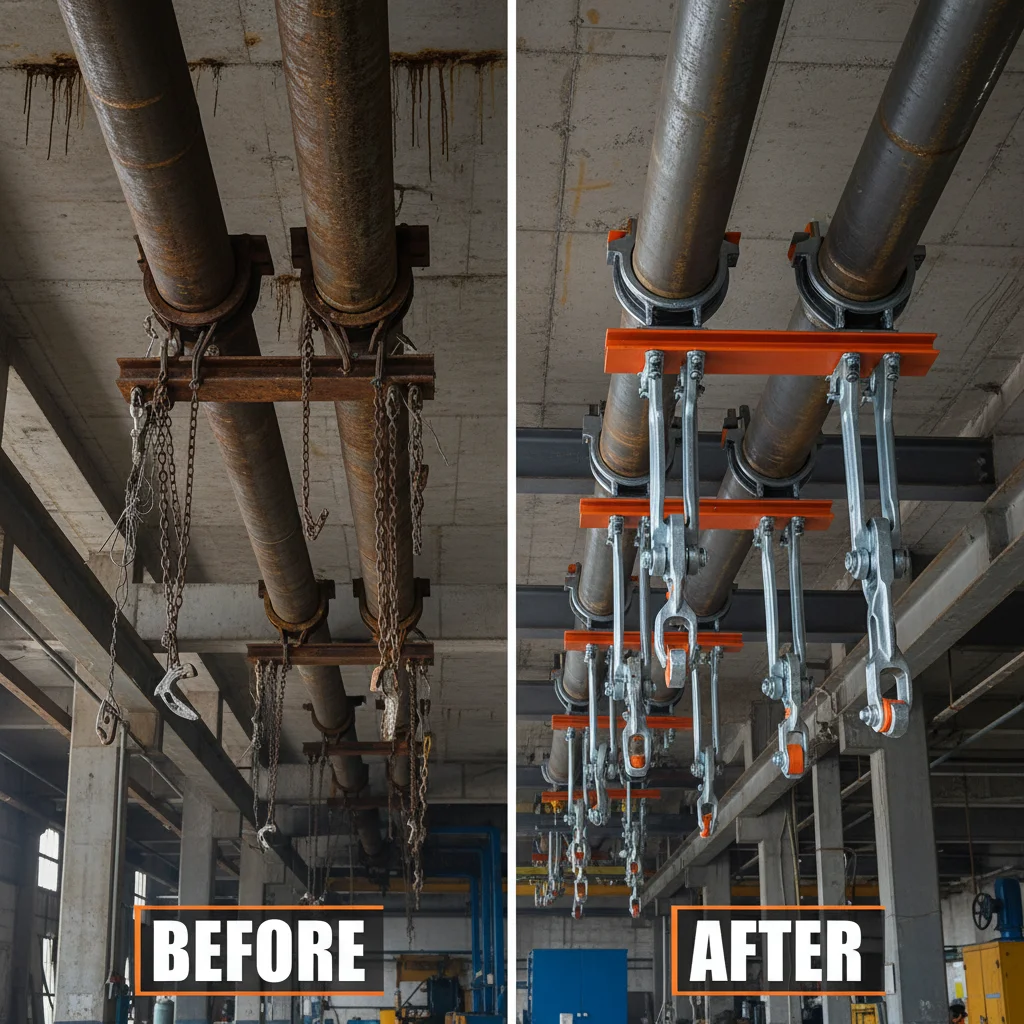
Selecting the appropriate ceiling pipe hanger is crucial for ensuring the safe and efficient support of piping systems in a variety of applications. From commercial buildings to industrial facilities, the right hanger minimizes stress on pipes, prevents sagging, and reduces the risk of costly failures. This guide will explore the different types of ceiling pipe hangers, materials, load capacities, and essential considerations for choosing the best option for your specific needs. Understanding these factors will help you make an informed decision and optimize the performance and longevity of your piping systems.
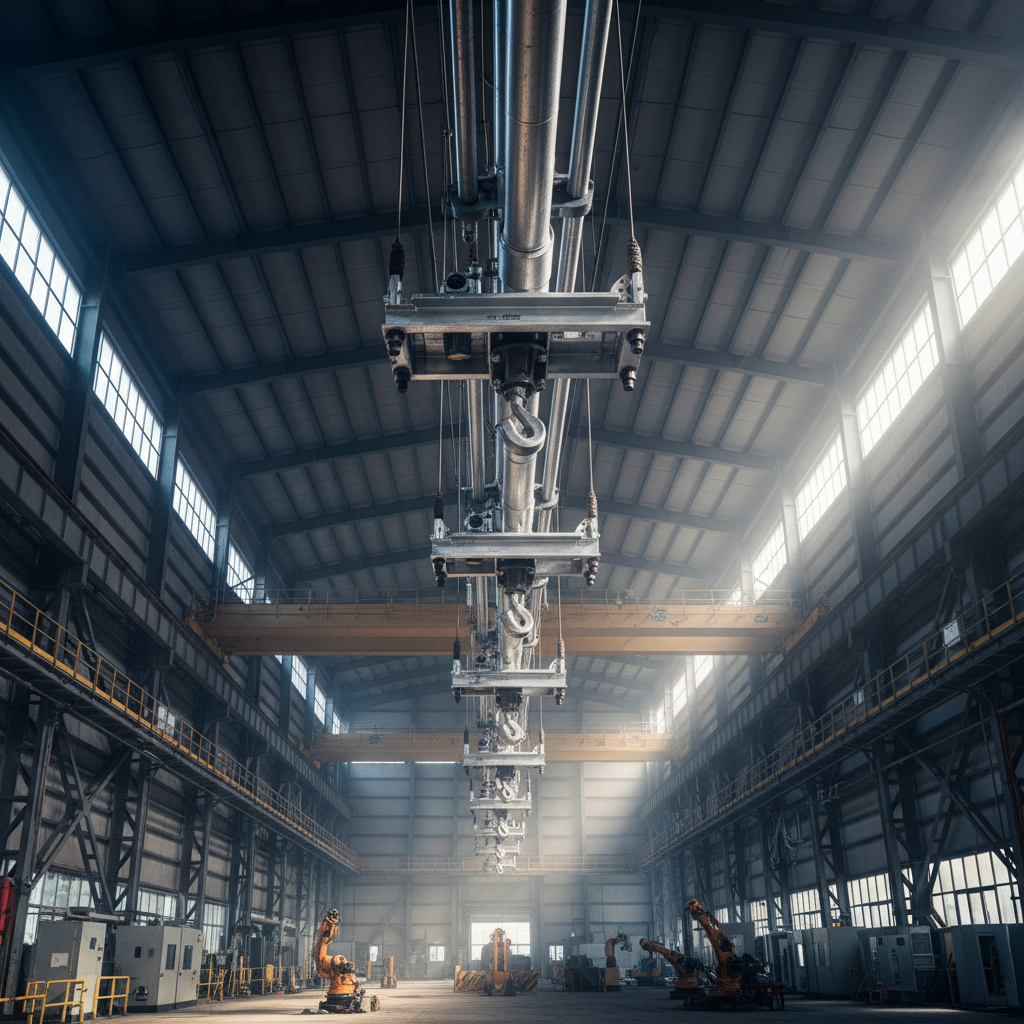
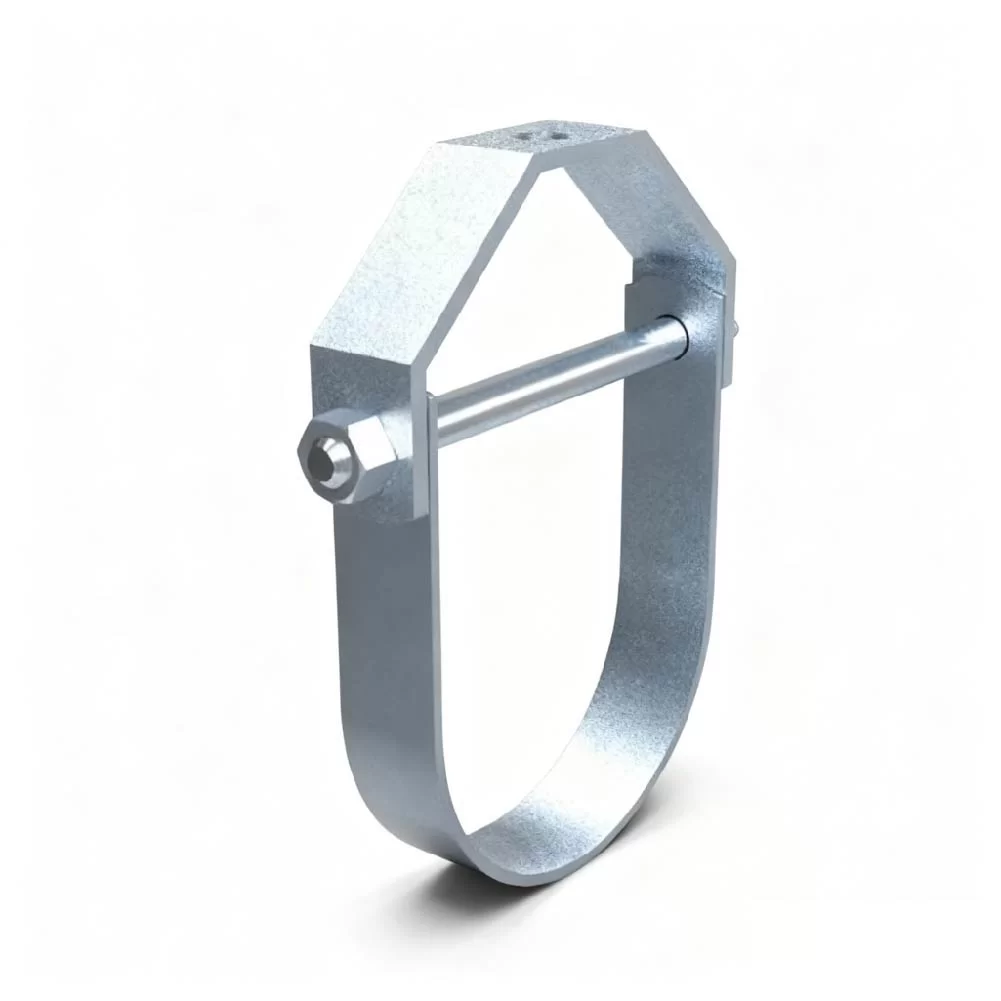
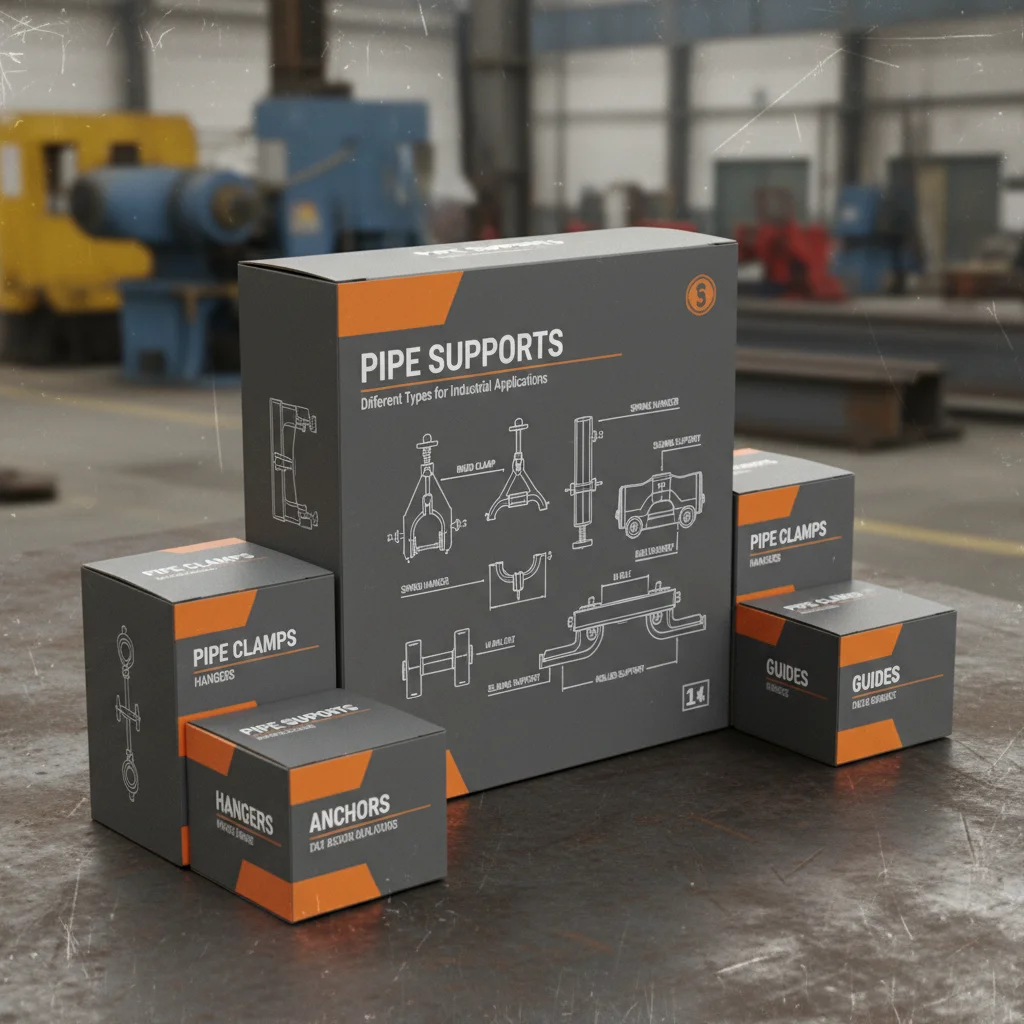
Ceiling pipe hangers come in various designs, each suited for different applications and load requirements. Common types include clevis hangers, U-bolts, adjustable hangers, and seismic hangers. Clevis hangers are versatile and economical, suitable for general-purpose piping support. U-bolts are often used for smaller diameter pipes and provide a secure grip. Adjustable hangers allow for fine-tuning of pipe height and leveling, while seismic hangers are specifically designed to withstand earthquake forces and are critical in regions prone to seismic activity. Choosing the right type depends on factors such as pipe diameter, weight, and environmental conditions.
Key Considerations: Pipe diameter, weight, environmental conditions and whether the application requires seismic resistance.
The materials used in the construction of ceiling pipe hangers significantly impact their durability, corrosion resistance, and load-bearing capacity. Common materials include carbon steel, stainless steel, and galvanized steel. Carbon steel is cost-effective and strong but susceptible to corrosion. Stainless steel offers excellent corrosion resistance, making it ideal for harsh environments. Galvanized steel provides a good balance of strength and corrosion protection at a moderate cost. The choice of material should align with the application's specific environmental factors and the type of fluid being conveyed through the pipes.
Material Comparison:
• Carbon Steel: Cost-effective, strong, but prone to corrosion.
• Stainless Steel: Excellent corrosion resistance, ideal for harsh environments.
• Galvanized Steel: Good balance of strength and corrosion protection.
Determining the appropriate load capacity is paramount when selecting ceiling pipe hangers. The load capacity must account for the weight of the pipe, the fluid it carries, insulation, and any potential dynamic loads such as vibrations or water hammer. Hangers are typically rated based on their static load capacity, which represents the maximum weight they can support under stationary conditions. It's essential to select hangers with a safety factor, typically 2:1 or higher, to account for unforeseen loads and ensure long-term reliability. Accurate load calculations are essential to prevent hanger failure and potential safety hazards.
In areas prone to seismic activity, utilizing seismic-rated ceiling pipe hangers is non-negotiable. These hangers are engineered to withstand the dynamic forces generated during an earthquake, preventing pipe rupture and minimizing the risk of damage and injury. Seismic hangers incorporate features like flexible bracing and energy-dissipating mechanisms to absorb shock and maintain piping system integrity. Compliance with local building codes and seismic regulations is critical when selecting and installing these hangers.
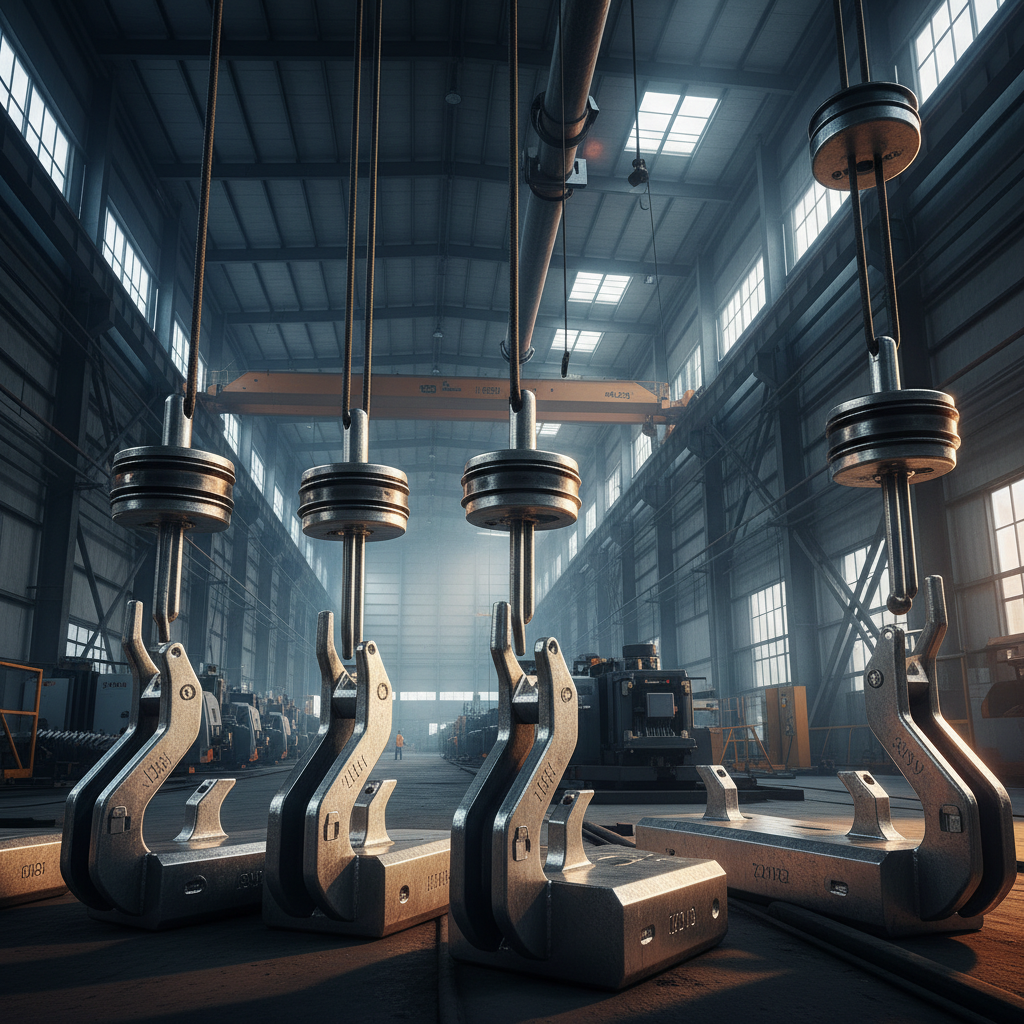
Correct installation and regular maintenance are crucial for the long-term performance of ceiling pipe hangers. Ensure hangers are securely attached to both the ceiling structure and the pipe, using appropriate fasteners. Regular inspections should be conducted to check for corrosion, loose connections, and signs of wear. Promptly address any issues to prevent hanger failure and maintain the integrity of the piping system. Documenting inspection and maintenance activities is recommended for compliance and traceability.
Choosing the right ceiling pipe hanger is a critical aspect of any piping system installation. By carefully considering factors such as pipe diameter, load capacity, material compatibility, and seismic requirements, you can ensure the safety, reliability, and longevity of your systems. TopFastener offers a comprehensive range of high-quality pipe hangers to meet your specific needs.
The recommended spacing for ceiling pipe hangers depends on several factors, including pipe diameter, material, and weight. Generally, for smaller diameter pipes (2-4 inches), a spacing of 8-12 feet is common. For larger diameter pipes, the spacing may need to be reduced to 6-8 feet. Always consult relevant building codes and engineering guidelines for specific requirements. It’s best practice to err on the side of caution and use closer spacing, especially for heavier pipes or in areas prone to vibration.
Calculating the load capacity requires considering several factors. First, determine the weight of the pipe per foot, including any insulation or fittings. Then, calculate the total weight of the pipe run supported between hangers. Add a safety factor, typically 2:1 or higher, to account for dynamic loads, water hammer, or unforeseen stresses. Ensure the selected hangers have a load capacity that exceeds the calculated total load with the safety factor. Consulting a qualified engineer is recommended for complex piping systems or critical applications.
Rigid pipe hangers, like clevis hangers, provide fixed support and are suitable for static loads. Flexible pipe hangers, such as spring hangers, allow for limited movement and are used to accommodate thermal expansion and contraction. Choosing the right type depends on the piping system's design and operating conditions. If the piping system is subject to significant temperature fluctuations, flexible hangers are essential to prevent stress on the pipes and connections.
While galvanized steel offers good corrosion resistance, it's not suitable for all environments. In highly corrosive environments, such as those exposed to saltwater or harsh chemicals, stainless steel hangers are recommended. Galvanized steel can corrode over time in these conditions, leading to hanger failure and potential safety hazards. Always consider the specific environmental factors when selecting hanger materials.
Hit enter to search or ESC to close