clamps use are fundamental components across a vast array of industries, from construction and manufacturing to plumbing and automotive. Their primary function – securely joining two or more parts – is critical for the safety, efficiency, and longevity of countless structures and machines. Understanding the nuances of clamps use, including material selection, application techniques, and emerging technologies, is increasingly important in a world demanding greater precision, reliability, and cost-effectiveness.
The global market for clamps is substantial and growing, driven by factors such as infrastructure development, industrial expansion in emerging economies, and the increasing need for efficient fastening solutions. According to industry reports, the global clamps market is projected to reach billions of dollars in the coming years. This growth underscores the crucial role clamps use play in supporting global economic activity and innovation.
Moreover, advancements in materials science and manufacturing processes are leading to the development of specialized clamps designed for specific applications. These innovations not only improve performance but also address concerns around sustainability and environmental impact, making a comprehensive understanding of clamps use essential for modern engineering practices.

Introduction to Clamps Use
clamps use encompass a diverse range of fastening methods, utilizing mechanical advantage to securely hold objects together. These tools are indispensable in a multitude of applications, from simple DIY projects to complex industrial assembly lines. The selection of the appropriate clamp for a given task is crucial, factoring in considerations such as load requirements, material compatibility, and the desired level of precision.
Understanding the underlying principles of clamps use, including the distribution of force and the prevention of slippage, is paramount for achieving reliable and consistent results. This knowledge is essential not only for professionals in manufacturing and engineering but also for anyone involved in construction, repair, or fabrication. The efficient and effective clamps use directly translates to improved product quality, reduced waste, and enhanced safety.
Defining Clamps Use
At its core, clamps use refers to the process of applying a compressive force to hold two or more objects firmly together. This can be achieved through a variety of mechanisms, including screws, levers, springs, or wedges. The primary goal of clamps use is to create a secure connection that resists separation, enabling further operations such as welding, gluing, or machining.
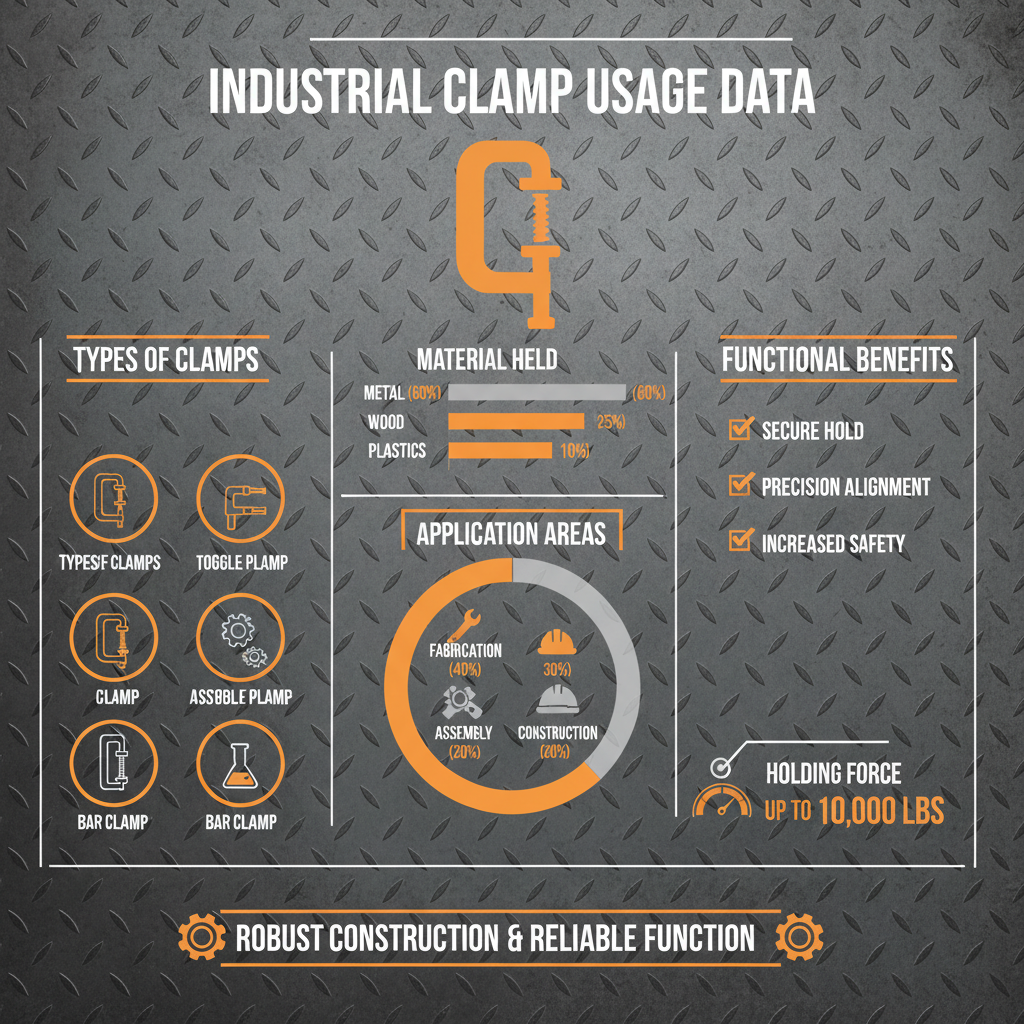
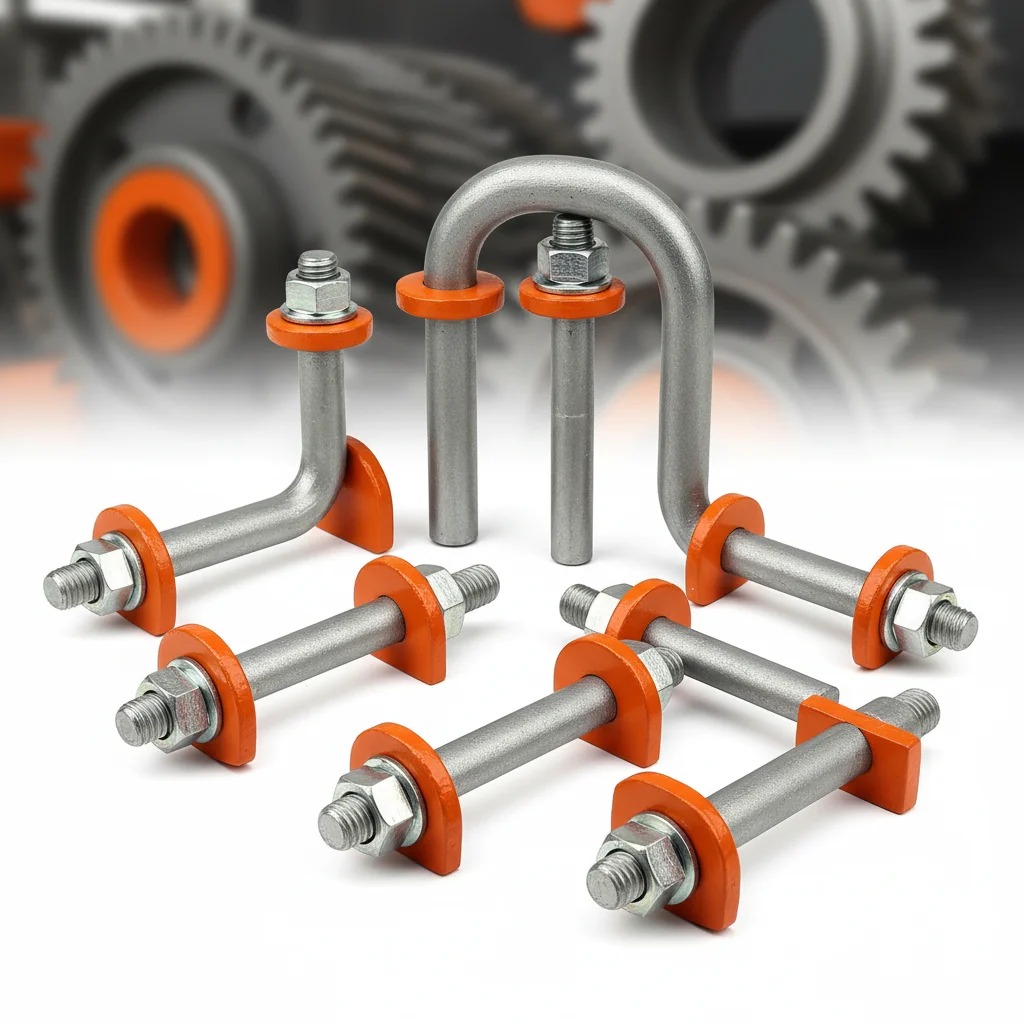
The versatility of clamps use stems from the wide range of available designs, each tailored to specific applications. From simple spring clamps for holding lightweight materials to heavy-duty C-clamps for securing large metal components, the options are extensive. Proper definition of application need leads to the right types of clamps use.
In a broader context, clamps use contributes significantly to modern industry and humanitarian efforts. In manufacturing, they are essential for assembling products efficiently and accurately. In disaster relief, clamps use can quickly create temporary structures or secure debris for safe removal.
Core Components of Effective Clamps Use
Several key factors contribute to effective clamps use. Durability is paramount, as clamps are often subjected to significant stress and wear. The materials used in their construction – typically steel, aluminum, or high-strength polymers – must be able to withstand repeated use and harsh environmental conditions. The right clamps use selection can ensure long-term durability.
Force Application is another critical component. Clamps must be able to generate sufficient pressure to hold objects securely without causing damage. The design of the clamping mechanism, including the leverage ratio and surface area of the clamping jaws, plays a significant role in determining the amount of force applied.
Versatility is crucial, allowing clamps to accommodate a wide range of shapes, sizes, and materials. Adjustable clamps with interchangeable jaws or pads offer greater flexibility. Ease of Use simplifies workflow, minimizing setup time and reducing operator fatigue. Material Compatibility ensures that the clamp does not react with or damage the materials being clamped. Finally, Safety Features like locking mechanisms and ergonomic handles protect users from injury.
Global Applications and Use Cases
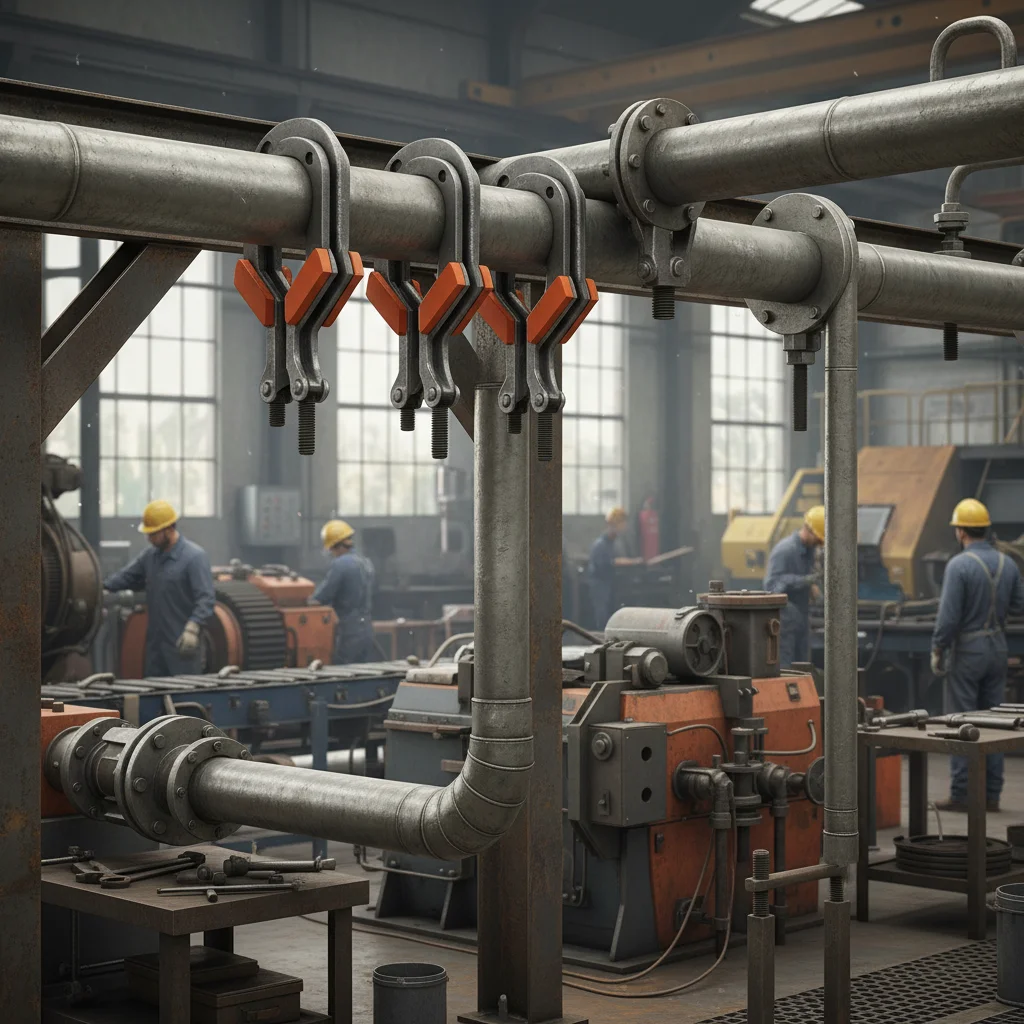
The applications of clamps use are incredibly diverse, spanning countless industries and regions. In the construction sector, clamps are used to secure scaffolding, join structural elements, and position materials during assembly. In manufacturing, they are essential for holding parts in place during welding, machining, and gluing.
Automotive production relies heavily on clamps use for assembling vehicle bodies, engine components, and interior features. The marine industry uses specialized clamps to secure boat hulls, deck fittings, and rigging. The aerospace industry demands high-precision clamps for assembling aircraft structures and engines.
In post-disaster relief operations, clamps use are vital for quickly erecting temporary shelters and securing damaged structures. In remote industrial zones, where access to specialized equipment may be limited, clamps provide a simple and reliable means of fastening and assembly.
Comparative Analysis of Clamps Use Methods
Advantages and Long-Term Value
The benefits of proper clamps use extend far beyond simply holding objects together. Cost efficiency is a major advantage, as clamps are often reusable and require minimal maintenance. Their durability translates to long-term value, reducing the need for frequent replacements.
Sustainability is another key benefit, particularly when using clamps made from recycled or renewable materials. Furthermore, clamps use significantly enhances safety by providing a secure and stable work environment. The peace of mind knowing that components are firmly held in place is invaluable, especially in critical applications.
Future Trends and Innovations
The field of clamps use is constantly evolving, driven by advancements in materials science and manufacturing technology. The increasing adoption of automation and robotics is leading to the development of self-adjusting and smart clamps that can optimize clamping force and monitor performance in real-time.
New materials, such as lightweight composites and high-strength alloys, are being explored to improve the performance and durability of clamps. Furthermore, the integration of sensors and data analytics is enabling predictive maintenance, allowing users to identify potential failures before they occur.
Challenges and Solutions in Clamps Use
Despite their widespread use, clamps use are not without challenges. One common issue is the risk of over-tightening, which can damage delicate materials. Another challenge is selecting the appropriate clamp for a specific application, given the vast array of available options.
Solutions to these challenges include the development of torque-limiting clamps that prevent over-tightening and the creation of online resources and training programs that educate users on proper clamp selection and application techniques. The introduction of smart clamps with integrated sensors can also help to optimize clamping force and provide real-time feedback.
Addressing material compatibility concerns is also vital. Choosing clamps constructed from materials resistant to corrosion or chemical reactions ensures long-term reliability and prevents contamination of the work piece.
Analysis of Common Clamps Use Problems and Mitigation Strategies
| Problem Description |
Root Cause |
Mitigation Strategy |
Severity (1-10) |
| Clamp slippage during operation |
Insufficient clamping force, smooth surface contact |
Increase clamping force, use non-slip pads |
7 |
| Damage to work piece |
Excessive clamping pressure, improper clamp selection |
Reduce clamping force, choose appropriate clamp |
8 |
| Clamp corrosion |
Exposure to corrosive environments, unsuitable materials |
Use corrosion-resistant clamps, protective coatings |
6 |
| Difficulty in clamp adjustment |
Poor clamp design, inadequate ergonomics |
Choose clamps with easy-to-use adjustment mechanisms |
5 |
| Clamp failure under load |
Material fatigue, exceeding clamp capacity |
Regular inspection, replace worn clamps |
9 |
| Incorrect clamp type for application |
Lack of knowledge, improper assessment of needs |
Training, detailed application analysis |
4 |
FAQS
When choosing a clamp, consider the material being clamped, the required clamping force, the shape and size of the workpiece, and the environment in which the clamp will be used. Ensuring the clamp's capacity exceeds the expected load is critical for safety. Selecting the right clamp significantly improves the quality and security of the assembled components.
Clamps should be inspected regularly, especially in high-use applications. Look for signs of corrosion, cracks, stripped threads, or damage to the clamping surfaces. Frequent inspection can prevent failures and ensure continued safe operation. Daily checks are recommended for critical applications, while monthly inspections are suitable for less demanding scenarios.
Always wear appropriate personal protective equipment (PPE), such as safety glasses and gloves. Never exceed the clamp's rated capacity. Ensure the clamp is securely positioned and properly tightened before beginning work. Avoid using damaged or worn clamps, and never modify a clamp in a way that compromises its structural integrity.
Clamps can be used on brittle materials, but extreme caution is required. Use clamping pads or protective layers to distribute the force evenly and prevent stress concentrations. Reduce the clamping force to the minimum necessary to hold the parts securely. Avoid over-tightening, which can easily cause cracking or breakage.
Quick-release clamps offer significant time savings and increased efficiency, particularly in repetitive tasks. They allow for rapid clamping and unclamping, reducing setup time and improving workflow. These clamps are especially useful in environments where frequent adjustments are needed. Proper selection of the quick-release clamp type will give the most efficiency.
Steel clamps offer high strength and durability but can be susceptible to corrosion. Aluminum clamps are lightweight and corrosion-resistant but have lower strength. Plastic clamps are ideal for non-marring applications but have limited load capacity. The choice of material depends on the specific application requirements and environmental conditions.
Conclusion
clamps use are far more than simple fastening tools; they are foundational components across countless industries, contributing to safety, efficiency, and innovation. Understanding the principles of effective clamps use—from material selection and force application to emerging technologies—is essential for professionals and hobbyists alike. Their versatility, combined with ongoing advancements, ensures their continued relevance in a rapidly evolving world.
Looking ahead, the future of clamps use lies in smart, automated solutions that optimize performance and reduce the risk of errors. Embracing these innovations will unlock new levels of productivity and reliability, further solidifying the crucial role clamps use play in building and maintaining our modern world. To learn more about finding the right clamps for your specific needs, visit our website: www.topfastener.com.