
April 16, 2026
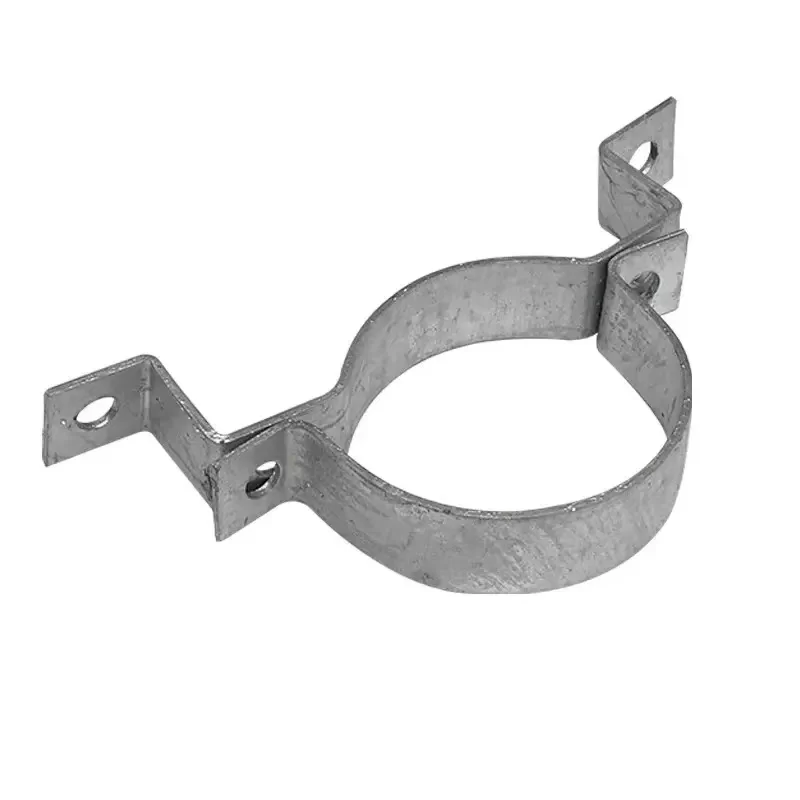
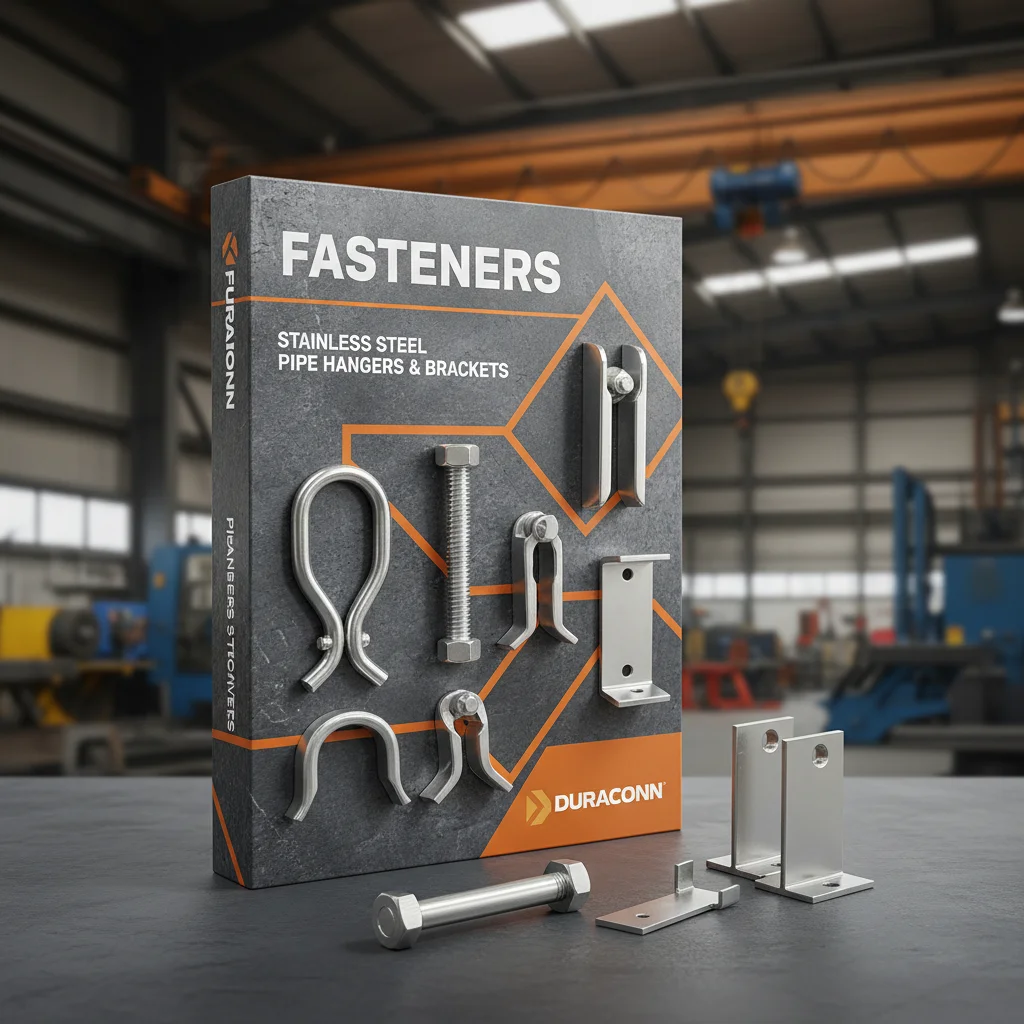
In the world of industrial piping and structural engineering, maintaining the integrity of a pipeline against thermal expansion, vibration, and mechanical stress is critical. A bolt on pipe shoe provides a professional solution for supporting pipes while ensuring they remain insulated and securely positioned. Unlike welded supports, the bolt-on variety offers unmatched flexibility during installation and maintenance. Whether you are dealing with high-temperature steam lines or chemical transport systems, choosing the right support system can prevent costly downtime and potential safety hazards. In this guide, we will explore the technical advantages and application strategies for these essential components.
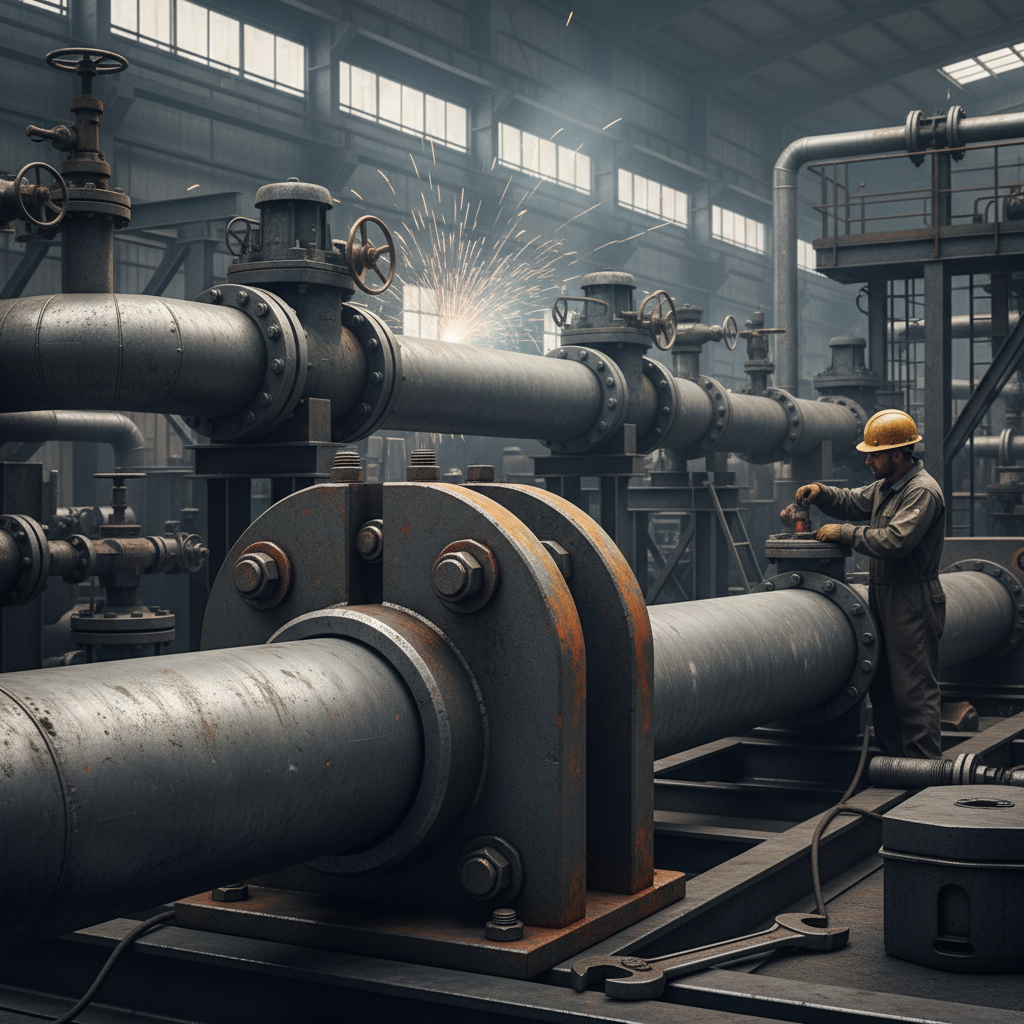
The primary advantage of utilizing a bolt on pipe shoe is the elimination of onsite welding. Welding directly onto a pipe can create heat-affected zones (HAZ), which may weaken the pipe wall or compromise internal linings and coatings. By using a bolted clamping mechanism, engineers can maintain the original structural integrity of the piping material. Additionally, these shoes allow for easier adjustments during the alignment process, significantly reducing labor hours during the construction phase of a plant. This modular approach is particularly beneficial in facilities where "hot work" permits are strictly regulated or prohibited due to the presence of flammable materials.
Key Benefit: Bolt-on designs protect the pipe's external insulation (cladding), allowing the support to be installed without breaking the thermal barrier, thereby preventing corrosion under insulation (CUI).
Selecting the correct material for your bolt on pipe shoe is vital for ensuring longevity and safety. Depending on the environmental conditions—such as salinity, humidity, or chemical exposure—different materials are required. Carbon steel is the industry standard for general applications, while stainless steel (304 or 316) is preferred for corrosive environments. For extreme temperatures, alloy steels are employed to prevent creep and deformation. It is essential to match the shoe material with the pipe material to avoid galvanic corrosion, which occurs when two dissimilar metals come into contact in the presence of an electrolyte.
Material Comparison Guide:
• Carbon Steel: Cost-effective, high strength, requires painting/galvanizing.
• Stainless Steel: Superior corrosion resistance, ideal for food/pharma.
• Galvanized Steel: Enhanced weather protection for outdoor installations.
When deciding between a bolt on pipe shoe and a traditional welded shoe, the decision usually comes down to a trade-off between initial cost and long-term flexibility. Welded shoes are often perceived as "permanent" and highly rigid, but they are difficult to remove or replace without damaging the pipe. In contrast, bolt-on shoes provide a non-destructive installation method. This is a game-changer for modular construction where piping sections are pre-fabricated and assembled on-site. The following table highlights the key differences to help you make an informed engineering decision.
The versatility of the bolt on pipe shoe makes it a staple in several heavy industries. In Oil and Gas refineries, where pipelines carry volatile substances at extreme temperatures, these supports allow for the necessary thermal expansion without compromising the pipe's structure. In Pharmaceutical plants, the use of stainless steel bolt-on shoes ensures a sterile environment by avoiding the slag and residue associated with welding. Furthermore, in Power Generation facilities, these supports are used to manage the weight of massive steam lines, ensuring that the load is distributed evenly across the support beams.
To ensure a secure fit and optimal load-bearing capacity, it is crucial to adhere to precise specifications. The bolt on pipe shoe must be sized according to the Outer Diameter (OD) of the pipe and the anticipated weight of the fluid-filled system. Over-tightening can lead to pipe deformation, while under-tightening can cause the shoe to slip during thermal cycles. Engineering teams typically refer to the following standard specification table for selection:
To maximize the efficiency of a bolt on pipe shoe, installation must be carried out with precision. First, ensure that the pipe surface is clean and free of debris. Second, verify that the shoe is perfectly perpendicular to the pipe axis to avoid introducing unwanted lateral stresses. Third, utilize a calibrated torque wrench to tighten the bolts to the manufacturer's specified values. This prevents the clamping force from being uneven, which could lead to the shoe rotating or sliding under load. Finally, periodic inspections should be scheduled to check for bolt loosening caused by systemic vibration.
Implementing a bolt on pipe shoe system is a strategic decision that balances structural rigidity with operational flexibility. By reducing the need for onsite welding and providing a non-invasive support method, these components protect the lifespan of the piping and simplify future maintenance. Whether you are optimizing a new build or upgrading an existing facility, investing in high-quality, precisely engineered pipe supports is the key to operational safety and efficiency. Choose the right material and specification to ensure your infrastructure stands the test of time.
Yes, absolutely. In fact, one of the biggest advantages of the bolt-on design is its compatibility with insulation. Because the shoe clamps around the pipe, it can be installed in a way that allows the insulation and outer cladding to remain intact or be easily wrapped around the support. This prevents "thermal bridging" and protects the pipe from Corrosion Under Insulation (CUI), which is a common failure point in welded supports where the insulation is often breached.
Determining the load capacity requires a calculation of the "dead weight" (the pipe and the shoe itself) and the "operating weight" (the pipe, shoe, and the weight of the fluid inside). You must also account for dynamic loads, such as wind, seismic activity, or fluid surges. We recommend consulting a structural engineer or using the load charts provided on the TopFastener website to ensure the selected shoe can support the total calculated load with a sufficient safety margin.
If installed correctly and torqued to specification, the risk of slipping is minimal. The friction created by the clamping force is designed to hold the pipe securely. However, for pipes subject to extreme longitudinal movement, engineers often use the bolt-on shoe in conjunction with a "sliding plate" or Teflon pad at the base of the shoe. This allows the pipe to move horizontally as it expands and contracts while the shoe continues to provide vertical support without gripping the support beam too tightly.
A typical maintenance schedule involves a visual inspection every 6 to 12 months. Inspectors should look for signs of corrosion on the bolts, any visible gaps between the clamp and the pipe, and the overall alignment of the piping system. In environments with high vibration, it is recommended to check the bolt torque every 3 months to ensure that nothing has loosened. Using locking nuts or spring washers can further reduce the frequency of required maintenance.
Hit enter to search or ESC to close