
December 08, 2025
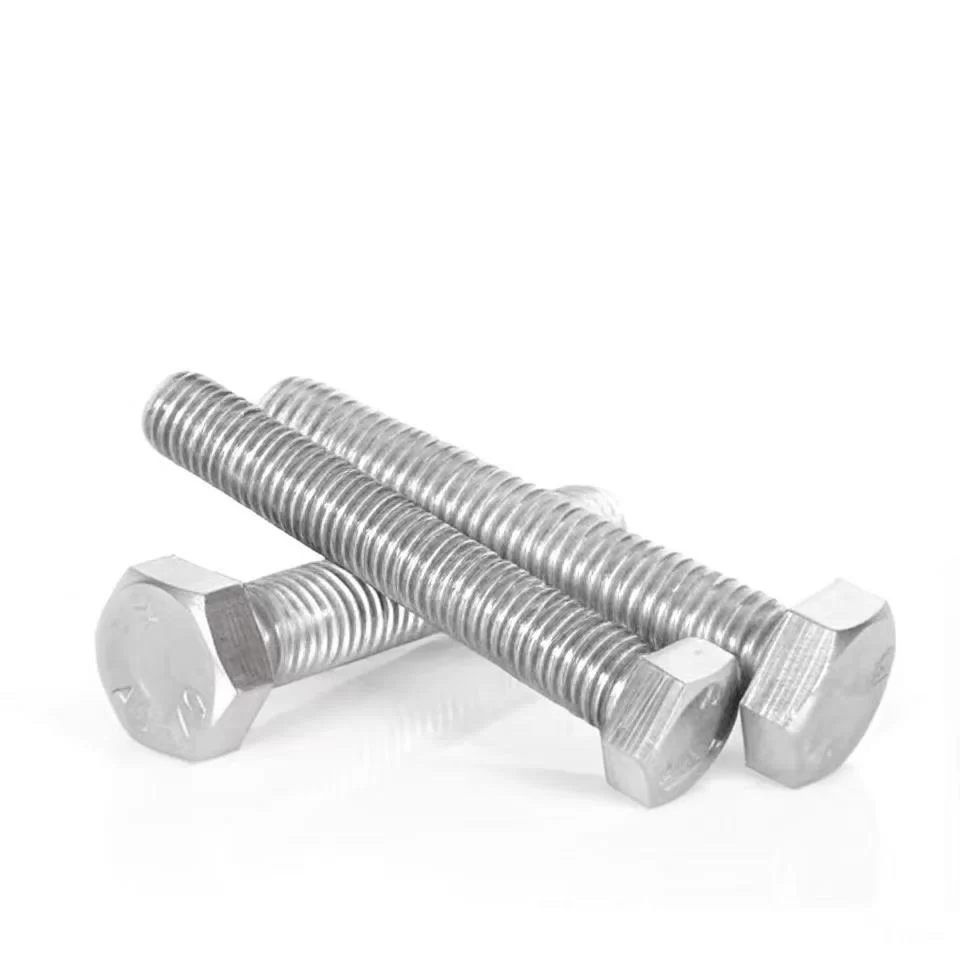
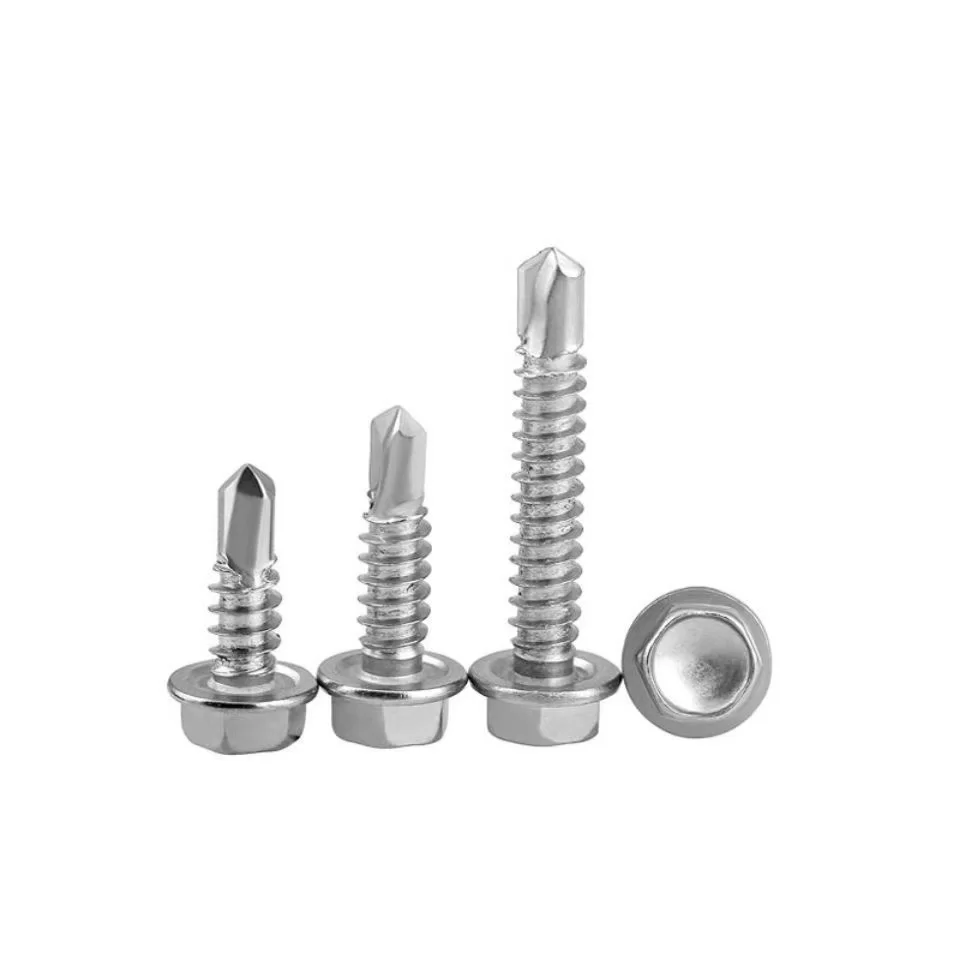
Having worked in the industrial equipment sector for over a decade, I’ve seen how something as seemingly straightforward as an astener dimension can quietly make or break a project. The term might initially sound dry, but it’s really where engineering precision meets real-world reliability. In fact, if the dimensions of your fasteners — bolts, screws, nuts — aren’t spot on, you’re flirting with downtime, safety issues, or costly rework.
Oddly enough, many people outside this world don’t get just how intricate the design and specification process is for fasteners. It’s not just length and diameter. You’ve got thread pitch, head shape, tensile strength, and surface treatments all interacting. And each dimension has to align perfectly with the material properties of the equipment components they hold together.
For instance, when I was overseeing assembly lines at a manufacturing plant in Ohio, we switched to a batch of fasteners with slightly different dimensional specs. Nothing major on paper, but the result? Equipment started complaining — if I can put it that way — with vibrations and odd noises. Eventually, a closer look revealed the astener dimension mismatch had caused micro-movements under stress, leading to faster wear.
| Specification | Typical Range | Notes |
|---|---|---|
| Outer Diameter | M6 - M24 (metric) | Standard metric fastener sizes |
| Length | 10 mm - 150 mm | Varies by application |
| Thread Pitch | 0.8 mm - 3.0 mm | Fine vs coarse threads |
| Head Type | Hex, Socket, Pan | Depends on tools & torque requirements |
| Material Grade | A2 Stainless, Grade 8.8 Steel | Corrosion resistance and strength |
Now, talking about manufacturers — you know, when you’ve been around as long as I have, you get a sense of who really values precision on these dimensions and who may cut corners. This can be critical when your equipment is destined for harsh environments (say, offshore rigs or heavy manufacturing).
| Vendor | Dimensional Tolerance | Material Certification | Customization Options |
|---|---|---|---|
| TopFastener | ±0.05 mm | ISO 9001, Material Test Reports | Thread pitch, length, head type |
| FastenCo | ±0.1 mm | Basic material certifications | Limited |
| BoltMasters | ±0.08 mm | ISO 14001 | Basic customization |
One of my favorite quick stories involves a client who was assembling heavy equipment for automated packaging. Initially, they sourced fasteners without stringent dimensional controls. After several premature failures, they made the switch to suppliers like TopFastener, who not only guaranteed tighter astener dimension tolerances but backed it with quality certifications. The difference? Equipment uptime increased by nearly 15%, and warranty claims dropped substantially. For a plant running 24/7, that’s a huge win.
In real terms, what should you take away about astener dimension? It’s definitely worth the attention and investment. The right dimensions ensure your fasteners fit precisely, handle the load, and last longer under stress. Customization isn’t just a “nice to have” — it often becomes essential when specs push beyond typical limits or environments demand corrosion or heat resistance.
All that said, from my experience, always ask for detailed dimension sheets and certifications before committing. And you know, sometimes trust is built behind the scenes with the kind of precise engineering only seasoned vendors really nail.
Feel free to explore options at TopFastener — their catalog and technical support make specifying astener dimension surprisingly painless.
To wrap this up: paying close attention to fastener dimensions may sound like a minor detail, but frankly, it’s one of those things that’s easy to overlook until it causes a headache — so don’t wait. Be proactive, ask questions, and your machines will thank you for it.
References:
Hit enter to search or ESC to close


![Chain Link 3″ [2 7/8″ OD] Industrial Gate Box Hinge – Butt Hinge (Pressed Steel)](https://images.cnmqh.com/images/a10068/f1-20260414064622.webp "Chain Link 3″ [2 7/8″ OD] Industrial Gate Box Hinge – Butt Hinge (Pressed Steel)")