
December 07, 2025
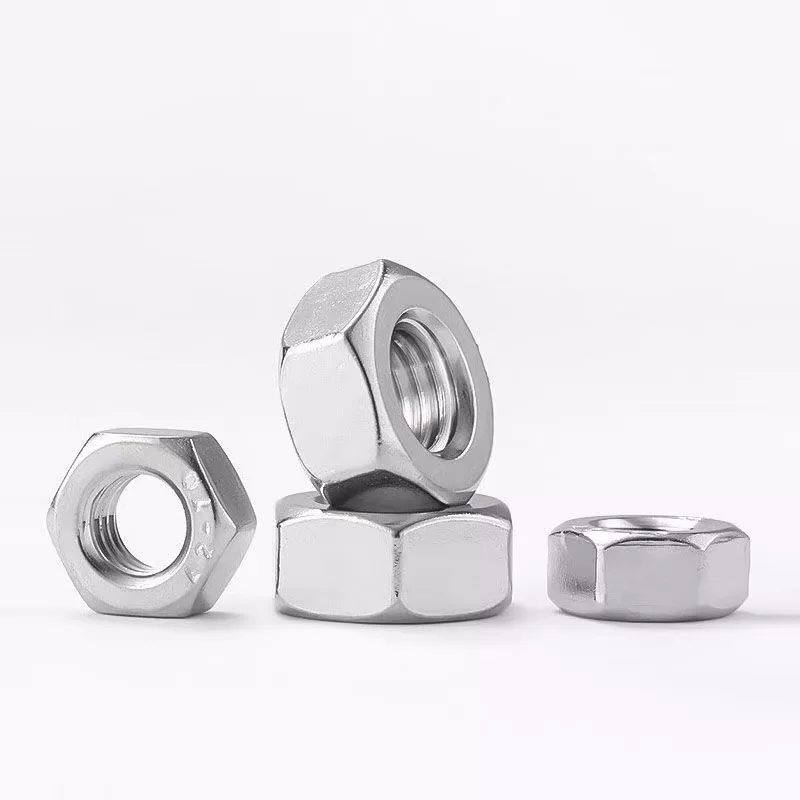
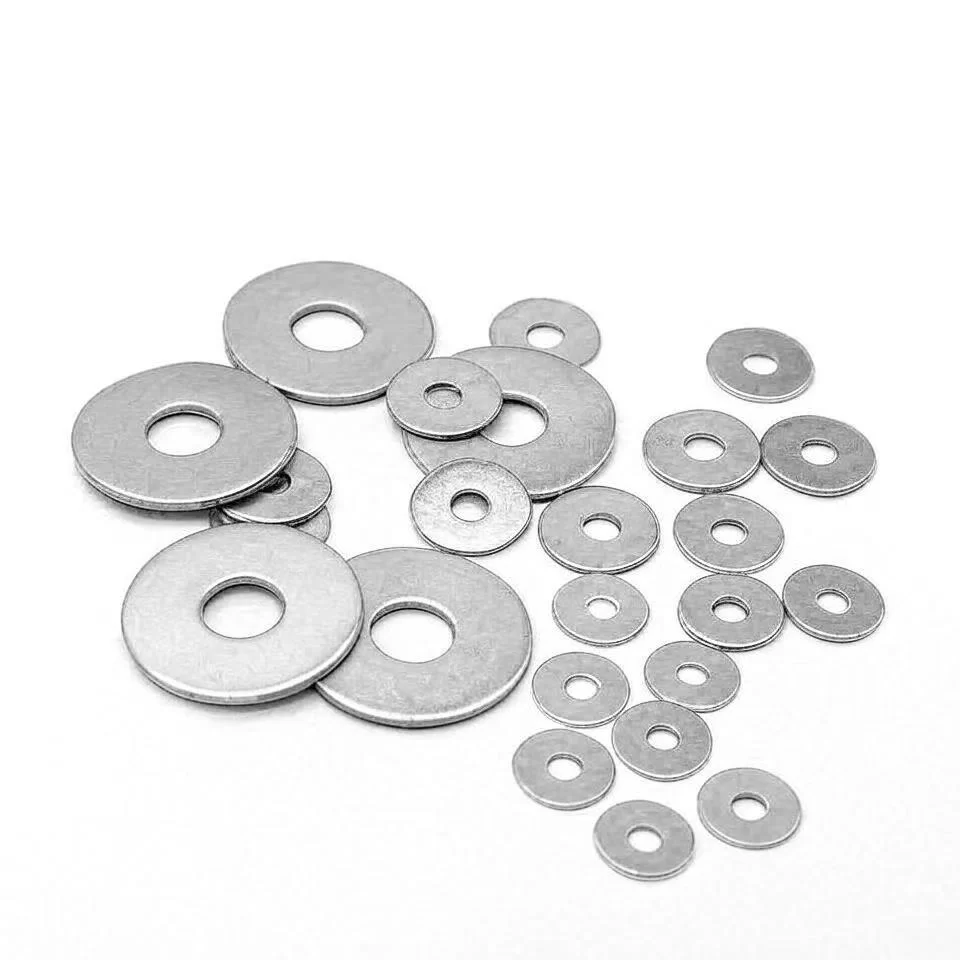
Having worked in the industrial equipment sector for over a decade, I can tell you one thing for sure — the humble fastener often doesn’t get the attention it deserves. Yet, these small components are the backbone of countless assemblies, holding everything together, from heavy machinery to aerospace applications. Sometimes, when I’ve dug into the nitty-gritty, a good fastener PDF has been my best friend. Whether it's detailed specs or installation guidelines, those PDFs often unlock the info you need quickly, without flipping through bulky catalogs or endless websites.
To put it frankly, the world of fasteners feels surprisingly complex once you dive deeper. There are different grades of steel, coatings, threading standards, and of course, the critical specs like tensile strength and corrosion resistance. Having a PDF that gathers all these details clearly laid out can be a real time saver — especially when you’re juggling tight deadlines.
Oddly enough, many engineers I’ve met prefer printed PDFs to digital try-ons because the datasheets tend to be consistent and trustworthy — the most up-to-date versions from manufacturers, right at your fingertips. I suppose it’s the reliability factor; you’re not guessing about a torque value or compatibility since it’s officially documented.
| Specification | Typical Values/Details |
|---|---|
| Material | Carbon Steel, Stainless Steel (304, 316), Alloy Steel |
| Coating/Finish | Zinc Plating, Black Oxide, Hot-Dip Galvanized |
| Thread Type | UNC, UNF, Metric, Acme, Whitworth |
| Tensile Strength | From 400 MPa up to 1500 MPa depending on grade |
| Standards | ISO, DIN, ASTM, SAE |
| Sizes | M1.6 to M100+, 1/4" to 4"+ |
Now, in real terms, having these specs arranged neatly in a PDF helps not only in procurement but also on the shop floor where quick referencing saves precious minutes. I remember a time when a client was installing heavy-duty bolted connections on-site, and their main request was “Do you have something that lays out all torque specs clearly?” That’s when I handed over a comprehensive PDF from a verified source — saved the installation crew a lot of back-and-forth.
Since trustworthiness is key, I’ve seen firsthand how the choice of vendor impacts project success. You know, it’s not just about price—you want quality, certifications, consistent supply, and support. Here’s a quick comparison I put together based on experience with some common vendors in the fastener space.
| Vendor | Quality Certifications | Product Range | Lead Times | Customer Support |
|---|---|---|---|---|
| TopFastener | ISO 9001, RoHS | Extensive (industrial & specialty) | 2-5 days typical | Responsive & technical |
| Global Bolts Inc. | ISO 14001, ASTM compliant | Wide, general purpose | 1-2 weeks | Standard support |
| SteelFix Supplies | CE Mark, ISO 9001 | Specialized & custom | Varies by order | Expert technical advice |
Considering these vendors, I’ve noticed that those who provide well-maintained product PDFs or datasheets often tend to care more about customer success — they streamline the ordering process and reduce guesswork. If you ask me, the availability of a detailed fastener PDF from your vendor should be a minimum requirement.
In closing, whether you’re sourcing common hex bolts or specialized fasteners, having solid documentation in the form of a well-organized fastener PDF isn’t just a convenience. It’s a vital tool that supports quality control, speeds up assembly, and builds confidence across the team. And oddly enough, once you get used to that kind of clarity, you’ll wonder how you managed without it.
Takeaway: Never underestimate the value of precise documentation — in industrial fasteners, it’s often the difference between a good job and a great one.
Hit enter to search or ESC to close


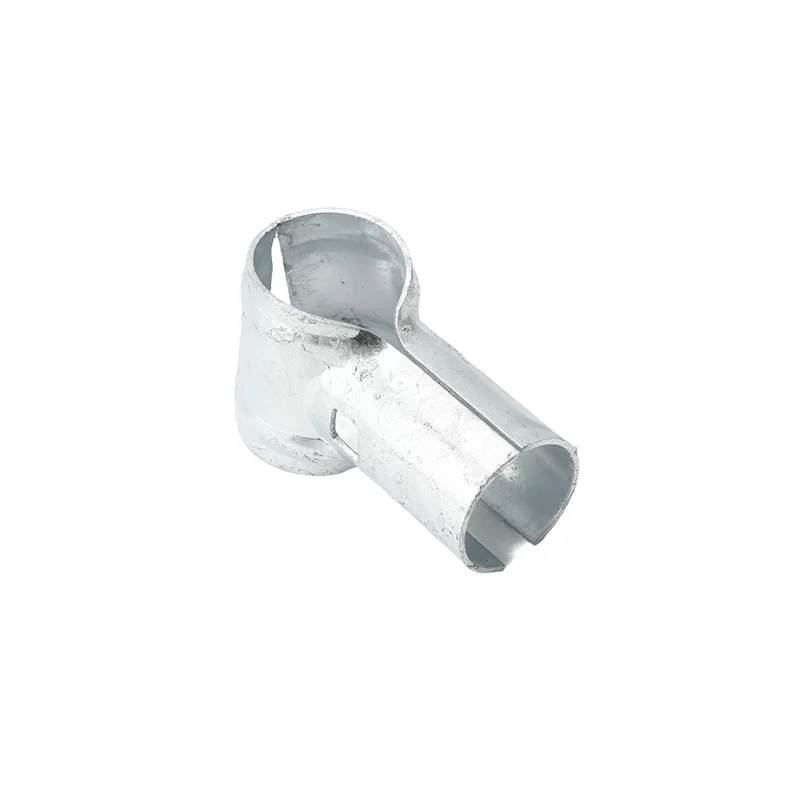
![Chain Link 3″ [2 7/8″ OD] Industrial Gate Box Hinge – Butt Hinge (Pressed Steel)](https://images.cnmqh.com/images/a10068/f1-20260414064622.webp "Chain Link 3″ [2 7/8″ OD] Industrial Gate Box Hinge – Butt Hinge (Pressed Steel)")