
December 08, 2025
Fasteners might not be the flashiest topic on the block, but their use is absolutely foundational – literally holding together everything from skyscrapers to smartphones. Globally, the demand for fastener applications stretches across industries, geographies, and urgent humanitarian needs. Frankly, understanding fastener use means diving into how modern civilization builds, maintains, and innovates – whether in manufacturing hubs or disaster zones. The ability to secure, assemble, and maintain structural integrity is nothing short of a quiet revolution.
Across the globe, fasteners play a vital role in economic infrastructure and development. According to the International Organization for Standardization (ISO), billions of fasteners are produced annually, with the market estimated to reach $94 billion by 2027. The World Bank highlights construction and manufacturing sectors as engines for economic growth — and they rely heavily on reliable fastener assemblies to ensure safety and longevity. Yet, a significant challenge is ensuring fastener quality and availability, especially in emerging markets where infrastructure modernization is urgent but funding and supply chains lag behind.
In humanitarian relief, fastener use becomes critical for rapid assembly shelters and medical facilities — a topic often under-discussed but essential for saving lives and ensuring dignity during crises.
Simply put, fastener use refers to the deployment and application of mechanical devices such as screws, bolts, nuts, rivets, and clamps to join materials securely. Beyond just "holding things together," it represents a system of ensuring safety, durability, scalability, and versatility in physical constructions.
Fastener use connects across multiple dimensions: from everyday manufacturing lines assembling electronics, to massive infrastructure projects spanning bridges and highways, to temporary structures in disaster zones — making it both a technical necessity and a catalyst for progress.
Fasteners must resist environmental stressors: corrosion, pressure, vibration. The choice of material (stainless steel, titanium, alloy) often determines lifespan and safety. In coastal or industrial zones, corrosion-resistant fasteners are standard to handle salty air or chemicals.
The ability to use the same fastener standards across multiple industries and scales—from tiny electronics to massive steel frameworks—makes fasteners uniquely scalable. Modularity in construction increasingly depends on reliable fastener use.
Fasteners are small but cost impact is huge. Choosing appropriate fasteners can lower maintenance costs and labor time. Bulk manufacturing and standardized designs help keep prices competitive without sacrificing quality.
Fasteners that enable rapid assembly reduce downtime. In emergency humanitarian settings, fastener use that supports quick deployment shelters or container units can make a big difference – saving critical hours.
Reusability and recyclability are increasingly important. New trends in eco-friendly materials and innovative reversible fasteners are creating more sustainable use cases.
For instance, in Southeast Asia, fastener use in modular bridge construction allowed engineering teams to replace damaged infrastructure quickly after tropical storms, proving cost-effective and life-saving.
Tangible benefits include:
On a more emotional note, people affected by natural disasters often report feeling a stronger sense of security when constructed spaces are stable and well-built — a silent testament to good fastener use.
Common setbacks include supply chain disruptions, inconsistent quality standards internationally, and challenges in balancing cost with durability. Experts emphasize rigorous quality management, international collaboration to harmonize standards, and ongoing R&D investments.
Emerging solutions leverage AI-driven analytics to predict failure points and suggest optimized fastener selections for specific projects, enhancing safety without overspending.
| Fastener Type | Material | Typical Applications | Corrosion Resistance |
|---|---|---|---|
| Hex Bolts | Carbon Steel, Stainless Steel | Structural steel assemblies, machinery | Moderate to High (depending on grade) |
| Self-Tapping Screws | Steel, Colored Coatings | Sheet metal, electrical enclosures | Low to Moderate |
| Rivets | Aluminum, Steel | Aircraft, bridges, heavy machinery | High (especially aluminum rivets) |
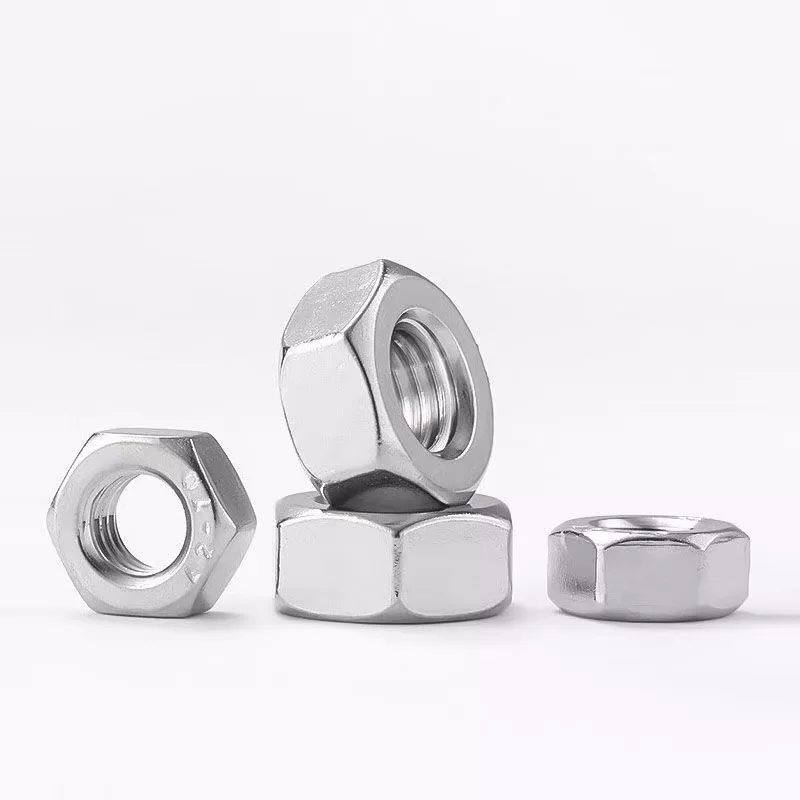
| Nuts & Washers | Steel, Stainless Steel | General fastening with bolts | Varies with coating |
| Supplier | Product Range | Global Availability | Sustainability Initiatives | Technology Integration |
|---|---|---|---|---|
| FastenCo | Comprehensive hex bolts, screws, rivets | Worldwide | Recycled materials, circular products | IoT-enabled fastening systems |
| SecureFix | Specialized aerospace & automotive fasteners | North America, Europe | Eco-certifications, low waste manufacturing | Automated quality control |
| GlobalBolt | Industrial & construction fasteners | Asia, Africa | Investment in biodegradable plastics for packaging | Digital inventory systems |
Fastener use might seem like a mundane topic at first glance, but its impact is immense and far-reaching. From keeping bridges safe to enabling rapid disaster relief, these small components play a huge role in global development and innovation. Embracing sustainable and advanced fastener solutions today can pave the way for safer, greener, and smarter infrastructure tomorrow.
If you want to stay ahead in the fastener field or explore tailored products, visit our website to discover how innovative fastener use can benefit your projects.
Taking time to understand fastener use is, honestly, investing in safety and progress.
Hit enter to search or ESC to close


![Chain Link 3″ [2 7/8″ OD] Industrial Gate Box Hinge – Butt Hinge (Pressed Steel)](https://images.cnmqh.com/images/a10068/f1-20260414064622.webp "Chain Link 3″ [2 7/8″ OD] Industrial Gate Box Hinge – Butt Hinge (Pressed Steel)")