
December 08, 2025
Having spent a solid dozen years in the industrial equipment space, I can tell you that plumbing pipe hangers and supports don’t often get the spotlight they truly deserve. Oddly enough, these seemingly small components hold a huge responsibility—supporting pipes that carry everything from chilled water to hazardous chemicals, sometimes under high pressure or extreme temperatures. It feels like these hangers and supports don’t just keep pipes in place; they keep entire systems safe and operational.
When I first started on the shop floor, I underestimated how many factors go into choosing the right hanger or support. It’s not just about holding weight; factors like material compatibility, corrosion resistance, vibration isolation, and compliance with codes are crucial. Nowadays, as more engineers lean into sustainable materials and enhanced testing protocols, the choices have gotten better—and frankly, a bit more complex.
Commonly, you’ll encounter carbon steel, stainless steel, and sometimes even polypropylene variants when looking at pipe supports. Carbon steel is often the go-to for its strength and affordability, but it requires proper coatings to resist corrosion. Stainless steel, while pricier, offers excellent durability for corrosive environments—think coastal facilities or chemical plants. I recall a project where using 316 stainless steel pipe hangers prevented costly shutdowns due to rust issues.
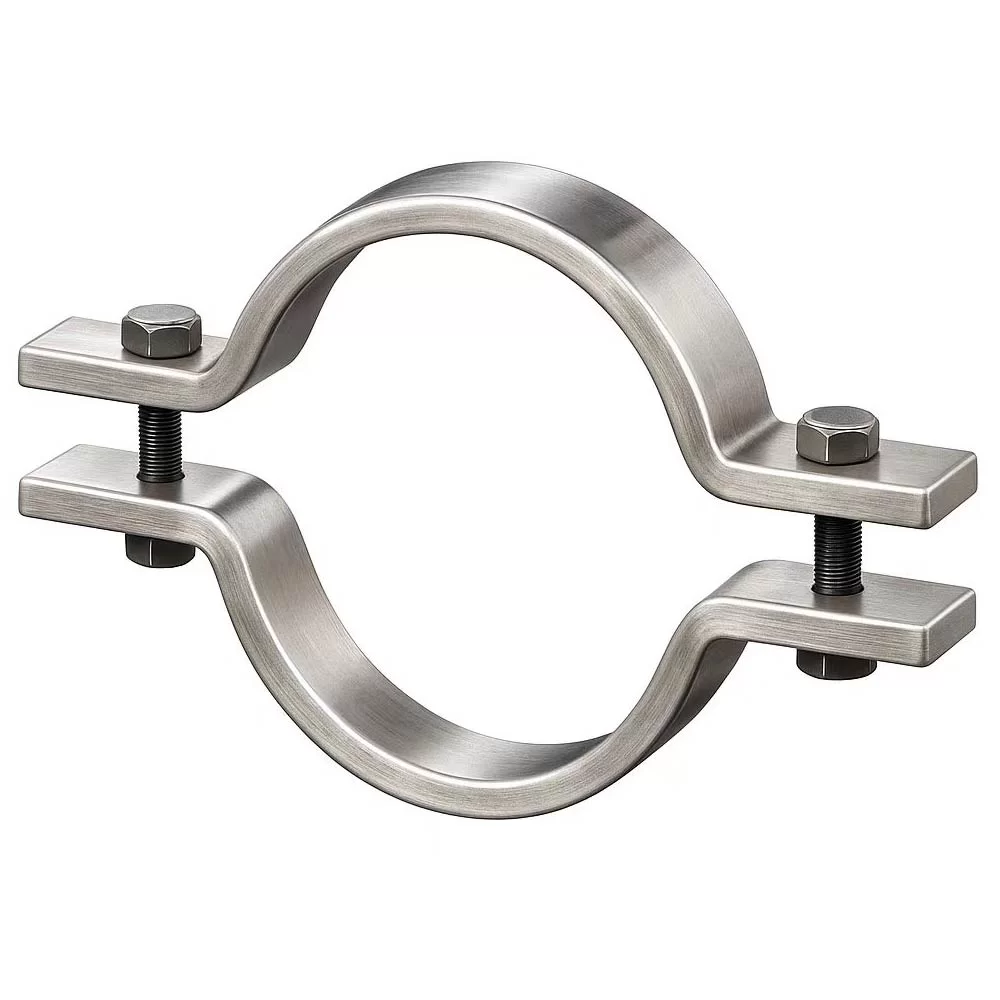
The design side is equally fascinating. Hangers come in various forms: clevis hangers, trapeze hangers, roller supports, and cushioned clamps, to name a few. Each suits different pipeline configurations and load scenarios. Clevis hangers, for instance, are versatile for vertical supports, while trapeze supports are better when multiple pipes run parallel.
We've always emphasized meeting ASME, ASTM, and MSS-SP standards—and sometimes, I notice cheaper suppliers skimping here. These standards guarantee performance under mechanical stress, thermal expansion, and seismic loads. For example, MSS-SP-58 outlines requirements for pipe hangers and supports, ensuring they won’t fail unexpectedly.
Testing often includes load capacity, deflection limits, and resistance to elements. In real terms, it means a hanger rated for 500 lbs should hold that weight without bending or loosening over time. Frankly, in harsh industrial settings, this reliability isn’t a luxury—it’s absolutely necessary.
Sometimes, projects demand custom hangers tailored to specific pipe diameters, materials, or environmental challenges. I remember a client needing a support that could absorb vibration from nearby machinery—so cushioned rubber inserts were integrated into the clamps to mitigate noise and wear.
Such customization might add lead time, but the long-term benefits—reduced maintenance, fewer failures—often pay off. It’s an interesting balance: between upfront costs and lifecycle savings.
| Product Type | Material | Load Capacity | Temperature Range | Finish/Coating |
|---|---|---|---|---|
| Clevis Hanger | Carbon Steel | Up to 1000 lbs | -40°F to 400°F | Zinc-Plated |
| Trapeze Hanger | Stainless Steel 316 | Up to 2000 lbs | -50°F to 500°F | Natural Finish |
| Roller Support | Carbon Steel | Up to 1500 lbs | -20°F to 350°F | Painted |
| Vendor | Material Options | Standard Compliance | Customization Services | Typical Lead Time |
|---|---|---|---|---|
| TopFastener | Carbon Steel, Stainless Steel | ASME, MSS-SP-58 | Yes | 2-4 weeks |
| Vendor B | Carbon Steel only | Partial | Limited | 3-5 weeks |
| Vendor C | Stainless Steel only | ASME Certified | Yes | 3 weeks |
From my experience, working with a supplier like plumbing pipe hangers and supports provider that understands industry specifications and offers solid customization options is invaluable. The right support system not only simplifies piping installation—it ultimately saves you from headaches down the road.
I suppose what it comes down to is this: these hangers aren’t just bits of metal; they’re steadfast guardians of your infrastructure’s integrity. And yes, taking a moment to choose well could avoid costly emergencies later.
Feel free to explore options and ask vendors about materials, finishes, and testing certificates—those details matter more than the casual observer might guess.
Reflection: It’s curious how something so “simple” has so many layers to consider. But after years on the job, I’ve learned: plumbing pipe hangers and supports are the unsung heroes in keeping industrial plants running smoothly. They deserve more respect than they usually get.
References:
1. MSS-SP-58: Pipe Hangers and Supports – Materials, Design & Manufacture
2. ASME B31.1 – Power Piping Code
3. ASTM Standards related to pipe support materials
Hit enter to search or ESC to close


![Chain Link 3″ [2 7/8″ OD] Industrial Gate Box Hinge – Butt Hinge (Pressed Steel)](https://images.cnmqh.com/images/a10068/f1-20260414064622.webp "Chain Link 3″ [2 7/8″ OD] Industrial Gate Box Hinge – Butt Hinge (Pressed Steel)")