
March 08, 2026
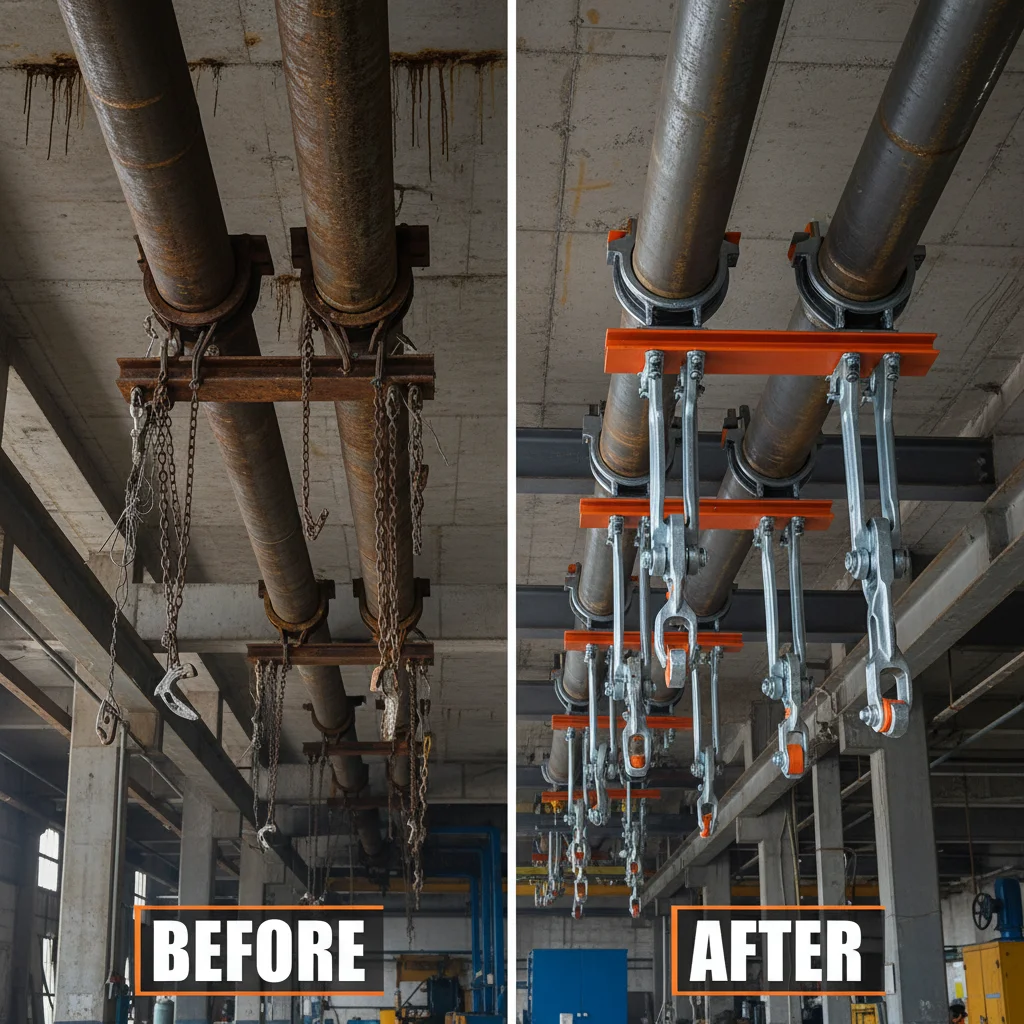
Proper CPVC (Chlorinated Polyvinyl Chloride) pipe hanger spacing is critical for ensuring the longevity and safe operation of your plumbing system. Incorrect spacing can lead to sagging pipes, increased stress on joints, and even potential leaks. This guide provides a comprehensive overview of recommended CPVC pipe hanger spacing, factors influencing these guidelines, and best practices for installation. Maintaining the correct support system is vital for preventing costly repairs and maintaining system integrity. Explore our selection of CPVC pipe hangers and supports at Top Fastener to find the ideal solution for your project.
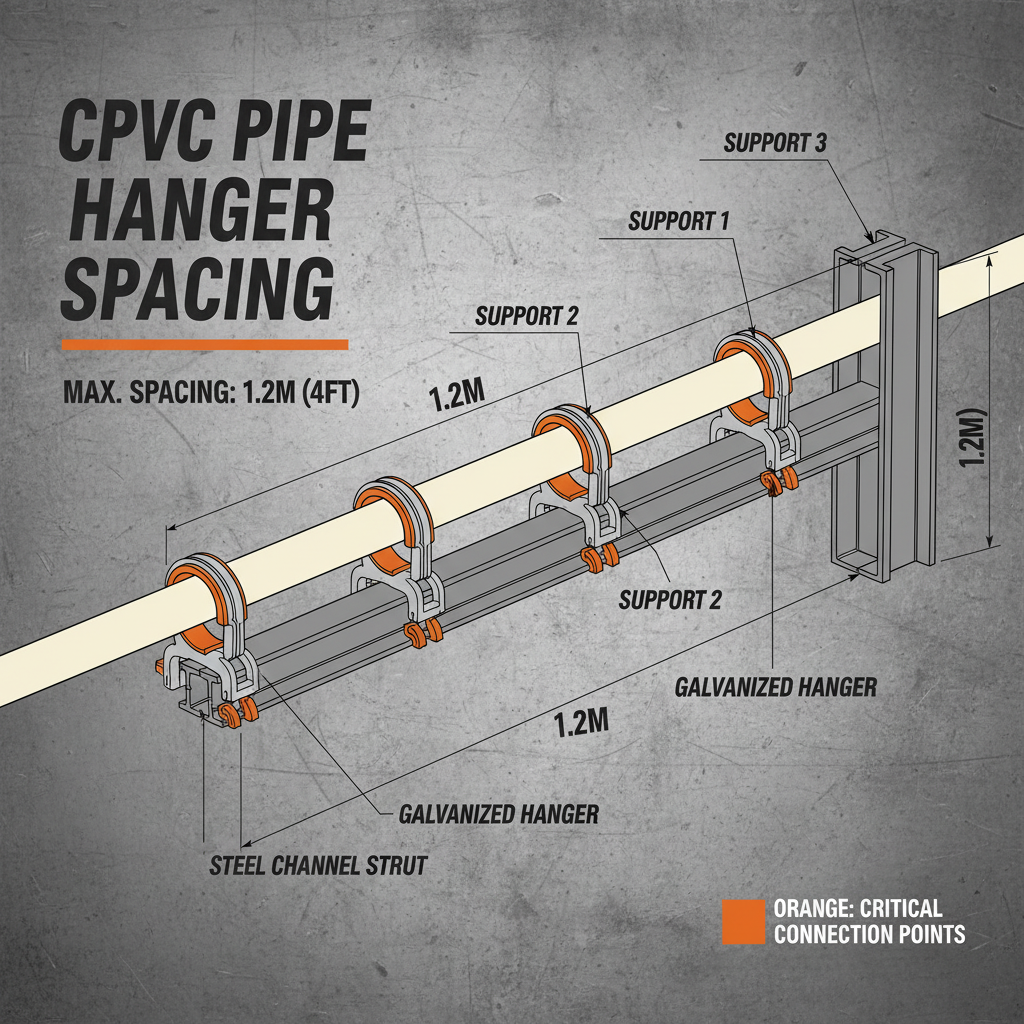
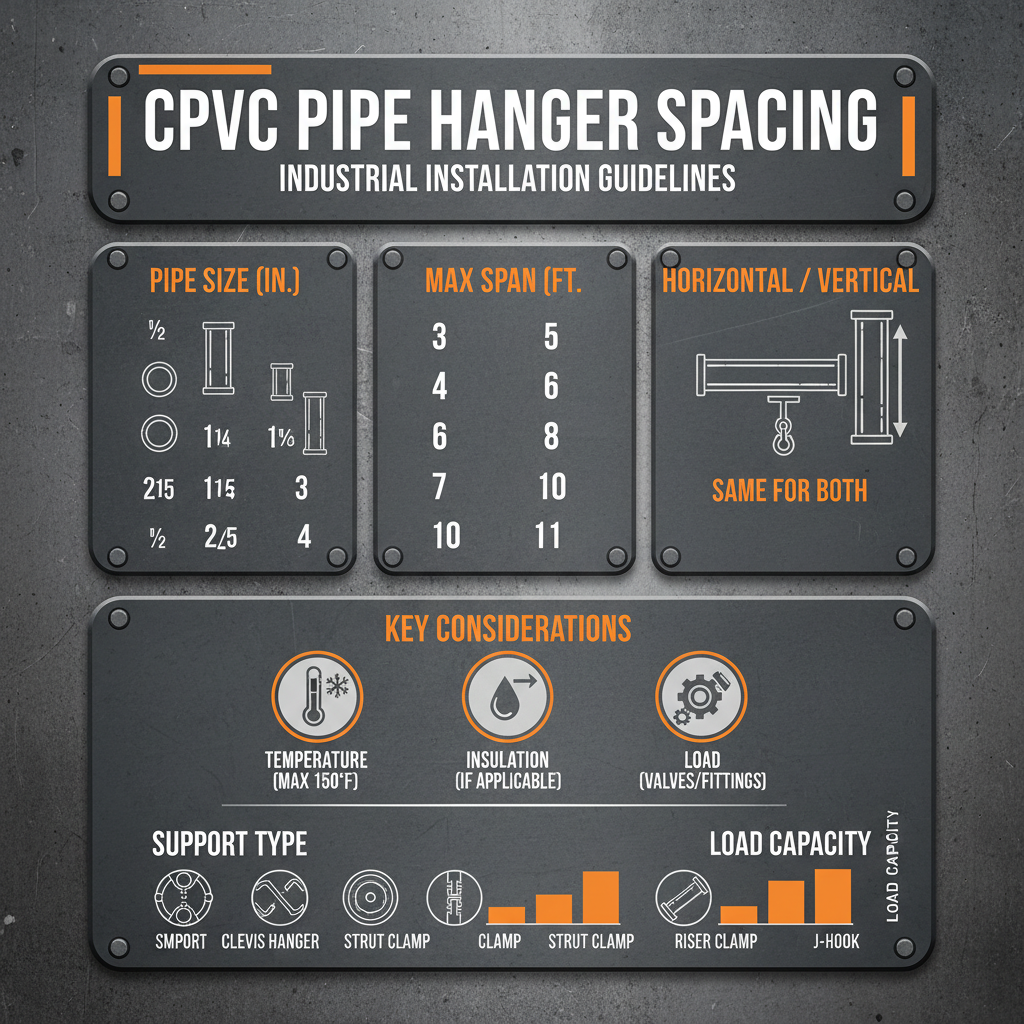
Generally, the recommended CPVC pipe hanger spacing depends on the pipe diameter. Here’s a starting point: for pipes up to 1 inch in diameter, hangers should be spaced every 6-8 feet. For pipes between 1.25 and 2 inches, reduce the spacing to 8-10 feet. Larger diameter pipes (3 inches and above) require hangers every 10-12 feet. These are baseline recommendations and may need adjustments based on the specific application and environmental conditions. Top Fastener provides a wide range of durable hangers designed to meet these requirements.
Key Takeaway: Consistent and properly spaced hangers distribute weight evenly, preventing stress points and potential failures in the CPVC piping system.
Several factors can necessitate adjustments to the standard CPVC pipe hanger spacing. These include: the weight of the fluid being conveyed, the presence of valves or heavy fittings, seismic activity in the region, and whether the pipes are exposed to high temperatures. For example, pipes carrying heavy fluids or supporting large valves will require closer hanger spacing to handle the added weight. Similarly, in areas prone to earthquakes, more frequent hangers are essential for maintaining system stability.
Considerations for Adjusting Spacing:
• Fluid Weight: Heavier fluids require closer spacing.
• Fittings: Valves and heavy fittings necessitate additional support.
• Seismic Zones: Increased hanger frequency is crucial in earthquake-prone areas.
• Temperature Fluctuations: Expansion and contraction can impact hanger stress.
Understanding the differences in hanger spacing requirements for various pipe materials is crucial. While CPVC has specific guidelines, other materials like PVC, PEX, and copper have distinct needs. CPVC, due to its rigidity and temperature sensitivity, generally requires more frequent support than PEX, but potentially less than heavy-walled steel pipes. Top Fastener's product range caters to all common pipe materials, ensuring you have the right support solution for your project.
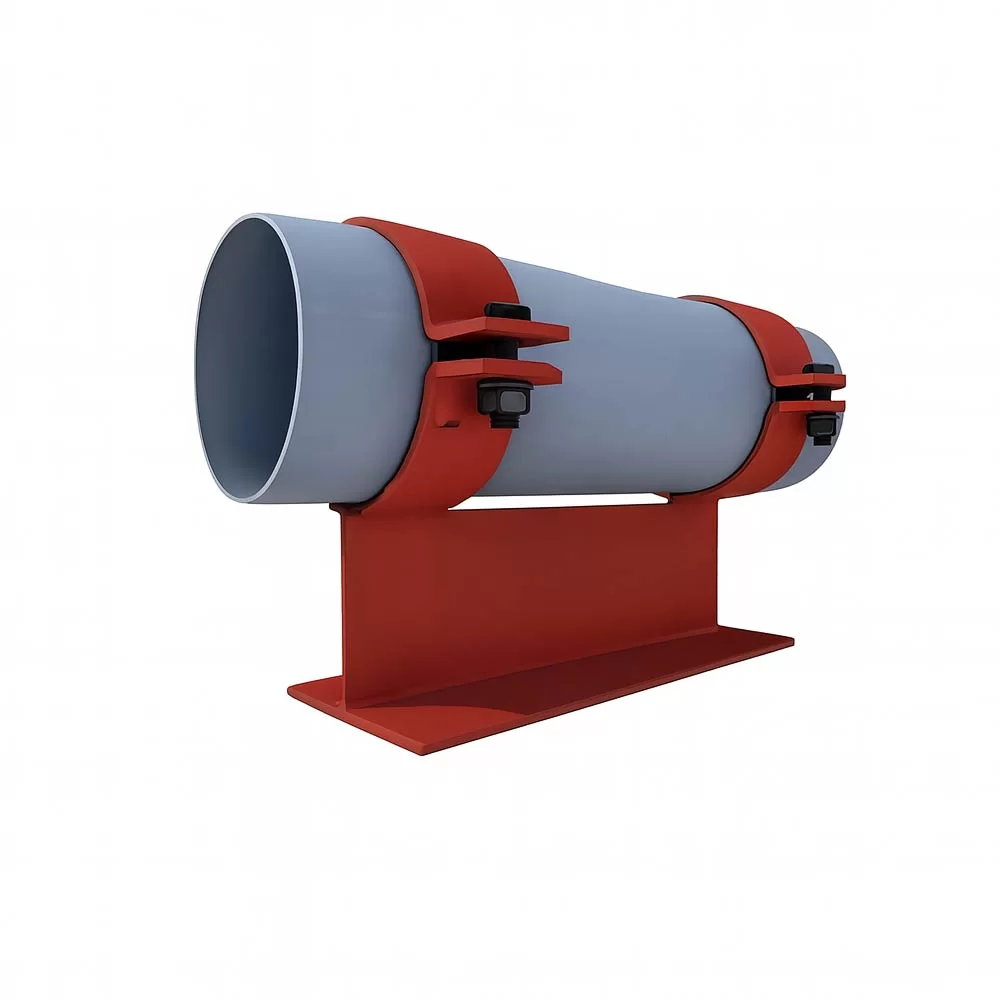
Choosing the correct type of hanger is as important as spacing. Common CPVC pipe hanger options include: clevis hangers, U-bolts, and adjustable straps. Clevis hangers are versatile and suitable for most applications. U-bolts provide robust support for heavier pipes. Adjustable straps are ideal for situations where precise alignment is needed. Ensure the hangers are made from materials compatible with CPVC and are corrosion-resistant. Top Fastener offers a comprehensive selection of hangers to suit any application.
Proper installation is crucial for maximizing the effectiveness of your CPVC pipe support system. Ensure hangers are securely fastened to the supporting structure using appropriate fasteners. Avoid overtightening, which can damage the pipe. Always use a hanger that fully supports the pipe’s diameter. Consider using pipe insulation to protect the CPVC from thermal expansion and contraction, and adjust hanger spacing accordingly.
Correct CPVC pipe hanger spacing and proper hanger selection are fundamental to a durable and reliable plumbing system. By carefully considering the factors outlined in this guide and utilizing high-quality hangers from a trusted supplier like Top Fastener, you can ensure long-term performance and prevent costly repairs.
Spacing CPVC pipe hangers too far apart can lead to several issues. The pipe may sag over time, creating low points where water can accumulate and potentially freeze. This sagging also puts undue stress on the pipe joints, increasing the risk of leaks. Furthermore, excessive movement can cause the hangers themselves to fail. Ultimately, improper spacing compromises the entire plumbing system's integrity.
While wood can be used in some limited applications, it’s generally not recommended for long-term CPVC pipe support. Wood is susceptible to moisture damage, rot, and insect infestation, which can compromise its structural integrity. Metal hangers provide a more reliable and durable support system. If wood is absolutely necessary, ensure it’s pressure-treated and properly sealed to prevent deterioration.
Yes, absolutely. Pipe insulation increases the overall diameter of the pipe and adds weight. This necessitates reducing the hanger spacing to provide adequate support. Consult with an engineering professional or refer to the insulation manufacturer's recommendations for specific spacing guidelines. Failure to account for insulation can lead to the same problems as insufficient hanger spacing – sagging, stress on joints, and potential leaks.
Hit enter to search or ESC to close


![Chain Link 3″ [2 7/8″ OD] Industrial Gate Box Hinge – Butt Hinge (Pressed Steel)](https://images.cnmqh.com/images/a10068/f1-20260414064622.webp "Chain Link 3″ [2 7/8″ OD] Industrial Gate Box Hinge – Butt Hinge (Pressed Steel)")