Exploring Diverse Types of Brackets Construction for Modern Infrastructure Projects
  • Home
  • Top Blog
  • Exploring Diverse Types of Brackets Construction for Modern Infrastructure Projects
0%

Table of Contents

Types of brackets construction represent a pivotal area in modern engineering and infrastructure development, encompassing a diverse range of structural supports essential for stability and load distribution. These brackets, varying significantly in material, design, and application, are fundamental to countless construction projects worldwide. Understanding the intricacies of these systems – from simple shelf brackets to complex supports for bridges and buildings – is crucial for ensuring safety, efficiency, and longevity in construction. The importance of selecting the correct types of brackets construction impacts project cost, structural integrity, and overall success.

Globally, the demand for robust and reliable brackets is consistently high, driven by increasing urbanization, infrastructure investment, and the need for resilient structures in disaster-prone regions. According to the UN, rapid urbanization rates require the development of safe and affordable housing, often utilizing modular and prefabricated components that heavily rely on effective bracket systems. Furthermore, the World Bank reports significant investment in infrastructure across developing nations, creating a substantial need for durable construction materials, including various types of brackets. The ISO standards surrounding structural components also highlight the need for precise specifications and quality control in bracket manufacturing and installation.

At its core, types of brackets construction refers to the methods and materials used to create supporting elements that transfer loads from a structure to its foundation or other supporting components. This includes a spectrum of options, such as angle brackets, shelf brackets, timber brackets, heavy-duty industrial brackets, and specialized brackets used in seismic reinforcement. The selection process considers factors like load capacity, environmental conditions, material compatibility, and aesthetic requirements. The modern industry relies heavily on these solutions, and they even find application in humanitarian contexts, providing foundational support for emergency shelters and temporary medical facilities.
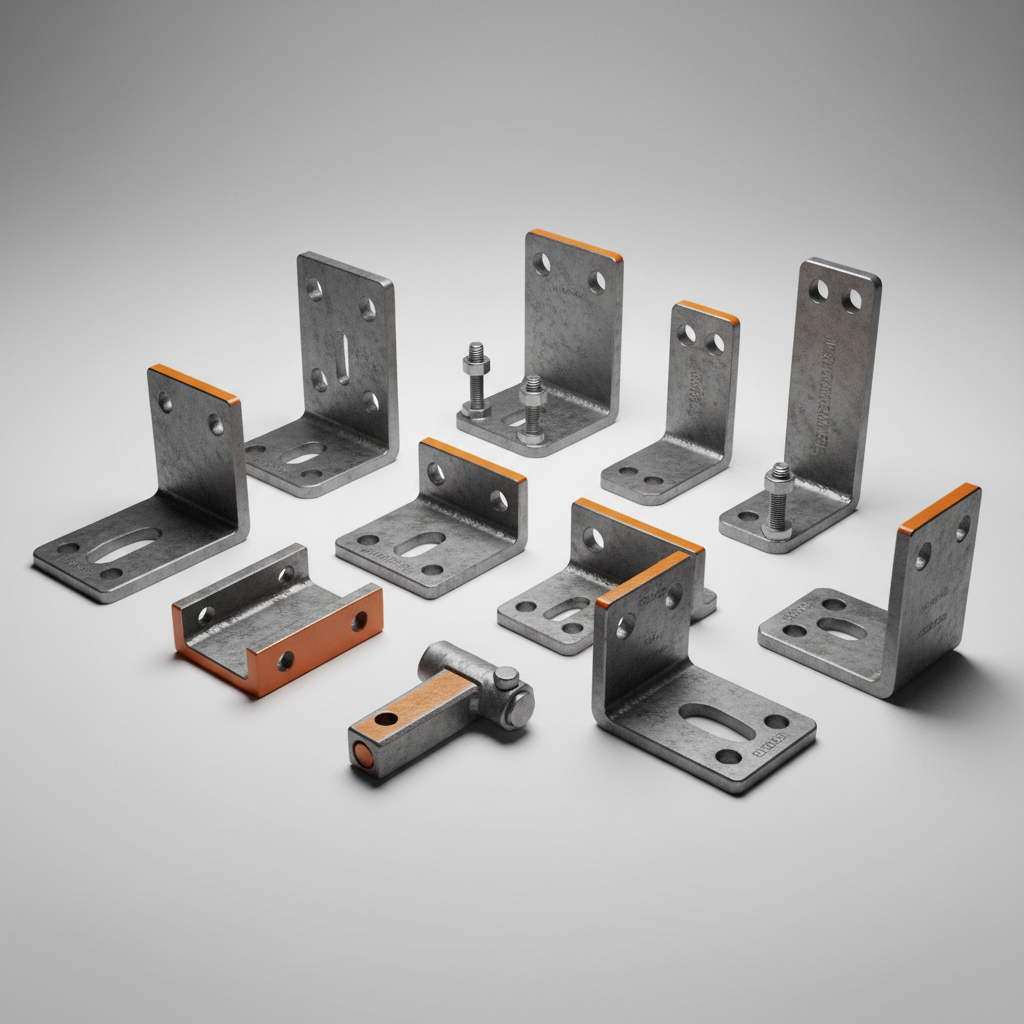
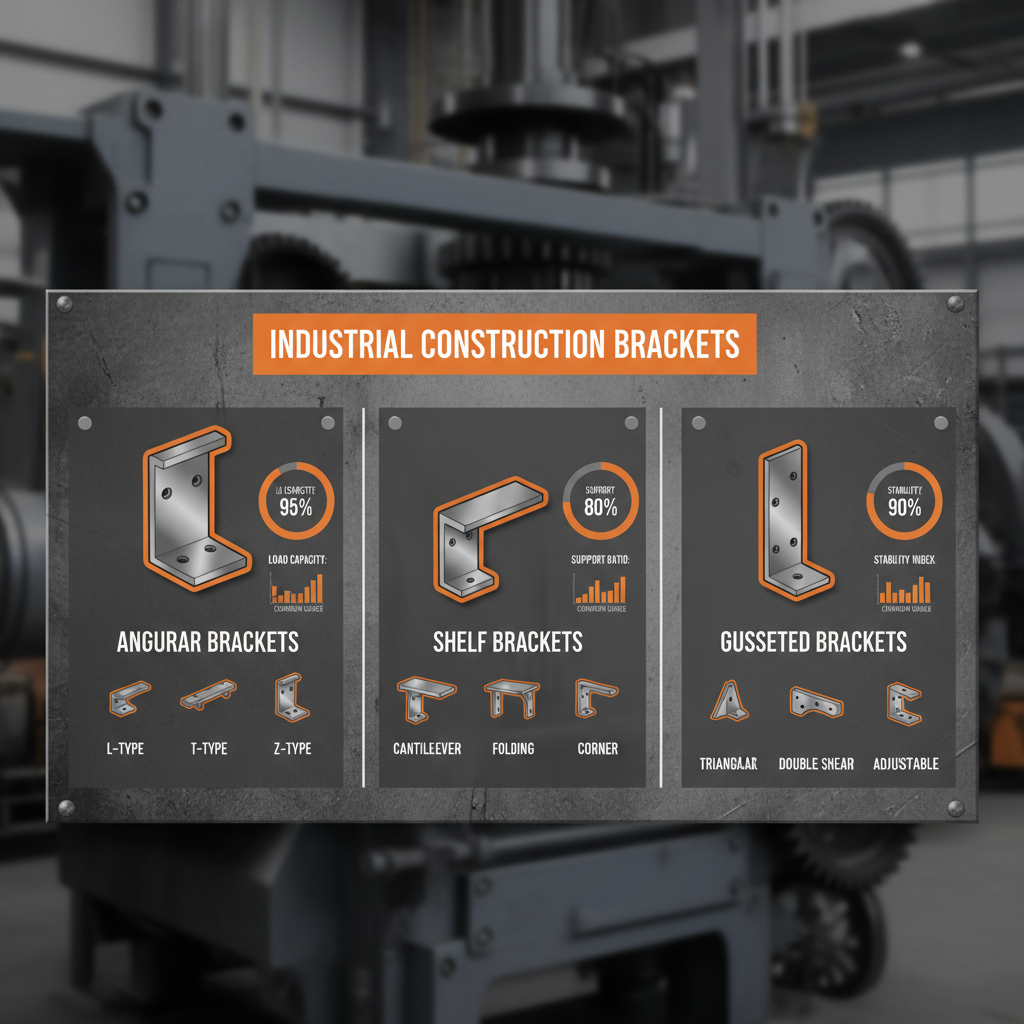
types of brackets construction

The Importance of Types of Brackets Construction

types of brackets construction

Selecting the appropriate types of brackets construction is a critical decision that impacts the structural integrity and safety of any project. Improperly chosen brackets can lead to failures, compromising the entire structure and potentially causing significant damage or injury. Understanding the load-bearing capacity, material properties, and environmental resistance of different bracket types is essential for engineers and construction professionals.

Beyond safety, utilizing optimized brackets can also lead to substantial cost savings. Efficient designs and appropriate material choices can minimize material waste, reduce labor costs during installation, and extend the lifespan of the structure, reducing long-term maintenance expenses. The efficient use of types of brackets construction contributes to sustainable building practices and responsible resource management.

Defining Brackets in Construction

In construction, brackets are structural components designed to connect and support various elements, transferring loads efficiently and providing stability. They act as intermediaries between a load-bearing surface, like a wall or beam, and the element being supported, such as a shelf, a beam, or an entire structure. Different types of brackets construction are classified based on their geometry, material, and application.

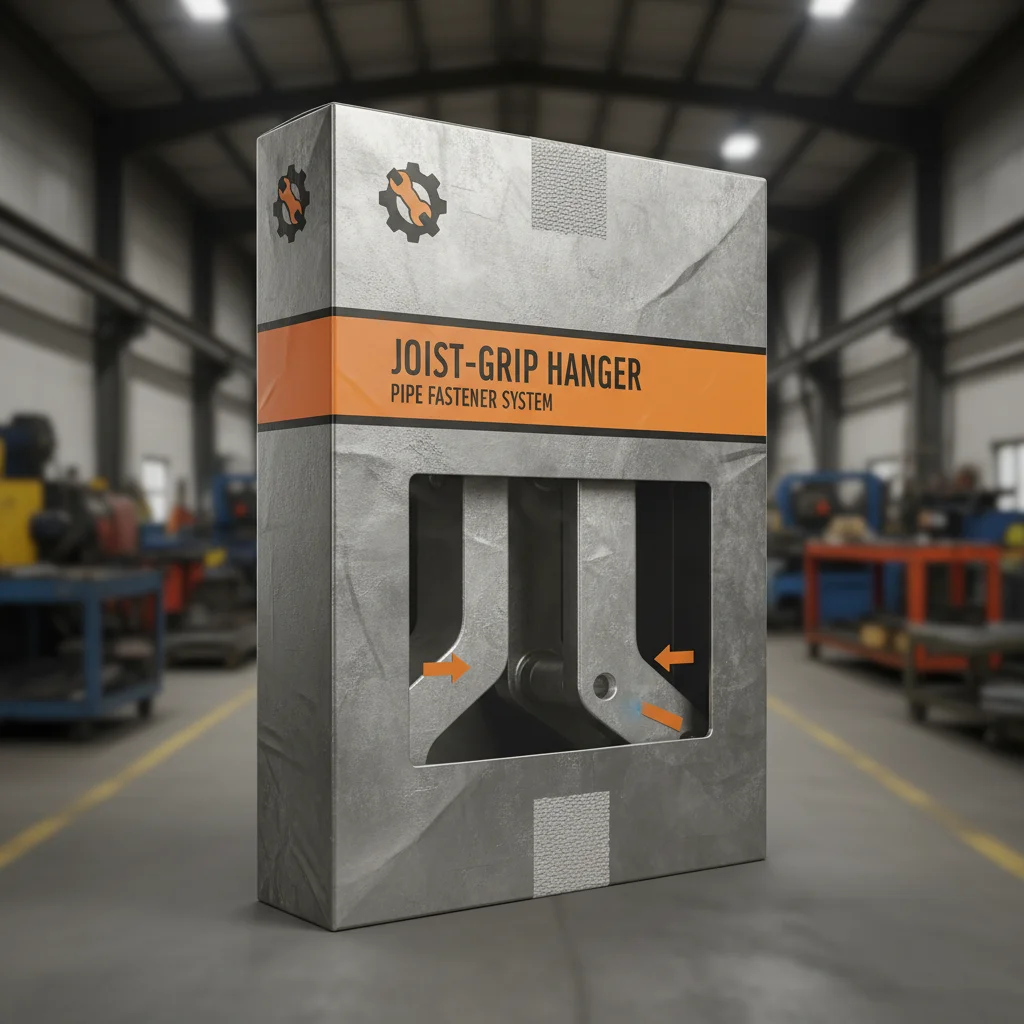
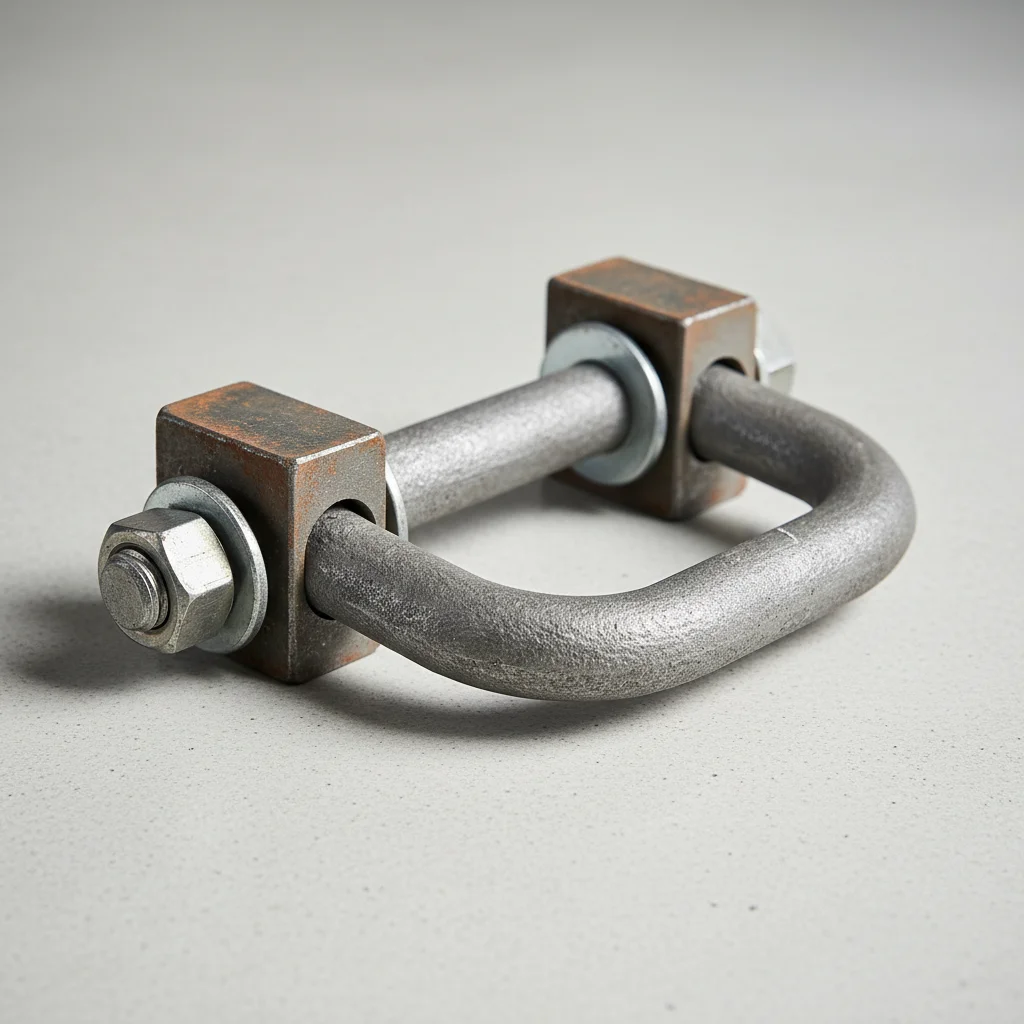
Common bracket types include angle brackets, which are L-shaped supports used for reinforcing corners; shelf brackets, specifically designed for supporting shelves or ledges; timber brackets, tailored for use with wooden structures; and heavy-duty industrial brackets, built for high-load applications in manufacturing or warehousing. Increasingly, specialized brackets are developed to address specific challenges, such as seismic bracing and retrofitting existing structures.

The crucial connection point between any bracket and its supporting structure must be carefully engineered, taking into account the forces at play and the materials involved. Proper installation, following manufacturer’s guidelines and relevant building codes, is just as vital as selecting the correct type of bracket.

Key Factors in Bracket Selection

Several factors must be considered when selecting the appropriate types of brackets construction for a given project. Primarily, the load-bearing capacity of the bracket must exceed the anticipated weight it will support, accounting for both static and dynamic loads. Material selection is equally important; steel, aluminum, stainless steel, and engineered polymers each offer different strengths, corrosion resistance, and cost profiles.

Environmental conditions also play a crucial role. Brackets exposed to harsh weather or corrosive environments require materials with superior resistance to rust, oxidation, and degradation. Furthermore, the aesthetic considerations of the project can influence bracket choice, with options available in various finishes and designs to seamlessly integrate with the overall architectural style. Finally, compliance with relevant building codes and safety regulations is paramount.

Understanding the type of connection required is also vital. Some brackets are designed for direct bolting, while others require welding or specialized fasteners. Ensuring compatibility between the bracket and the supporting structure is critical for a secure and reliable installation. types of brackets construction are diverse.

Performance Metrics of Bracket Types

Evaluating the performance of different types of brackets construction requires considering several key metrics. Yield strength, which indicates the point at which the bracket begins to deform permanently under load, is a crucial indicator of its structural capacity. Tensile strength, representing the maximum stress the bracket can withstand before breaking, is another vital parameter.

Corrosion resistance, often measured through salt spray testing or other standardized procedures, determines the bracket’s ability to withstand environmental degradation. Deflection, the amount the bracket bends under load, is important for assessing its stiffness and stability. Fatigue resistance, particularly relevant for brackets subjected to repeated stress cycles, measures its ability to maintain its integrity over time.

Comparative Performance of Bracket Types

Global Applications of Bracket Systems

Types of brackets construction are employed across a vast range of applications worldwide. In the construction of residential and commercial buildings, brackets provide support for balconies, canopies, and architectural features. They are essential in infrastructure projects, such as bridges and tunnels, where they reinforce structural connections and distribute loads effectively.

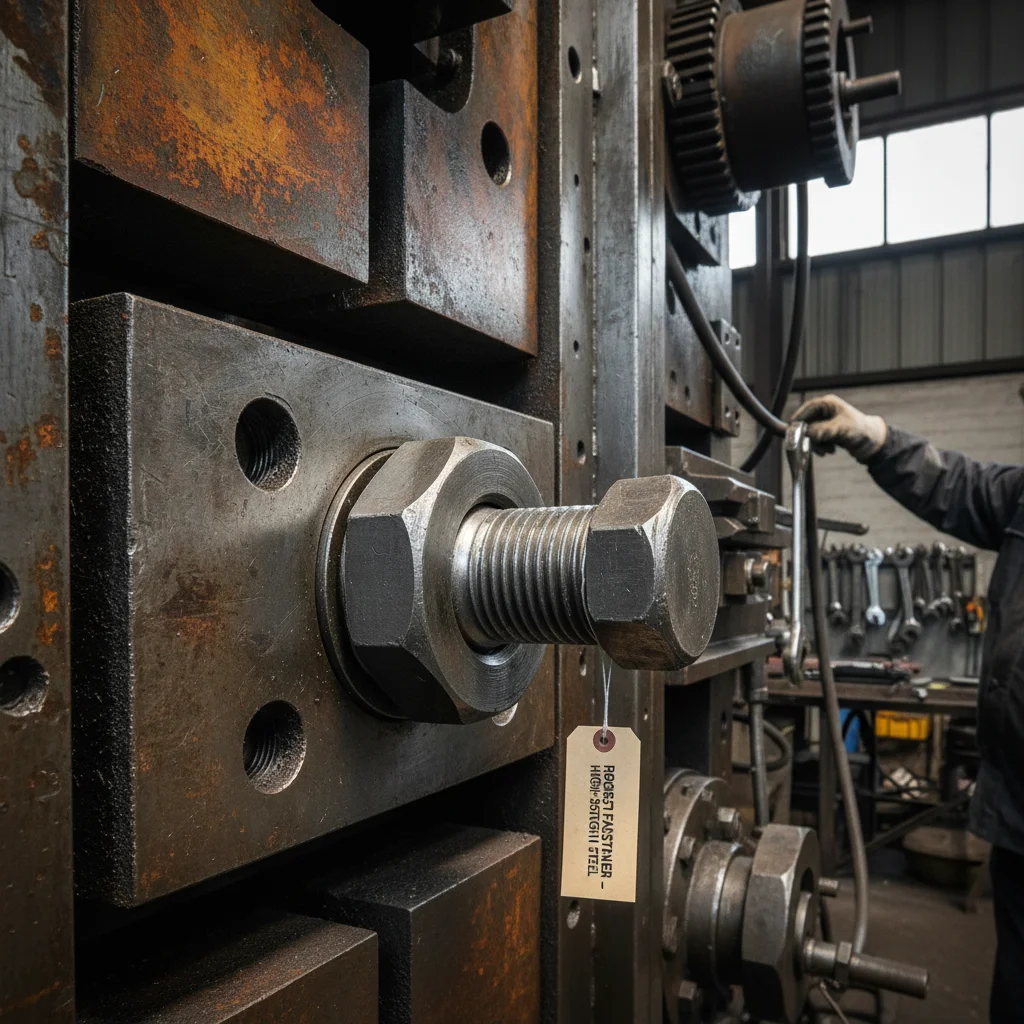
In remote industrial zones, heavy-duty brackets are used to support machinery, pipelines, and storage systems. They also play a crucial role in renewable energy projects, such as solar farms and wind turbines, where they secure panels and other components. In post-disaster relief operations, lightweight and rapidly deployable bracket systems are used to construct temporary shelters and medical facilities, providing immediate support to affected communities.

Benefits and Long-Term Value

The benefits of utilizing well-designed and properly installed types of brackets construction extend far beyond immediate structural support. Cost savings are realized through reduced material waste, lower labor costs, and extended structural lifespan. Sustainability is enhanced by employing durable materials and minimizing the need for frequent replacements.

Socially, reliable bracket systems contribute to safer and more resilient buildings and infrastructure, protecting lives and communities. From a business perspective, investing in high-quality brackets fosters trust and confidence in the construction process, enhancing reputation and attracting clients. Innovation in bracket design continues to drive efficiency, improve performance, and address emerging challenges in the construction industry.

Future Trends in Brackets Construction

The future of types of brackets construction is being shaped by several key trends. The increasing adoption of Building Information Modeling (BIM) allows for precise bracket design and integration into virtual models, optimizing performance and minimizing clashes. The development of advanced materials, such as carbon fiber composites and high-strength alloys, is leading to lighter, stronger, and more corrosion-resistant brackets.

Automation and robotic installation techniques are streamlining the construction process, improving accuracy and reducing labor costs. A growing emphasis on sustainability is driving demand for brackets made from recycled materials and designed for easy disassembly and reuse. Furthermore, the integration of smart sensors into bracket systems is enabling real-time monitoring of stress levels and structural health, allowing for proactive maintenance and preventing catastrophic failures.

Summary of Key Factors Influencing Bracket Performance

Material Type Load Capacity (kN) Corrosion Resistance (Scale 1-5) Cost per Unit ($)
Carbon Steel 50-100 2 5-10
Aluminum Alloy 30-60 4 10-15
Stainless Steel 70-120 5 20-30
Polymer Composite 20-40 4 8-12
Galvanized Steel 60-110 3 7-12
High-Strength Alloy 90-150 4 30-40

FAQS

What are the key differences between angle brackets and shelf brackets?

Angle brackets are primarily used for reinforcing corners and providing structural support at 90-degree angles, offering robust connections. Shelf brackets, conversely, are designed specifically to support horizontal surfaces like shelves, prioritizing weight distribution and aesthetic integration. Their load-bearing capacity and design features differ significantly; angle brackets focus on strength, while shelf brackets prioritize support and appearance.

How do environmental factors affect the selection of bracket materials?

Environmental factors, such as humidity, temperature fluctuations, and exposure to corrosive substances, play a crucial role in material selection. In coastal environments, stainless steel or galvanized steel are preferred due to their superior corrosion resistance. In extreme temperatures, materials with low thermal expansion coefficients are chosen to prevent deformation. Exposure to chemicals necessitates the use of materials resistant to chemical attack.

What is the importance of load capacity when choosing brackets?

Load capacity is paramount when selecting brackets. It's essential to accurately calculate the maximum weight the bracket will bear, including both static (constant) and dynamic (moving) loads. Brackets must have a safety factor—a margin above the anticipated load—to account for unforeseen stresses and prevent failure. Choosing a bracket with insufficient load capacity can lead to structural instability and potentially catastrophic consequences.

How can I ensure proper installation of brackets for maximum safety?

Proper installation is crucial for maximizing bracket safety and performance. Always follow the manufacturer's instructions and relevant building codes. Use appropriate fasteners and ensure they are securely tightened. Verify the supporting structure is adequate to bear the load. Inspect the brackets regularly for signs of corrosion, damage, or loosening, and address any issues promptly. If unsure, consult a qualified structural engineer.

Are there specific brackets designed for seismic zones?

Yes, specialized seismic brackets are designed to withstand the forces generated during earthquakes. These brackets typically feature ductile materials and flexible connections that allow for movement and energy dissipation, reducing the risk of structural collapse. They are engineered to meet stringent seismic standards and are essential in earthquake-prone regions to enhance building resilience.

What are the benefits of using composite materials for brackets?

Composite materials, like carbon fiber, offer several benefits for brackets, including high strength-to-weight ratio, excellent corrosion resistance, and design flexibility. They are lighter than traditional steel brackets, reducing overall structural load. While often more expensive initially, their durability and longevity can provide long-term cost savings. Composite brackets are becoming increasingly popular in specialized applications.

Conclusion

The realm of types of brackets construction is far more intricate than often perceived. These seemingly simple components are foundational to the safety, durability, and sustainability of structures worldwide. From selecting the appropriate materials to ensuring proper installation, understanding the principles of bracket design and application is vital for engineers, builders, and anyone involved in construction. A commitment to quality and innovation in this field directly translates to more resilient infrastructure and safer environments.

Looking ahead, continued advancements in materials science, manufacturing techniques, and digital technologies promise to revolutionize types of brackets construction. The integration of smart sensors, automation, and sustainable practices will further enhance performance, reduce costs, and minimize environmental impact. Prioritizing research and development in this area is crucial for building a more robust and sustainable future. For expert guidance and a wide range of high-quality bracket solutions, visit our website: www.topfastener.com

Kevin Rodriguez

Kevin Rodriguez

Kevin Rodriguez is a lead contractor specializing in large-scale commercial building projects. He's known for delivering projects on time and within budget. He faced increasing pressures from clients regarding project deadlines, particularly when dealing with hardware supply chains. After switching to Guanbiao, he benefited from faster delivery times and a consistent supply of high-quality construction accessories. He specifically praises Guanbiao's automated warehousing system, which allowed him to significantly reduce lead times. Kevin is a strong believer in building long-term relationships with reliable suppliers, and Guanbiao has consistently exceeded his expectations. He is a licensed general contractor with over 10 years of experience.
Previous Essential Guide to Selecting the Right Fastener Supplier for Your Business
Next Understanding Diverse Clamps Types For Industrial and Commercial Applications
Get Your Custom Construction Brackets Today!
Fill out the form below, and our team will help you choose the perfect construction bracket for your project.

If you are interested in our products, you can choose to leave your information here, and we will be in touch with you shortly.