
March 19, 2026
Selecting the right pipe hangers is crucial for any plumbing or mechanical system, ensuring safety, stability, and longevity. A well-chosen pipe hanger catalog is your first step towards a successful installation. This article delves into the types of pipe hangers, materials, load considerations, and how to navigate a comprehensive catalog to find the perfect solution for your project. Understanding the options available will contribute to a robust and reliable piping system. We'll explore the key aspects to consider when choosing the right pipe support for your needs.
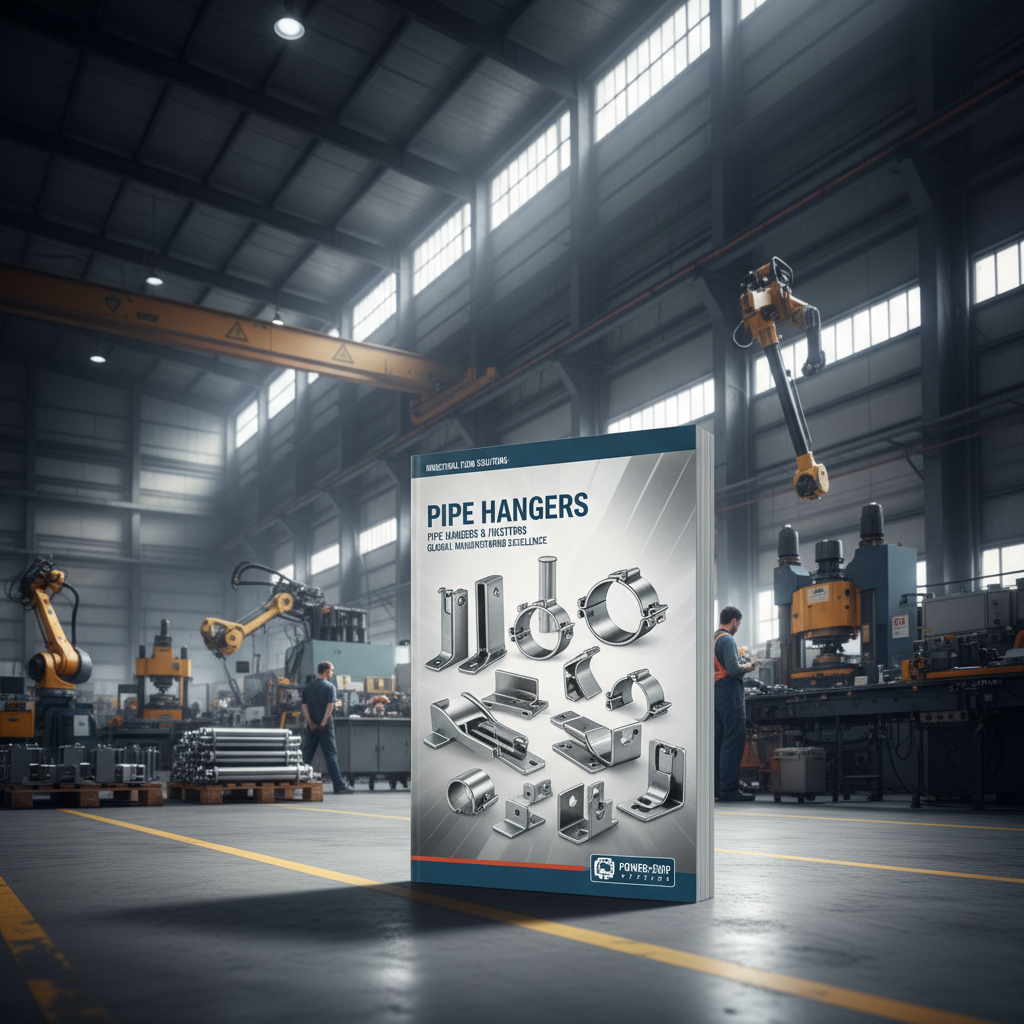
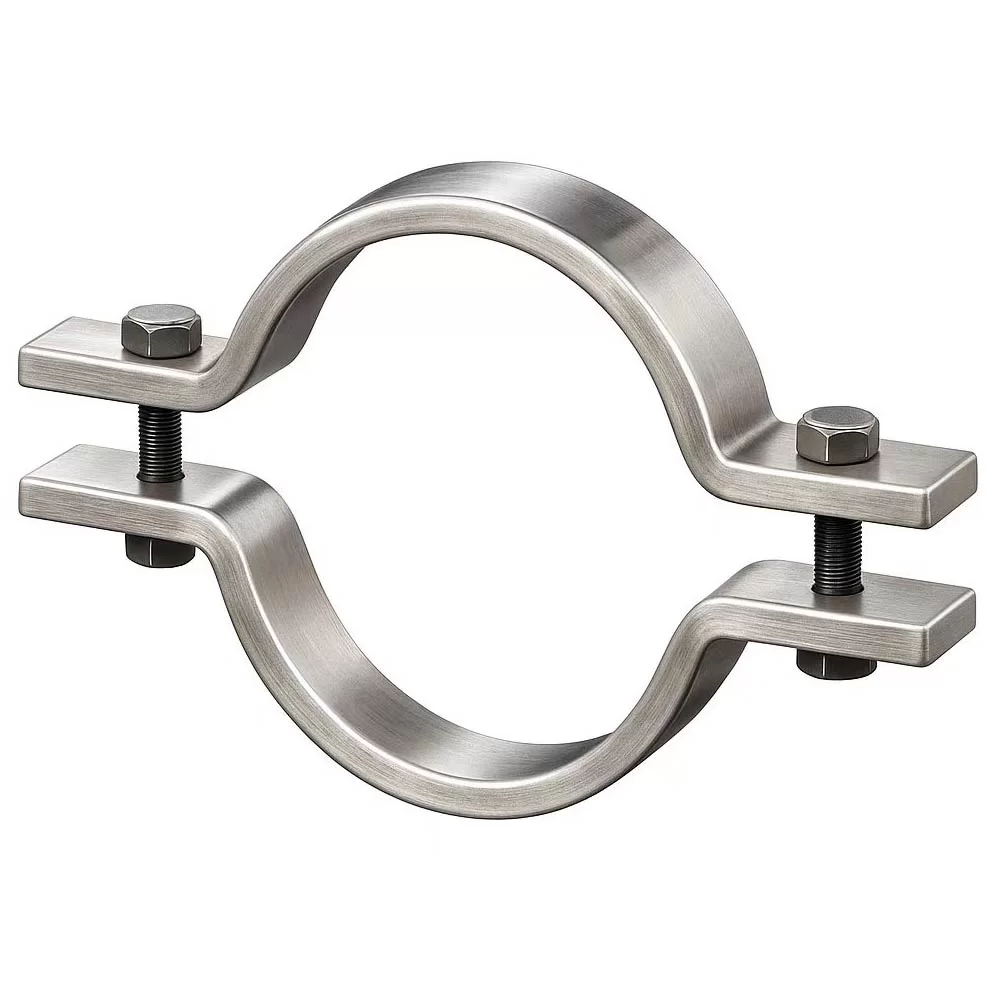
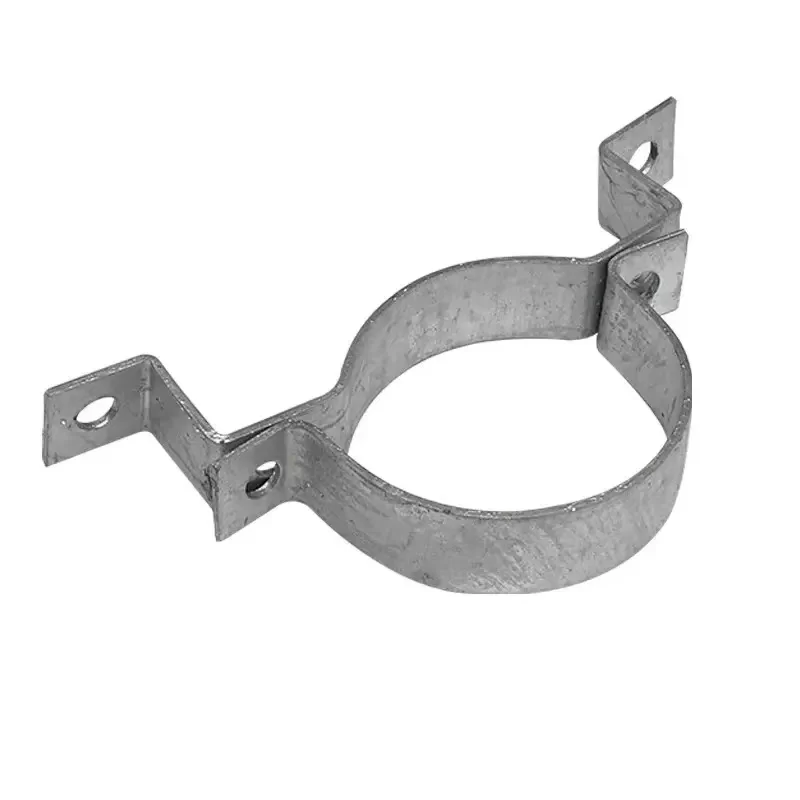
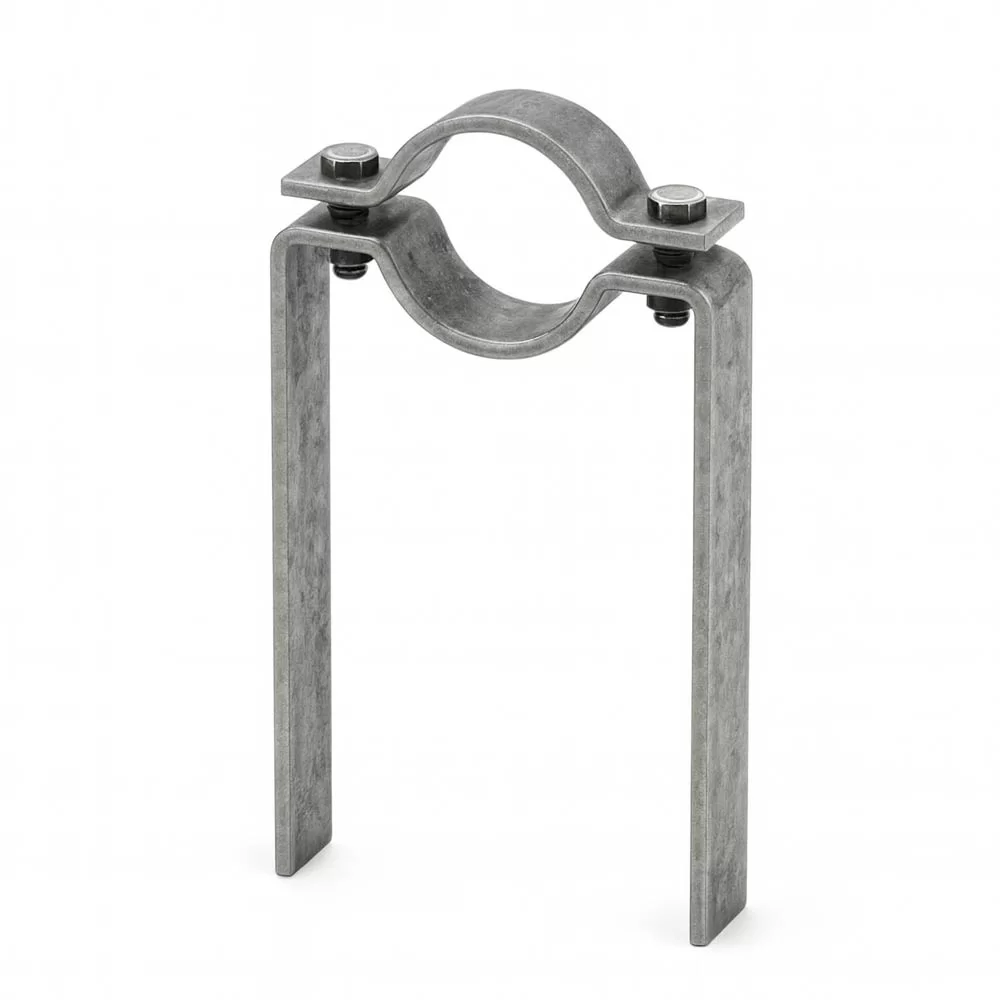
Pipe hangers come in a variety of designs, each suited for specific applications. Common types include clevis hangers, U-bolts, adjustable hangers, spring hangers, and seismic hangers. Clevis hangers are ideal for supporting static pipes, while U-bolts are commonly used for securing pipes to structural members. Adjustable hangers provide flexibility in height, and spring hangers accommodate thermal movement. Seismic hangers are designed to withstand earthquake forces. The selection depends on factors such as pipe size, weight, environmental conditions, and code requirements. Choosing the correct type is vital for preventing pipe stress and potential failures.
Key Takeaway: Different pipe hanger types cater to different needs. Correctly identifying the application requirements is the first step toward selecting the appropriate hanger.
Pipe hangers are constructed from various materials, including carbon steel, stainless steel, galvanized steel, and plastic. Carbon steel is a cost-effective option for general applications, while stainless steel provides superior corrosion resistance in harsh environments. Galvanized steel offers a balance of strength and corrosion protection. Plastic hangers are lightweight and non-conductive, suitable for specific applications where electrical isolation is required. The material selection depends on the fluid being transported, the ambient conditions, and the desired lifespan of the system. Referencing a comprehensive pipe hanger catalog will detail material specifications for each product.
Material Selection Guide:
• Carbon Steel: Cost-effective, general use.
• Stainless Steel: Corrosion-resistant, harsh environments.
• Galvanized Steel: Balance of strength and corrosion protection.
• Plastic: Lightweight, non-conductive.
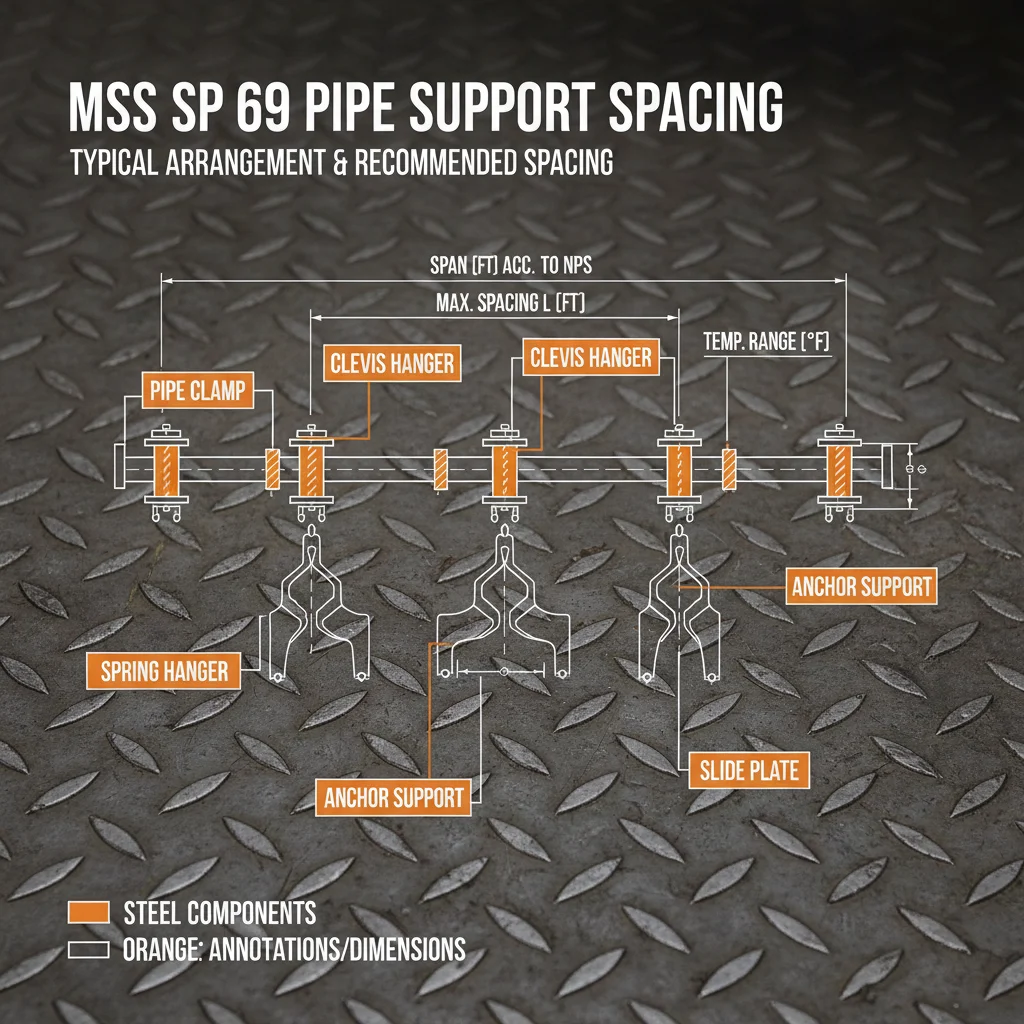
Proper load calculation is critical for ensuring the structural integrity of the piping system. Factors to consider include the weight of the pipe, fluid, insulation, and any attached equipment. Pipe hanger spacing is determined by the pipe diameter, material, and the maximum allowable load. Consulting relevant codes and standards, such as ASME B31.1 and B31.3, is essential. A good pipe hanger catalog will provide load capacity charts for each hanger type, simplifying the selection process. Insufficient support can lead to pipe sag, stress, and potential failure, while excessive support can restrict thermal movement.
When reviewing a pipe hanger catalog, pay close attention to the product specifications, including load capacity, material, finish, and dimensions. Look for detailed drawings and installation instructions. Many catalogs offer online search tools that allow you to filter products based on your specific requirements. Consider the environmental conditions and choose hangers designed for the appropriate level of corrosion resistance. Also, confirm that the hangers meet relevant industry standards and regulations. A well-organized catalog will provide all the necessary information to make informed decisions.
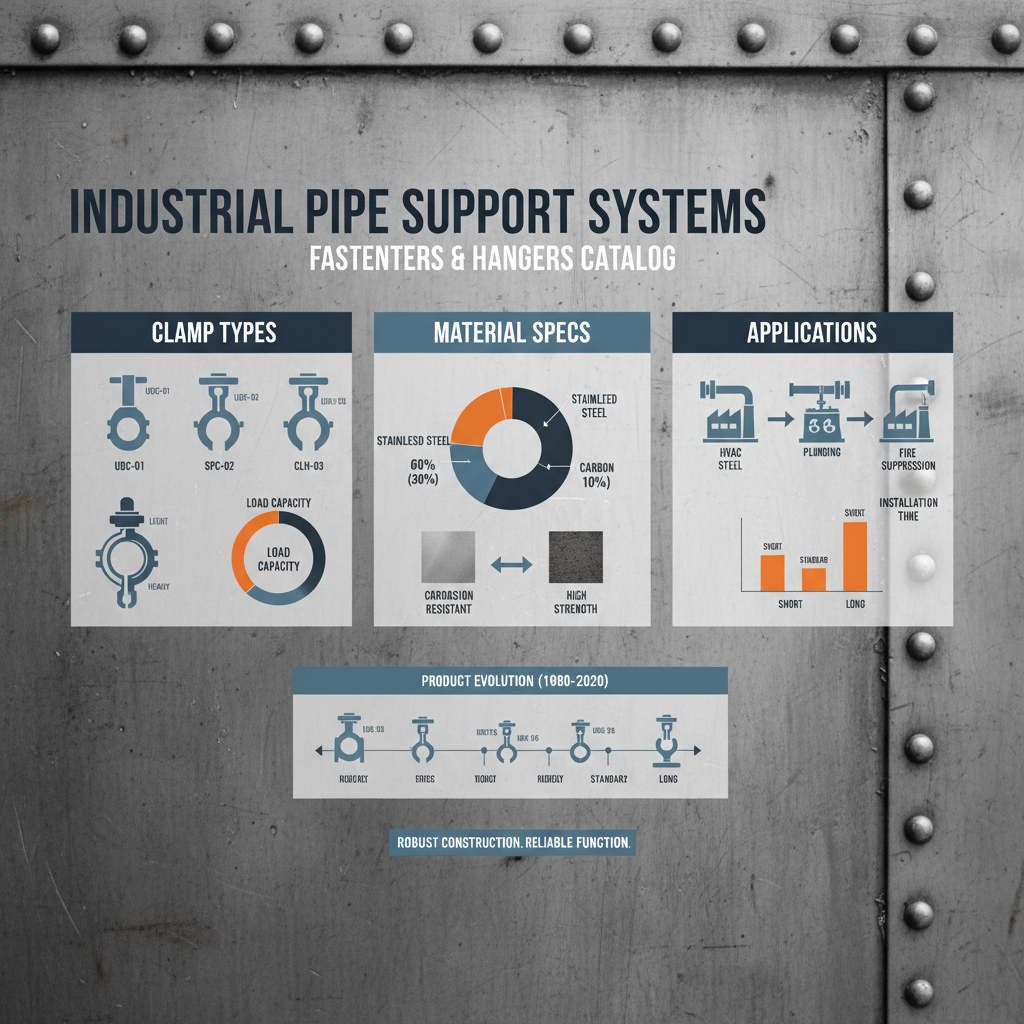
Beyond the standard types, specialty pipe hangers are available for unique applications. These include rollers for accommodating pipe movement, sway braces for preventing lateral movement, and hydraulic snubbers for controlling shock loads. Cryogenic hangers are designed for extremely low-temperature applications, while fireproofing hangers provide added protection in fire-prone areas. Understanding these specialized options can enhance the safety and performance of your piping system. A detailed pipe hanger catalog will outline these specialized options and their specific applications.
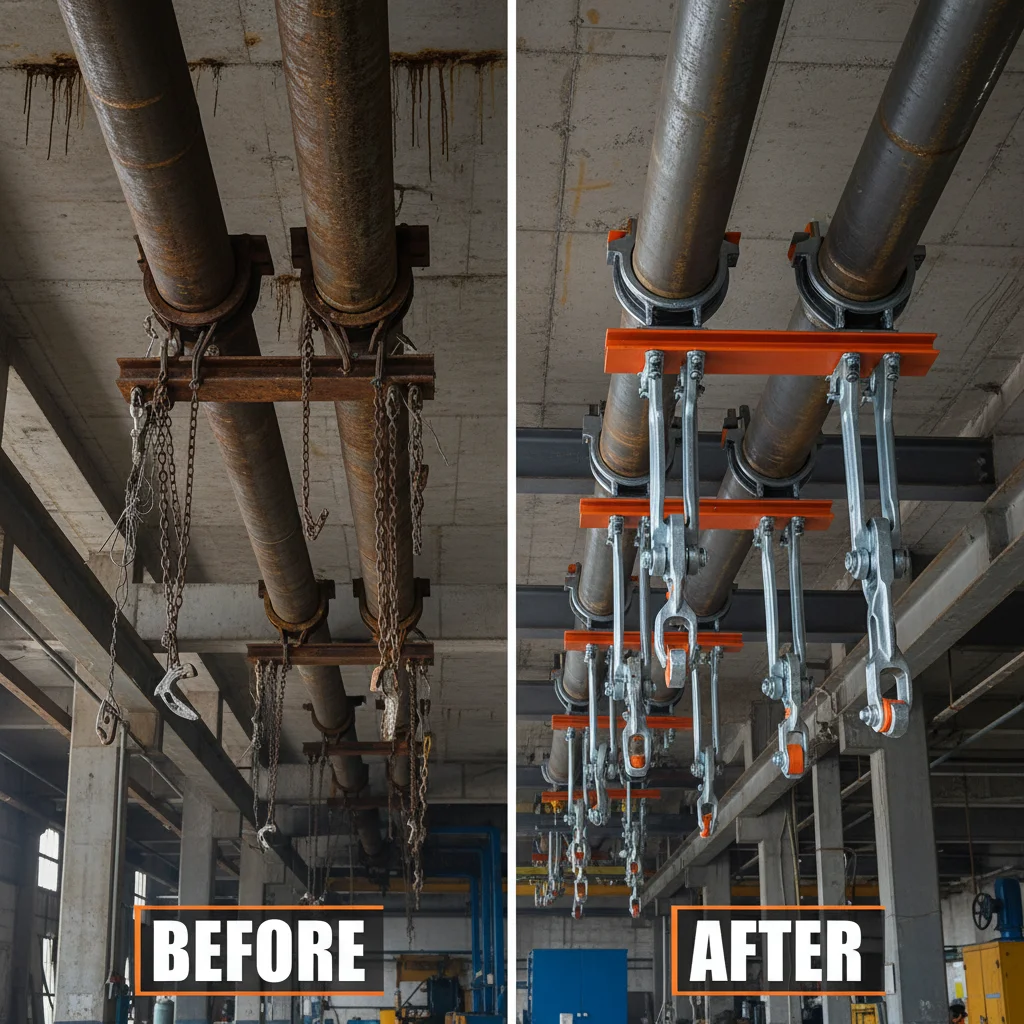
Selecting the right pipe hangers is a vital aspect of any plumbing or mechanical project. By understanding the different types, materials, load considerations, and how to navigate a pipe hanger catalog, you can ensure a safe, reliable, and long-lasting piping system. Don't hesitate to consult with industry professionals for guidance on complex applications. Invest in quality hangers and prioritize safety.
Using the correct pipe hanger material is paramount for preventing corrosion and ensuring the longevity of your piping system. Different materials offer varying degrees of resistance to environmental factors such as moisture, chemicals, and temperature fluctuations. For example, stainless steel is preferred in corrosive environments where carbon steel would quickly deteriorate. Choosing the appropriate material also ensures the hanger’s structural integrity isn't compromised, maintaining the safety and reliability of the entire system. A comprehensive pipe hanger catalog will clearly specify the recommended materials for various applications.
Pipe hangers should be inspected at least annually, or more frequently in harsh environments. Inspections should focus on identifying signs of corrosion, damage, or loosening. Check for cracks, deformation, or any other indication of structural weakness. Ensure all fasteners are tight and secure. Regular inspections can help detect potential problems early, preventing costly repairs and ensuring the continued safety of the piping system. Keep a record of all inspections for documentation purposes.
Seismic pipe hangers are specifically designed to withstand the forces generated during an earthquake. They are required in areas prone to seismic activity, as mandated by building codes and regulations. These hangers typically incorporate bracing or restraint mechanisms to prevent pipes from moving or collapsing during a seismic event. A detailed pipe hanger catalog will offer a range of seismic hangers certified to meet relevant standards, ensuring compliance and safety.
Spring hangers are designed to accommodate thermal expansion and contraction in piping systems. As the temperature of the fluid changes, the pipes expand or contract. Spring hangers absorb this movement, preventing stress on the piping and supporting structures. They maintain a relatively constant load on the piping, reducing the risk of damage or failure. They're essential in systems where temperature variations are significant. Refer to a pipe hanger catalog for proper spring rate selection.
Hit enter to search or ESC to close