
March 09, 2026
When designing and maintaining piping systems, proper support is crucial for safety, efficiency, and longevity. MSS SP 58 pipe hangers and supports represent a vital standard ensuring quality and reliability. This article will delve into the specifics of MSS SP 58, covering types, materials, applications, and selection criteria. Understanding these elements is paramount for engineers, contractors, and maintenance personnel involved in piping system installations. Choosing the right support system can prevent costly failures and ensure operational integrity.
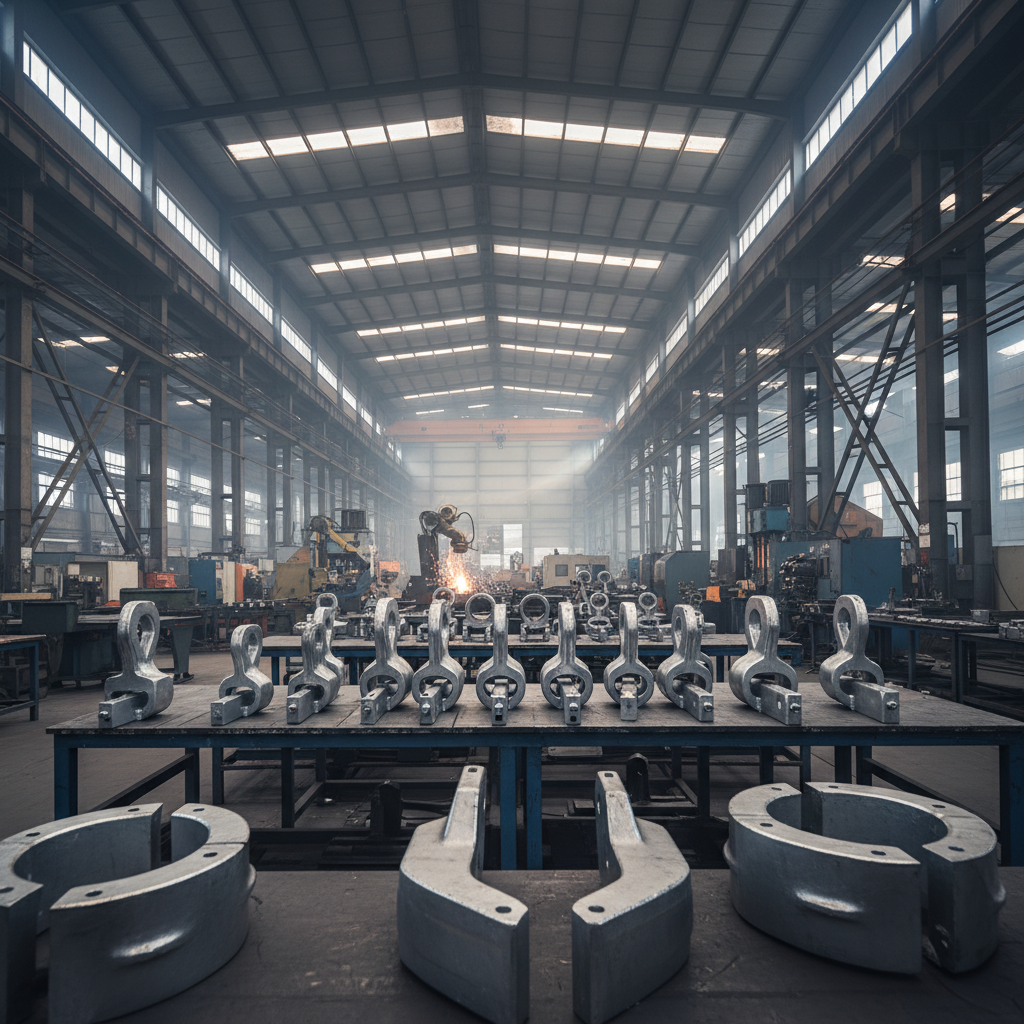
MSS SP 58 is a standard developed by the Manufacturers Standardization Society (MSS) that establishes requirements for the design, manufacturing, and testing of pipe hangers and supports. This standard ensures that these critical components can reliably support piping systems under various conditions, including static loads, dynamic loads (vibration, thermal expansion/contraction), and seismic events. Adherence to MSS SP 58 is essential for maintaining the integrity of piping systems in industries such as oil & gas, power generation, chemical processing, and water treatment. It provides a framework for consistent quality, interoperability, and safe operation. Ignoring this standard can lead to system failures and potential safety hazards.
Key Benefits of MSS SP 58 Compliance: Ensures structural integrity, Reduces risk of failure, Promotes safety, Improves long-term reliability.
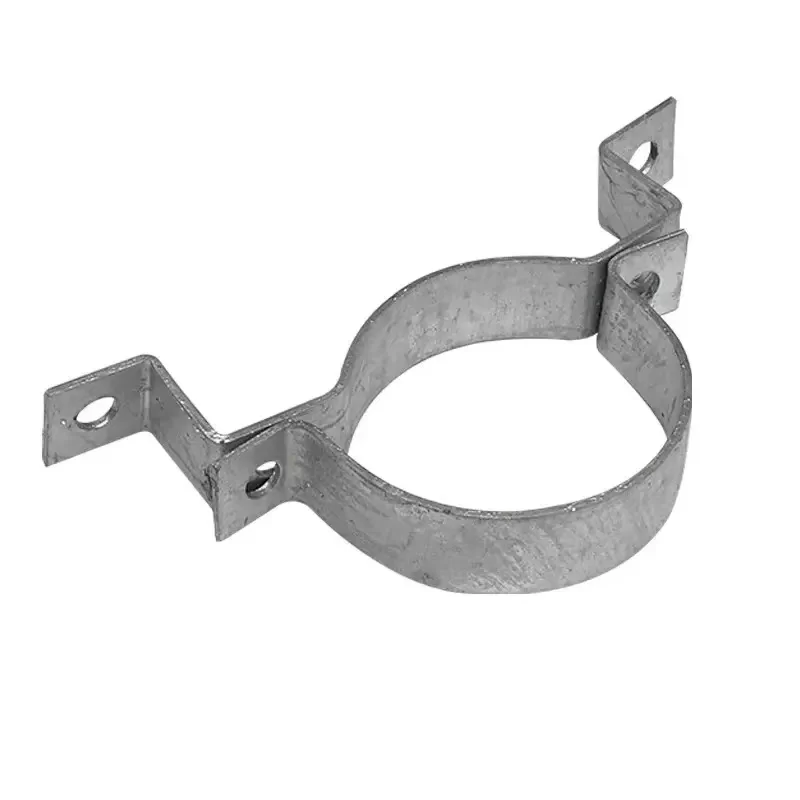
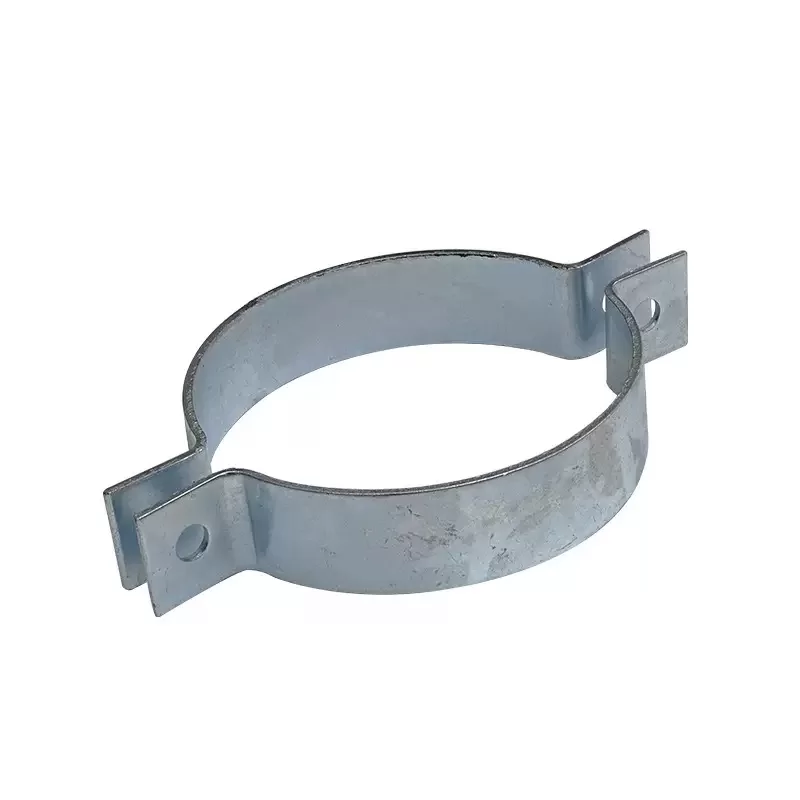
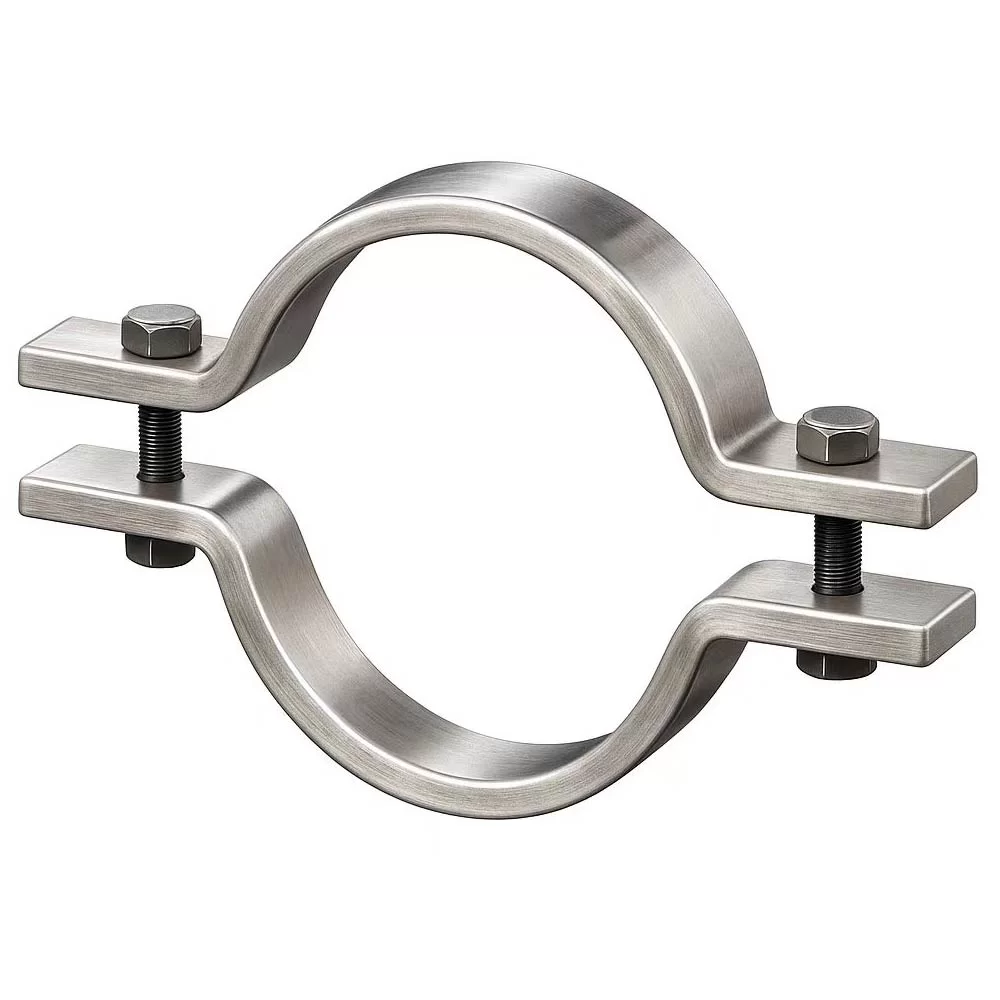
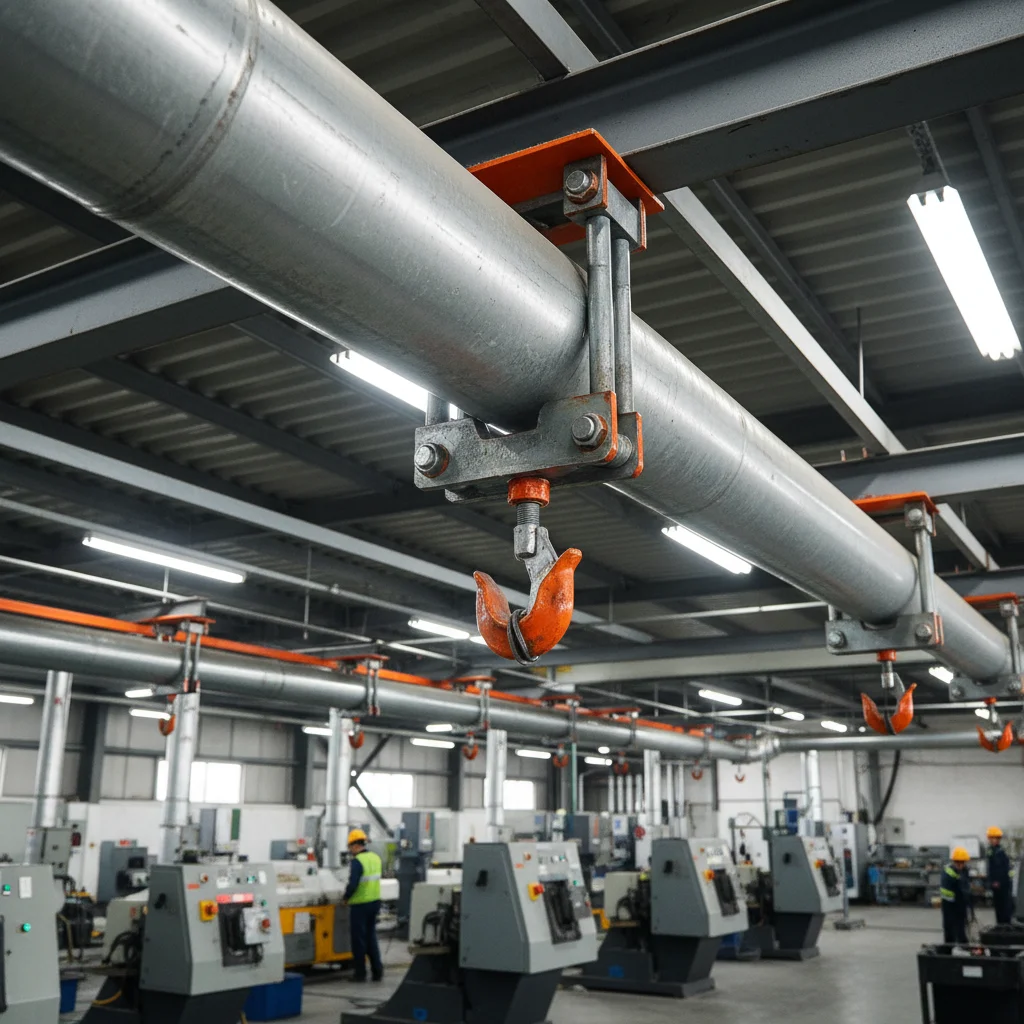
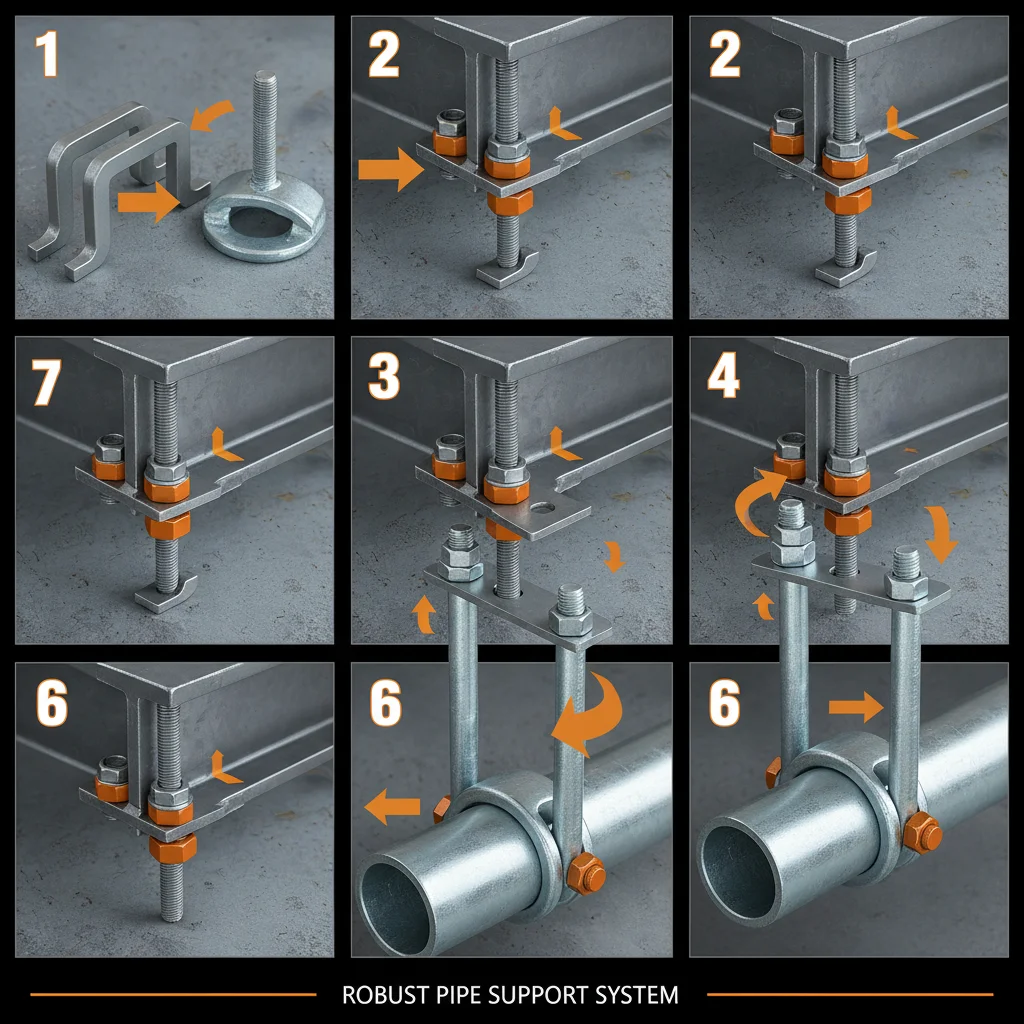
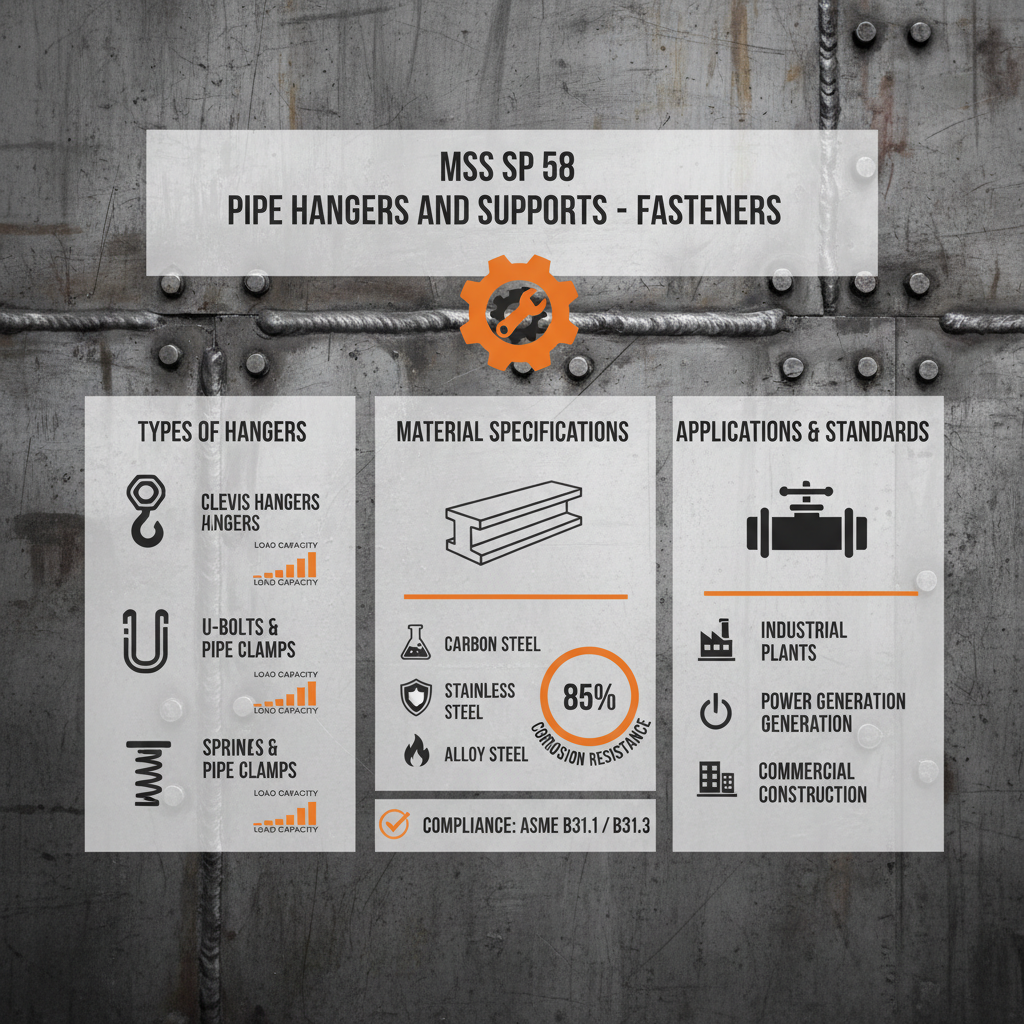
MSS SP 58 covers a wide array of hanger and support types, each designed for specific applications and loading conditions. Some common types include:
The selection of the appropriate type depends on factors such as pipe material, size, weight, operating temperature, and potential dynamic loads. Top Fastener offers a complete line of MSS SP 58 compliant supports to meet diverse needs.
The materials used in MSS SP 58 pipe hangers and supports are critical for corrosion resistance and structural strength. Common materials include:
Selecting the right MSS SP 58 pipe hangers and supports requires careful consideration of several factors. These include the pipe's material and diameter, the operating temperature and pressure, the potential for thermal expansion/contraction, the presence of vibration or dynamic loads, and the environmental conditions. Proper load calculations are essential to ensure that the chosen supports can adequately handle the anticipated stresses. It's also critical to consider the long-term effects of corrosion and wear. A comprehensive approach to support selection, informed by MSS SP 58 guidelines, will maximize system reliability and minimize the risk of failure. Remember to consult with qualified engineering professionals for complex applications.
Choosing a supplier that adheres to MSS SP 58 is paramount. Top Fastener is dedicated to providing high-quality, MSS SP 58 compliant pipe hangers and supports. Look for suppliers that provide material certifications, conduct thorough testing, and maintain robust quality control procedures. Regular inspections of installed supports are also crucial to identify any signs of wear, corrosion, or damage. Proactive maintenance can prevent costly repairs and ensure continued system integrity. Don't compromise on quality when it comes to pipe support – it's a fundamental aspect of a safe and reliable piping system.
Implementing MSS SP 58 pipe hangers and supports is a critical investment in the safety, reliability, and longevity of any piping system. By understanding the standard's requirements and selecting the appropriate supports for your specific application, you can minimize the risk of failures, reduce maintenance costs, and ensure operational integrity. Choosing a reputable supplier like Top Fastener is key to obtaining high-quality, compliant products.
The lifespan of MSS SP 58 pipe hangers varies depending on the material, operating environment, and maintenance practices. Carbon steel hangers in corrosive environments will have a shorter lifespan compared to stainless steel hangers. Generally, a well-maintained hanger system should last 10-20 years or more. Regular inspections are crucial to identify any signs of corrosion, wear, or damage. Replacing components as needed will extend the overall system lifespan. It's vital to document inspection results and track the age of each component for proactive maintenance.
Rigid hangers provide fixed support and are used where minimal movement is required. They are ideal for supporting pipes with low thermal expansion or where precise alignment is critical. Spring hangers, on the other hand, allow for vertical movement, accommodating thermal expansion and contraction of the piping system. They contain a spring mechanism that absorbs the movement, preventing stress on the pipes and connected equipment. Choosing the correct type depends on the specific application and the expected pipe movement.
The frequency of pipe hanger inspections depends on the severity of the operating environment. For critical systems in corrosive or hazardous environments, inspections should be performed at least annually, and potentially more frequently (quarterly or even monthly). For less demanding applications, bi-annual inspections may suffice. Inspections should include a visual check for corrosion, damage, loose bolts, and proper functionality of spring hangers and snubbers. Documenting inspection findings is essential for tracking trends and identifying potential issues before they escalate.
Detailed information about MSS SP 58 can be found on the Manufacturers Standardization Society (MSS) website (https://www.mss-sc.org/). The MSS website offers access to the full standard document, as well as related publications and resources. Additionally, Top Fastener's technical team can provide guidance and support on MSS SP 58 compliance.
Hit enter to search or ESC to close