
February 02, 2026
Pipe supports are essential components in any piping system, providing stability and preventing stress on the pipes. Selecting the correct type of pipe support is critical for ensuring the long-term integrity and safety of your infrastructure. From simple shoe supports to complex spring hangers, the options can seem overwhelming. This guide will delve into the various types of pipe supports available, their applications, and key considerations for choosing the right solution for your needs. Proper support mitigates vibration, reduces wear, and ultimately minimizes the risk of costly failures.
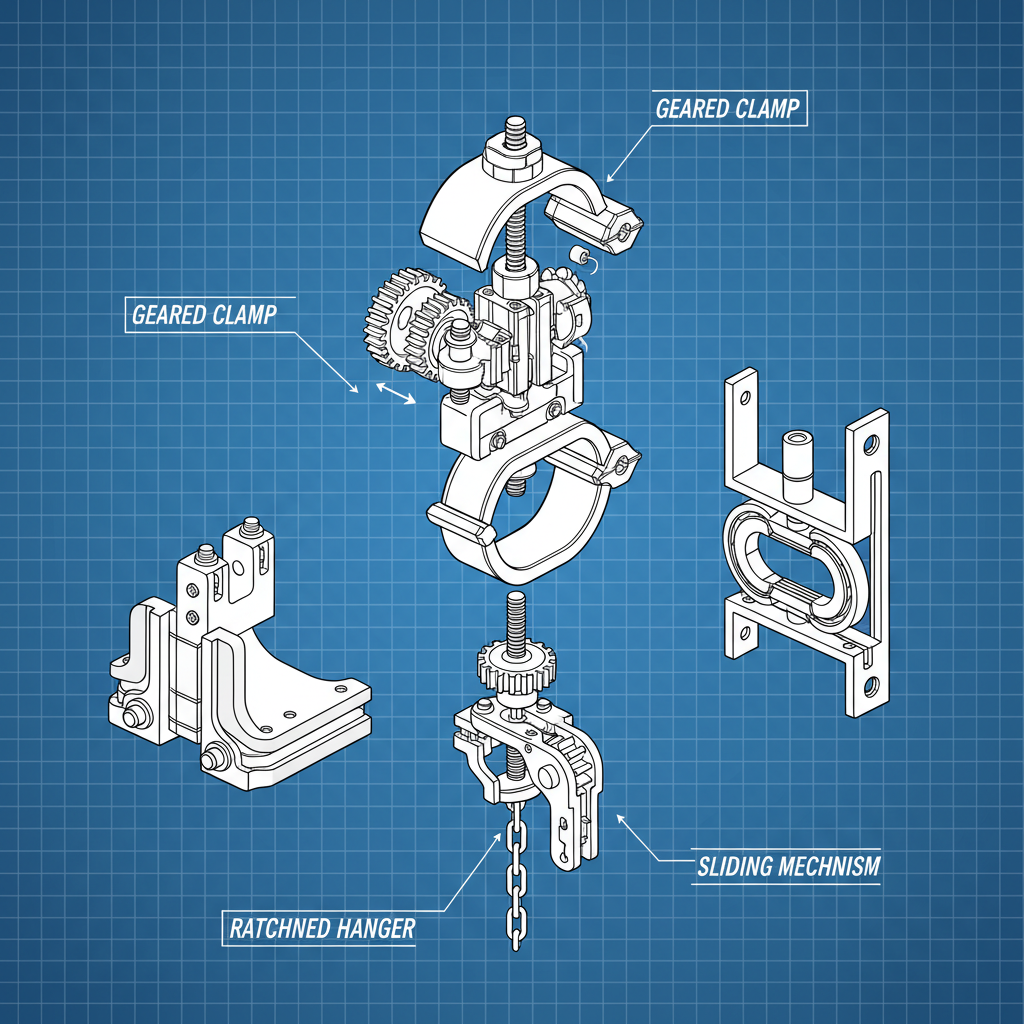
Pipe supports don’t just hold pipes in place; they manage the loads imposed by the weight of the pipe, the fluid it carries, and external forces like thermal expansion and contraction. These supports distribute these loads to the supporting structure, preventing overstressing and potential failure. Different types of supports are designed to handle specific load types and movement characteristics. Factors like pipe size, material, operating temperature, and the environment all influence the selection process. Understanding these fundamentals is crucial for making informed decisions. Selecting an inadequate support can lead to premature failure, leaks, and even catastrophic events.
Key Considerations: Understanding load types (weight, thermal, seismic), pipe material, operating temperature, and environmental factors are critical when selecting pipe supports.
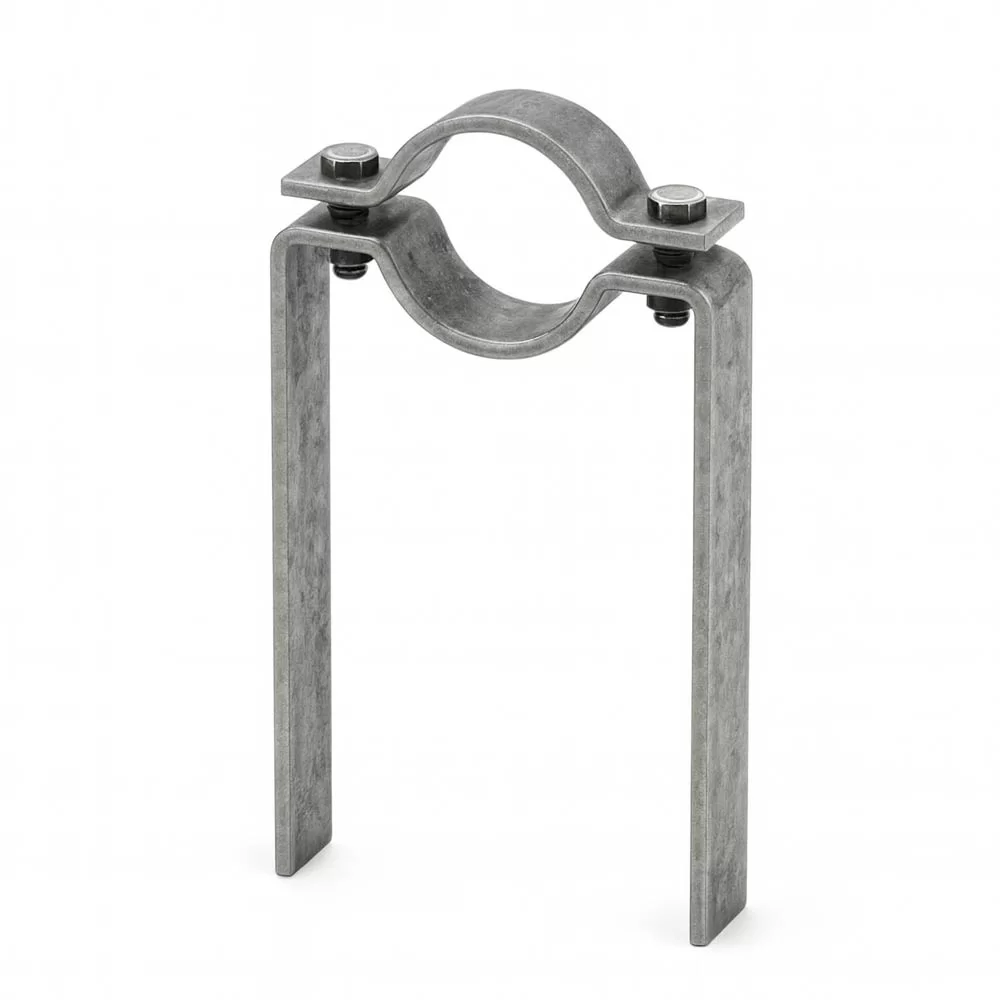
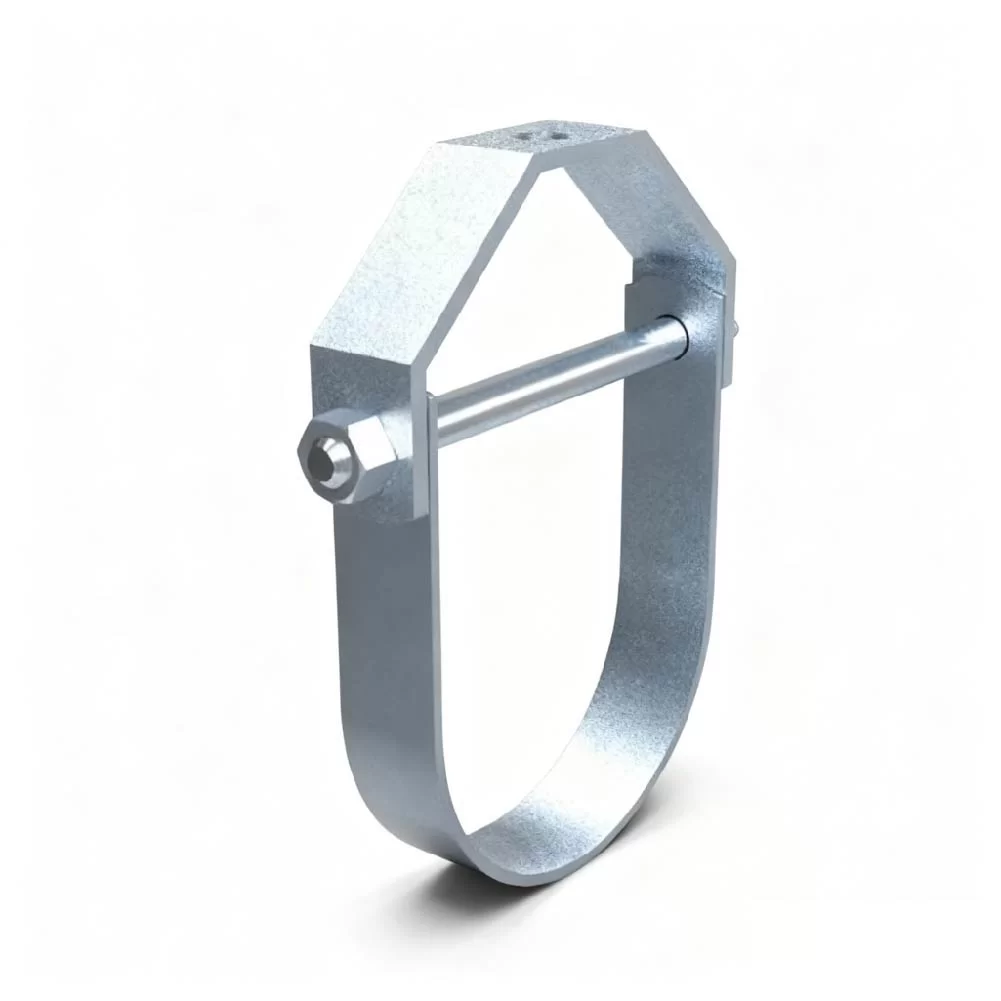
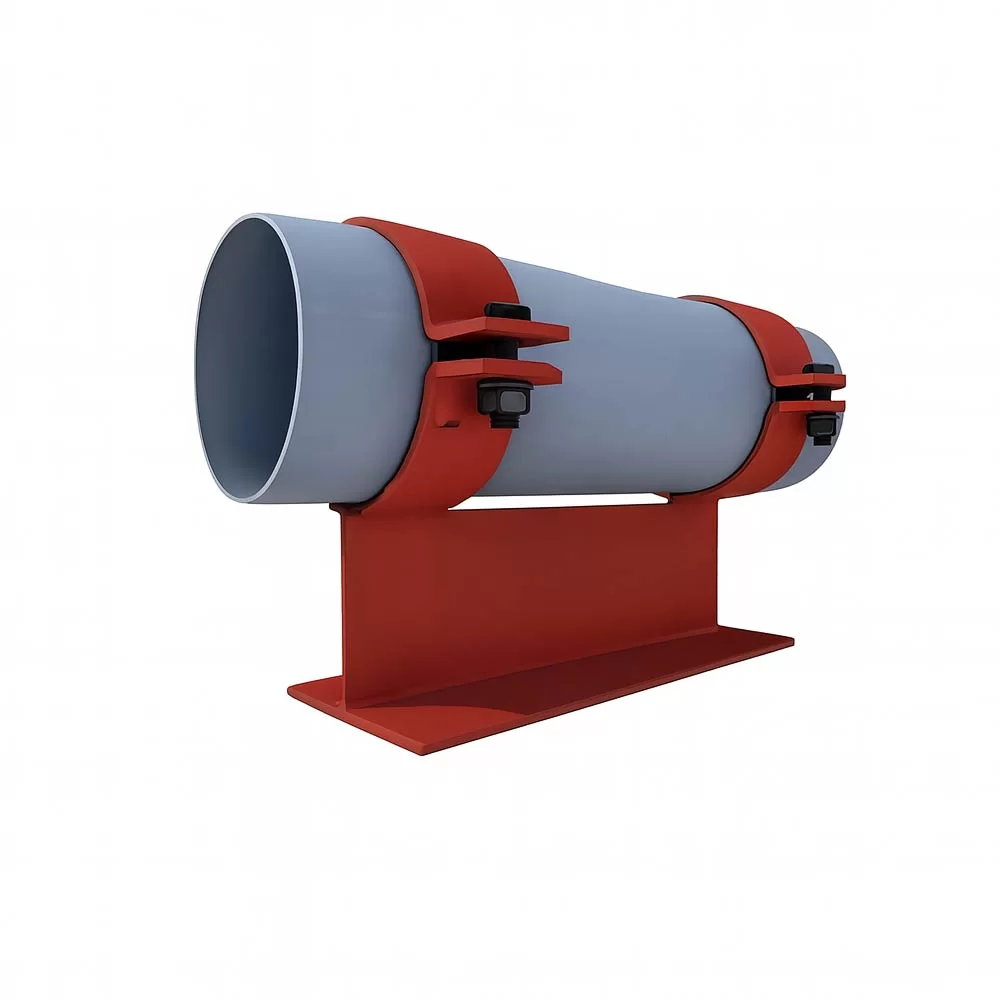
There's a diverse array of pipe support types available, each suited for different applications. Some of the most commonly used include shoe supports, clamp supports, hangers, spring supports, and snubbers. Shoe supports are typically used for horizontal pipes, providing a resting surface. Clamp supports offer a more secure grip, ideal for pipes requiring greater stability. Hangers suspend pipes from above, while spring supports accommodate vertical movement due to thermal expansion. Snubbers, on the other hand, control dynamic movement caused by seismic activity or water hammer. Top Fastener offers a comprehensive range of these support types.
Key Pipe Support Types:
• Shoe Supports: For horizontal pipe support.
• Clamp Supports: Secure grip for stable pipes.
• Hangers: Suspend pipes from above.
• Spring Supports: Accommodate vertical thermal movement.
Selecting the appropriate pipe supports isn’t a one-size-fits-all process. You must consider the specific requirements of your system. For instance, if your piping system experiences significant thermal expansion, spring supports or expansion joints are crucial. For heavier pipes, robust hangers and supports with higher load-bearing capacities are necessary. Furthermore, the material of the support should be compatible with the pipe material to prevent corrosion. Regularly inspecting and maintaining pipe supports is equally important to ensure continued performance and safety.
The material of your pipe supports is just as important as the type. Carbon steel is common for many applications due to its strength and cost-effectiveness. However, in corrosive environments, stainless steel or other corrosion-resistant alloys are crucial to prevent failure. Consider the operating temperature as well; some materials perform better at extreme temperatures than others. The compatibility of the support material with the pipe material is paramount to avoid galvanic corrosion. Top Fastener provides supports in a variety of materials to suit diverse environments.
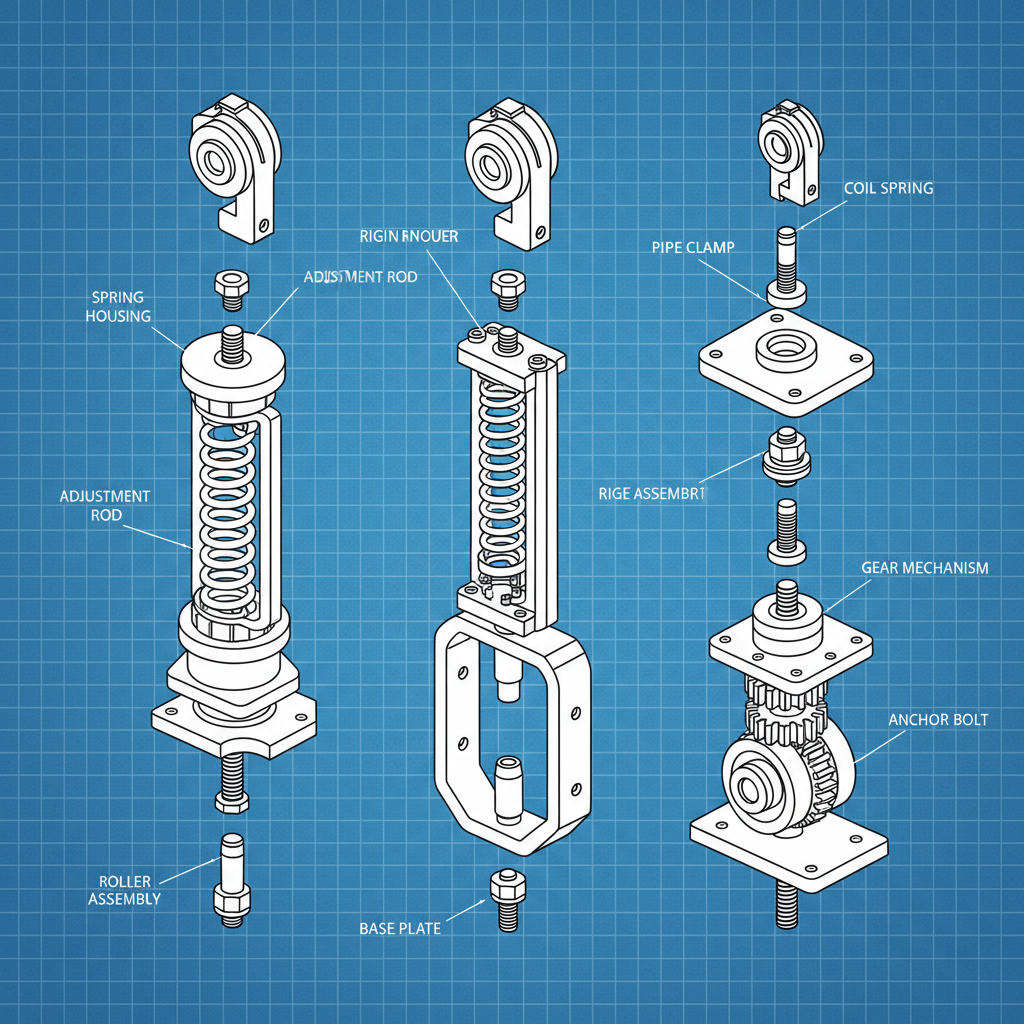
Even the best pipe supports require regular inspection and maintenance. Look for signs of corrosion, wear, or damage. Ensure all connections are tight and that the supports are functioning as intended. A preventative maintenance schedule can help identify potential issues before they become serious problems. Documenting inspection findings and maintenance activities is crucial for tracking the health of your piping system and ensuring long-term reliability. Regular maintenance drastically reduces the risk of unexpected failures and costly downtime.
Choosing the right types of pipe supports is a critical aspect of ensuring the safety, reliability, and longevity of your piping system. By understanding the different types available, considering the specific requirements of your application, and implementing a robust inspection and maintenance program, you can minimize the risk of failures and maximize the return on your investment. Don't compromise on quality or safety – choose the right support for a secure and efficient system.
Several key factors should influence your decision. These include the pipe’s size, weight, and material, the fluid it carries, the operating temperature and pressure, the potential for thermal expansion, and the environment (corrosive or non-corrosive). Also, consider any seismic activity in the area. Properly assessing these factors will ensure you select supports that can handle the loads and conditions specific to your system. Consulting with a qualified engineer is recommended for complex applications.
The frequency of inspection depends on the criticality of the piping system and the environment. A good starting point is a visual inspection at least once a year, with more frequent inspections for systems exposed to harsh conditions or critical processes. Look for signs of corrosion, wear, loose connections, or damage. Document your inspections and any maintenance performed. Regular inspections are vital for identifying and addressing potential issues before they escalate into costly repairs or safety hazards.
Spring supports are designed to accommodate vertical movement in piping systems caused by thermal expansion or contraction. They prevent excessive stress on the piping and connected equipment. They essentially absorb the movement and keep the system stable. Spring supports are commonly used in power plants, refineries, and other facilities where significant temperature fluctuations occur. Different spring rates are available to match the specific needs of the application.
No, the material must be carefully selected based on compatibility with the pipe material and the operating environment. Carbon steel is often used, but in corrosive environments, stainless steel, aluminum, or other corrosion-resistant alloys are necessary. Galvanic corrosion can occur if incompatible materials are used, leading to premature failure. Consider the temperature as well; some materials perform better at high or low temperatures than others.
Hit enter to search or ESC to close