
March 04, 2026
Proper cast iron pipe hanger spacing is crucial for the longevity and safety of any plumbing system. Insufficient or excessive support can lead to stress on the pipes, potential leaks, and even catastrophic failures. This guide will delve into the factors influencing hanger spacing, relevant codes and standards, optimal practices, and the importance of using quality hangers. Choosing the right spacing and quality of hangers ensures a secure, reliable, and long-lasting plumbing infrastructure. Top Fastener offers a comprehensive selection of cast iron pipe hangers to meet your specific needs.
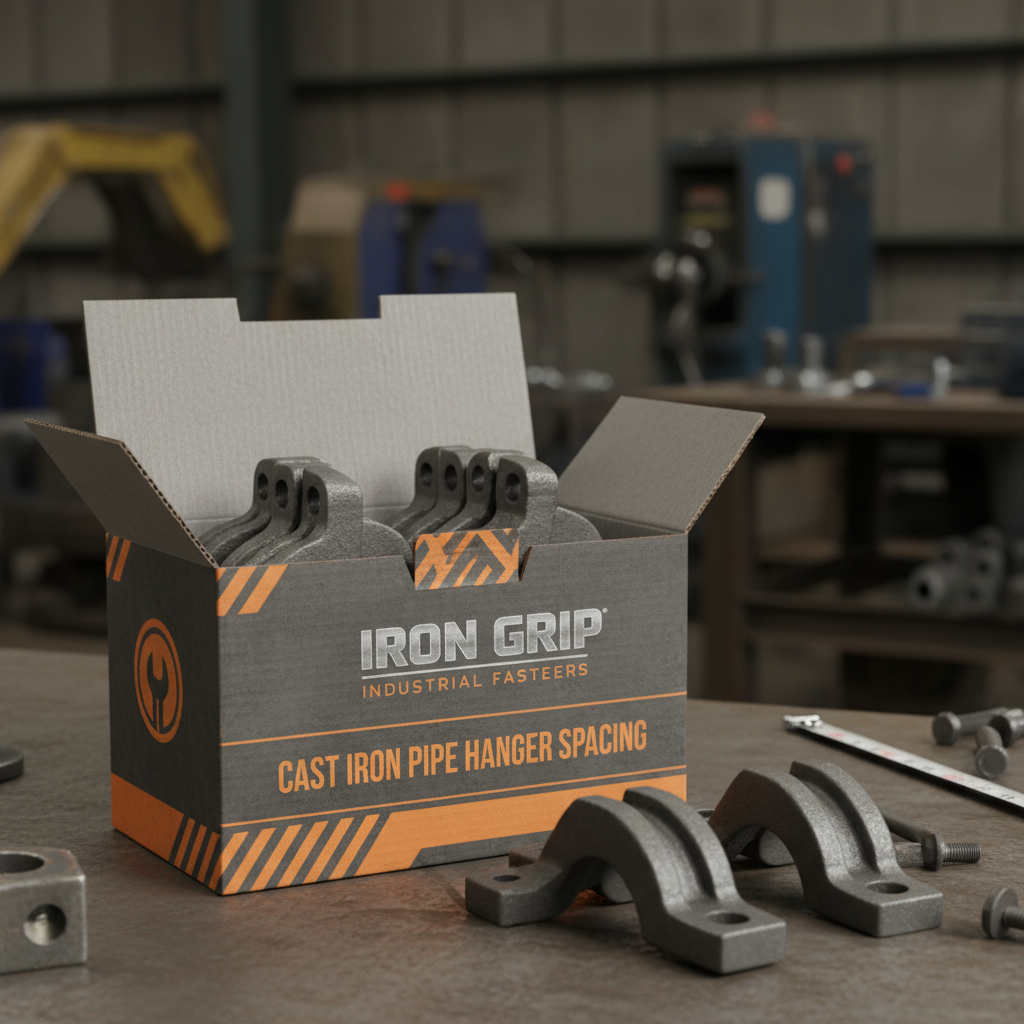
Several key factors dictate the appropriate spacing for cast iron pipe hangers. Pipe diameter is perhaps the most significant; larger diameter pipes require closer support. The type of cast iron pipe used (e.g., service weight, standard weight) also plays a role, as different weights have varying load-bearing capacities. The presence of valves, fittings, and other attachments creates stress points, demanding hangers be positioned closer to these components. Additionally, the environment in which the pipe is installed – whether exposed to vibration, temperature fluctuations, or potential impact – must be considered. Finally, local plumbing codes and regulations always take precedence.
Key Considerations: Pipe diameter, pipe weight, fittings & valves, environmental factors, and local plumbing codes.
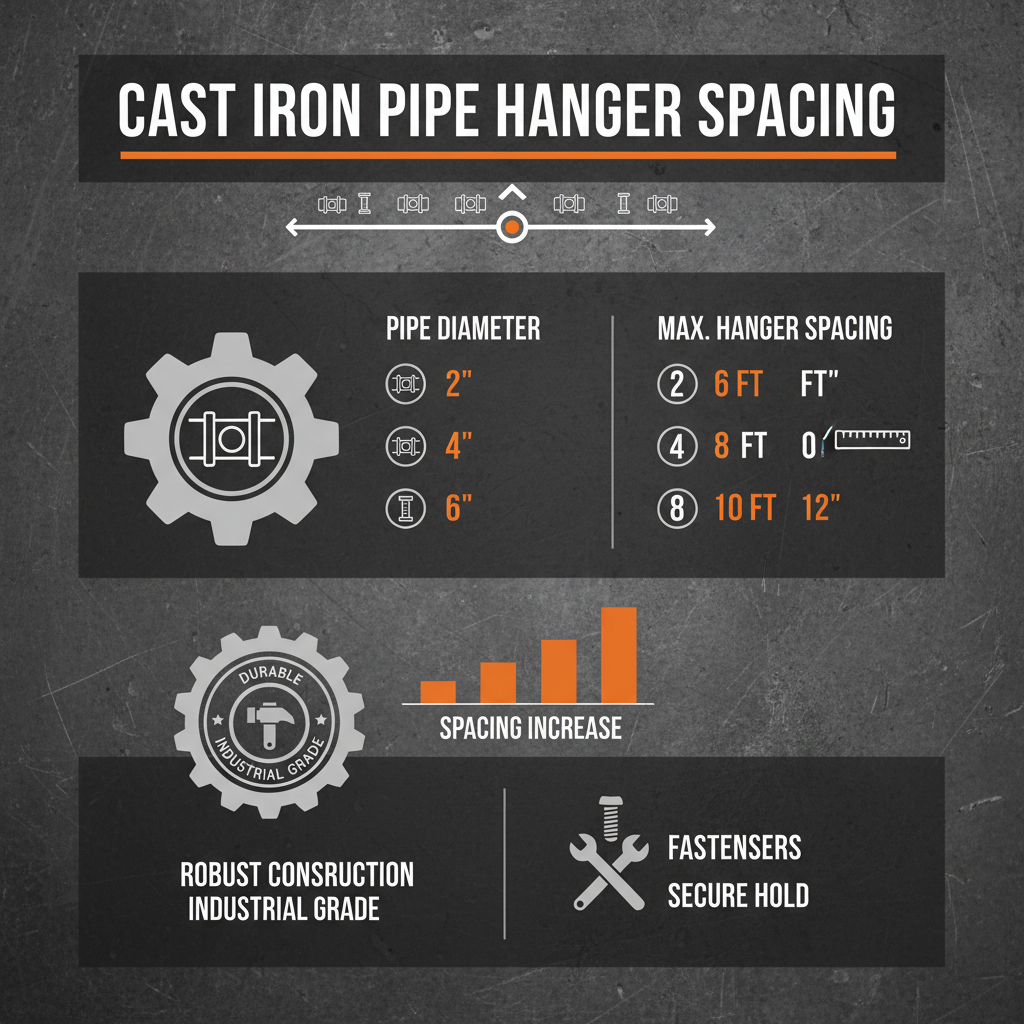
While specific requirements vary, here are general guidelines for cast iron pipe hanger spacing. These guidelines are based on industry best practices and typical plumbing codes. Always consult local regulations for the most accurate information. Note that these are maximum spacing intervals; closer spacing is often preferred, especially in demanding applications.
Pipe fittings and valves introduce concentrated loads that require special attention. Hangers should be positioned within 6 inches on either side of any fitting or valve. This minimizes stress on the joint and prevents potential cracking or leakage. For larger or more complex fittings, consider using multiple hangers or specialized support systems designed to distribute the load effectively. Ignoring this crucial step can lead to premature failure of the plumbing system.
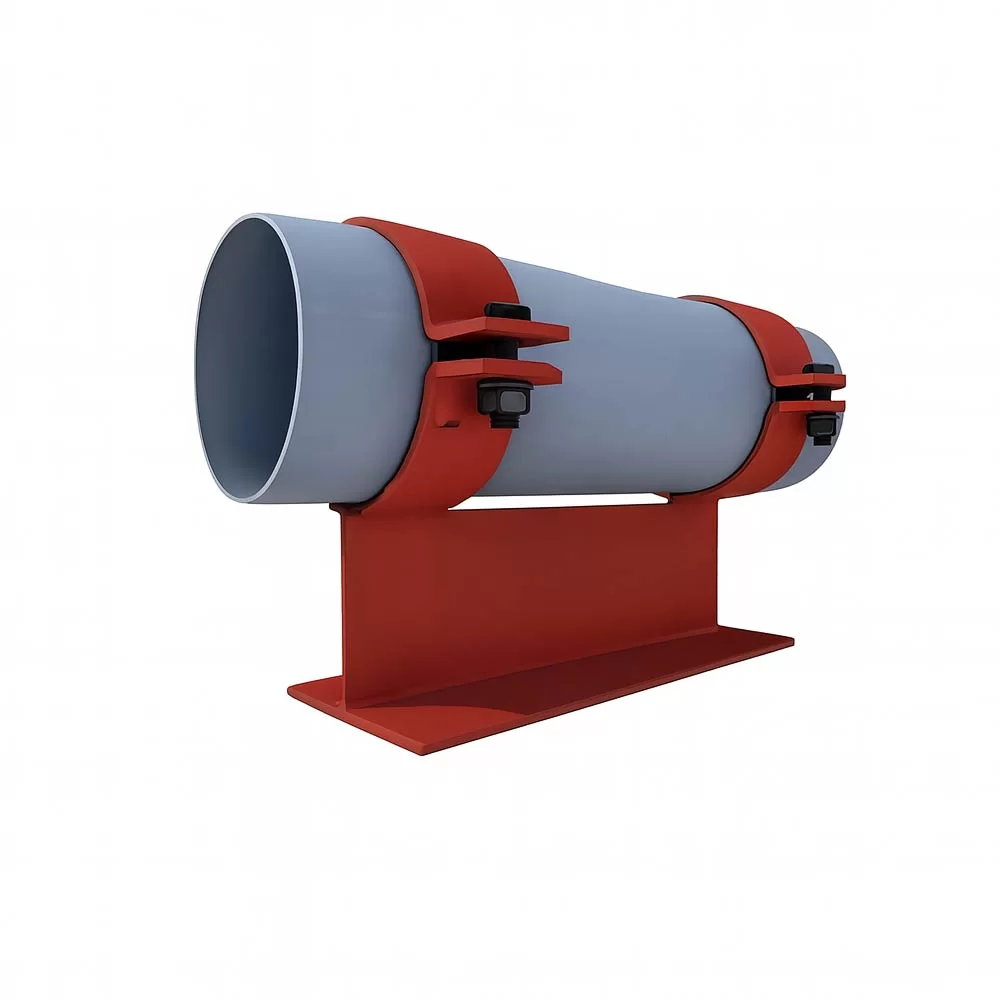
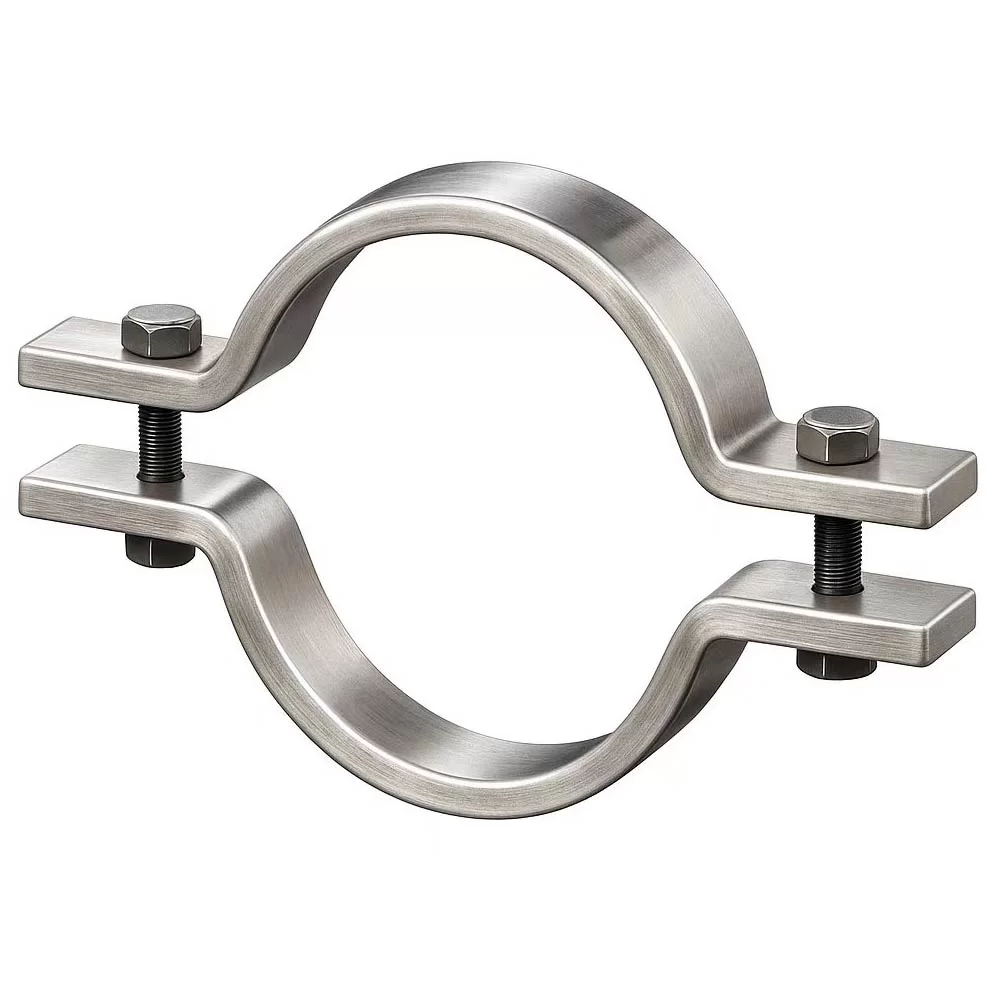
Selecting the appropriate hanger is just as important as proper spacing. Ensure the hangers are specifically designed for cast iron pipe and have a weight capacity exceeding the loaded weight of the pipe section they support. Different hanger types – such as clevis hangers, band hangers, and spring hangers – are suited for various applications. For example, spring hangers are ideal for supporting vertical runs and absorbing movement due to thermal expansion and contraction. Top Fastener provides a wide variety of hangers to suit any plumbing need, manufactured to meet stringent quality standards.
Several codes and standards govern cast iron pipe support, including the Uniform Plumbing Code (UPC) and the International Plumbing Code (IPC). These codes outline minimum requirements for hanger spacing, material specifications, and load-bearing capacity. Adhering to these codes is essential for ensuring a safe and compliant plumbing installation. Local authorities may have additional requirements, so it's crucial to verify the specific regulations in your area. Always consult with a qualified plumbing professional to ensure compliance with all applicable codes and standards.
Correct cast iron pipe hanger spacing is a foundational element of a durable and reliable plumbing system. By understanding the influencing factors, adhering to code requirements, and utilizing quality hangers from suppliers like Top Fastener, you can prevent costly repairs and ensure the long-term integrity of your plumbing infrastructure.
Insufficient support can lead to several problems, including pipe sagging, stress on joints, and potential leaks. Sagging pipes can create low spots where debris accumulates, causing blockages. Stress on joints can result in cracking or separation, leading to water damage. In severe cases, inadequate support can cause complete pipe failure, resulting in significant repairs and disruption. Properly spaced hangers distribute the weight of the pipe and its contents, preventing these issues.
Noise in cast iron pipes can often be mitigated by using resilient hangers. These hangers incorporate rubber or other damping materials to absorb vibrations and reduce noise transmission. Spring hangers can also be effective in isolating vibrations, particularly in vertical runs. Ensure the hangers are securely fastened to both the pipe and the supporting structure to maximize their effectiveness. Proper insulation around the pipe can also help reduce noise levels.
While wood was historically used for pipe support, it is generally not recommended for modern plumbing installations. Wood can rot, warp, and lose its strength over time, compromising the integrity of the support system. Furthermore, wood does not provide consistent support and can allow for excessive pipe movement. Metal hangers designed specifically for cast iron pipes are the preferred choice due to their durability, strength, and reliability.
Regular inspection of cast iron pipe hangers is crucial for identifying potential problems before they escalate. Inspect hangers at least annually, or more frequently in harsh environments. Look for signs of corrosion, damage, or loosening. Ensure all hangers are securely fastened and that the pipe is adequately supported. Address any issues promptly to prevent leaks, sagging, or pipe failure.
Hit enter to search or ESC to close