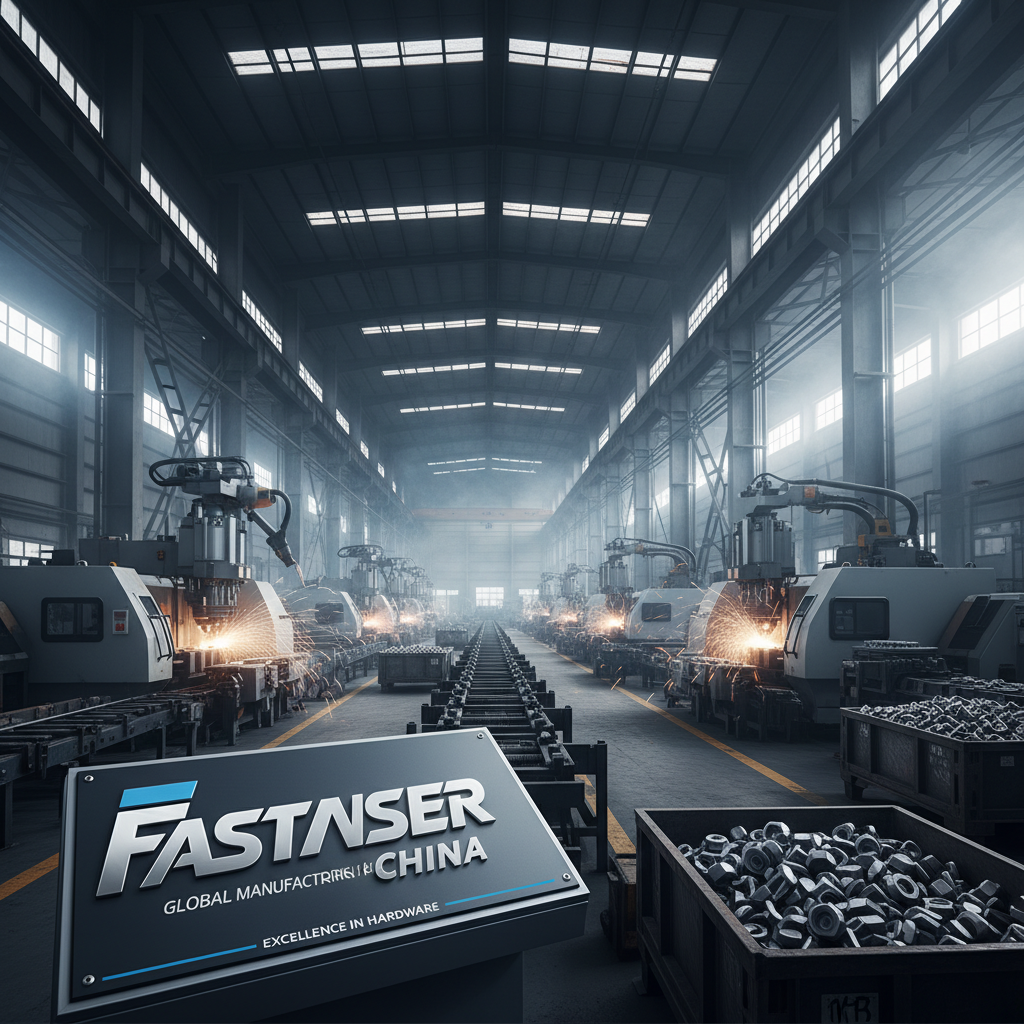
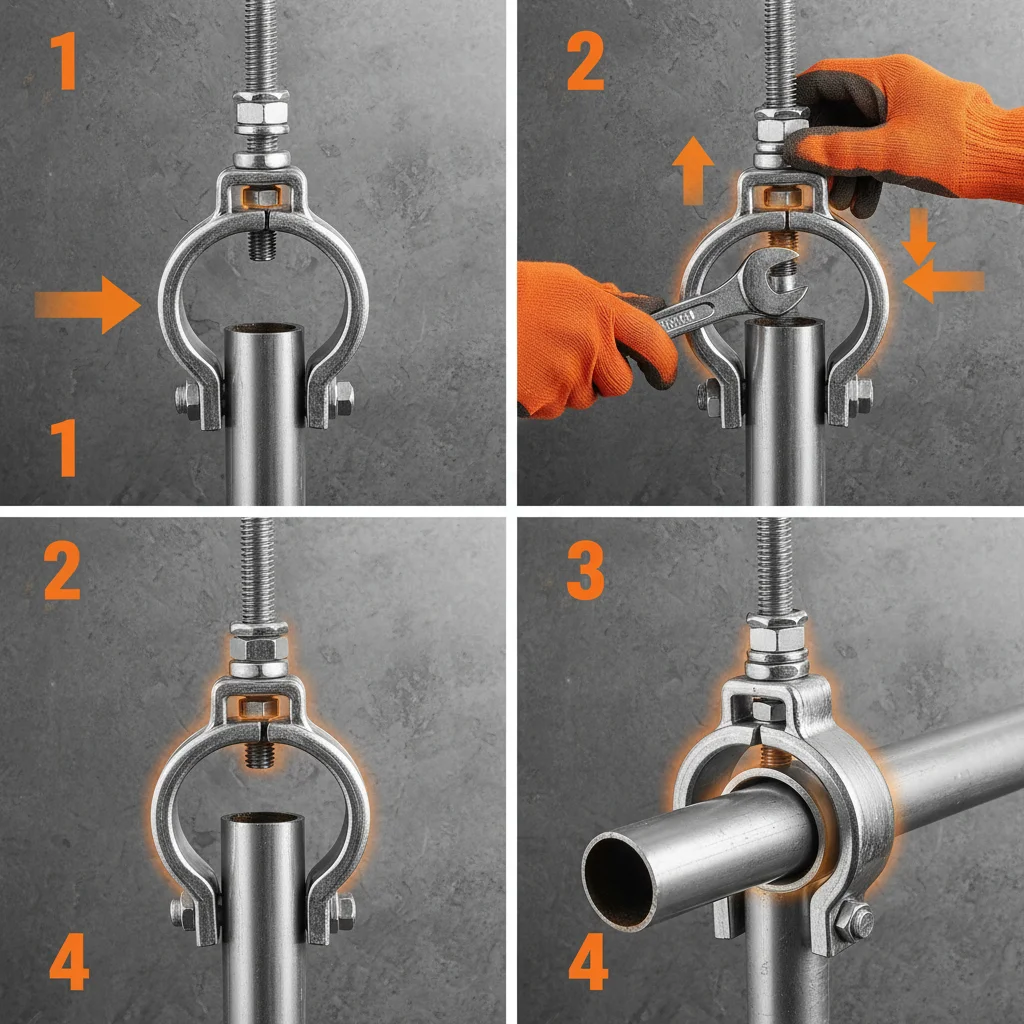
Fastener china represents a crucial element in the global manufacturing supply chain, providing essential components for diverse industries ranging from automotive and aerospace to construction and electronics. Understanding the intricacies of fastener china – its production capabilities, quality standards, and evolving market dynamics – is vital for businesses seeking reliable sourcing and cost-effective solutions. The increasing demand for specialized fasteners, coupled with China’s manufacturing prowess, has positioned it as a dominant force in the global fastener market.
The significance of fastener china extends beyond mere supply. It impacts project timelines, structural integrity, and ultimately, the safety and reliability of countless applications worldwide. Fluctuations in raw material costs, geopolitical factors, and technological advancements within the Chinese fastener industry directly influence global pricing and availability. Therefore, a comprehensive understanding of this ecosystem is essential for informed decision-making.
Investing in knowledge about fastener china unlocks opportunities for enhanced supply chain resilience, optimized sourcing strategies, and access to innovative fastener solutions. This proactive approach allows businesses to mitigate risks, improve product quality, and maintain a competitive edge in today's dynamic global market.
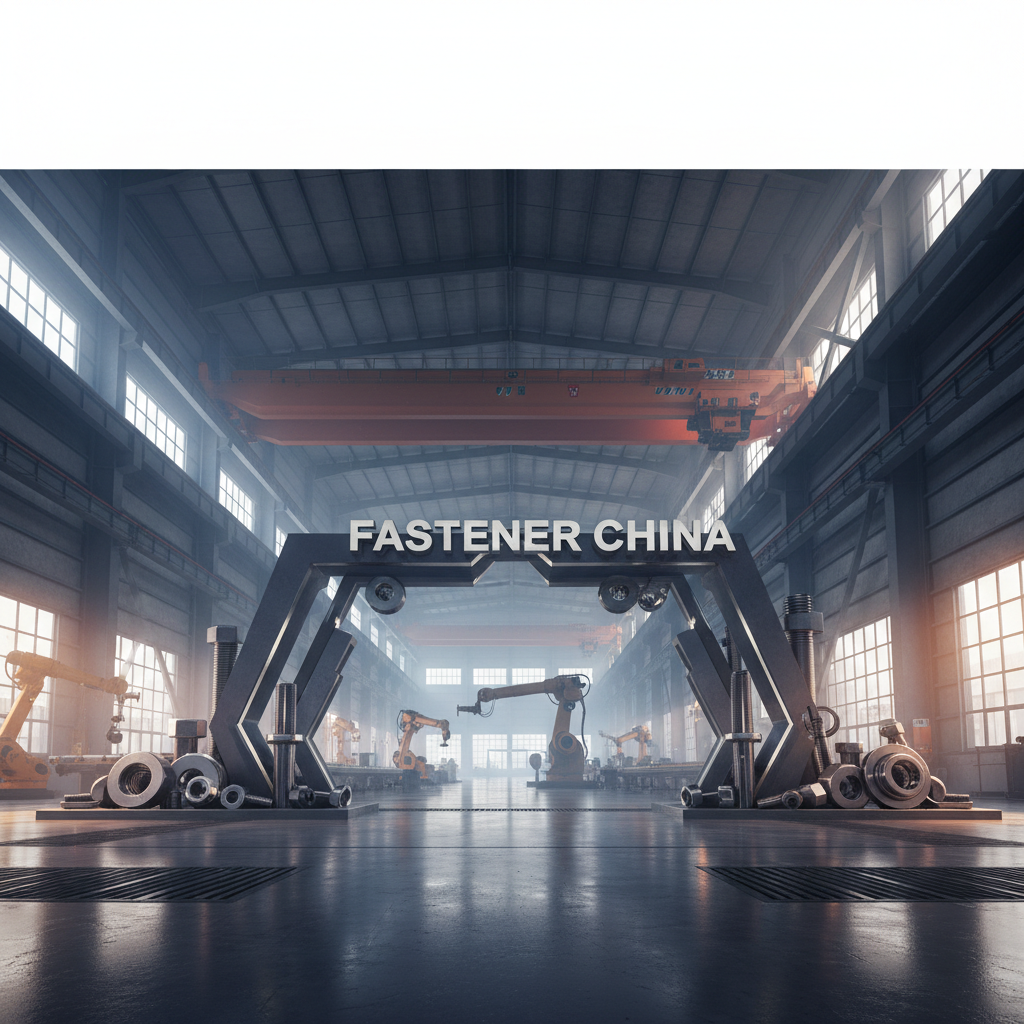
The Global Significance of fastener china
China has become the world’s leading producer and exporter of fasteners, accounting for an estimated 60-70% of global fastener output. According to data from the China Fastener Information Network, the industry’s annual production value exceeds USD 80 billion. This dominance stems from a combination of factors including readily available raw materials, a skilled labor force, and significant government investment in manufacturing infrastructure. The sheer scale of fastener china production allows for competitive pricing, making it an attractive sourcing destination for businesses worldwide.
However, this global reliance also presents challenges. Supply chain disruptions, quality control concerns, and geopolitical tensions can significantly impact the availability and cost of fasteners. The COVID-19 pandemic, for example, exposed vulnerabilities in global supply chains, highlighting the need for diversification and robust risk management strategies. Understanding these dynamics is critical for organizations dependent on fastener china.
Defining Fastener China
“Fastener china” encompasses the entire ecosystem of fastener production within mainland China, including the manufacturing, distribution, and export of a wide variety of fasteners. This includes standard fasteners like bolts, screws, nuts, and washers, as well as specialized fasteners tailored to specific industry needs. The term refers not only to the physical products but also to the complex network of suppliers, manufacturers, and trading companies operating within the Chinese market.
The industry is characterized by a tiered structure, ranging from large-scale, internationally-certified manufacturers to smaller, often regionally-focused, producers. Many Chinese fastener companies specialize in specific materials (e.g., carbon steel, stainless steel, aluminum) or fastener types, contributing to the breadth and depth of the industry’s capabilities.
The significance of fastener china extends to modern industrial processes and infrastructure development globally. From the construction of skyscrapers to the assembly of automobiles, reliable fasteners are fundamental for ensuring structural integrity and operational safety. The accessibility of affordable, high-quality fasteners from China has been instrumental in driving down costs and accelerating development projects worldwide.
Key Characteristics of fastener china
One of the defining characteristics of fastener china is its remarkable scalability. Chinese manufacturers possess the capacity to handle both small-volume custom orders and massive production runs, catering to a diverse range of customer requirements. This flexibility is crucial for businesses operating in dynamic markets where demand fluctuates.
Cost efficiency is another key advantage. Lower labor costs, economies of scale, and efficient supply chain management contribute to significantly lower fastener prices compared to those produced in many Western countries. This cost advantage makes fastener china particularly attractive for price-sensitive applications.
Increasingly, fastener china is focusing on improving quality control and standardization. Many manufacturers are investing in advanced testing equipment and obtaining international certifications like ISO 9001 and IATF 16949 to demonstrate their commitment to quality. While challenges remain, the overall quality of fasteners produced in China has steadily improved in recent years.
Critical Factors Influencing fastener china Quality
The quality of fastener china is influenced by several key factors, including the raw materials used, the manufacturing processes employed, and the level of quality control implemented. The grade of steel, for instance, significantly impacts a fastener’s strength, durability, and corrosion resistance. Utilizing inferior materials can compromise structural integrity and lead to premature failure.
Manufacturing processes such as cold forging, hot forging, and machining all play a crucial role in determining fastener quality. Precise tooling, meticulous process control, and skilled workmanship are essential for producing fasteners that meet stringent specifications. Furthermore, surface treatments like galvanizing, zinc plating, and black oxide enhance corrosion resistance and improve the fastener’s overall performance.
Quality Control Metrics for fastener china
Global Applications of Fastener China
Fastener china products find applications across a multitude of industries globally. In the automotive sector, they are critical for assembling vehicle components, ensuring structural integrity, and meeting stringent safety standards. The construction industry relies heavily on fasteners from China for building skyscrapers, bridges, and infrastructure projects.
The aerospace industry, while demanding the highest levels of precision and quality, also sources specialized fasteners from China. These fasteners are used in aircraft construction, engine assembly, and various other critical applications. In remote industrial zones in Africa and Southeast Asia, where cost-effectiveness is paramount, fastener china provides a readily available and affordable solution for a wide range of manufacturing and construction needs.
Advantages and Long-Term Value of Fastener China
The primary advantage of sourcing from fastener china lies in its cost competitiveness. Lower production costs translate into significant savings for businesses, enabling them to reduce overall project expenses and improve profitability. This cost advantage is particularly important for large-scale projects where fastener costs can represent a substantial portion of the total budget.
Beyond cost, fastener china offers increasing reliability and durability. Modern Chinese manufacturers are embracing advanced quality control measures and utilizing high-grade materials to produce fasteners that meet international standards. This commitment to quality builds trust and fosters long-term relationships between suppliers and customers. The access to customized solutions with short lead times adds substantial value.
Future Trends in fastener china Manufacturing
The future of fastener china manufacturing is being shaped by several key trends. Automation and robotics are being increasingly adopted to improve efficiency, reduce labor costs, and enhance quality control. Furthermore, a growing emphasis on sustainable manufacturing practices is driving the development of eco-friendly fasteners and reducing the industry’s environmental footprint.
The integration of digital technologies, such as the Industrial Internet of Things (IIoT) and data analytics, is enabling manufacturers to optimize production processes, predict equipment failures, and improve supply chain visibility. This digital transformation is paving the way for more efficient, responsive, and resilient fastener manufacturing operations. The demand for specialized fasteners tailored to emerging technologies like electric vehicles and renewable energy is also expected to drive innovation within the industry.
The development of new materials, such as high-strength alloys and composite materials, will further enhance fastener performance and expand their application possibilities. The push for “green” fasteners will involve utilizing recycled materials and minimizing waste throughout the manufacturing process.
Key Comparison of Current and Future Fastener China Manufacturing Methods
| Manufacturing Method |
Current Status |
Future Projection |
Impact on fastener china Quality |
| Cold Forging |
Widely used, moderate automation. |
Increased automation, AI-powered process optimization. |
Improved dimensional accuracy, reduced defects (Score: 8/10) |
| Hot Forging |
Labor intensive, traditional methods. |
Robotic forging systems, precise temperature control. |
Enhanced material properties, increased strength (Score: 7/10) |
| Machining |
CNC machining is common, but often lacks real-time monitoring. |
Integration of IIoT sensors for predictive maintenance & adaptive machining. |
Reduced tool wear, optimized cutting parameters (Score: 9/10) |
| Surface Treatment |
Batch processing, limited environmental control. |
Automated plating lines, closed-loop chemical recycling. |
Improved corrosion resistance, reduced waste (Score: 6/10) |
| Quality Control |
Manual inspection, limited data analysis. |
AI-powered visual inspection, automated defect detection. |
Increased accuracy, faster throughput, reduced human error (Score: 8/10) |
| Supply Chain Management |
Often fragmented, lack of real-time visibility. |
Blockchain-enabled tracking, end-to-end supply chain transparency. |
Improved traceability, reduced counterfeiting, enhanced responsiveness (Score: 7/10) |
FAQs
When importing from fastener china, prioritize certifications like ISO 9001 (Quality Management System), IATF 16949 (Automotive Quality Management System), and RoHS/REACH compliance (environmental standards). These indicate a commitment to quality control, consistent manufacturing processes, and adherence to international regulations. Verifying these certifications through independent bodies adds an extra layer of assurance.
Mitigating risk involves thorough vendor vetting, independent quality inspections, and clearly defined quality control agreements. Request sample submissions, conduct material testing, and utilize third-party inspection services before bulk orders. Detailed specifications and strict acceptance criteria are essential to ensure the fasteners meet your requirements.
Lead times for custom fastener orders from China vary based on complexity, quantity, and material availability. Typically, expect a lead time of 4-8 weeks for standard custom orders. For more complex designs or large quantities, the lead time can extend to 12 weeks or longer. Factor in shipping time when planning your procurement schedule.
Common payment terms include a 30% deposit upfront, with the remaining 70% paid before shipment or against a copy of the Bill of Lading. Letter of Credit (L/C) payments are also frequently used, particularly for large orders or when establishing new relationships. Consider using escrow services for added security.
Document the defects with photos and detailed descriptions. Immediately notify the supplier and request a corrective action plan. Depending on the severity of the defect and the terms of your contract, you may be entitled to a replacement shipment, a refund, or a price adjustment. Consider involving a third-party inspection agency to mediate the dispute.
Import regulations and tariffs vary depending on your country of origin and the specific type of fastener. Be aware of potential anti-dumping duties and countervailing duties imposed on Chinese fasteners. Consult with a customs broker or trade lawyer to ensure compliance with all applicable regulations and avoid unexpected costs.
Conclusion
In conclusion, fastener china plays an undeniable and crucial role in global manufacturing and infrastructure development. Its scalability, cost-effectiveness, and increasingly improving quality have made it a dominant force in the fastener market. However, successful sourcing from China requires a proactive approach to quality control, risk management, and regulatory compliance. By understanding the dynamics of this complex ecosystem, businesses can unlock significant value and build long-term, sustainable supply chains.
Looking ahead, the future of fastener china is poised for further innovation, driven by automation, digitalization, and a growing emphasis on sustainability. Staying informed about these trends and adapting your sourcing strategies accordingly will be essential for maintaining a competitive edge. For reliable sourcing and expert guidance on fastener china solutions, visit our website: www.topfastener.com.