
March 14, 2026
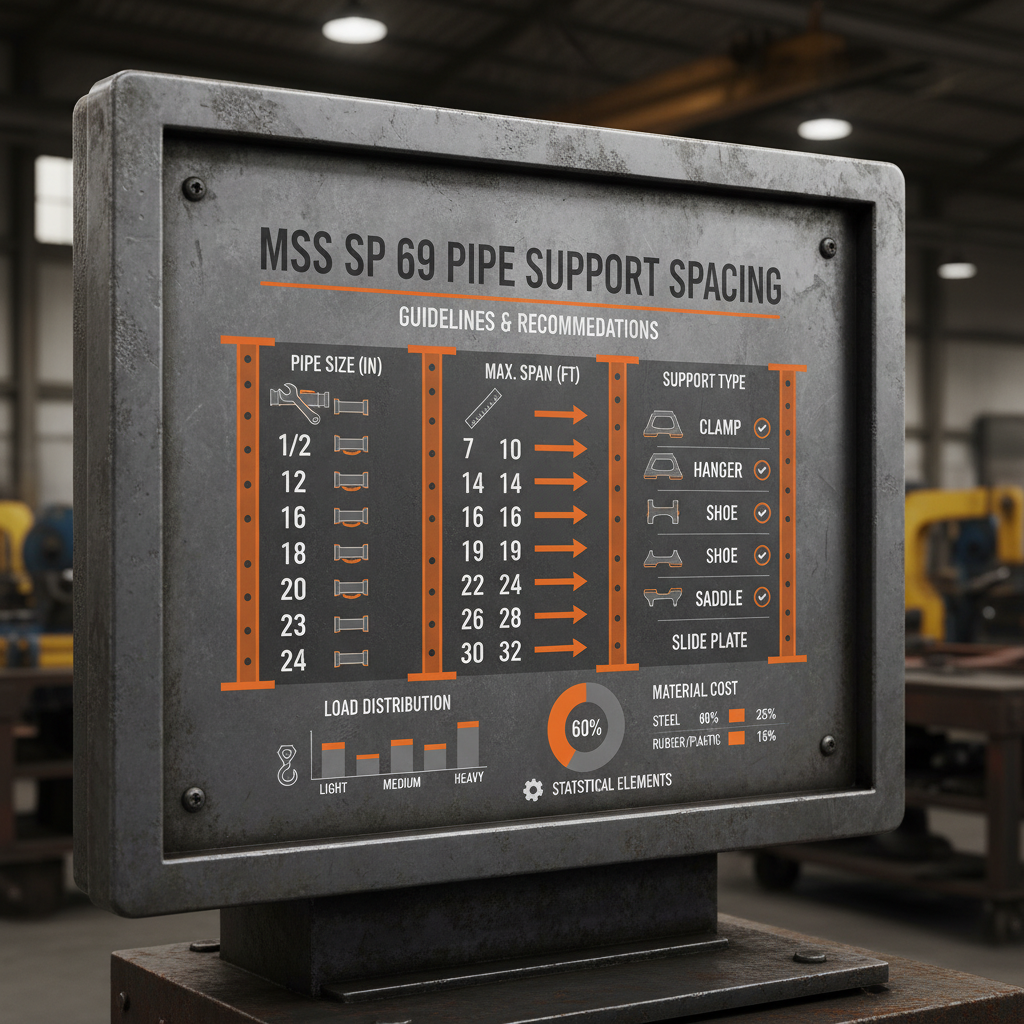
Proper pipe support spacing is crucial for the long-term integrity and safety of piping systems. The MSS SP 69 standard provides guidelines for calculating these distances, ensuring pipes can withstand stresses from weight, thermal expansion, and other loads. Incorrect spacing can lead to excessive stress, pipe sag, and potential failure. This article will delve into the key considerations of MSS SP 69 pipe support spacing, helping you optimize your piping system design. Selecting the right support and spacing is a core competency in engineering and construction projects.
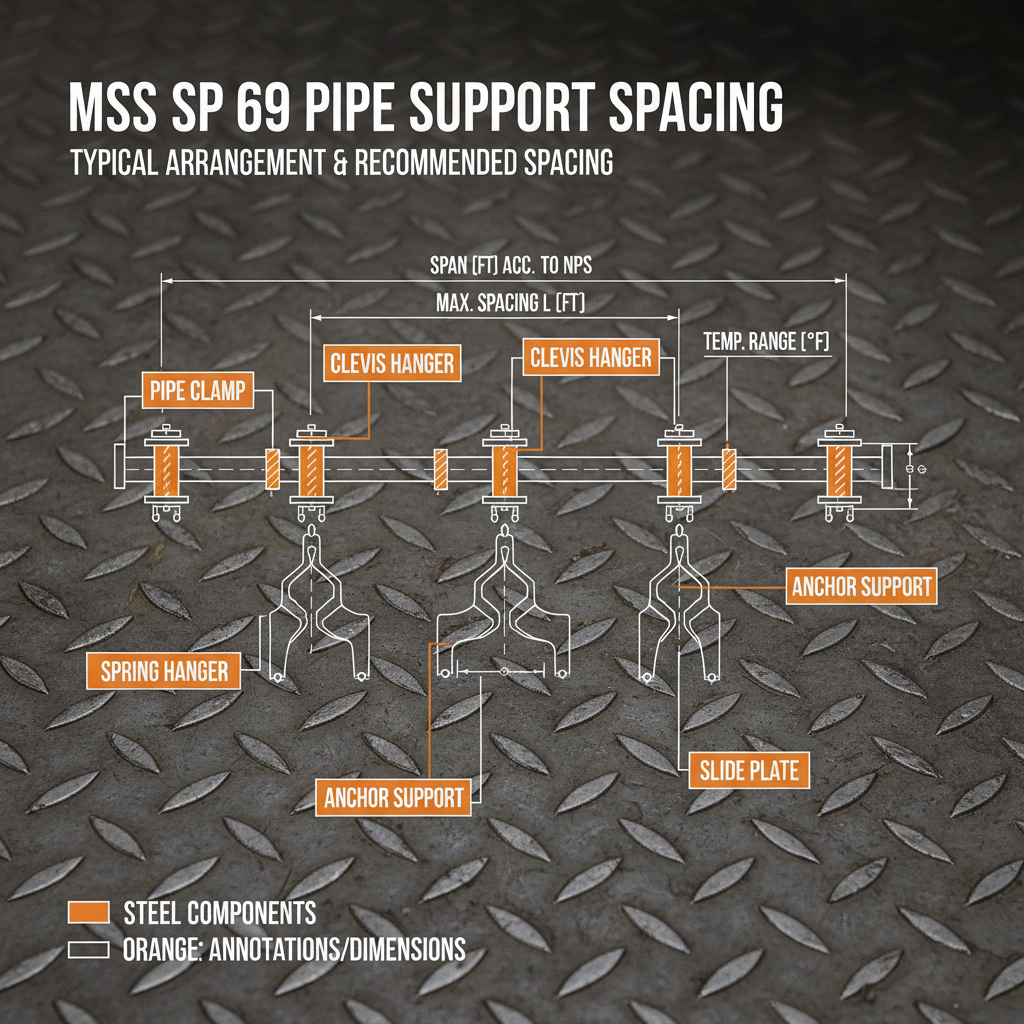
MSS SP 69, "Recommended Practice for Support of Piping Systems," is a widely adopted standard developed by the Manufacturers Standardization Society (MSS). It provides detailed guidance on the design, analysis, and installation of pipe supports. While not a code, it serves as a valuable resource for engineers and designers. It covers various aspects, including load calculations, support types, and material selection. Adhering to MSS SP 69 ensures your piping system meets industry best practices and promotes reliability and safety. The standard focuses on minimizing stress and vibration within the pipeline, maximizing operational life.
Key Takeaway: MSS SP 69 offers a comprehensive framework for pipe support design, covering everything from load calculations to material choices, promoting safety and longevity.
Several key factors determine the appropriate pipe support spacing as outlined in MSS SP 69. These include: pipe size and weight, fluid temperature, operating pressure, pipe material, insulation thickness, and external loads (wind, seismic). The goal is to limit pipe stress – bending stress, shear stress, and longitudinal stress – to acceptable levels. Larger pipes, higher temperatures, and heavier fluids generally require closer support spacing. It’s essential to accurately assess these factors during the design phase to ensure structural integrity.
Critical Considerations:
• Pipe size and weight
• Fluid temperature and pressure
• Pipe material and insulation
• External loads (wind, seismic)
MSS SP 69 offers several methods for calculating support spacing, ranging from simple rules of thumb to complex stress analysis. A common approach involves determining the allowable span based on the pipe’s section modulus and the maximum allowable bending stress. Software tools are often used for accurate calculations, especially for complex systems. These tools can model the piping system and simulate the effects of various loads, providing optimized support spacing recommendations. The specific method chosen depends on the complexity of the system and the level of accuracy required. You can find high-quality supports at Top Fastener.
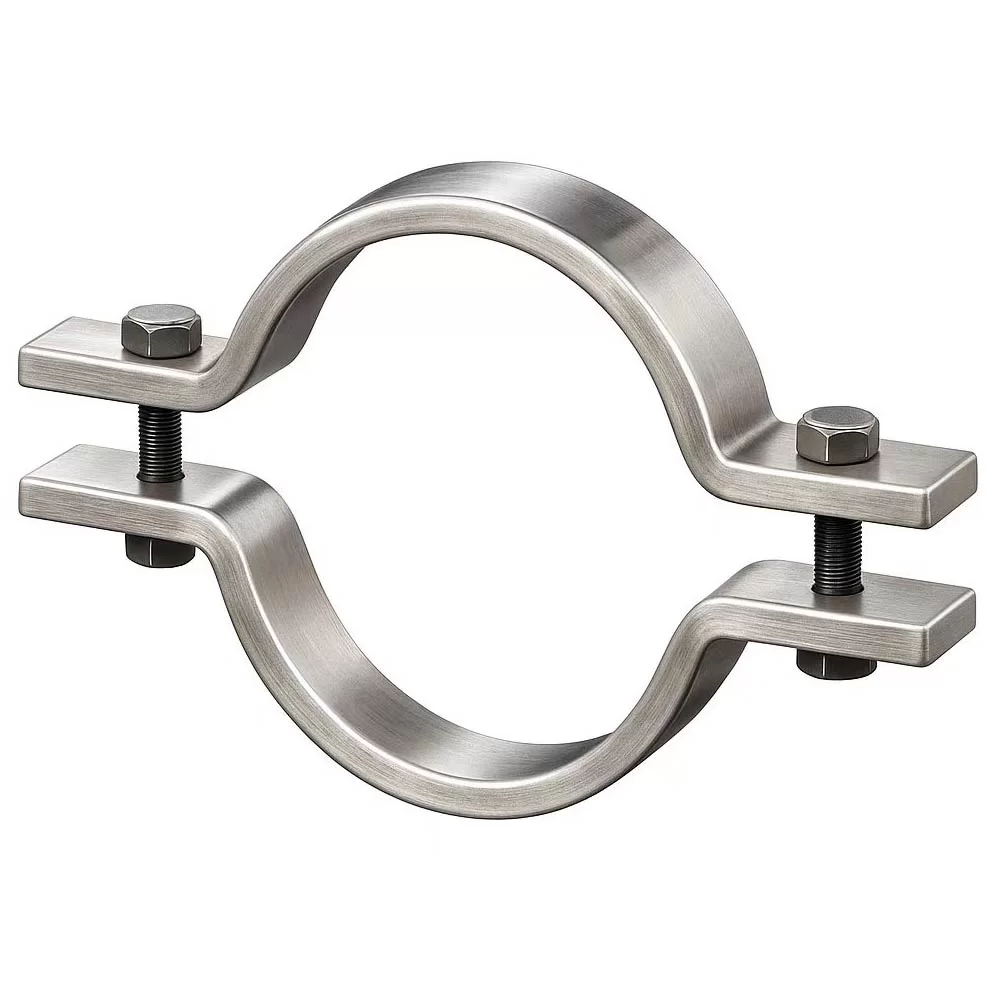
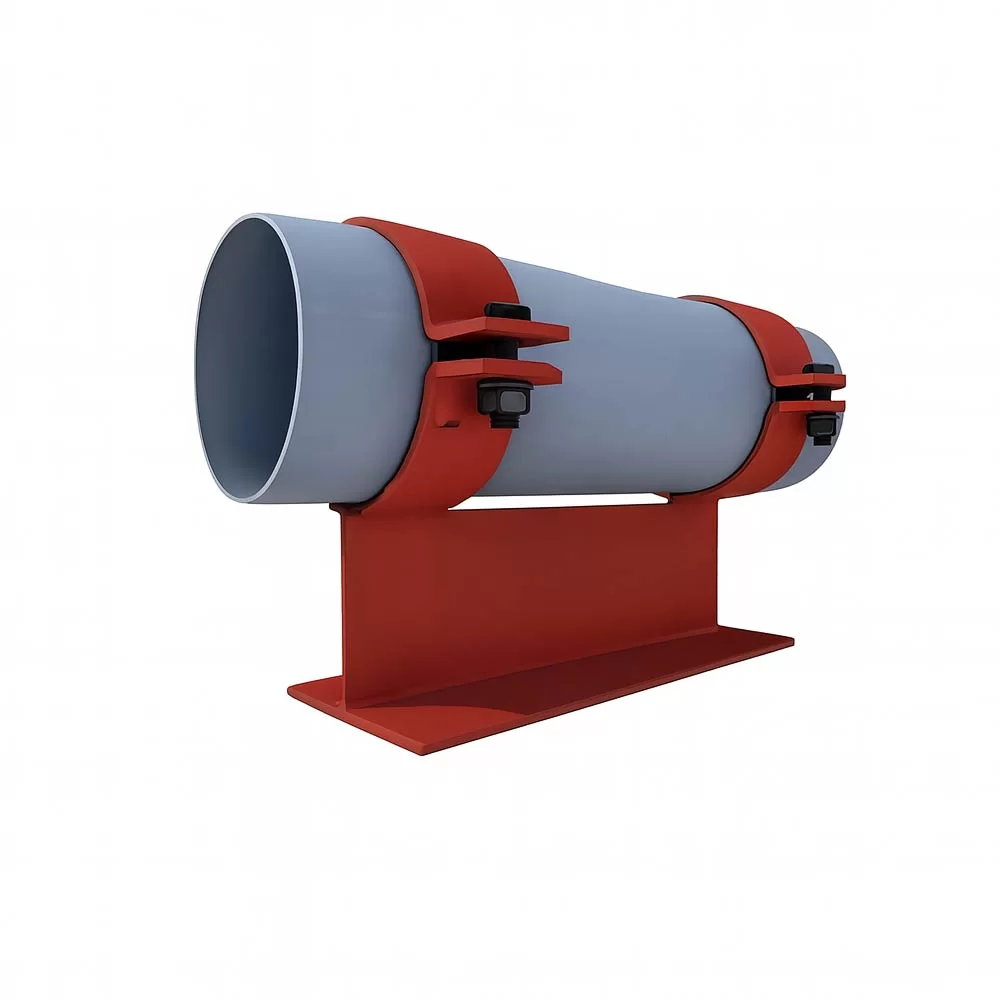
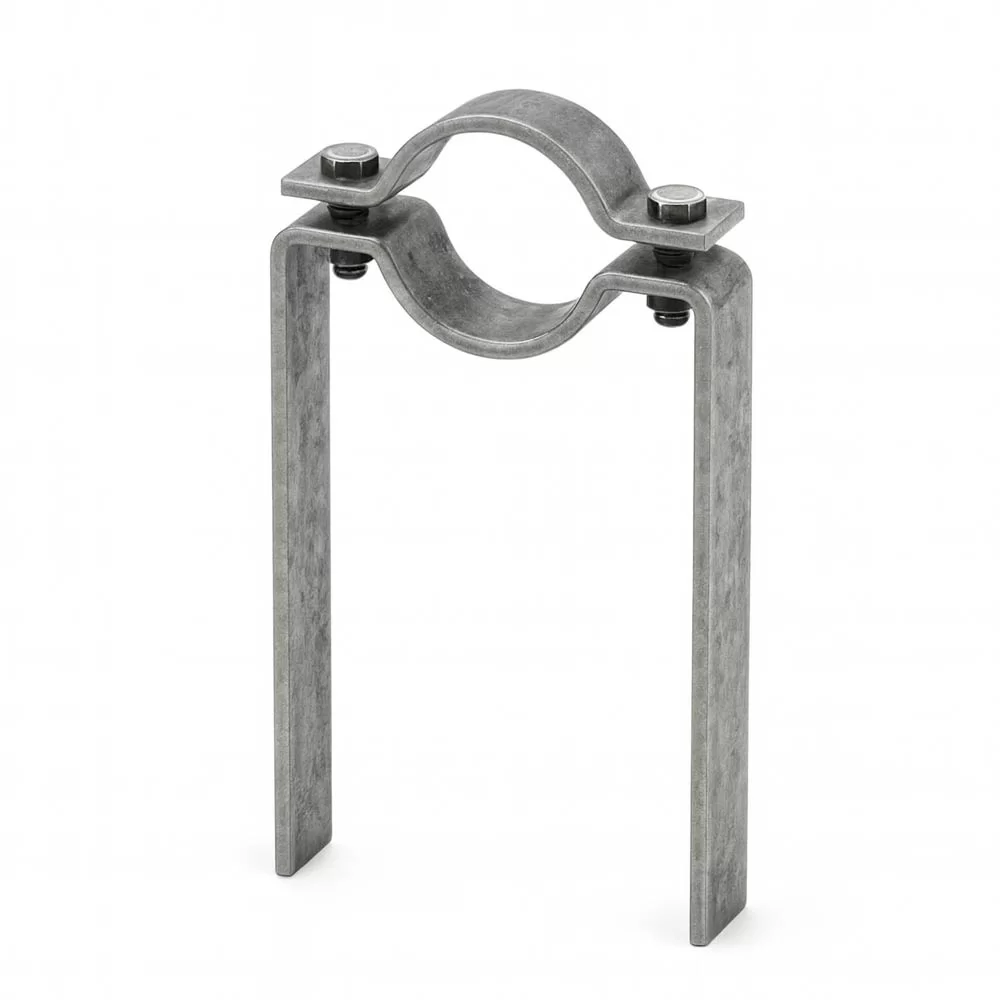
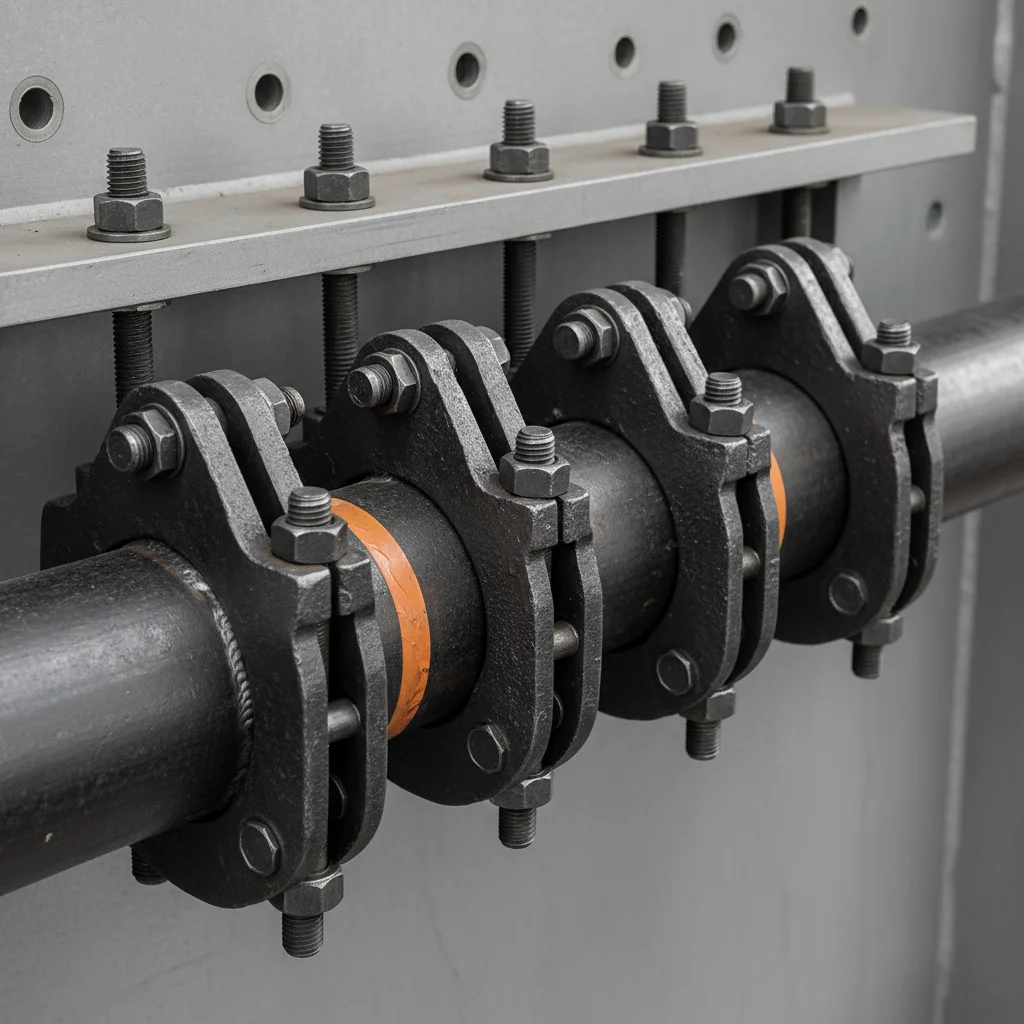
MSS SP 69 details various types of pipe supports, each suited for specific applications. These include rigid supports (shoe supports, anchors), spring supports (variable and constant spring hangers), and guides. Rigid supports restrain movement, while spring supports accommodate thermal expansion and contraction. Guides control movement in specific directions. Selecting the appropriate support type is crucial for managing loads and preventing stress concentration. Understanding the characteristics of each support type is essential for effective piping system design. Consider consulting with Top Fastener's experts for assistance.
Successfully implementing MSS SP 69 requires attention to detail and a systematic approach. Ensure accurate load calculations, proper material selection, and correct installation procedures. Regular inspections and maintenance are crucial for identifying potential issues and preventing failures. Document all calculations, support locations, and inspection results for future reference. Training personnel on the principles of MSS SP 69 is also essential for ensuring consistent and reliable performance. Using quality components like those available at Top Fastener will also help to ensure your system is robust.
Adhering to the guidelines outlined in MSS SP 69 is paramount for ensuring the long-term reliability and safety of piping systems. By carefully considering factors such as pipe weight, temperature, and external loads, and by implementing appropriate support spacing and types, you can minimize stress, prevent failures, and optimize system performance. Don't underestimate the importance of professional expertise and high-quality components when designing and maintaining your piping infrastructure.
Thermal expansion and contraction can induce significant stresses in piping systems. MSS SP 69 emphasizes the importance of accounting for these effects by incorporating expansion loops, expansion joints, or spring supports into the design. Failing to accommodate thermal movement can lead to excessive stress, potential leaks, and even catastrophic failure. The magnitude of thermal expansion is dependent on the pipe material, temperature change, and pipe length. Accurate calculations are essential for ensuring the system can safely accommodate these movements.
Pipe supports should be inspected regularly as part of a comprehensive maintenance program. The frequency of inspections depends on the criticality of the system and the operating environment. Generally, a visual inspection should be conducted at least annually, with more frequent inspections for systems exposed to harsh conditions or high levels of vibration. Inspect for signs of corrosion, damage, looseness, or misalignment. Documentation of inspection findings is crucial for tracking trends and identifying potential problems.
While MSS SP 69 provides general guidance applicable to many piping materials, it's important to consider the specific properties of the material being used. Different materials have varying strengths, thermal expansion coefficients, and corrosion resistance. You may need to adjust the support spacing and selection based on these material-specific characteristics. Refer to the material manufacturer's recommendations and relevant industry codes for more detailed guidance.
Insulation adds weight and alters the stiffness of the piping system. MSS SP 69 recognizes this and requires accounting for the weight of the insulation when calculating support loads. Additionally, insulation can affect the thermal expansion behavior of the pipe, necessitating adjustments to expansion loop or spring support designs. Ignoring the effects of insulation can lead to inaccurate calculations and potentially compromise the integrity of the piping system.
Hit enter to search or ESC to close