
December 07, 2025
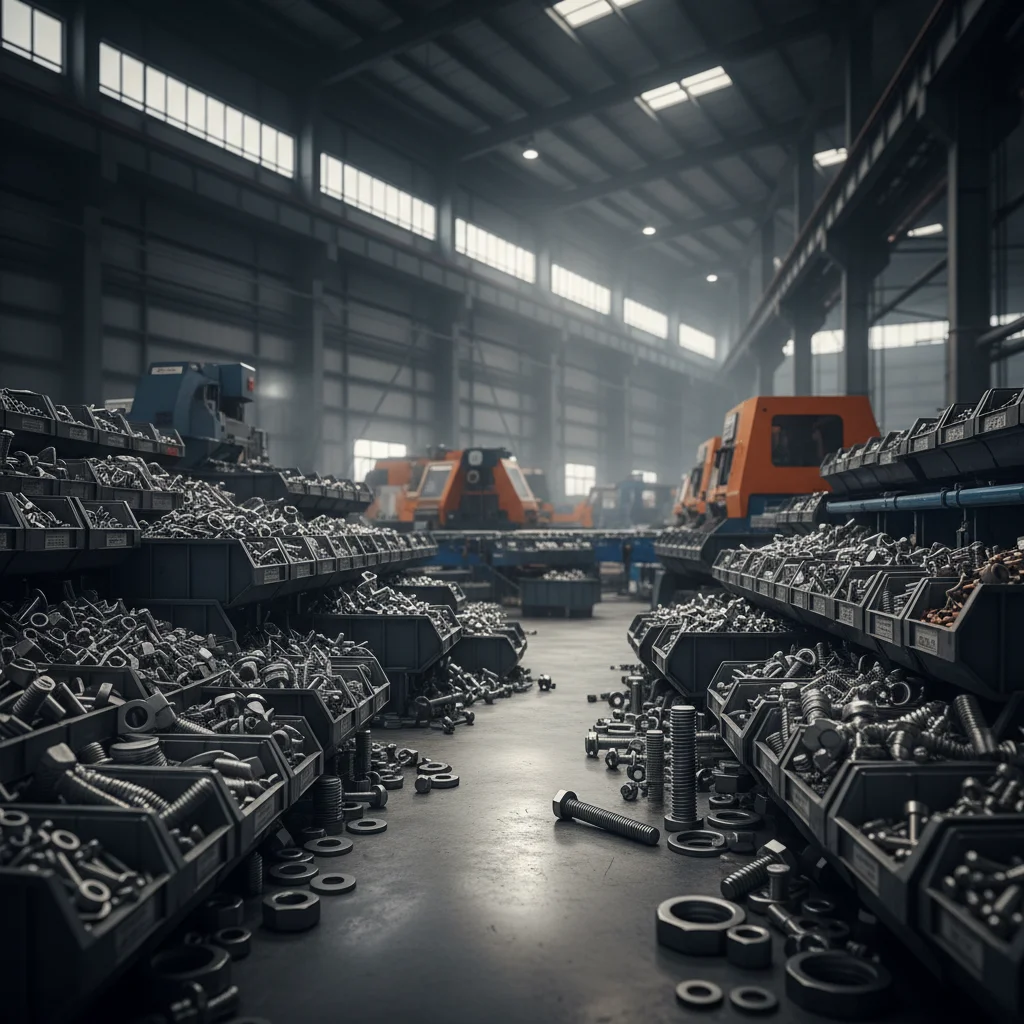
Fastener material might not be the flashiest topic in engineering or manufacturing conversations, yet it’s undeniably one of the most important. After all, from the tallest skyscrapers to the simplest household appliances, reliable fasteners keep everything intact. Globally, understanding the properties and choices surrounding fastener materials helps industries improve safety, reduce costs, and innovate in ways that impact all of us.
Did you know that billions of fasteners are produced each year? According to ISO reports and industrial data, the fastener industry represents a critical component of the global supply chain, supporting infrastructure, automotive, aerospace, and even humanitarian aid projects. Yet, challenges arise from choosing the wrong materials — rust, fatigue, or outright failure can lead to costly recalls or accidents. Here lies the problem: selecting the right fastener material becomes essential in meeting demands for strength, durability, and sustainability.
Mini takeaway: Fastener materials influence every build’s safety and longevity, with global stakes reaching into public safety and economic efficiency.
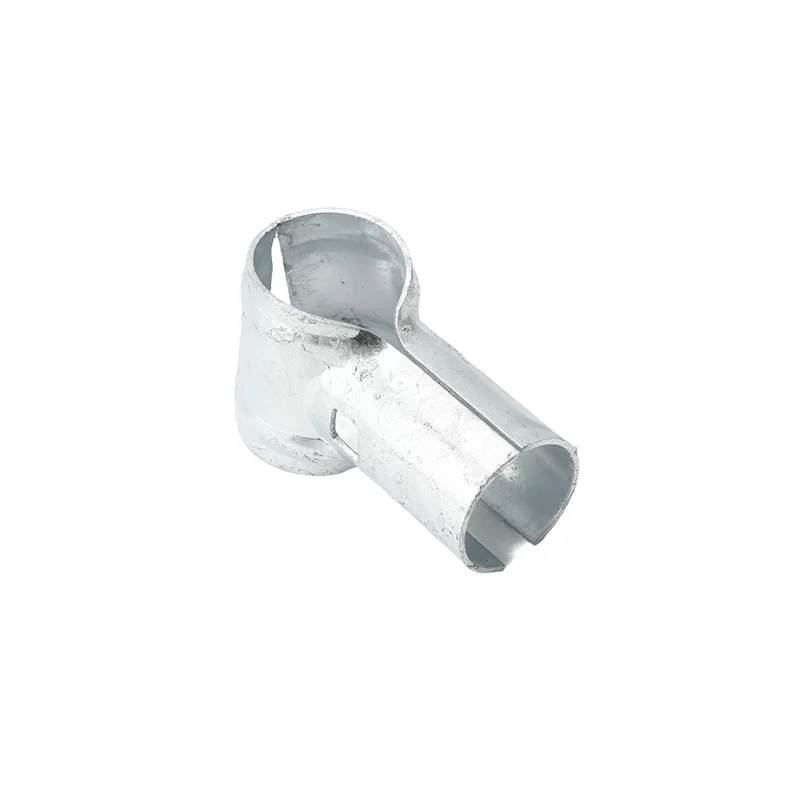
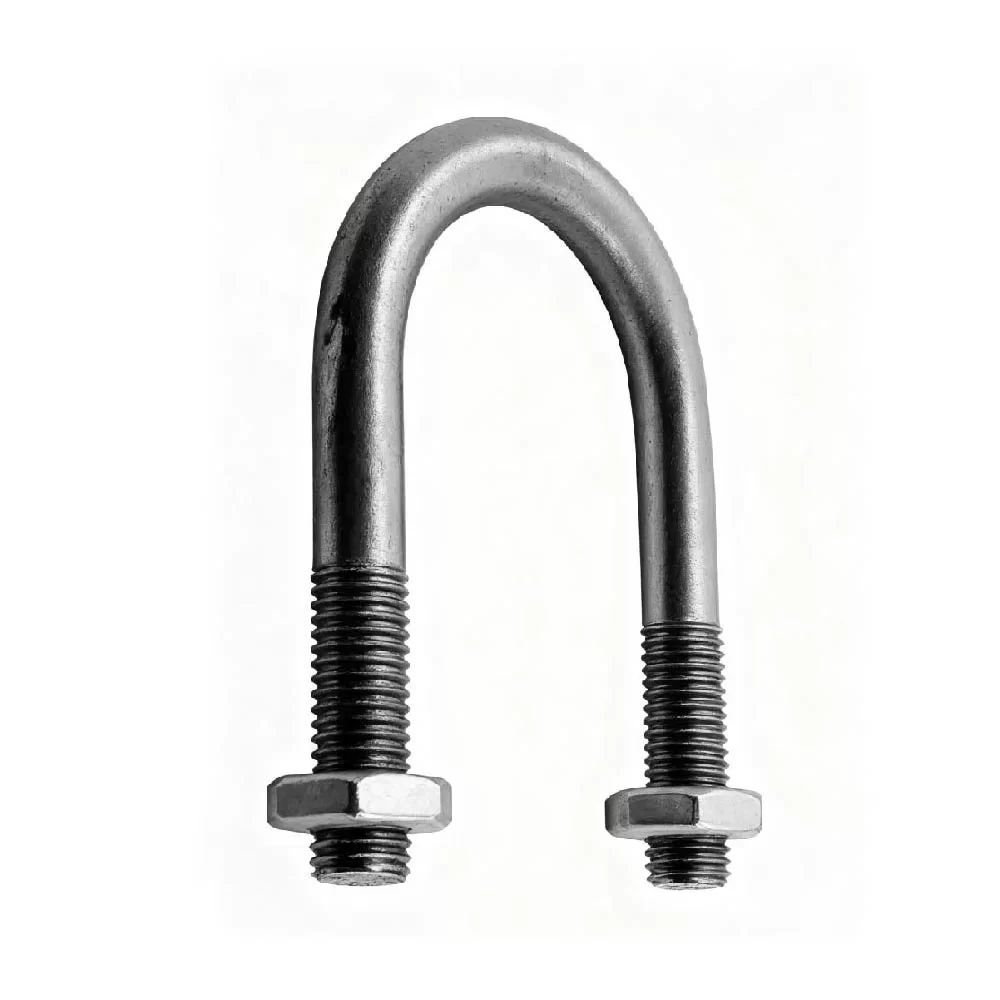
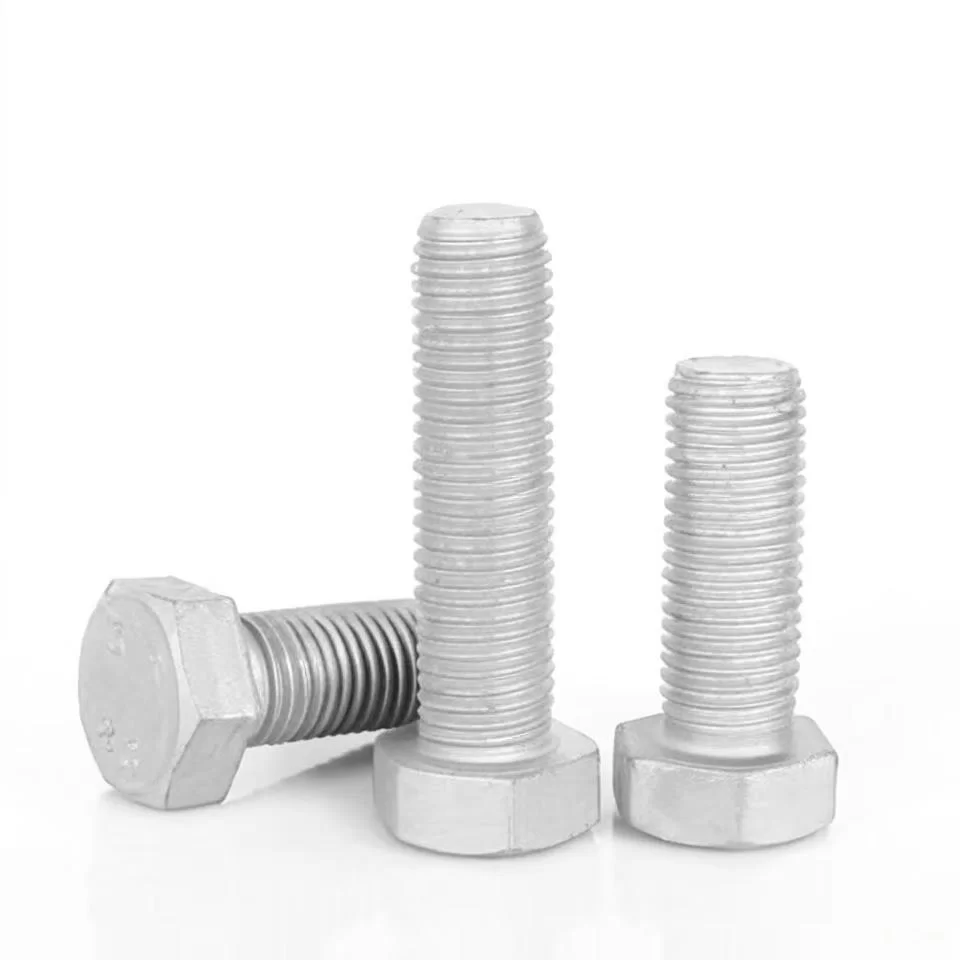
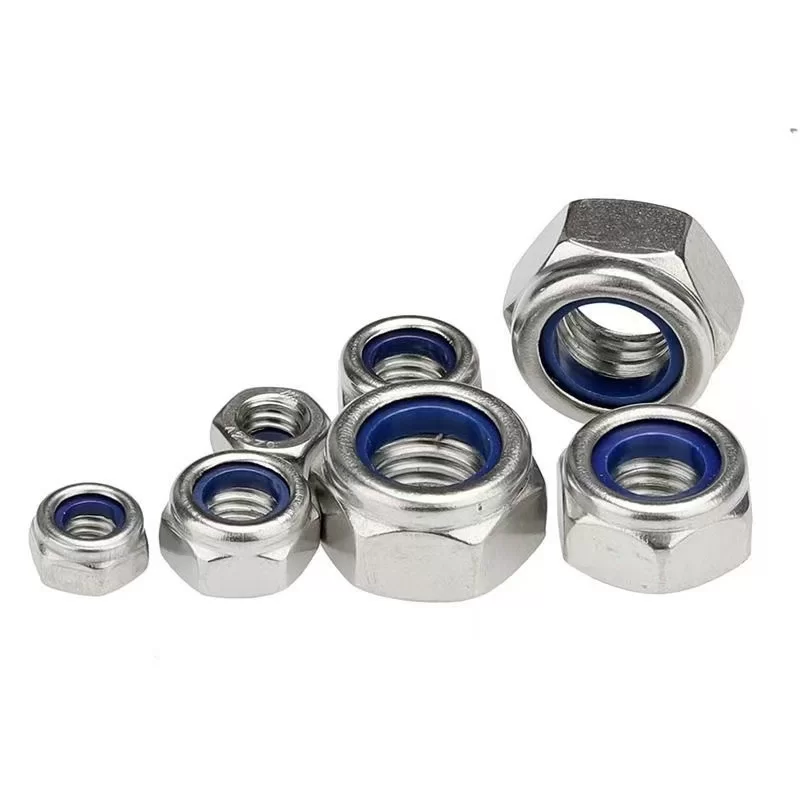
At its core, fastener material refers simply to the substance used to manufacture fasteners — think screws, bolts, nuts, washers, rivets, and the like. Steel, titanium, aluminum, thermoplastics — they’re all fastener materials with very different physical properties.
In modern industries, the right choice is crucial. For example, in aerospace or medical devices, materials that resist corrosion and withstand extreme stresses are vital. Fastener material selection also plays a role beyond economics—it affects humanitarian projects, like building disaster relief shelters quickly and safely.
Durability is arguably the most vital feature. Materials like stainless steel or high-grade alloys resist corrosion and mechanical wear better than plain carbon steels. For outdoor or marine applications, materials must last decades without degradation.
Strength determines how well a fastener can hold under load. This matters in everything from aircraft wings to highway bridges. Titanium alloys or heat-treated steels often serve this purpose exceptionally.
Price is a massive consideration. While advanced materials are fantastic, they may not be viable for mass production or lower-cost consumer goods. Balancing cost with performance is key.
Especially important in humid, salty, or chemically aggressive environments, fasteners must withstand rust and deterioration. Protective coatings or inherently corrosion-resistant metals combat this.
It’s one thing to pick a great material in theory — but supply constraints can make it impractical. Globally, materials must be sourced reliably and in volumes fitting industry needs.
Mini takeaway: Performance, price, and environment interplay heavily dictate the perfect fastener material for any application.
| Material | Tensile Strength (MPa) | Corrosion Resistance | Typical Use | Cost Level |
|---|---|---|---|---|
| Carbon Steel | 400–700 | Low (needs coating) | General construction, automotive | Low |
| Stainless Steel | 480–620 | High | Marine, food industry, medical | Medium |
| Titanium Alloy | 900–1200 | Very High | Aerospace, military | High |
| Aluminum Alloy | 200–350 | Moderate | Lightweight structures, electronics | Medium |
It’s oddly satisfying to see how fastener material choices ripple out into many industries worldwide. In post-disaster relief zones — think after earthquakes or hurricanes — fasteners made from corrosion-resistant metals help quickly assemble durable shelters. In Asia, where manufacturing hubs are massive and growing, high-strength carbon steel fasteners dominate supply chains for infrastructure projects, like new rail networks or factories.
Meanwhile, European automotive industries are shifting toward lighter aluminum alloys to improve fuel efficiency, reducing vehicle emissions indirectly. NASA, to cite a famous example, turns to titanium alloys in spacecraft fasteners to withstand extreme conditions.
Mini takeaway: Usage varies based on environmental demands, industry standards, and future-proofing needs, emphasizing the versatility of fastener materials globally.
One trend is the rise of smart fasteners made from materials embedded with sensors to monitor integrity in real-time — a sort of 'Internet of Things' approach to industrial safety. Also, bio-based polymers and recyclable metals align with green energy and circular economy goals. Frankly, the digital transformation means data about material performance and supply chains is more accessible, enabling smarter procurement.
Of course, no material is perfect. Fastener suppliers often grapple with cost vs. quality, supply chain disruptions, or environmental regulations tightening. The industry is pushing forward with innovations in coatings or hybrid materials, plus standardization efforts led by bodies like ISO to harmonize quality worldwide — critical for import/export ease.
| Vendor | Material Range | Global Reach | Quality Certifications | Sustainability Programs |
|---|---|---|---|---|
| FastenPro Inc. | Steel, Stainless, Aluminum | North America, Europe | ISO 9001, RoHS | Recycling & Eco-packaging |
| Global Fasteners Ltd. | Titanium, Carbon Steel, Polymers | Global (60+ countries) | ISO 14001, AS9100 | Carbon Footprint Reduction |
| EcoBolt Solutions | Bioplastics, Aluminum, Stainless Steel | Europe, Asia | ISO 9001, Green Seal | Sustainable Sourcing |
Choosing the right fastener material can seem technical and even a little tedious, but its impact is profound. It ties directly into costs, safety, environmental responsibility, and even social innovation in disaster zones or emerging industries. For engineers, buyers, and project managers alike, a smarter choice means more reliable builds and a better footprint on this planet.
Curious about finding exactly the right fastener material for your project? Visit our website: https://www.topfastener.com for trusted insights and solutions.
Final thought: It’s these seemingly small details — the humble fastener material — that quietly hold our modern world together.
Hit enter to search or ESC to close