Understanding clamps price is crucial in today’s globalized manufacturing and construction sectors. The efficient securing of materials and components relies heavily on the availability and affordability of reliable clamping solutions. Fluctuations in raw material costs, supply chain disruptions, and evolving industry standards all directly impact clamps price, necessitating a thorough understanding of these dynamics for businesses seeking to optimize their operations and maintain competitiveness.
The relevance of clamps price extends beyond mere cost-cutting. The quality and performance of clamps directly affect the safety and integrity of assembled structures and machinery. Choosing the right clamp at the appropriate price point is vital for mitigating risks and ensuring long-term durability. This is particularly important in industries with stringent regulatory requirements, such as aerospace, automotive, and oil & gas, where failure can have catastrophic consequences.
Furthermore, access to competitively priced clamps empowers smaller businesses and startups to enter and thrive in these competitive markets. The ability to procure essential fastening solutions without incurring exorbitant costs allows for increased innovation, reduced production overheads, and ultimately, enhanced market share. Therefore, a deep dive into the factors influencing clamps price is essential for businesses of all sizes.
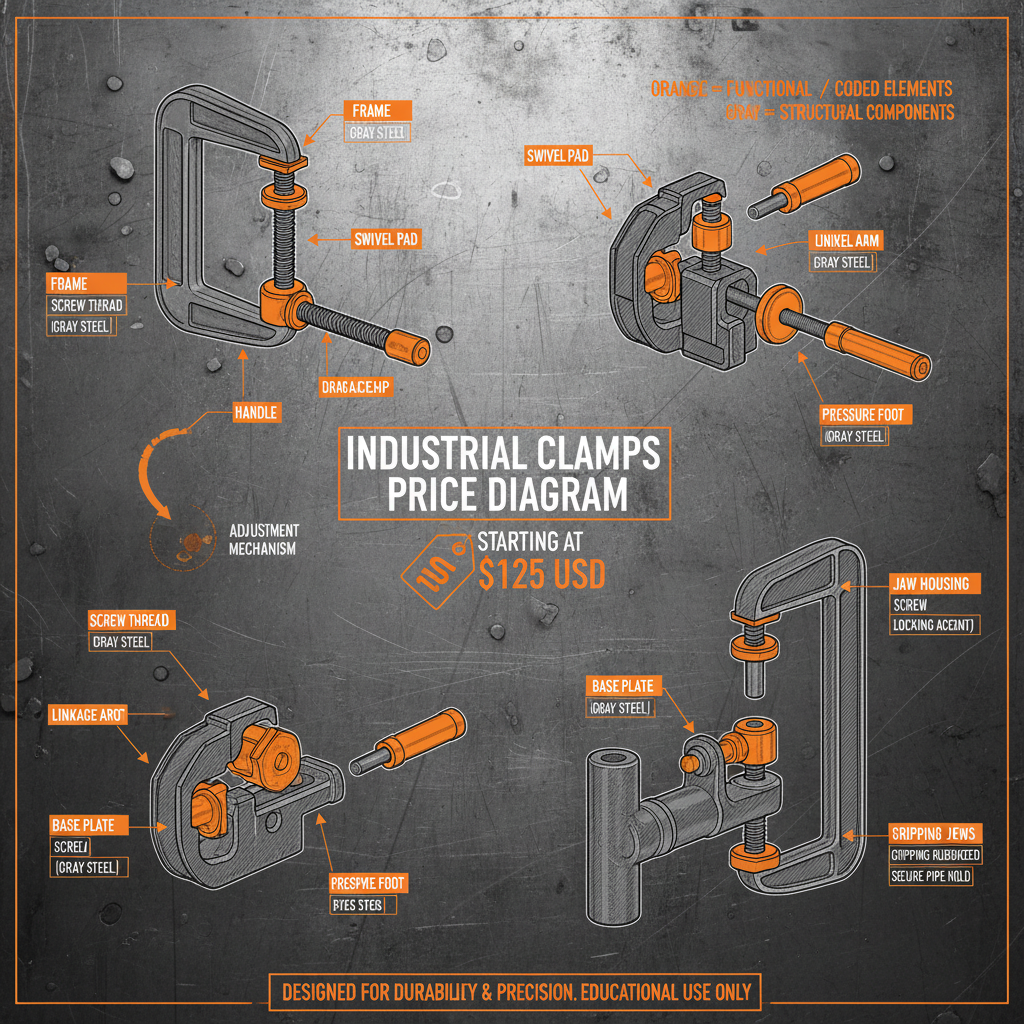
The Global Impact of clamps price
The global market for industrial fasteners, including clamps, is estimated to be worth billions of dollars annually. According to recent reports by the World Bank, the construction industry alone accounts for a significant portion of this demand, with developing nations experiencing particularly rapid growth. Consequently, changes in clamps price directly impact infrastructure projects and manufacturing output across the globe.
Supply chain vulnerabilities, highlighted by recent geopolitical events, have demonstrably increased the volatility of clamps price. The reliance on specific regions for raw materials, such as steel and aluminum, creates susceptibility to disruptions caused by trade disputes, natural disasters, or political instability. A proactive approach to sourcing and supply chain management is therefore paramount to minimizing the impact of these fluctuations.
Defining clamps price: A Comprehensive Overview
clamps price isn't simply the monetary cost of the clamp itself. It encompasses a broader range of factors, including manufacturing costs (raw materials, labor, energy), transportation expenses, distributor margins, and any applicable taxes or tariffs. Understanding these components is crucial for accurate cost analysis and informed purchasing decisions.
In the context of modern industry, clamps price is inextricably linked to productivity and efficiency. Investing in high-quality clamps, even if they carry a slightly higher initial cost, can yield significant long-term benefits by reducing downtime, improving assembly speed, and minimizing the risk of failures. This aligns with the principles of Total Cost of Ownership (TCO), which considers the full lifecycle cost of a product or component.
Moreover, the concept of 'value' plays a significant role. While a low price may be initially appealing, a clamp that compromises on quality or durability ultimately represents a poor investment. A focus on finding the optimal balance between price and performance is vital for maximizing return on investment.
Core Factors Influencing clamps price
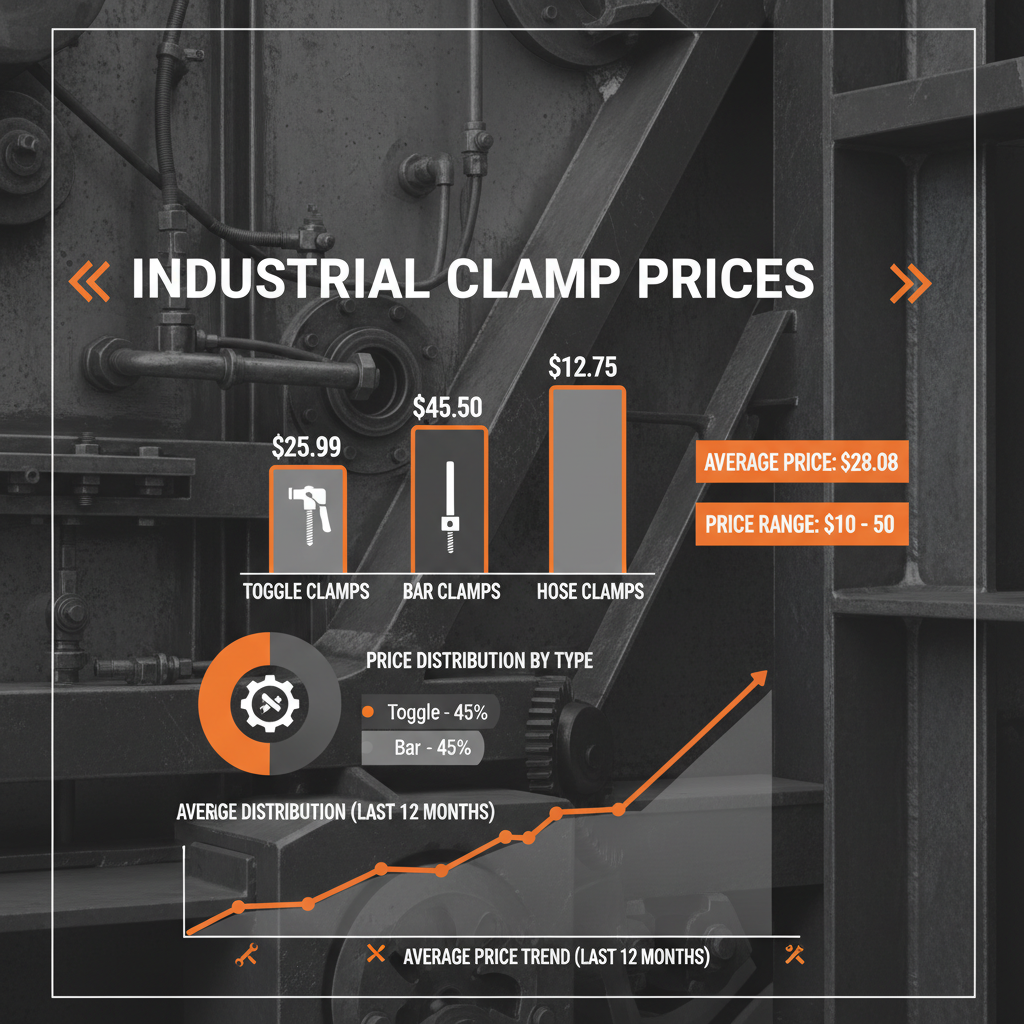
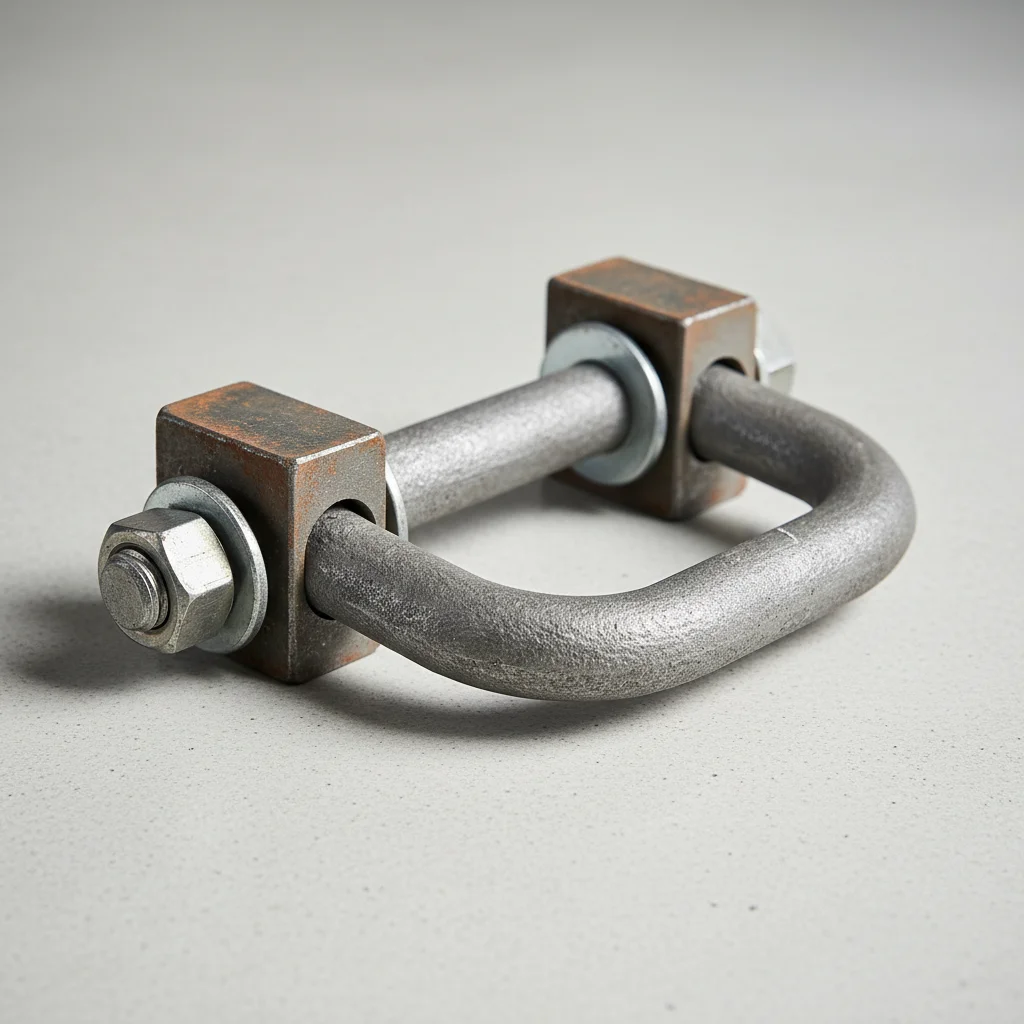
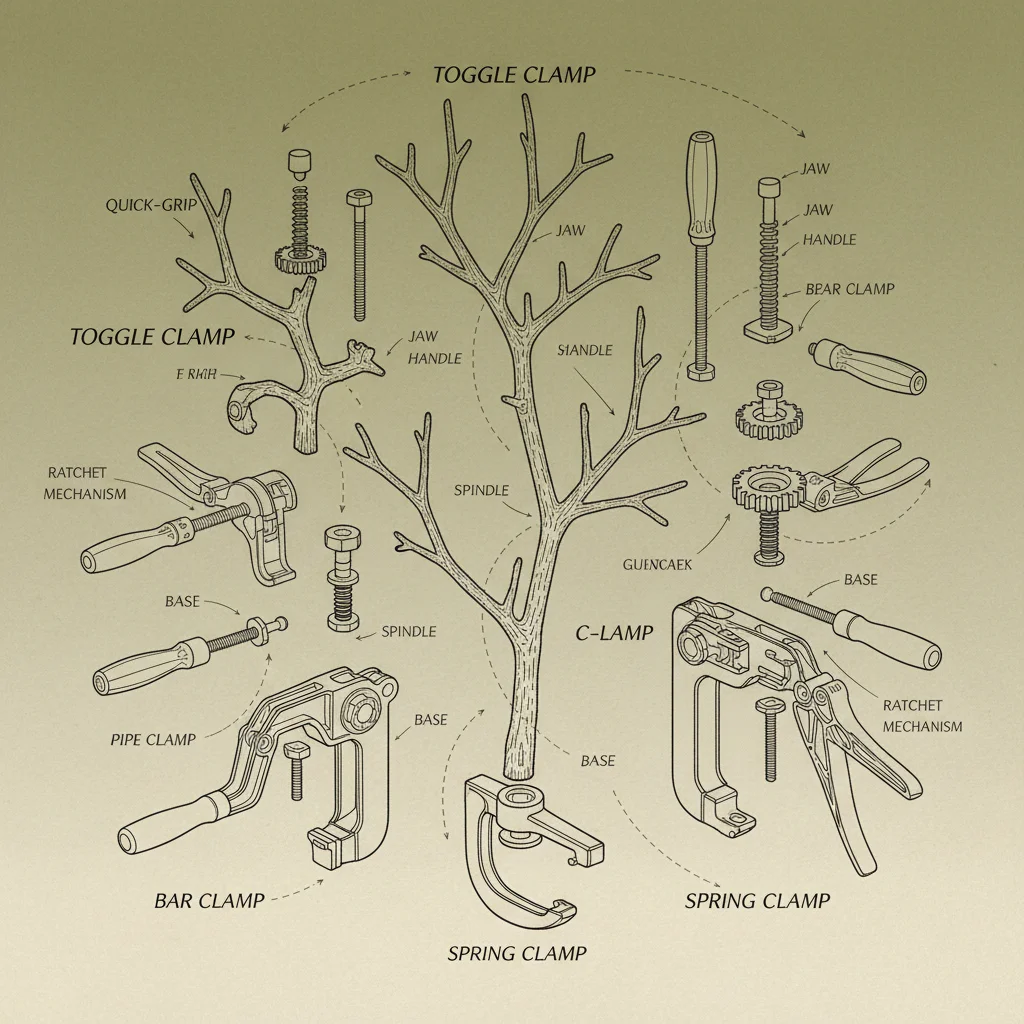
Several key factors directly impact clamps price. The material used in clamp construction is a primary driver. Stainless steel clamps, known for their corrosion resistance, typically command a higher price than those made from carbon steel or aluminum. The type of clamp (e.g., hose clamp, C-clamp, toggle clamp) also influences cost, with specialized clamps designed for specific applications generally being more expensive.
Manufacturing processes also play a significant role. Clamps produced using automated techniques are often more cost-effective than those made manually. Order volume is another crucial factor; bulk purchases typically qualify for discounted pricing. Furthermore, the geographic location of the manufacturer and the prevailing economic conditions in that region can influence production costs and, ultimately, clamps price.
Finally, demand and competition within the market significantly shape clamps price. Periods of high demand, coupled with limited supply, can lead to price increases. Conversely, a highly competitive market with numerous suppliers can drive prices down.
Practical Applications and Industry Use Cases
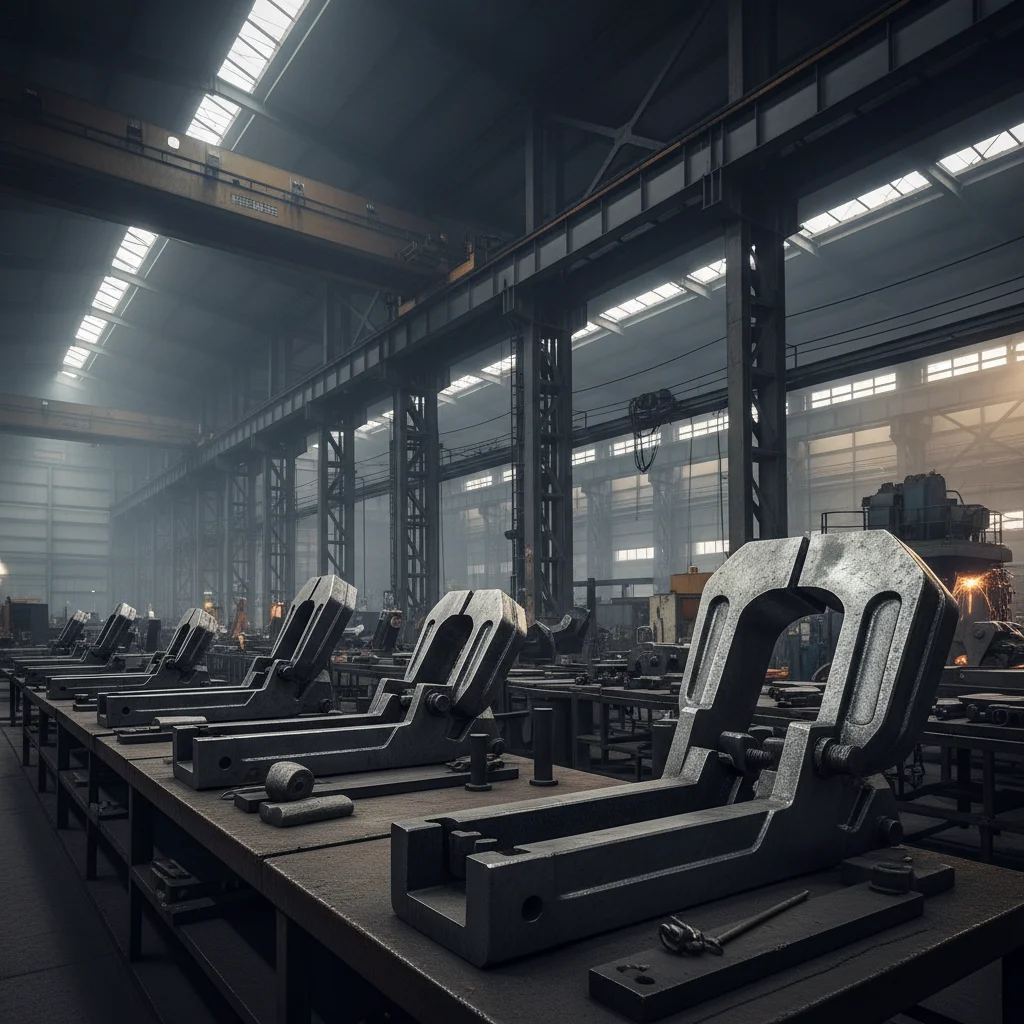
Clamps are ubiquitous across a vast range of industries. In the automotive sector, they secure hoses, wiring harnesses, and exhaust systems. The construction industry relies on clamps for securing scaffolding, pipes, and structural components. Manufacturing utilizes clamps in assembly lines, welding processes, and material handling.
In post-disaster relief operations, quick-release clamps are invaluable for rapidly deploying temporary shelters and infrastructure. Hospitals employ clamps to secure medical tubing, equipment, and patient support systems. Even in everyday life, clamps are used in plumbing, woodworking, and DIY projects.
Comparative Analysis of clamps price by Type
Advantages and Long-Term Value of Optimized clamps price
Optimizing clamps price delivers tangible benefits beyond immediate cost savings. Reduced procurement expenses free up capital for other critical investments. Improved reliability and durability minimize downtime and maintenance costs. Enhanced safety reduces the risk of accidents and liabilities.
From a sustainability perspective, choosing durable clamps reduces the need for frequent replacements, minimizing waste and environmental impact. This aligns with growing corporate social responsibility (CSR) initiatives. The long-term value of investing in quality clamping solutions far outweighs the perceived savings of opting for cheaper, inferior alternatives.
Global Applications of Effective clamps price Management
In remote industrial zones, effective clamps price management is particularly crucial due to logistical challenges and limited access to supplies. Negotiating favorable pricing agreements with suppliers and streamlining procurement processes can significantly reduce costs.
Similarly, in large-scale infrastructure projects, such as pipelines and power plants, minimizing clamp costs can have a substantial impact on overall project budgets. Implementing value engineering principles and exploring alternative materials can yield significant savings without compromising quality.
International organizations involved in humanitarian aid rely heavily on cost-effective clamping solutions for constructing temporary shelters and providing essential infrastructure. Optimizing clamps price allows these organizations to maximize their impact and reach more people in need.
Future Trends and Innovations in clamps price
The future of clamps price is likely to be shaped by several emerging trends. The increasing adoption of automation and robotics in manufacturing will drive demand for precision clamps with enhanced features and capabilities. The development of new materials, such as lightweight composites and self-healing polymers, will offer opportunities to reduce costs and improve performance.
Digitalization and the Internet of Things (IoT) will enable real-time monitoring of clamp performance and predictive maintenance, reducing downtime and extending service life. Furthermore, the growing emphasis on sustainability will drive demand for eco-friendly clamps made from recycled materials or biodegradable polymers.
Additive manufacturing (3D printing) offers the potential to produce customized clamps on-demand, reducing lead times and minimizing waste. These innovations promise to revolutionize the clamping industry and unlock new opportunities for cost optimization and value creation.
Summary of Factors Influencing Future clamps price
| Technology Driver |
Material Innovation |
Supply Chain Dynamics |
Sustainability Impact |
| Automation & Robotics |
Lightweight Composites |
Regional Sourcing |
Recycled Materials |
| IoT & Predictive Maintenance |
Self-Healing Polymers |
Diversified Suppliers |
Biodegradable Polymers |
| Digital Twins for Clamp Design |
High-Strength Alloys |
Nearshoring Production |
Reduced Carbon Footprint |
| AI-Powered Quality Control |
Nanomaterials for Enhanced Strength |
Localized Manufacturing |
Circular Economy Principles |
| Blockchain for Supply Chain Traceability |
Bio-Based Plastics |
Strategic Partnerships |
Waste Reduction Initiatives |
| Additive Manufacturing (3D Printing) |
Graphene-Enhanced Materials |
Resilient Supply Networks |
Life Cycle Assessment (LCA) |
FAQS
Several key factors impact clamps price, including the cost of raw materials (steel, aluminum, etc.), manufacturing processes, transportation expenses, supply chain disruptions, and global economic conditions. Demand and competition within the market also play a crucial role. Staying informed about these factors can help businesses anticipate and mitigate price volatility.
To minimize clamp costs, explore bulk purchasing options, negotiate pricing with multiple suppliers, consider alternative materials (where appropriate), and streamline your procurement process. Value engineering can also identify opportunities to optimize clamp design without compromising performance. Prioritizing Total Cost of Ownership (TCO) over initial price is crucial.
Material selection has a significant impact on clamps price. Stainless steel clamps generally cost more than carbon steel or aluminum clamps due to their superior corrosion resistance. Specialized materials, like titanium, can further increase the price. Choosing the appropriate material for your specific application is essential for balancing cost and performance.
Supply chain disruptions, such as those caused by geopolitical events, natural disasters, or transportation bottlenecks, can significantly increase clamps price. Limited availability of raw materials or finished goods drives up prices. Mitigating these risks requires diversifying your supplier base and building robust supply chain resilience.
Automated procurement systems can streamline the clamp ordering process, reduce administrative overhead, and improve price transparency. They can also help identify cost-saving opportunities and ensure timely delivery. Integrating these systems with inventory management software can further optimize clamp procurement and reduce holding costs.
The geographic location of a supplier influences clamps price due to varying labor costs, transportation expenses, and trade regulations. Suppliers in regions with lower labor costs may offer more competitive pricing. However, longer shipping distances can offset these savings. Careful consideration of these factors is crucial for making informed sourcing decisions.
Conclusion
In conclusion, understanding the intricacies of clamps price is paramount for businesses across numerous industries. From raw material costs and manufacturing processes to supply chain dynamics and emerging technologies, a multitude of factors influence the affordability and availability of these essential fastening solutions. By adopting proactive strategies for cost management, prioritizing quality and durability, and embracing innovation, organizations can unlock significant value and maintain a competitive edge.
Looking ahead, the future of clamps price will be shaped by the ongoing trends of automation, digitalization, and sustainability. Embracing these advancements and adopting a forward-thinking approach to procurement will be key to navigating the evolving landscape and securing long-term success. For more information and to explore our range of clamping solutions, visit our website at www.topfastener.com.