
March 28, 2026
Proper support is crucial when installing 3/4 copper pipes to prevent sagging, stress on joints, and potential leaks. Determining the correct 3/4 copper pipe hanger spacing is essential for a long-lasting and reliable plumbing system. This article will cover the best practices for spacing hangers, factors influencing spacing, different hanger types, and resources to ensure code compliance. We'll provide clear guidance for both DIY enthusiasts and professional plumbers. Correct spacing helps maintain the integrity of your copper piping and prevents costly repairs.
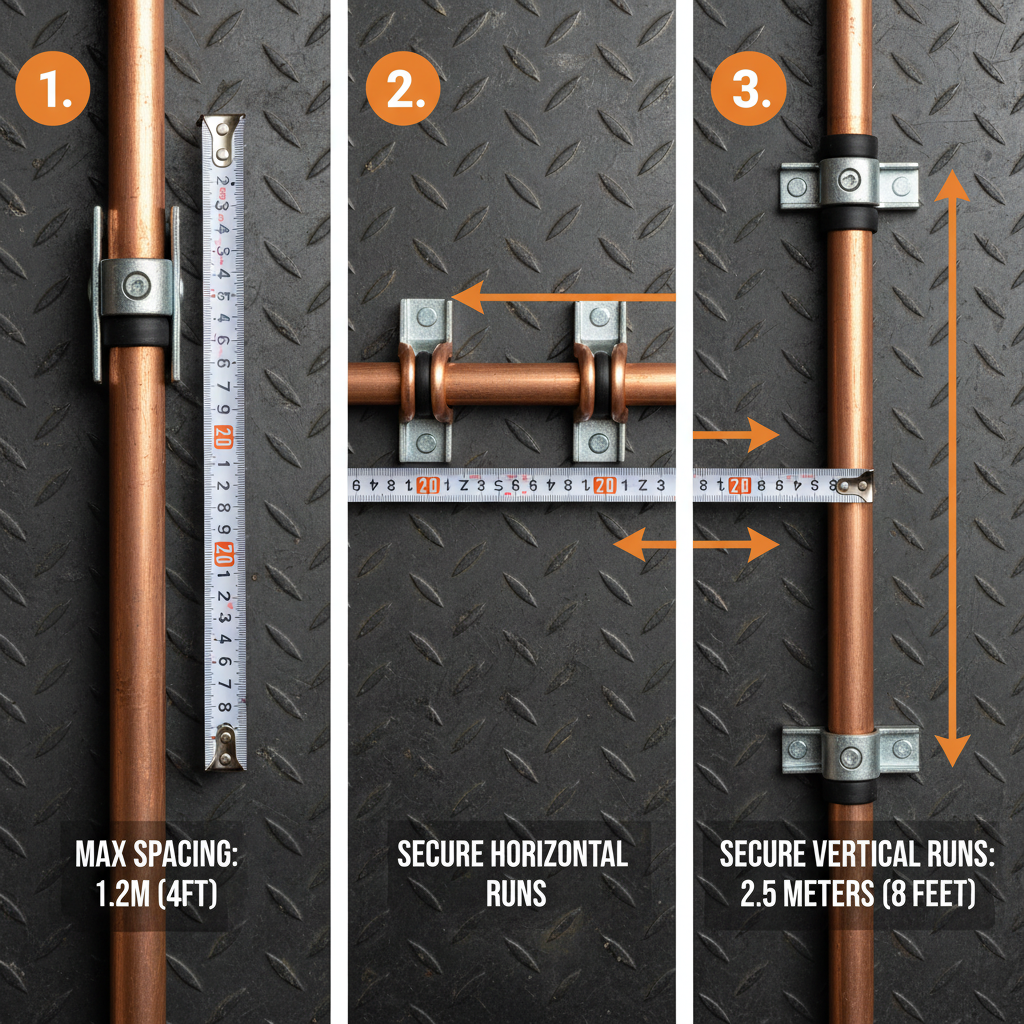
As a general rule, 3/4 copper pipes should be supported every 8 to 12 feet. However, this is a baseline and several factors can necessitate more frequent support. These include pipe routing (horizontal vs. vertical), pipe material (rigid vs. flexible), and the presence of elbows or tees. For horizontal runs, shorter spans are preferable to prevent sagging. Vertical runs generally require support at the top and bottom, with additional hangers at intermediate points if the run is long. Always consult local plumbing codes as they may have more specific requirements. Top Fastener offers a comprehensive range of pipe hangers to meet all your needs.
Key Takeaway: Start with the 8-12 foot rule, but be prepared to adjust based on the specific application and local codes.
Several factors significantly affect the optimal spacing of hangers. Pipe weight, especially when full of water, is a primary consideration. Longer runs of pipe will naturally require more support to prevent sagging. The presence of fittings like elbows, tees, and valves creates stress points and requires hangers placed closer to these components – typically within 6 inches. Vibration from nearby equipment can also necessitate more frequent support to dampen the vibrations and prevent fatigue on the pipe and joints. Finally, the type of hanger used (discussed below) influences how effectively it supports the pipe.
Spacing Influencing Factors:
• Pipe Weight
• Pipe Length
• Fitting Locations
• Vibration Levels
Different types of hangers offer varying levels of support. Common options include clevis hangers, strap hangers, and spring hangers. Clevis hangers are ideal for suspending pipes from overhead supports and typically require spacing consistent with the general guidelines (8-12 feet). Strap hangers are cost-effective for supporting pipes from walls or ceilings. Spring hangers are used when vibration isolation is crucial and can often allow for slightly wider spacing due to their inherent damping properties. Choosing the right hanger type is as important as correct spacing. Top Fastener’s selection of hangers covers all common applications.
Plumbing codes vary by location, so it’s crucial to consult your local regulations. The International Plumbing Code (IPC) provides general guidelines, but local amendments may be more stringent. These codes often specify maximum spacing requirements and may also dictate the type of hangers that are permissible. Proper documentation of hanger spacing and type is essential for inspections. Failure to comply with codes can result in fines and require rework. Top Fastener can provide resources to help you understand and meet local code requirements.
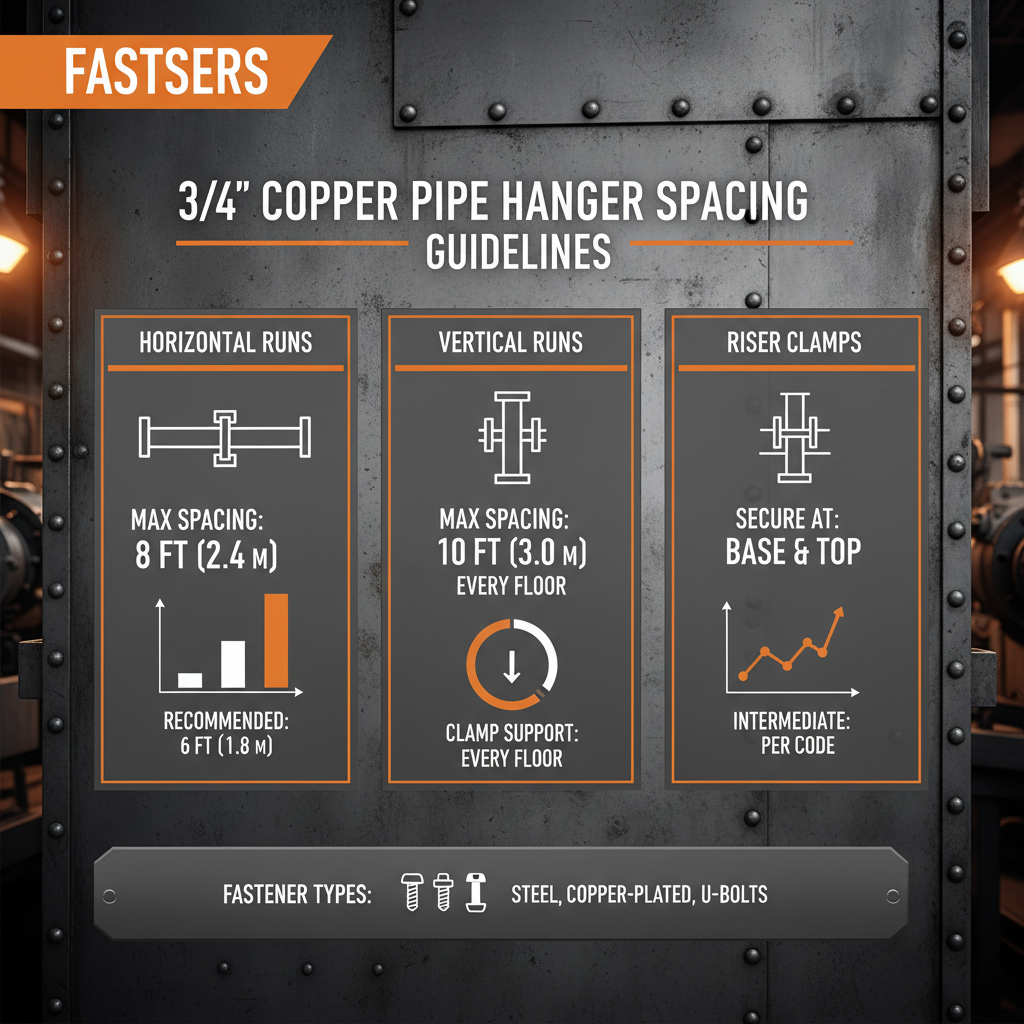
When installing hangers, always use the correct size for the 3/4 copper pipe. Ensure the hangers are securely fastened to the supporting structure. Avoid over-tightening hangers, as this can damage the pipe. Use cushioning material between the hanger and the pipe to prevent abrasion. Regularly inspect hangers for signs of corrosion or loosening. Following these best practices will ensure a reliable and long-lasting plumbing system. Using high-quality hangers from a reputable supplier, like Top Fastener, will contribute to a successful installation.
Understanding and implementing the correct 3/4 copper pipe hanger spacing is paramount for the longevity and reliability of your plumbing system. By considering the factors outlined in this guide, adhering to local codes, and using high-quality hangers, you can ensure a secure and leak-free installation. Don’t compromise on quality – invest in the right support for your copper pipes.
Insufficient support can lead to several issues. The pipe can sag over time, creating low points where water can collect and potentially freeze, causing bursts. Unsupported sections are also more susceptible to vibration and stress, which can lead to joint failures and leaks. Furthermore, excessive bending can restrict water flow and reduce the overall efficiency of the plumbing system. Regular inspection and correction of inadequate support are crucial to prevent these problems.
While it’s possible, it’s not recommended. Different hanger types are designed for specific applications. For example, spring hangers excel at vibration isolation, while strap hangers are economical for general support. Using the appropriate hanger type for each situation ensures optimal performance and longevity. It's best to have a variety on hand to address different needs.
The best way to determine local plumbing codes is to contact your local building department or plumbing inspector. They can provide you with the specific requirements for your area. You can also often find code information on the city or county government website. Remember that codes can change, so it’s always best to verify the most current regulations.
Pipe insulation can slightly reduce the load on hangers but doesn't eliminate the need for proper support. Insulation adds weight to the pipe, which may require slightly more frequent hangers. Furthermore, insulation doesn't negate the need for hangers at fittings or in areas prone to vibration. Always factor in the weight of the insulation when calculating hanger spacing.
Hit enter to search or ESC to close