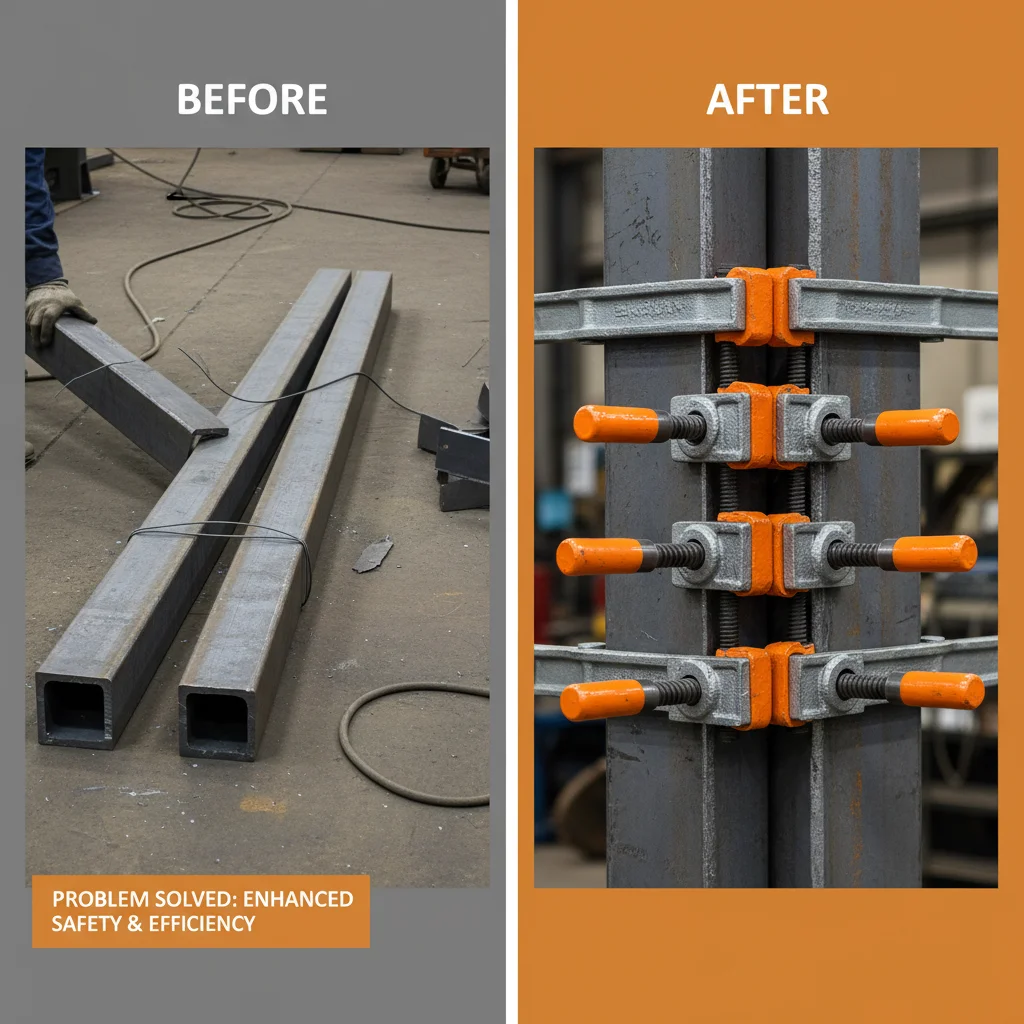
Look, I've spent the last twenty years on construction sites – sweating, problem-solving, and getting my hands dirty. And one thing I've learned is that keeping those pipes secure and accessible is critical. It's not just about code; it's about safety, efficiency, and preventing costly delays. That’s where a robust ceiling pipe hanger system comes into play. We’re talking about the unsung heroes of any building, keeping everything running smoothly above your head.
For too long, folks have been patching things together with whatever's on hand. A little threaded rod here, a makeshift bracket there… It works, maybe, until it doesn’t. A proper system, built with quality materials and designed for the load, is the difference between a job done right and a potential disaster. It impacts everything from plumbing and HVAC to fire suppression and electrical systems. You underestimate ceiling pipe hanger at your own peril.
I’ve seen projects held up for days because of inadequate pipe support. Time is money, and those delays add up fast. Choosing the right ceiling pipe hanger isn't just about meeting specs, it’s about building something that lasts, minimizing maintenance, and ensuring the safety of everyone on site and in the building long after we’ve packed up.
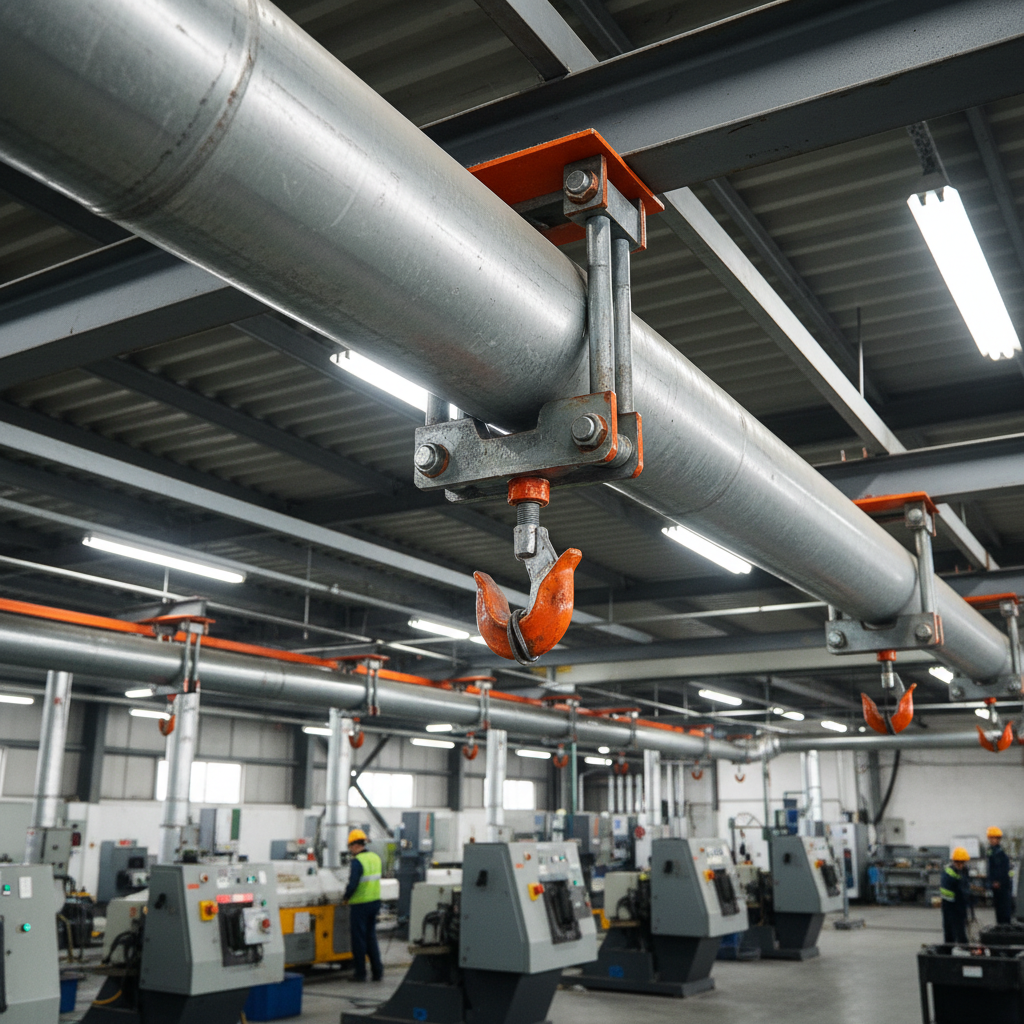
The Importance of Reliable ceiling pipe hanger Systems
I've seen it firsthand - a poorly supported pipe can lead to leaks, vibrations, and even catastrophic failures. It's not just a plumbing issue; it's a safety concern. A robust ceiling pipe hanger system, engineered for the specific load and environment, is fundamental to structural integrity. We’re talking about protecting assets and people.
The global construction industry is booming, especially in developing nations. This means more complex infrastructure and a greater demand for reliable components like ceiling pipe hanger. Standards are evolving, and we need to stay ahead of the curve to ensure we're building safe, durable, and sustainable structures.
Defining ceiling pipe hanger: Beyond Simple Support
A ceiling pipe hanger isn't just a piece of metal holding a pipe up. It's a carefully engineered component designed to distribute weight, absorb vibrations, and accommodate thermal expansion and contraction. It’s a system, not just a part. Think about seismic zones – the hanger needs to be able to withstand movement without failing.
Modern industry demands precision and reliability. In manufacturing facilities, for instance, even slight vibrations in piping can affect sensitive equipment. Proper ceiling pipe hanger selection and installation is crucial for maintaining production quality and preventing costly downtime.
You can't treat it as an afterthought. It’s integral to the overall building system. It supports everything from clean water delivery to waste removal, and its performance directly impacts the functionality and longevity of the entire structure.
Core Components of Effective ceiling pipe hanger
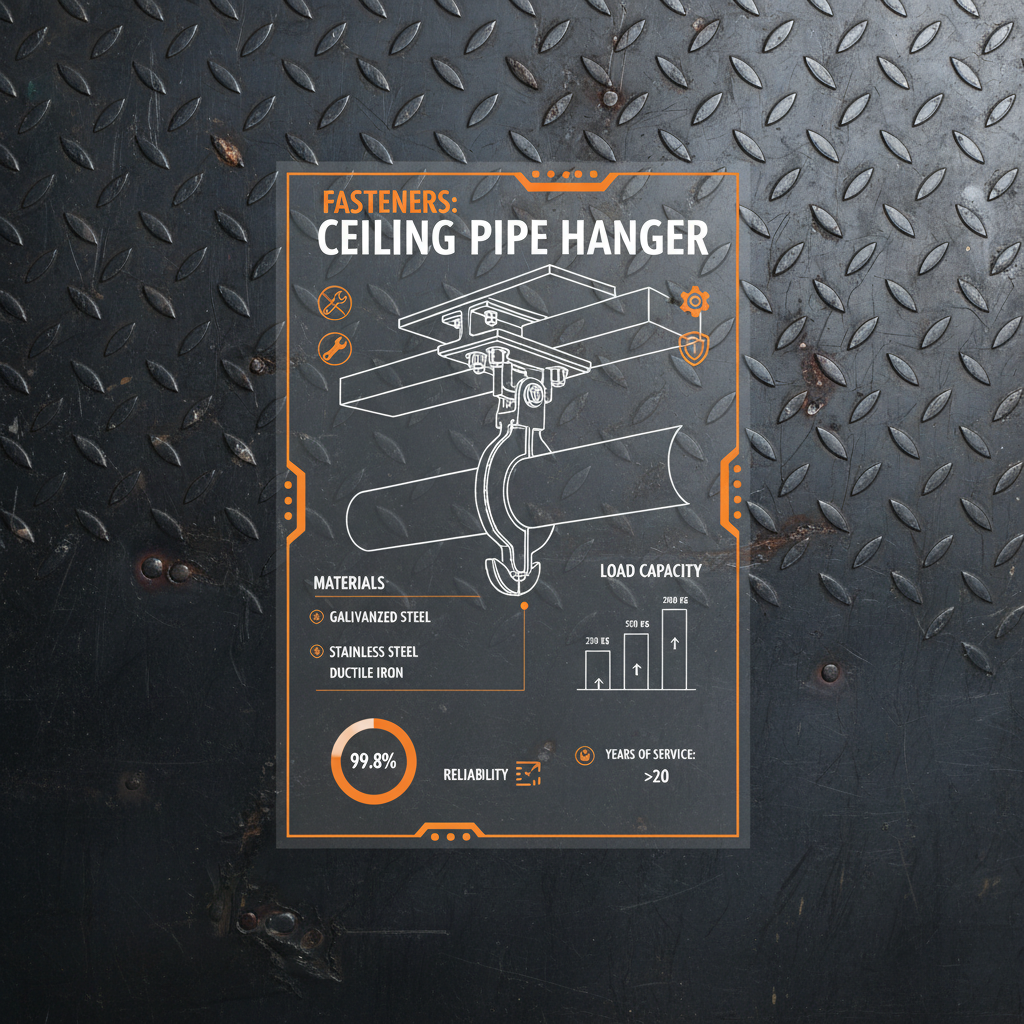
Durability is paramount. The materials used in a ceiling pipe hanger—steel, stainless steel, even certain polymers—must resist corrosion, fatigue, and the stresses of constant load. Cheap materials fail, plain and simple.
Load capacity is another crucial factor. You need to know exactly how much weight the hanger can support, with a significant safety margin. Engineers calculate this based on the pipe's contents, the environment, and potential dynamic loads (like water hammer). Never guess, always verify.
Adjustability is key during installation. Being able to fine-tune the hanger's position ensures proper alignment and prevents stress on the piping system. Rigidity of the hanger also plays a huge role, as that is what supports the structure from failing.
Real-World Applications of ceiling pipe hanger
I've used ceiling pipe hanger in everything from sprawling industrial complexes to hospitals and schools. In hospitals, silent operation is critical – you don’t want vibrations traveling through the building. That requires specialized hangers designed to dampen noise and prevent disturbances.
In post-disaster relief operations, quick and reliable pipe support is essential for establishing sanitation systems. We need hangers that are easy to install, durable, and can withstand harsh conditions. In remote industrial zones, where access to materials is limited, the long-term reliability of the hanger is paramount.
Performance Comparison of Various ceiling pipe hanger Methods
Advantages and Long-Term Value of Superior Support
The initial cost of a high-quality ceiling pipe hanger system might be higher, but the long-term savings are significant. Reduced maintenance, fewer repairs, and minimized downtime all add up. It's an investment, not an expense.
From a sustainability standpoint, using durable, corrosion-resistant materials reduces the need for replacements, minimizing waste and environmental impact. It’s about building responsibly and creating structures that last for generations. The peace of mind knowing your piping is secure – that’s worth something too.
Future Trends in ceiling pipe hanger Technology
We're seeing more demand for pre-fabricated pipe support systems, which speed up installation and reduce on-site labor. Smart hangers, with integrated sensors that monitor stress and vibration, are also on the horizon. These will allow for proactive maintenance and prevent failures before they happen.
The integration of Building Information Modeling (BIM) is also changing the game. BIM allows engineers to design and visualize the entire piping system, including the ceiling pipe hanger, in a virtual environment, ensuring optimal performance and clash detection.
Expect to see more sustainable materials used in manufacturing, like recycled steel and bio-based polymers. The industry is becoming more conscious of its environmental footprint.
Challenges and Solutions in ceiling pipe hanger Installation
One of the biggest challenges is proper installation. Even the best ceiling pipe hanger system will fail if it's not installed correctly. Training and certification for installers are crucial.
Another issue is dealing with existing infrastructure. Retrofitting ceiling pipe hanger into older buildings can be tricky, requiring careful assessment and creative solutions. Proper planning and coordination with other trades are essential.
Using standardized components and modular systems simplifies installation and reduces the risk of errors. Detailed drawings and clear instructions are also vital for ensuring a successful outcome.
Summary of Common ceiling pipe hanger Installation Issues and Mitigation Strategies
| Issue Category |
Specific Problem |
Severity Level (1-5) |
Mitigation Strategy |
| Installation Errors |
Incorrect Torque Application |
3 |
Use Calibrated Torque Wrenches, Provide Installer Training |
| Material Selection |
Corrosion Incompatible Materials |
4 |
Specify Corrosion-Resistant Alloys, Apply Protective Coatings |
| Design Deficiencies |
Insufficient Load Capacity |
5 |
Detailed Engineering Calculations, Peer Review |
| On-Site Conditions |
Obstructions Limiting Access |
2 |
Pre-Installation Site Survey, Coordination with Other Trades |
| Quality Control |
Lack of Inspection |
3 |
Implement a Rigorous Inspection Protocol, Document All Findings |
| Maintenance |
Neglecting Regular Checks |
2 |
Establish a Preventative Maintenance Schedule, Train Building Personnel |
FAQS
Rigid hangers are fixed and transfer all load to the support, while spring hangers absorb shock and vibration. The choice depends on the application. Rigid hangers are good for static loads, while spring hangers are better for systems with movement, like those connected to pumps or compressors. You've got to consider the dynamic forces at play to pick the right one.
At least annually, but more often in harsh environments. Look for signs of corrosion, loose connections, and damage. Document your inspections. A proactive approach can prevent costly failures. I've seen too many preventable issues arise from neglect. Regular checks are a small price to pay for peace of mind.
Stainless steel, particularly 316 stainless, is a good choice. You can also use galvanized steel with a protective coating, but it’s not as reliable long-term. The key is to choose a material that won't react with the chemicals present in the environment. Consider the specific corrosive agents when making your selection.
You need to consider the weight of the pipe, the fluid inside it, any insulation, and any potential dynamic loads (like water hammer). A qualified engineer should perform the calculations, taking into account all relevant factors. Don’t overestimate or underestimate – accuracy is crucial for safety.
Yes, absolutely. Local building codes, as well as industry standards like those from ASME and SMACNA, will dictate the requirements. Ensure your installation complies with all applicable regulations. Staying compliant isn’t just about avoiding fines, it’s about ensuring a safe and reliable system.
It's possible, but it requires careful consideration. Ensure that all hangers are compatible and can handle the load distribution. Mixing types can sometimes create stress points, so it’s best to consult with an engineer to ensure compatibility and safety. Consistency is often the best approach.
Conclusion
From the ground up, proper ceiling pipe hanger selection and installation are foundational to a safe, efficient, and long-lasting building. It's not a detail to be overlooked—it's a critical component of the overall system. Ignoring this fundamental aspect can lead to costly repairs, safety hazards, and ultimately, a compromised structure.
Looking ahead, we need to embrace innovation, prioritize training, and focus on sustainable practices. Investing in quality materials, employing skilled labor, and staying up-to-date with industry best practices are essential for ensuring the reliability of our infrastructure. For more information and a comprehensive range of solutions, visit our website: www.topfastener.com.