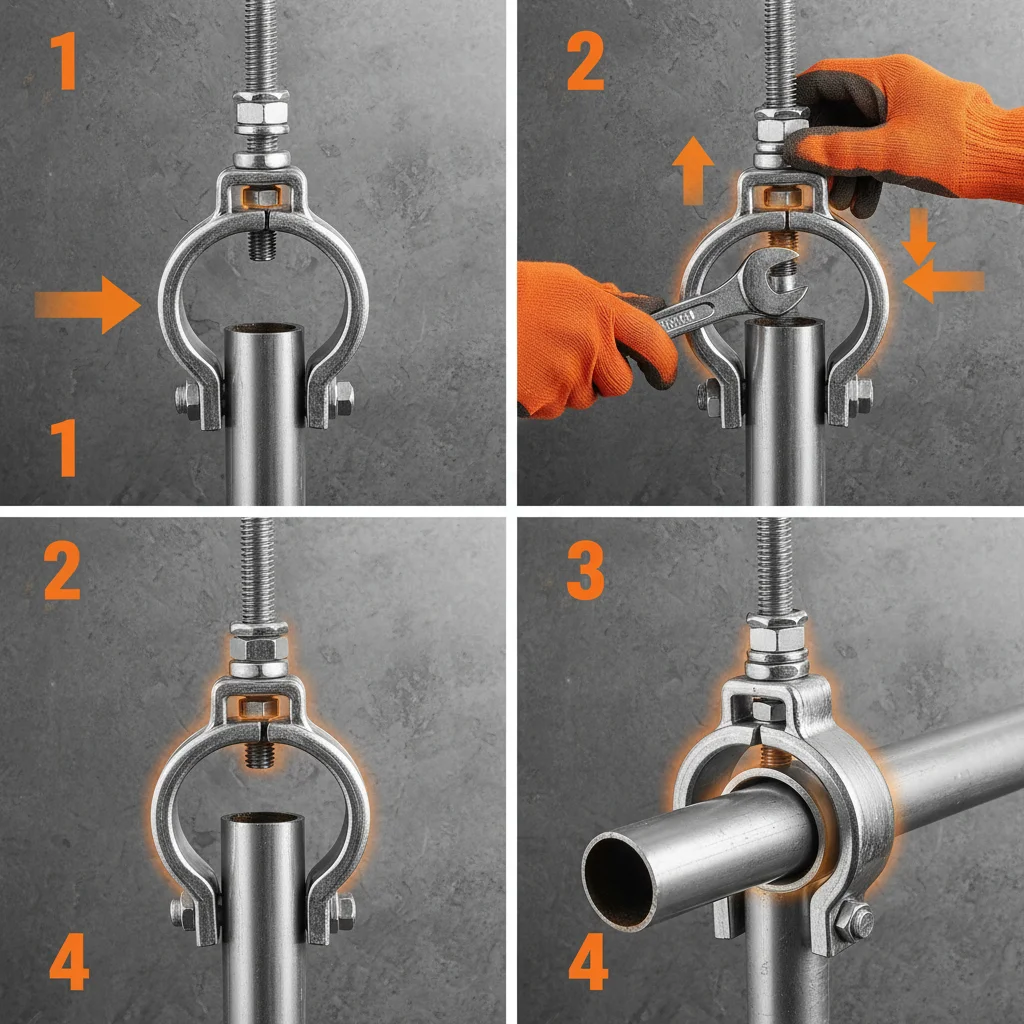
Look, I’ve spent the last fifteen years walking job sites, getting my hands dirty, and talking to the folks who actually build things. And let me tell you, keeping pipes properly insulated isn’t some abstract engineering problem – it’s about keeping projects on schedule, keeping costs down, and keeping workers safe and comfortable. Good insulated pipe hangers aren’t just about meeting code; they're about real-world practicality. We're talking about everything from preventing freezing in cold climates to minimizing heat loss in industrial processes.
What I’ve seen is that a lot of companies treat this as an afterthought. They grab the cheapest hangers they can find, and then end up paying for it later in rework, energy bills, or even safety issues. It's a classic case of being penny-wise and pound-foolish. The initial investment in quality insulated pipe hangers is always, always worth it in the long run.
And it’s not just about the hangers themselves. It’s about the whole system – the insulation, the fasteners, the support structure. It all has to work together seamlessly. That’s what I’m going to break down for you: what makes a good system, why it matters, and what you need to look for when you're specifying materials for your next project.
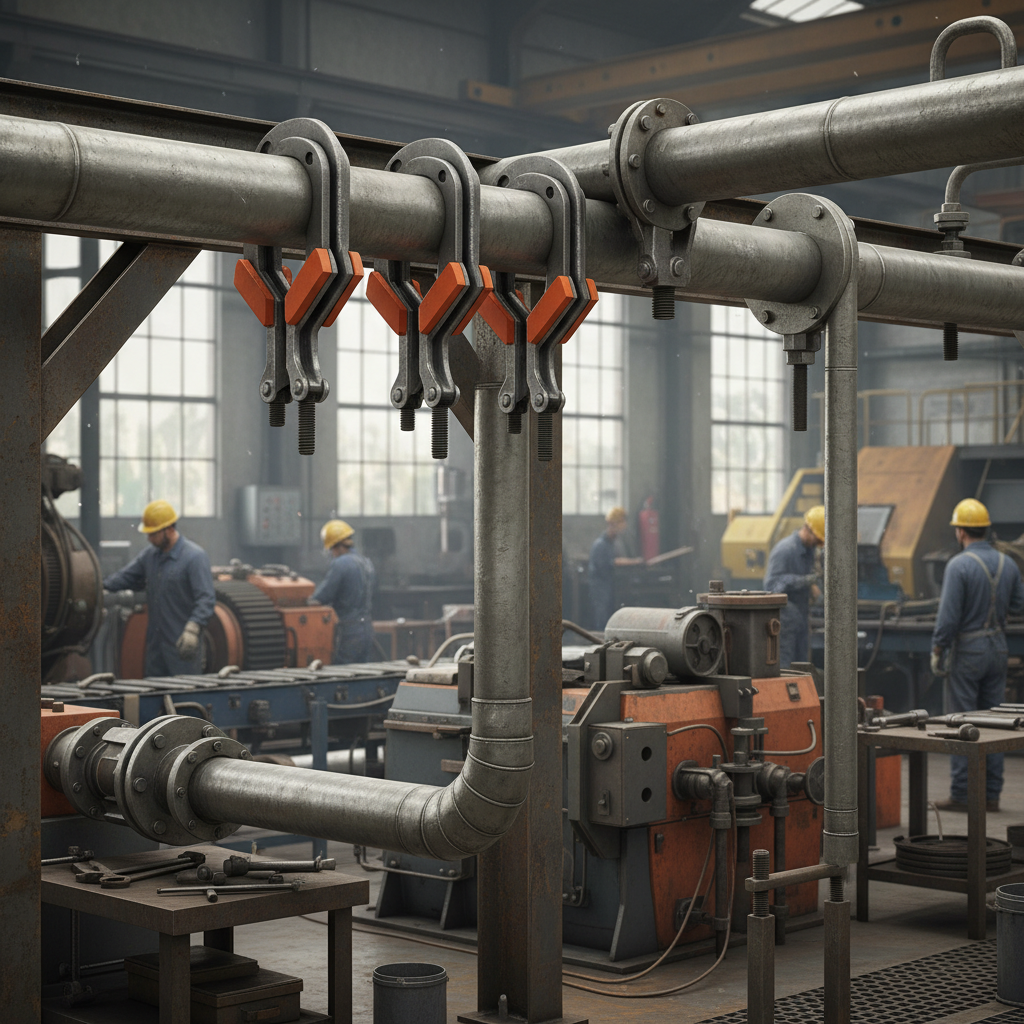
The Importance of Insulated Pipe Hangers
From my experience, the biggest issue I see is people underestimating the thermal impact of pipe hangers. They think, “It’s just a hanger, it’s metal.” But metal is a fantastic conductor of heat. Without proper insulation, you’re creating a thermal bridge, effectively bypassing your pipe insulation and bleeding energy. This is critical in everything from steam lines to chilled water systems.
Globally, energy efficiency is a massive concern. The UN estimates that buildings account for nearly 40% of global energy consumption. Reducing heat loss and gain in industrial and commercial buildings through things like properly insulated pipes – and the hangers supporting them – is a direct way to lower that number. It's not just about saving money; it’s about sustainability.
Defining Insulated Pipe Hangers: A Practical View
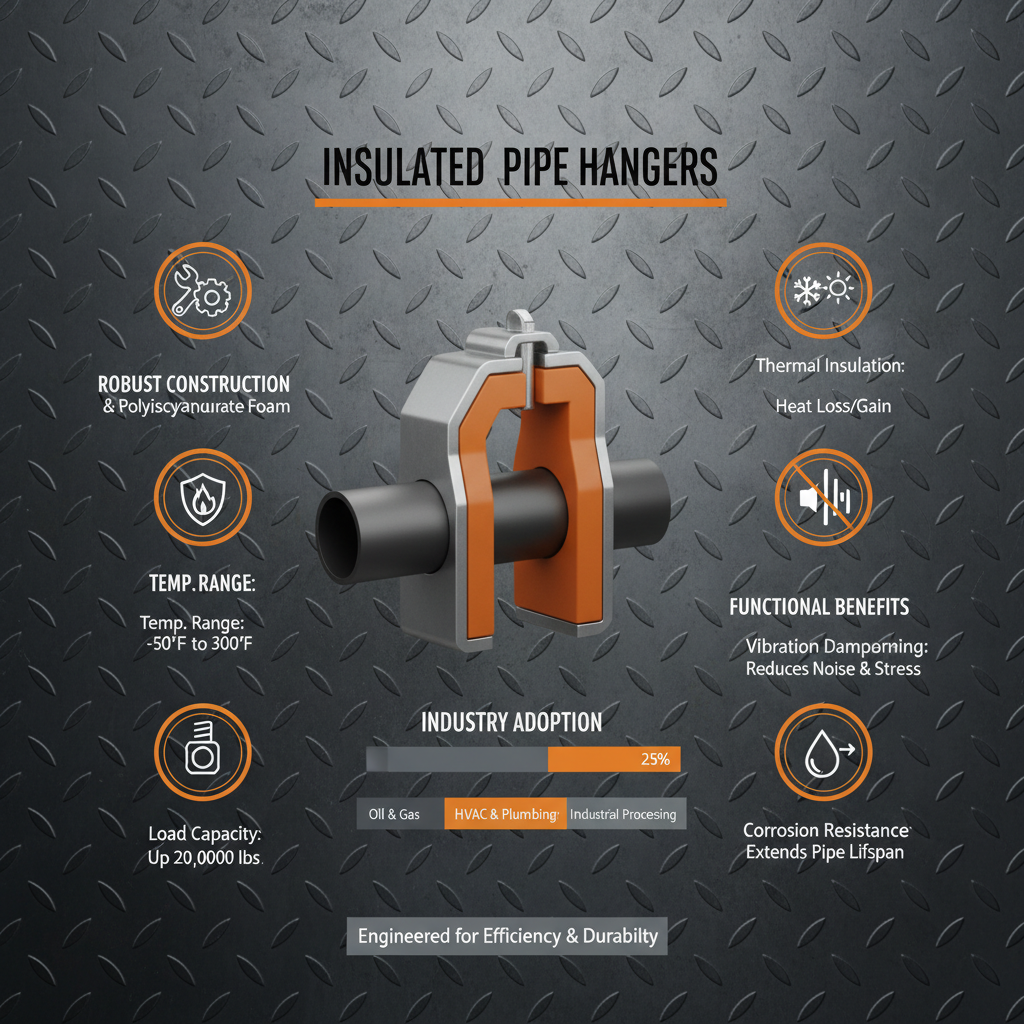
Okay, so what are insulated pipe hangers? Simply put, they're supports designed to hold pipes while minimizing heat transfer. But it’s more than just slapping some foam on a metal bracket. It’s about choosing the right materials, the right design, and ensuring a continuous thermal break. We need to interrupt the path of heat flow.
Think about it like wearing a jacket in the winter. The jacket itself doesn’t create heat, but it traps your body heat and prevents it from escaping. Insulated pipe hangers do the same thing for your pipes. They’re a critical component in maintaining the efficiency of the entire piping system.
This isn't some new-fangled invention either. It’s been around for decades, evolving with insulation materials and engineering best practices. It’s fundamentally connected to modern industrial needs – reliable process control, energy conservation, and safety – and it’s become even more vital as regulations around energy efficiency get stricter.
Key Components of a Robust System
When I’m evaluating a system, there are a few key things I’m looking at. First, the material of the hanger itself. You need something durable, corrosion-resistant, and capable of handling the load. Carbon steel is common, but stainless steel is preferable in harsh environments. The insulation material is equally important – closed-cell foam is generally best for its thermal performance and moisture resistance.
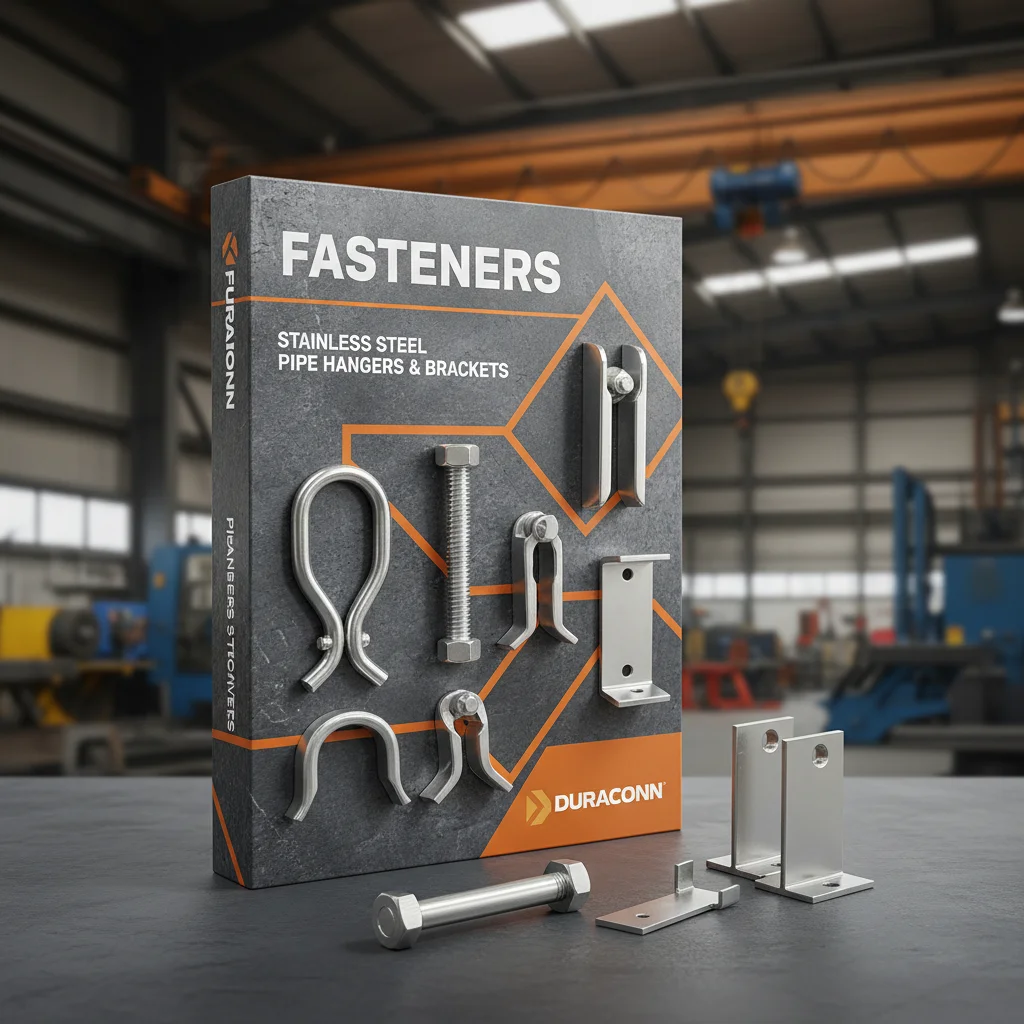
Secondly, the design of the insulation sleeve. It needs to be a tight fit, completely encapsulating the hanger and creating a continuous thermal break. Gaps or compression points defeat the purpose. I’ve seen too many systems where the insulation is poorly fitted and just falls apart over time. And thirdly, the fastener system. You need fasteners that won’t conduct heat and won't corrode. Non-metallic fasteners are often the best choice here.
Finally, you’ve got to consider the support structure itself. Is it properly designed to handle the weight of the pipes and hangers? Is it adequately insulated where it contacts the hangers? It’s a holistic approach. You can’t just focus on the hanger in isolation.
Performance Metrics: Evaluating Insulated Pipe Hanger Quality
Okay, so how do you know if an insulated pipe hanger is actually doing its job? There are a few key metrics. Thermal conductivity is the big one – lower is better. You also want to look at the hanger’s load-bearing capacity, its corrosion resistance, and its ability to withstand temperature fluctuations.
We often use thermal imaging to identify areas of heat loss. A properly insulated system will show a consistent temperature profile, while a poorly insulated system will have hot spots around the hangers. It's a quick and easy way to identify problems.
Insulated Pipe Hanger Performance Comparison
Real-World Applications Across Industries
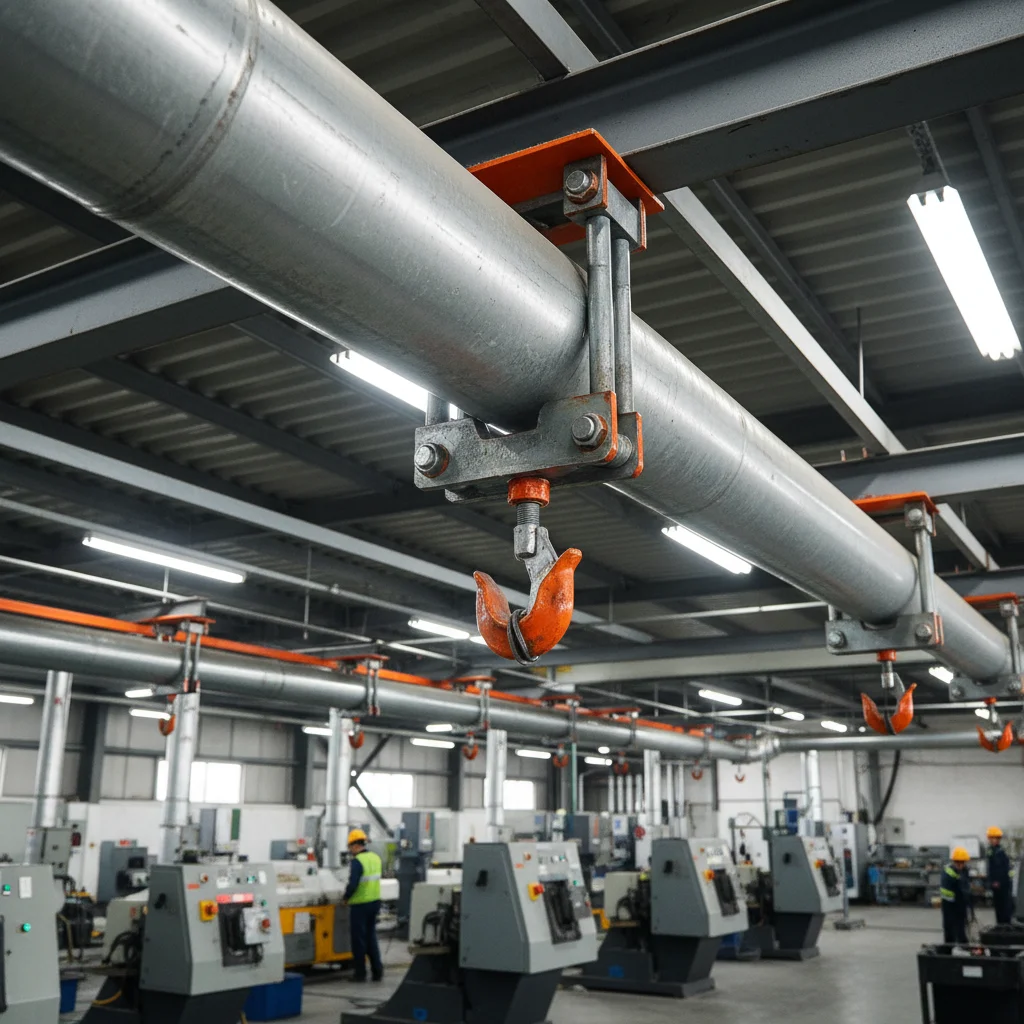
You’ll find insulated pipe hangers everywhere, honestly. Power plants use them extensively for steam lines. Chemical processing facilities rely on them to maintain precise temperatures in critical processes. Food and beverage plants need them to prevent condensation and maintain hygiene.
I’ve even seen them used in large-scale HVAC systems in commercial buildings to reduce energy consumption. And in colder climates, they’re essential for preventing pipes from freezing and bursting. The specific requirements vary depending on the application, but the underlying principle remains the same: minimizing heat transfer.
Long-Term Benefits and Value Proposition
Look, I’ve seen projects where they cheaped out on insulated pipe hangers, and it always comes back to bite them. Increased energy bills, maintenance headaches, and even safety issues. Investing in quality upfront saves you money in the long run, plain and simple.
Beyond the cost savings, there’s the sustainability aspect. Reducing energy consumption is good for the environment and it aligns with growing corporate social responsibility goals. And finally, there’s the peace of mind knowing that your system is reliable and safe. That’s a value you can’t put a price on.
From an engineering standpoint, using quality insulated pipe hangers simplifies the entire design process. You have more confidence in your calculations and less risk of unforeseen problems down the line.
Future Trends and Addressing Current Challenges
I'm seeing a big push towards more sustainable materials and designs. Manufacturers are exploring new insulation materials with even lower thermal conductivity and improved environmental profiles. There’s also a growing interest in pre-insulated hanger systems, which simplify installation and ensure a consistent thermal break.
One of the biggest challenges is standardization. There’s a lack of clear, consistent standards for insulated pipe hangers, which can lead to confusion and variability in performance. I’d like to see more industry collaboration to address this.
Another trend is the integration of digital monitoring systems. Imagine hangers equipped with sensors that can track temperature and alert you to potential problems. It’s not quite there yet, but it’s definitely on the horizon.
Summary of Key Challenges and Potential Solutions for Insulated Pipe Hangers
| Challenge |
Impact on Performance |
Potential Solution |
Implementation Difficulty (1-10) |
| Lack of Standardization |
Inconsistent Quality & Performance |
Industry-Wide Adoption of Clear Standards |
7 |
| Poor Installation Practices |
Compromised Thermal Break & Increased Heat Loss |
Enhanced Training & Certification for Installers |
5 |
| Material Corrosion |
Reduced Structural Integrity & Potential Failure |
Use of Corrosion-Resistant Materials (e.g., Stainless Steel) |
6 |
| Limited Monitoring Capabilities |
Delayed Detection of Issues & Potential System Failures |
Integration of Sensors for Real-Time Performance Monitoring |
8 |
| High Initial Cost |
May Discourage Use in Budget-Constrained Projects |
Life-Cycle Cost Analysis Demonstrating Long-Term Savings |
4 |
| Difficulty in Retrofitting Existing Systems |
Limits the Application to New Construction |
Development of Modular & Easily Adaptable Insulated Hanger Solutions |
7 |
FAQS
Honestly? Thinking it's just about the hanger, not the system. People forget about the insulation itself, the fasteners, and how everything interacts. A cheap hanger with poorly fitted insulation is worse than no insulation at all because it creates a false sense of security. You need a complete thermal break, and that requires attention to detail.
At least annually, and more frequently in harsh environments. Look for signs of corrosion, damage to the insulation, and loose fasteners. Pay attention to areas where pipes are exposed to the elements. Early detection of problems can save you a lot of money and headaches down the line.
Not always, but generally, yes. It depends on the temperature of the fluid being transported, the ambient temperature, and the energy efficiency goals of the project. For steam lines, chilled water systems, and any application where temperature control is critical, insulated pipe hangers are essential.
Closed-cell insulation is much more effective at preventing moisture absorption and heat transfer. It’s more durable and provides a better thermal break. Open-cell insulation is cheaper, but it’s more susceptible to moisture and can lose its insulating properties over time. For pipe hangers, closed-cell is almost always the better choice.
You need to consider the weight of the pipe, the fluid inside it, and any additional loads that might be applied. Consult with a qualified engineer to ensure that the hangers are properly sized for the application. It’s always better to err on the side of caution.
You can, but it’s not recommended. Standard hangers aren’t designed to provide a continuous thermal break. The metal of the hanger will still conduct heat, defeating the purpose of the insulation. It’s always best to use hangers specifically designed for insulated pipes.
Conclusion
To recap, insulated pipe hangers aren’t just a component; they're a critical element of a well-designed, efficient, and safe piping system. From minimizing energy loss to preventing corrosion and ensuring long-term reliability, the benefits are clear. Don't cut corners – invest in quality.
Looking ahead, I expect to see more innovation in this area, with a focus on sustainable materials, integrated monitoring systems, and standardized performance metrics. If you’re serious about building long-lasting, energy-efficient infrastructure, start with the basics: a solid understanding of insulated pipe hanger technology. And if you need advice or want to discuss your specific project needs, visit our website at www.topfastener.com.