
December 09, 2025
Having spent a fair share of years in industrial equipment, one thing I've noticed is how such seemingly simple components like u bolts for mounting to angle iron really earn their keep. If you’re working on structural supports, frameworks, or just trying to fasten round pipes or conduit to angled supports, these u-shaped fasteners are often the unsung heroes.
Frankly, it’s easy to overlook them — but get the wrong size, grade, or configuration, and you might be facing headaches down the line with loosening, corrosion, or even failure under load. So, let's dive in and break down what makes a u bolt for mounting to angle iron tick.
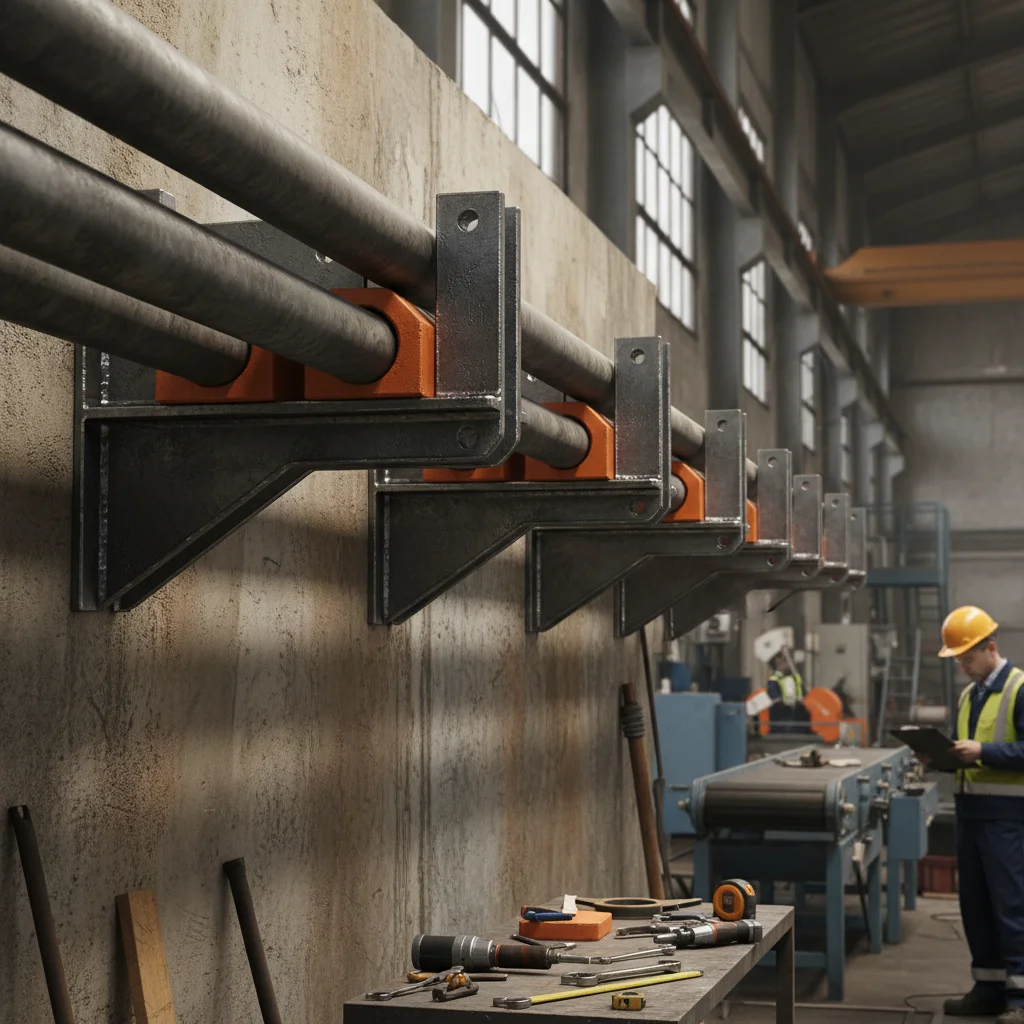
Angle iron is everywhere in industrial settings — it’s versatile, relatively affordable, and provides excellent structural integrity when paired correctly. But its angular shape means that traditional straight bolts or clamps might not always give you the best fit or grip.
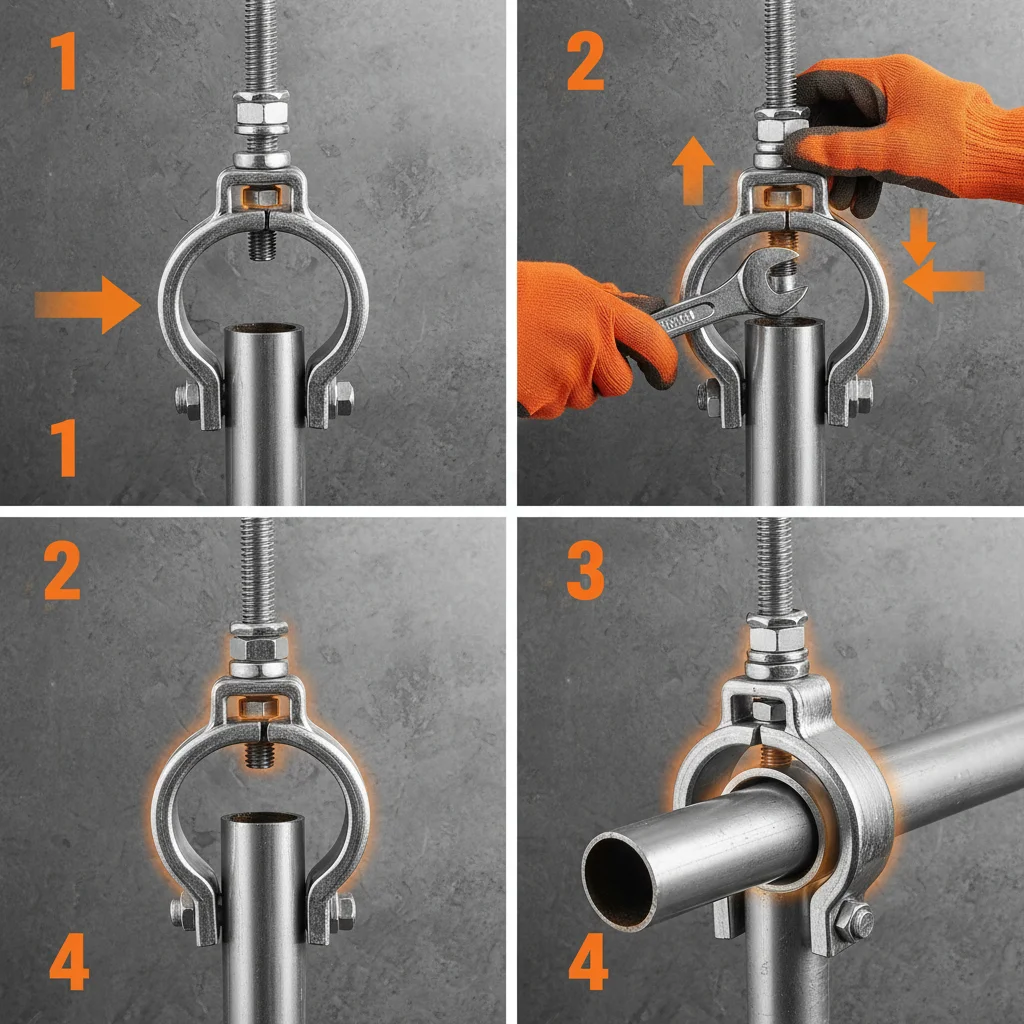
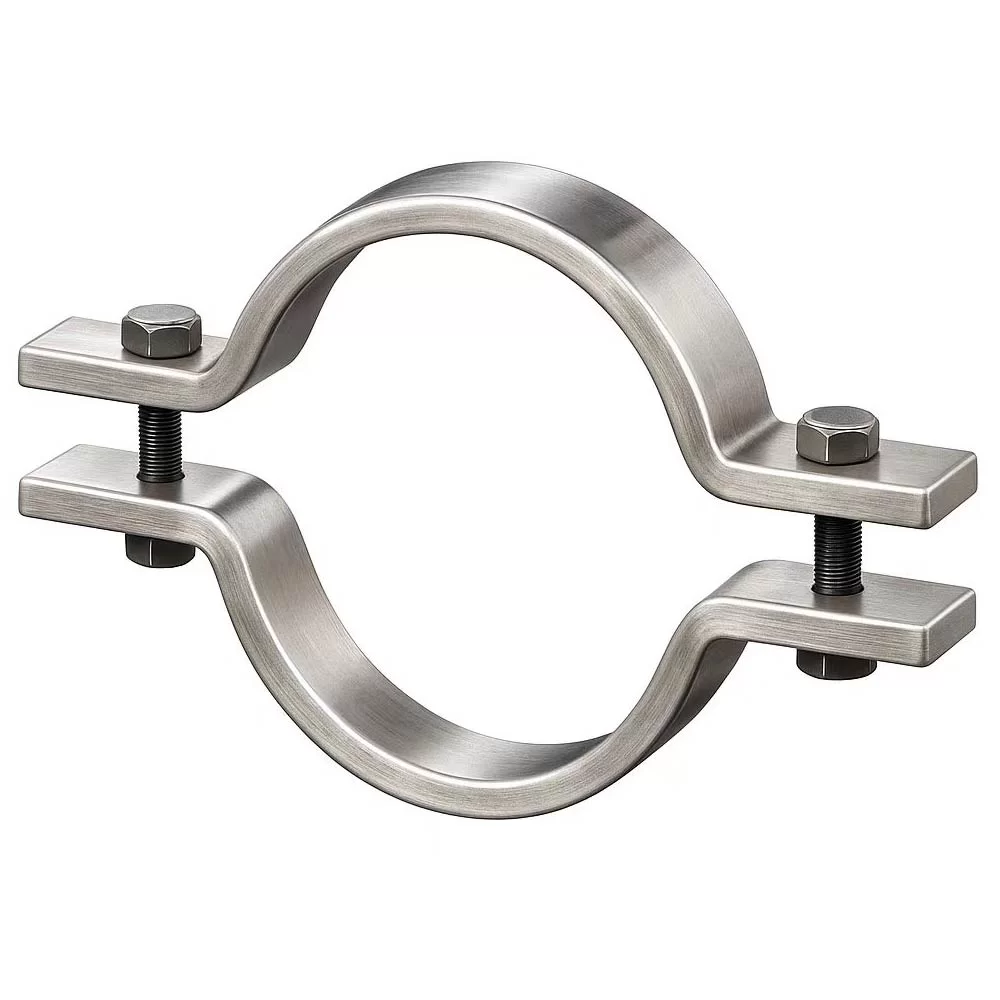
This is where u bolts come in. Their semi-circular shape is perfect for wrapping around pipes, tubes, or even machinery parts and keeping them pinned firmly to angle iron supports. Imagine trying to clamp a round water pipe against that L-shaped steel beam; the u bolt’s curved arm hugs it tightly, secured by threaded ends with nuts.
Back when I started, carbon steel was the go-to for many applications — cheap, easy to source. But the downside? Rust. Especially if you’re mounting outdoors or in humid environments. That’s why you’ll find a good number of stainless steel u bolts nowadays; 304 and 316 grades are popular due to their corrosion resistance. 316, in particular, is favored near marine or chemical environments.
Galvanized steel offers a middle ground: decent corrosion resistance at a lower cost than stainless. Sometimes, when I’ve worked on dust collection lines or HVAC units, galvanized u bolts struck the perfect balance.
Not all u bolts are cut from the same cloth — or steel, rather. When mounting to angle iron, the diameter of the bolt, inside width, length, thread pitch, and load ratings are crucial. I once saw a custom job where the u bolt's inside width was just a millimeter too narrow, causing installation delays and frustration.
| Specification | Typical Range | Notes |
|---|---|---|
| Material | Stainless Steel 304/316, Galvanized, Carbon Steel | Corrosion resistance varies significantly |
| Diameter (Thread) | ¼" (6 mm) to 1" (25 mm) | Choose based on load and application |
| Inside Width | 1" (25 mm) to 6" (150 mm) | Must match angle iron profile and object size |
| Length (Legs) | 2" (50 mm) to 12" (300 mm) | Depends on angle iron thickness and object diameter |
| Thread Pitch | Coarse or fine threads | Fine threads for vibration resistance |
Now, I’ve dealt with a few different suppliers over the years. Performance is one thing, but availability, pricing, and support round out the picture. Here’s a quick side-by-side I jotted down comparing three major vendors that supply u bolts for mounting to angle iron.
| Vendor | Material Options | Lead Time | Custom Sizes | Pricing |
|---|---|---|---|---|
| TopFastener | Stainless 304/316, Galvanized | 2-5 days | Yes, with fast turnaround | Competitive for volume |
| IndustrialBoltCo | Carbon Steel, Galvanized | 5-10 days | Limited | Mid-range |
| Fastener Supply Hub | Stainless Steel 304 only | 3-7 days | Custom on request | Premium pricing |
Once, on a tight deadline project, we needed custom u bolts to secure cylindrical tanks onto angled iron skids. The usual supplier couldn’t deliver on time, so we turned to a lesser-known vendor that specialized in fast custom runs. The rings fit perfectly, and the stainless steel finish resisted rusting even after a harsh winter. It was a reminder that having reliable suppliers who understand the nuances of mounting to angle iron can make all the difference.
In real terms, whether you’re retrofitting plant systems or fabricating new gear, choosing the right u bolt for mounting to angle iron is a small decision that pays off big in stability and safety.
If you’re facing questions or have a specific need, I suppose the best approach is to get in touch with trusted suppliers — often they offer helpful customization, advice, and testing data to back up their claims. And, yes, sometimes their expertise saves you more than just money.
So next time you see a modest u bolt, just remember: it’s quietly holding critical parts together, making industrial machinery safer and stronger.
— Reflection: Building with the right details truly matters, and every fastener counts.
Hit enter to search or ESC to close