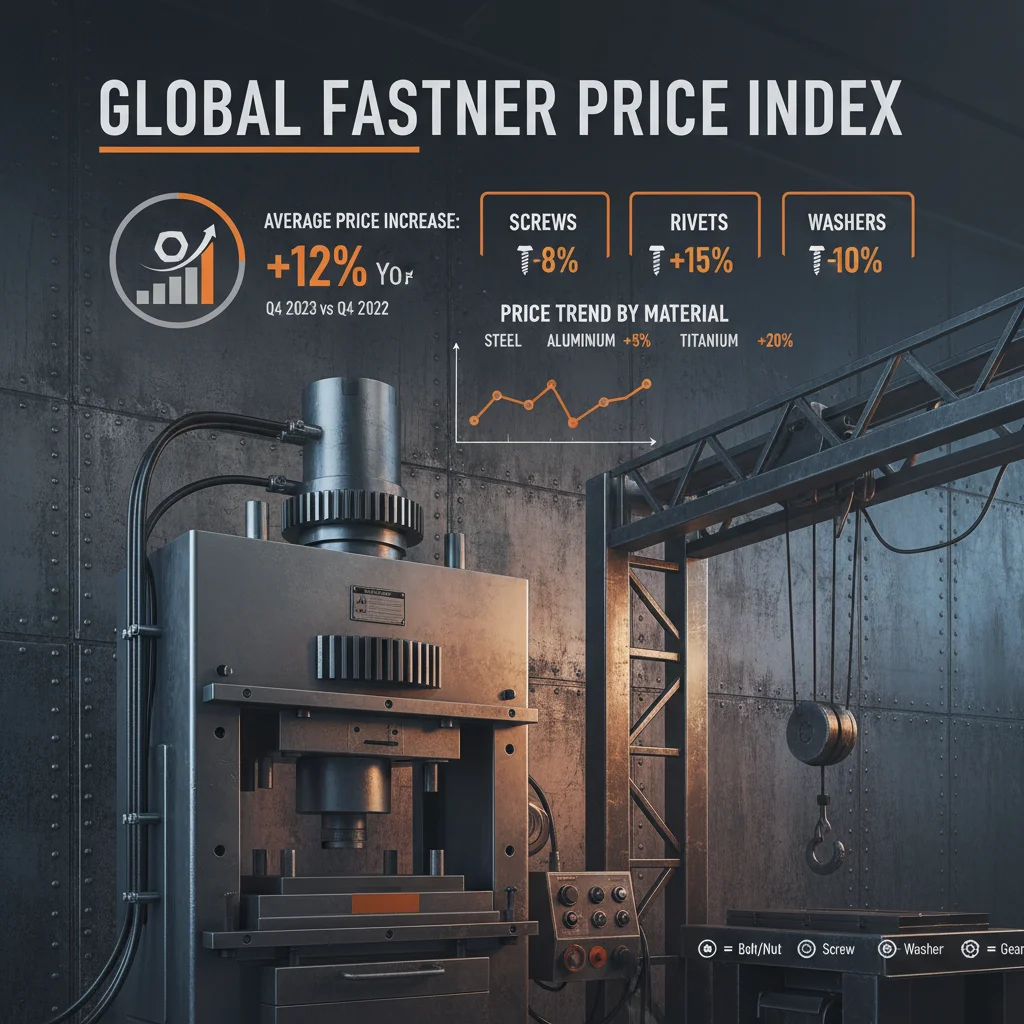

Fastener for sale represents a critical component in modern infrastructure and manufacturing. From the smallest electronic devices to the largest bridges, these seemingly simple components ensure structural integrity and reliability. Understanding the nuances of fastener for sale, including material science, manufacturing processes, and application-specific requirements, is essential for engineers, procurement professionals, and anyone involved in construction or product development. The global fastener market is a multi-billion dollar industry, showcasing its pervasive impact on the world economy and daily life.
The demand for efficient and dependable fastener for sale is fueled by ongoing urbanization, infrastructure development in emerging markets, and the increasing complexity of modern products. Ensuring a consistent supply of high-quality fasteners is a significant challenge, particularly in the face of global supply chain disruptions. Addressing this requires innovation in manufacturing, sustainable sourcing practices, and a deep understanding of regulatory standards.
Ultimately, access to robust and reliable fastener for sale directly contributes to safety, durability, and economic growth. Investing in research and development within the fastener industry is vital to maintaining standards and improving efficiency.
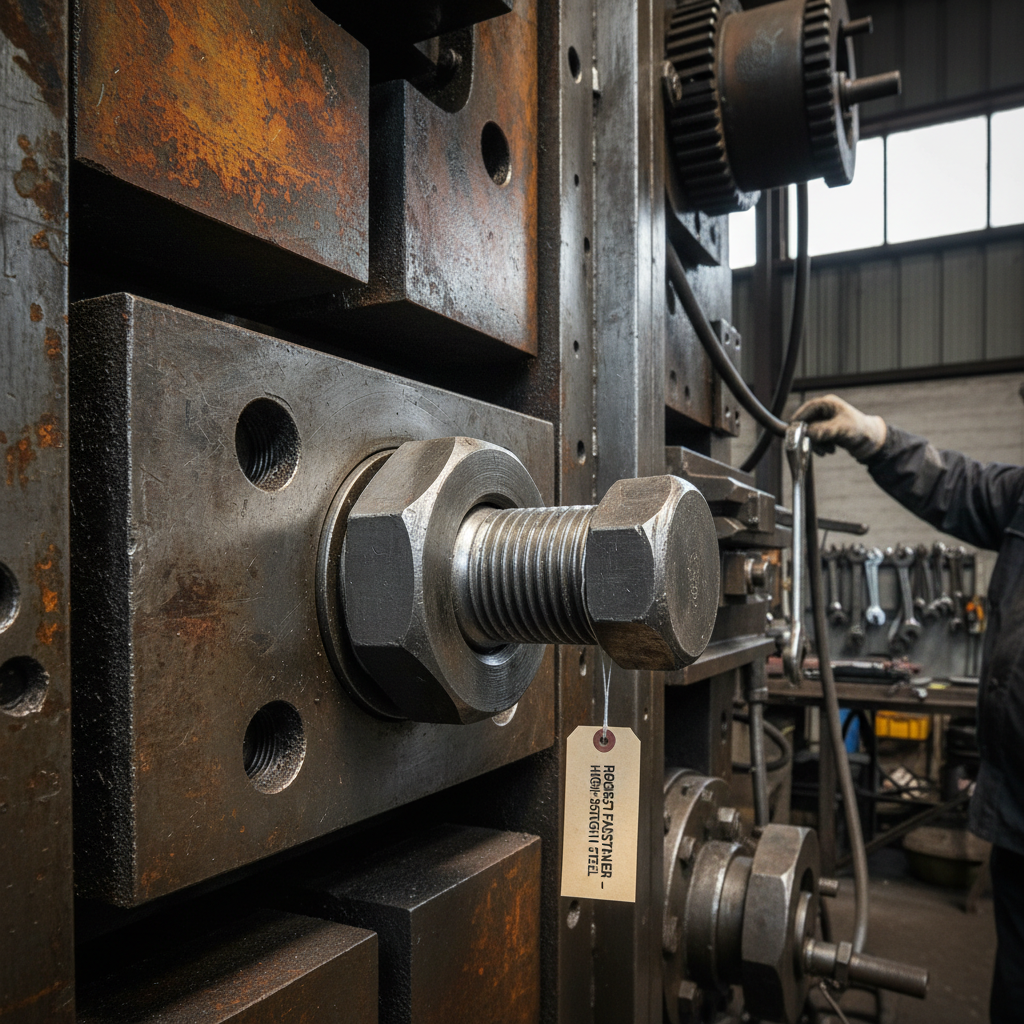
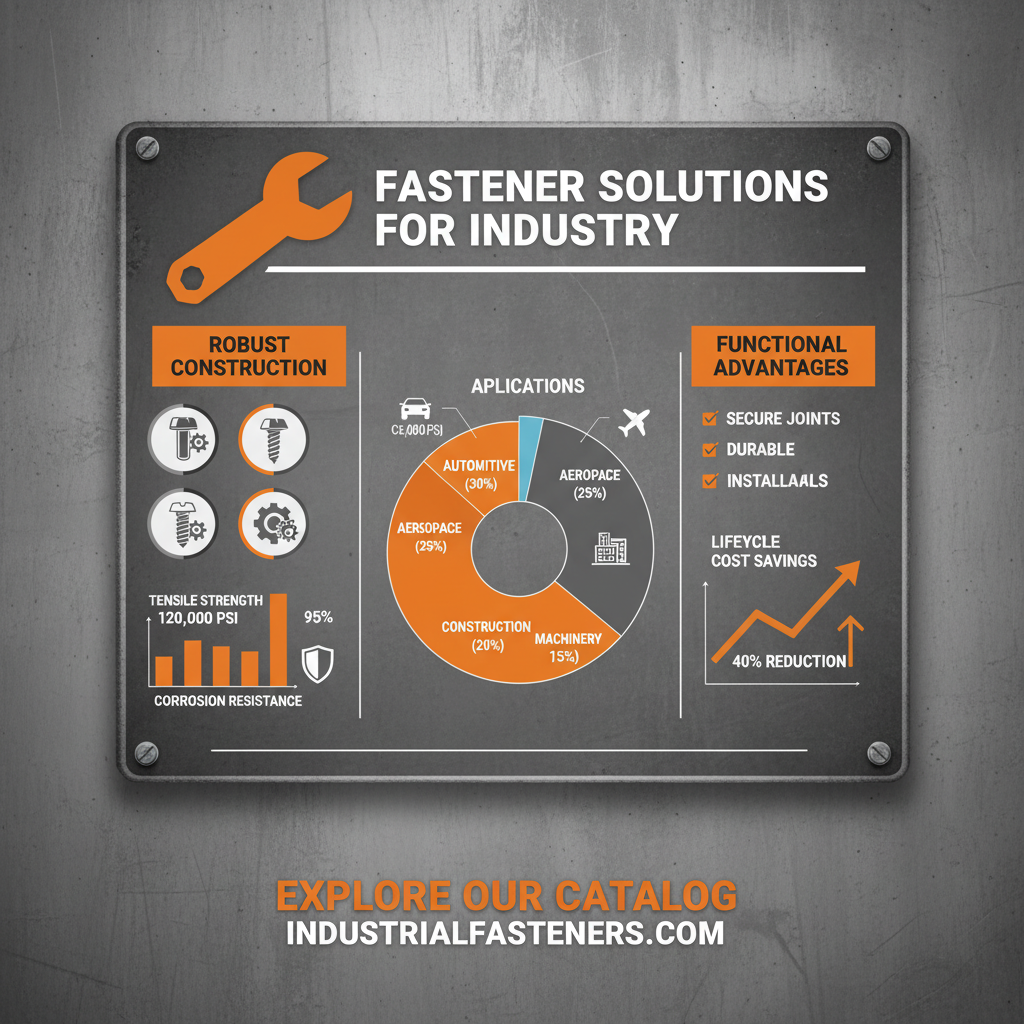
The global reliance on fastener for sale stems from its fundamental role in joining materials and creating secure assemblies. Without consistent access to high-quality fasteners, projects across countless industries—from automotive and aerospace to construction and electronics—would face significant risks. The strength, durability, and corrosion resistance of fastener for sale directly impact the longevity and safety of finished products.
Investing in quality fastener for sale isn’t simply a matter of cost savings; it's an investment in long-term reliability and risk reduction. Choosing the right fastener for a specific application requires careful consideration of factors such as material type, load requirements, and environmental conditions.
Fastener grades are classified based on their tensile strength and material composition. Higher grades indicate greater strength and durability, making them suitable for demanding applications. Common grades include 5, 8, and 10 for metric fasteners, and Grade 2, 5, and 8 for inch fasteners. Choosing the correct grade is crucial for ensuring the structural integrity of an assembly and preventing failure. The appropriate grade is determined by the load requirements, operating conditions, and safety factors of the application.
Corrosion weakens fasteners, reducing their load-carrying capacity and potentially leading to catastrophic failure. Factors influencing corrosion include humidity, temperature, and exposure to corrosive substances like salt water. Prevention methods include using corrosion-resistant materials like stainless steel, applying protective coatings like zinc plating or powder coating, and employing cathodic protection techniques. Regular inspection and maintenance are also vital for identifying and addressing corrosion before it becomes a serious issue.
Torque specifications define the amount of rotational force needed to properly tighten a fastener. Applying the correct torque is critical for achieving the desired clamping force, which ensures the joint remains secure under load. Under-torquing can lead to loosening and failure, while over-torquing can strip threads or damage the fastener. Always refer to the manufacturer’s recommended torque specifications for the specific fastener and application.
Determining the correct fastener length involves considering the thickness of the materials being joined, the presence of any washers or spacers, and the desired amount of thread engagement. As a general rule, the fastener should extend at least one diameter beyond the nut on the threaded side. It’s crucial to avoid using fasteners that are too short, as they may not provide adequate clamping force, or too long, as they can create a hazard. Precise measurement and careful calculation are essential.
Specialty fasteners are designed for specific applications where standard fasteners are insufficient. These fasteners offer features like improved corrosion resistance, increased strength, or specialized head shapes. While often more expensive, specialty fasteners can provide significant performance advantages in demanding environments or complex assemblies. Common examples include self-locking fasteners, blind rivets, and shoulder screws.
Finding reliable suppliers is crucial for ensuring the quality and consistency of your fasteners. Look for suppliers with established certifications (such as ISO 9001) and a proven track record. Online marketplaces like ThomasNet and IndustryNet can help you identify potential suppliers. Additionally, consider attending industry trade shows and networking with other professionals in your field to build relationships with reputable vendors. Always request samples and conduct thorough quality inspections before placing large orders.
In conclusion, fastener for sale are far more than just simple components. They are critical enablers of modern infrastructure, manufacturing, and technological innovation. Understanding the nuances of material science, application-specific requirements, and emerging trends is essential for professionals across a diverse range of industries. Investing in high-quality fasteners and reliable sourcing strategies directly translates to enhanced product performance, reduced risks, and long-term cost savings.
Looking ahead, the fastener industry will continue to evolve, driven by advancements in materials, manufacturing technologies, and sustainability initiatives. By embracing these changes and prioritizing quality, traceability, and responsible sourcing, we can ensure the continued availability of dependable fastener for sale that underpin our world. For a wide range of fastener for sale solutions, visit our website: www.topfastener.com.

Hit enter to search or ESC to close