Fastener types are fundamental components in countless industries, from construction and automotive to aerospace and electronics. Understanding the diverse array of fastener types – bolts, screws, rivets, and more – is crucial for ensuring structural integrity, safety, and the longevity of assembled products. The global fastener market is a multi-billion dollar industry, driven by ongoing infrastructure development, manufacturing growth, and a constant demand for reliable joining solutions.
The significance of fastener types extends beyond mere mechanical joining. Selecting the appropriate fastener type directly impacts project costs, assembly time, and overall performance. Incorrect fastener selection can lead to premature failures, safety hazards, and costly repairs. Innovations in materials, coatings, and manufacturing processes are continually expanding the possibilities within this field, offering solutions for increasingly complex engineering challenges.
The evolution of fastener types reflects advancements in materials science and engineering. From simple iron nails to high-strength alloy bolts, each iteration has been driven by the need for greater strength, corrosion resistance, and ease of installation. A comprehensive understanding of these elements is paramount for professionals across numerous sectors.
The Importance of Fastener Types
Fastener types play a pivotal role in ensuring the safety and reliability of structures and machinery. A correctly specified fastener prevents joint failure, reduces maintenance costs, and prolongs the lifespan of critical assets. The choice of a fastener must consider the materials being joined, the anticipated loads, environmental conditions, and required durability.
Proper fastener selection also impacts assembly efficiency. The wrong fastener can necessitate rework, increase production time, and ultimately drive up project costs. Understanding the nuances of different fastener types – their strengths, weaknesses, and optimal applications – is therefore essential for engineers, technicians, and procurement professionals.
Defining Fastener Types
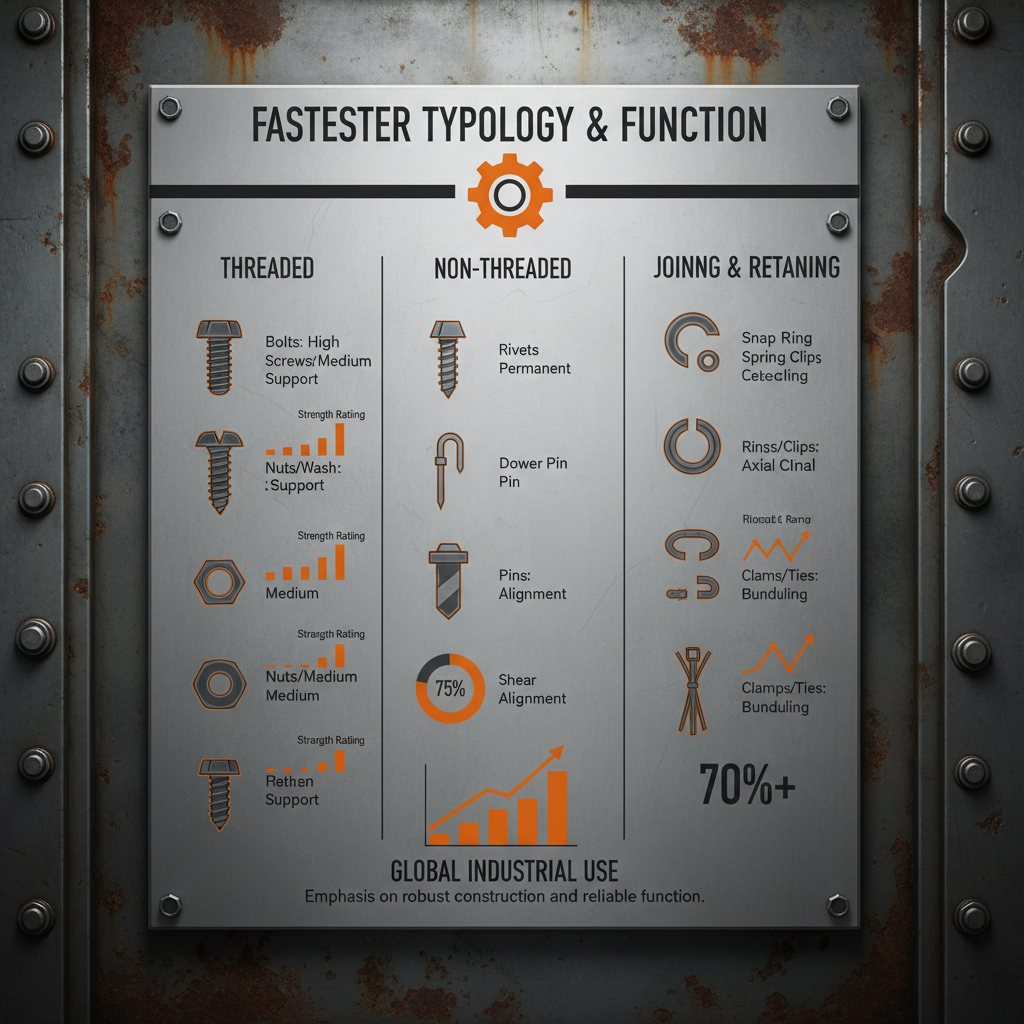
Fastener types are broadly defined as mechanical joining devices used to connect two or more materials. They create a clamp load, which holds the materials together through friction. This encompasses a vast range of products, including threaded fasteners (bolts, screws, studs), non-threaded fasteners (rivets, pins, clips), and specialized fasteners designed for specific applications.
The selection of a fastener type is dictated by a variety of factors. The material properties of both the fastener and the joined materials, the type of load (tensile, shear, torsional), and the operating environment (temperature, corrosion exposure) are all critical considerations.
The application of fastener types is essential for modern industry and even humanitarian efforts. From constructing resilient infrastructure to assembling life-saving medical devices, the ability to reliably join materials is a cornerstone of progress.
Core Characteristics of Fastener Types
Durability is a fundamental characteristic of fastener types. The ability to withstand repeated loading, environmental stresses, and potential corrosion is paramount. Materials like stainless steel, alloy steel, and titanium are often chosen for their superior resistance to degradation. Different coatings, like zinc or polymer-based coatings, further enhance corrosion protection.
Strength represents a fastener’s capacity to resist applied forces without fracturing or yielding. Strength is characterized by parameters like tensile strength (resistance to pulling forces), shear strength (resistance to cutting forces), and yield strength (the point at which the fastener begins to deform permanently).
Cost-effectiveness is a practical consideration when selecting fastener types. While high-performance materials offer superior durability and strength, they often come at a premium price. Balancing performance requirements with budgetary constraints is a common engineering challenge. The overall lifecycle cost, including installation, maintenance, and potential replacement, should be factored into the decision.
Practical Applications Across Industries
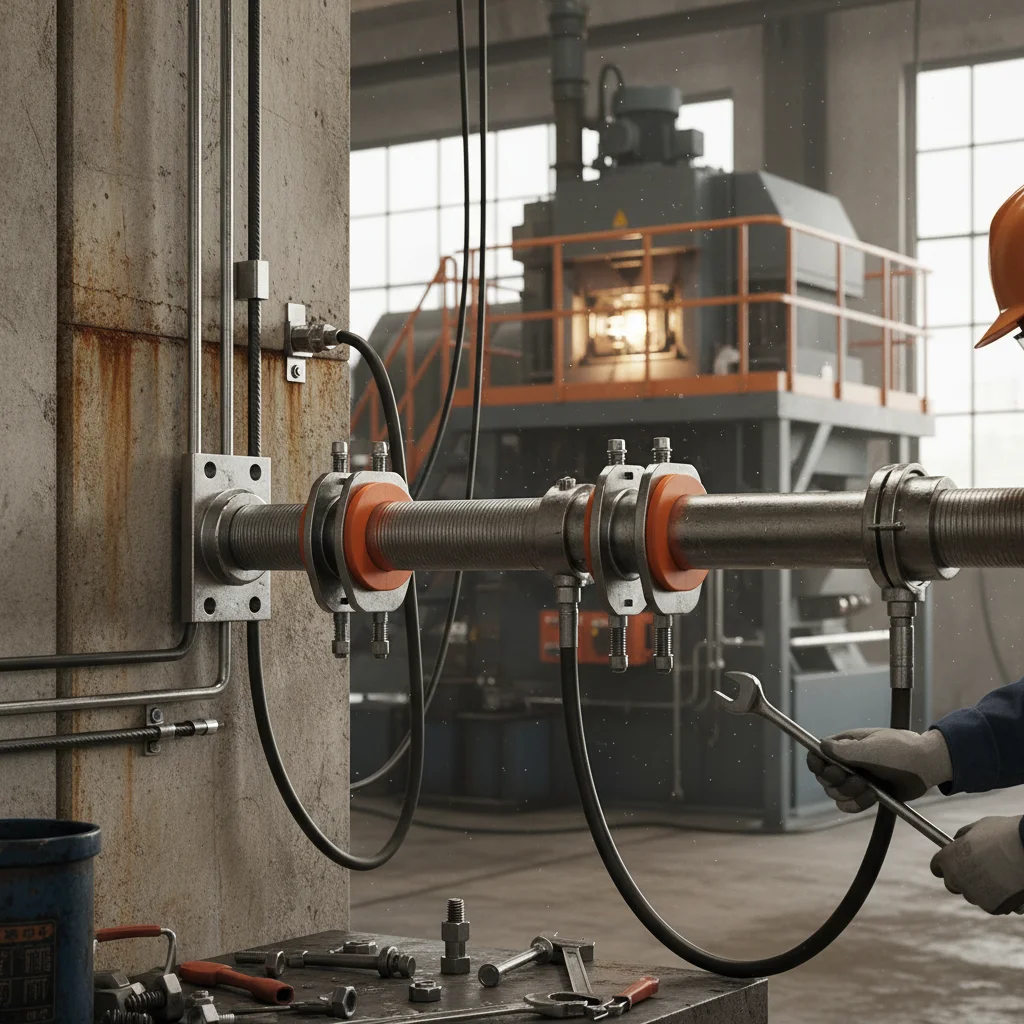
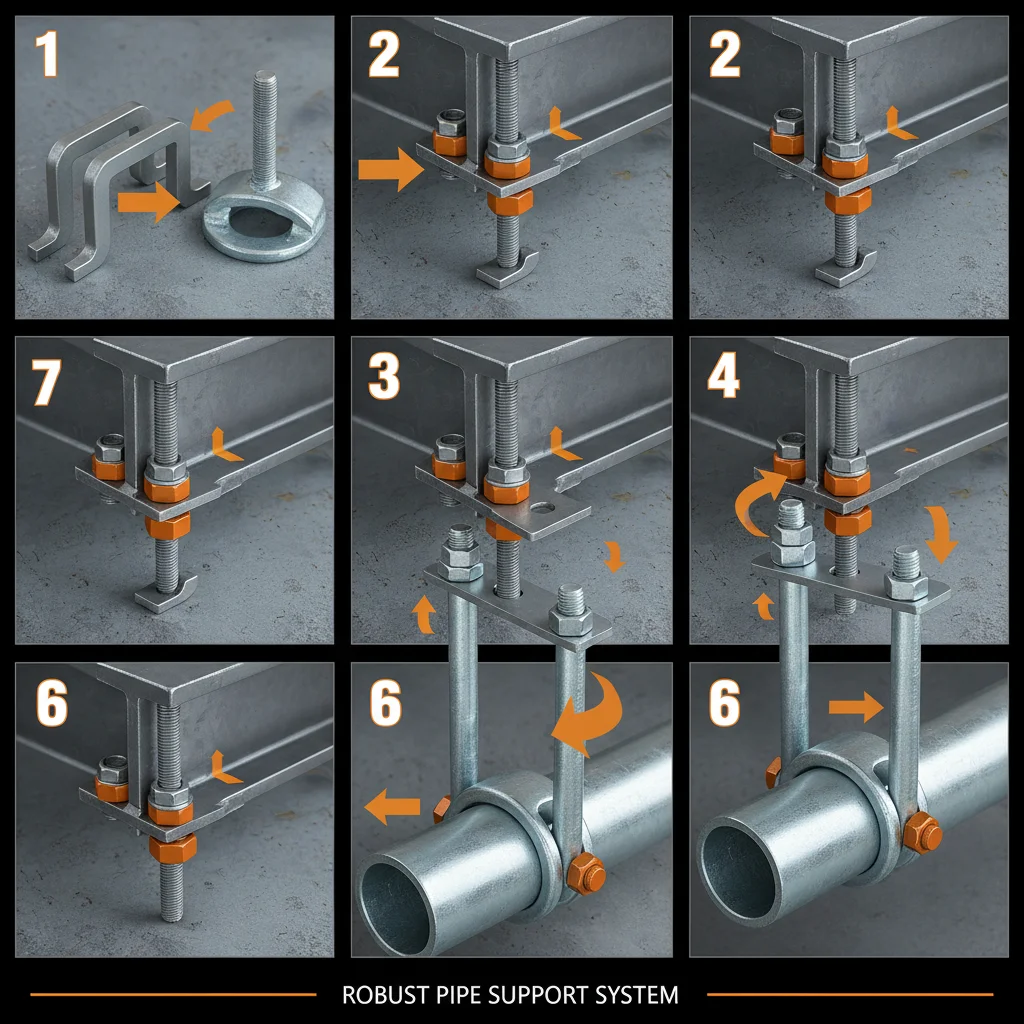
In the construction industry, fastener types are used extensively in structural steel frameworks, concrete anchoring, and the assembly of building components. High-strength bolts, concrete screws, and structural rivets are commonly employed to ensure building stability and safety.
The automotive sector relies heavily on a wide range of fastener types, from engine bolts to chassis screws. These fasteners must withstand extreme temperatures, vibrations, and corrosive environments. The industry is increasingly adopting lightweight materials and advanced fastening techniques to improve fuel efficiency and vehicle performance.
Comparative Performance of Fastener Types
Advantages and Long-Term Value
Selecting the correct fastener types leads to reduced maintenance costs through increased joint reliability. Avoiding premature failures and minimizing the need for replacements translates directly into long-term savings. This is particularly critical in industries with stringent safety regulations or high operational costs.
Sustainability is increasingly a key consideration. Choosing durable fasteners extends the lifespan of products, reducing the need for frequent replacements and minimizing waste. The use of recyclable materials in fastener manufacturing further contributes to environmental responsibility.
Emerging Trends and Innovations
Self-locking fasteners, designed to resist loosening due to vibration or thermal cycling, are gaining prominence in applications requiring high reliability. These fasteners incorporate features like nylon inserts, serrated flanges, or prevailing torque mechanisms.
The development of smart fasteners – equipped with sensors to monitor stress, temperature, or corrosion – represents a significant advancement. These sensors provide real-time data that can be used for predictive maintenance and proactive risk management.
Additive manufacturing (3D printing) is enabling the creation of customized fasteners with complex geometries and optimized material properties. This technology allows for rapid prototyping and the production of small-batch fasteners tailored to specific applications.
Challenges and Future Outlook
One persistent challenge is the risk of galvanic corrosion, which occurs when dissimilar metals are in contact in the presence of an electrolyte. Careful material selection and the use of isolation techniques are essential to mitigate this risk.
Ensuring consistent quality control throughout the fastener manufacturing process remains a critical concern. Stringent testing and adherence to industry standards are necessary to guarantee the reliability of fasteners.
The future of fastener types will be shaped by ongoing advancements in materials science, manufacturing technology, and sensor integration. The demand for lightweight, high-strength, and sustainable fasteners will continue to drive innovation in this field.
Summary of Challenges and Potential Solutions in Fastener Type Implementation
| Challenge |
Impact on Fastener Types |
Potential Solution |
Implementation Cost (1-10) |
| Corrosion |
Reduced fastener lifespan and structural integrity |
Use of corrosion-resistant materials (stainless steel, coatings) |
6 |
| Galvanic Corrosion |
Accelerated degradation when dissimilar metals contact |
Use of insulating materials, compatible metal pairings |
4 |
| Incorrect Fastener Selection |
Joint failure, reduced load capacity |
Thorough engineering analysis, fastener specification guides |
5 |
| Vibration Loosening |
Joint disassembly, safety risks |
Use of locking fasteners (nylon inserts, serrated flanges) |
7 |
| Manufacturing Defects |
Reduced fastener strength, premature failure |
Rigorous quality control procedures, non-destructive testing |
8 |
| Lack of Standardization |
Interoperability issues, increased complexity |
Adoption of industry standards (ISO, ANSI) |
3 |
FAQs
While often used interchangeably, bolts typically have a hexagonal head and are designed to be tightened with a wrench, whereas screws often have a variety of head types and can be driven with a screwdriver. Bolts generally require a nut to create a secure joint, while screws often tap their own threads directly into the material. Understanding this distinction is crucial for selecting the appropriate fastener for a given application.
The material of a fastener significantly affects its strength, corrosion resistance, and overall durability. Carbon steel fasteners are common and cost-effective, but susceptible to rust. Stainless steel offers superior corrosion resistance but may be weaker than certain alloy steels. Titanium provides exceptional strength-to-weight ratio and corrosion resistance, but is considerably more expensive.
Torque specification refers to the amount of rotational force applied to a fastener during tightening. Applying the correct torque is critical for ensuring a secure and reliable joint. Under-torquing can lead to loosening, while over-torquing can damage the fastener or the materials being joined. Following manufacturer’s recommendations is essential.
Galvanic corrosion occurs when dissimilar metals are in contact in the presence of an electrolyte. To prevent this, use insulating materials like plastic washers or sleeves to separate the metals. Alternatively, select metals that are close together in the galvanic series, or apply a protective coating to the more anodic metal.
Common locking fasteners include nylon-insert lock nuts (nyloc nuts), serrated flange nuts, prevailing torque nuts, and self-locking screws with built-in features. These fasteners prevent loosening due to vibration or thermal cycling, ensuring joint integrity in dynamic environments.
Coatings significantly enhance fastener performance. Zinc plating provides corrosion resistance for carbon steel fasteners. Polymer coatings offer improved chemical resistance and can also reduce friction. Ceramic coatings provide high-temperature resistance and wear protection. The choice of coating depends on the specific application and operating environment.
Conclusion
Understanding fastener types is fundamental to success across a multitude of industries. From ensuring the structural integrity of buildings and infrastructure to optimizing the performance of complex machinery, the selection and application of appropriate fasteners directly impacts safety, reliability, and cost-effectiveness. Continuous innovation in materials, coatings, and manufacturing techniques promises even more advanced and specialized fastening solutions in the future.
Staying informed about emerging trends and best practices in fastener technology is crucial for professionals seeking to optimize their designs, reduce costs, and enhance the long-term performance of their products. For a comprehensive range of fastener types and expert guidance, visit our website.