In the complex world of industrial infrastructure, the stability of overhead piping systems is paramount to operational safety and efficiency. i beam pipe hangers serve as the critical interface between heavy-duty structural steel and the fluid transport networks that power modern factories. By providing a secure, non-invasive method of suspension, these components prevent pipe sagging, reduce vibration, and ensure that critical systems remain intact under extreme loads.
Globally, the demand for high-quality fastening solutions has surged as urban centers expand and industrial plants transition toward more complex, multi-tiered architectural designs. The integration of precision-engineered i beam pipe hangers allows engineers to maximize vertical space without compromising the integrity of the primary support beams. This optimization is essential for maintaining strict adherence to international safety standards and reducing long-term maintenance costs.
Understanding the nuances of these support systems—from material grade to load-bearing capacity—is not merely a technical requirement but a strategic advantage. Whether dealing with high-pressure steam lines or chemical transport in a refinery, the choice of the right hanger directly impacts the lifespan of the entire facility. This guide explores the technical depth, global application, and future innovations of these indispensable industrial components.
Global Industrial Context of i Beam Pipe Hangers
From a global perspective, the reliance on structural steel in construction has made i beam pipe hangers a cornerstone of industrial engineering. As documented by ISO standards for piping systems, the stability of overhead supports is non-negotiable to prevent catastrophic failures. In rapidly industrializing regions of Asia and Africa, the deployment of these hangers has accelerated, facilitating the growth of massive manufacturing hubs that require complex piping networks for cooling, gas, and water.
The challenge often lies in the sheer scale of these projects. Without standardized, high-strength i beam pipe hangers, the risk of structural fatigue in the supporting I-beams increases. By utilizing clamps that do not require drilling into the beam, companies can maintain the structural integrity of their buildings while ensuring that their utility lines are securely suspended, reducing the risk of leaks and hazardous spills.
Defining the Functionality of i Beam Pipe Hangers
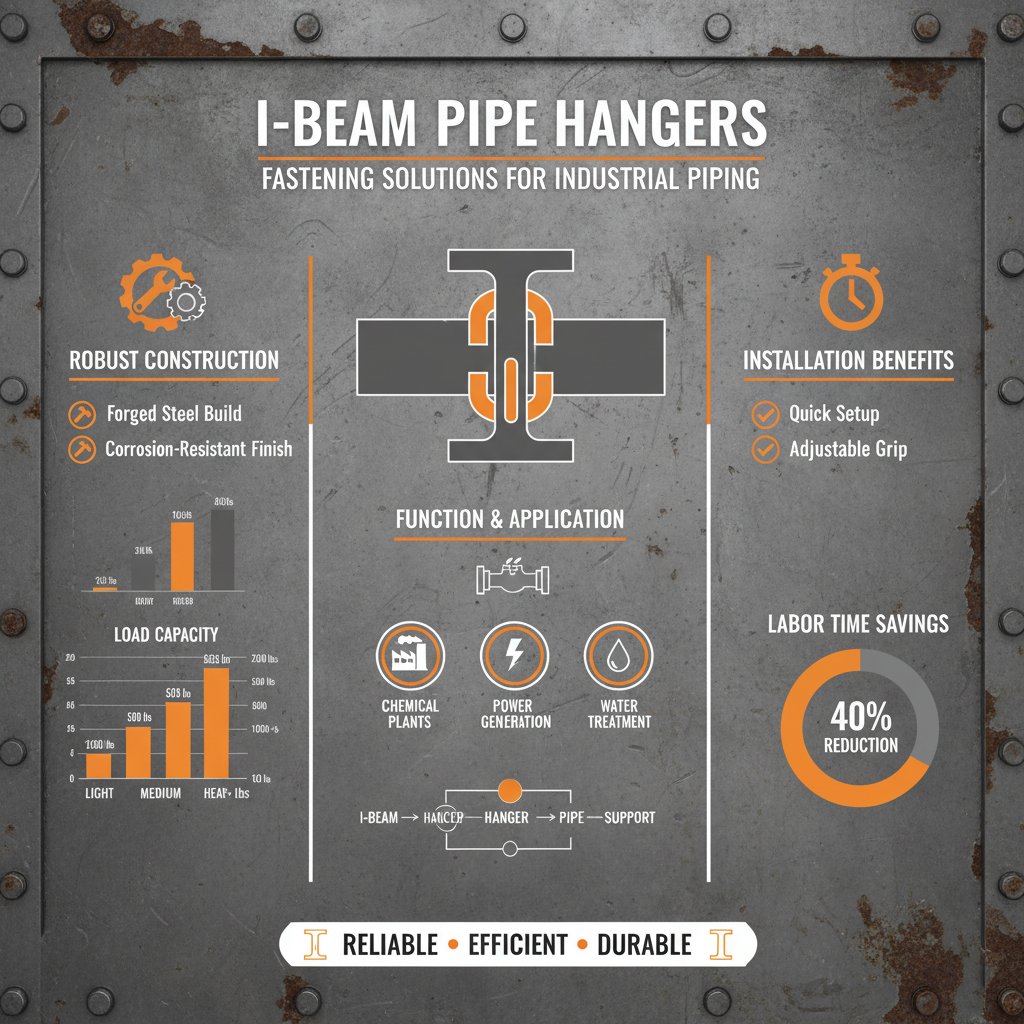
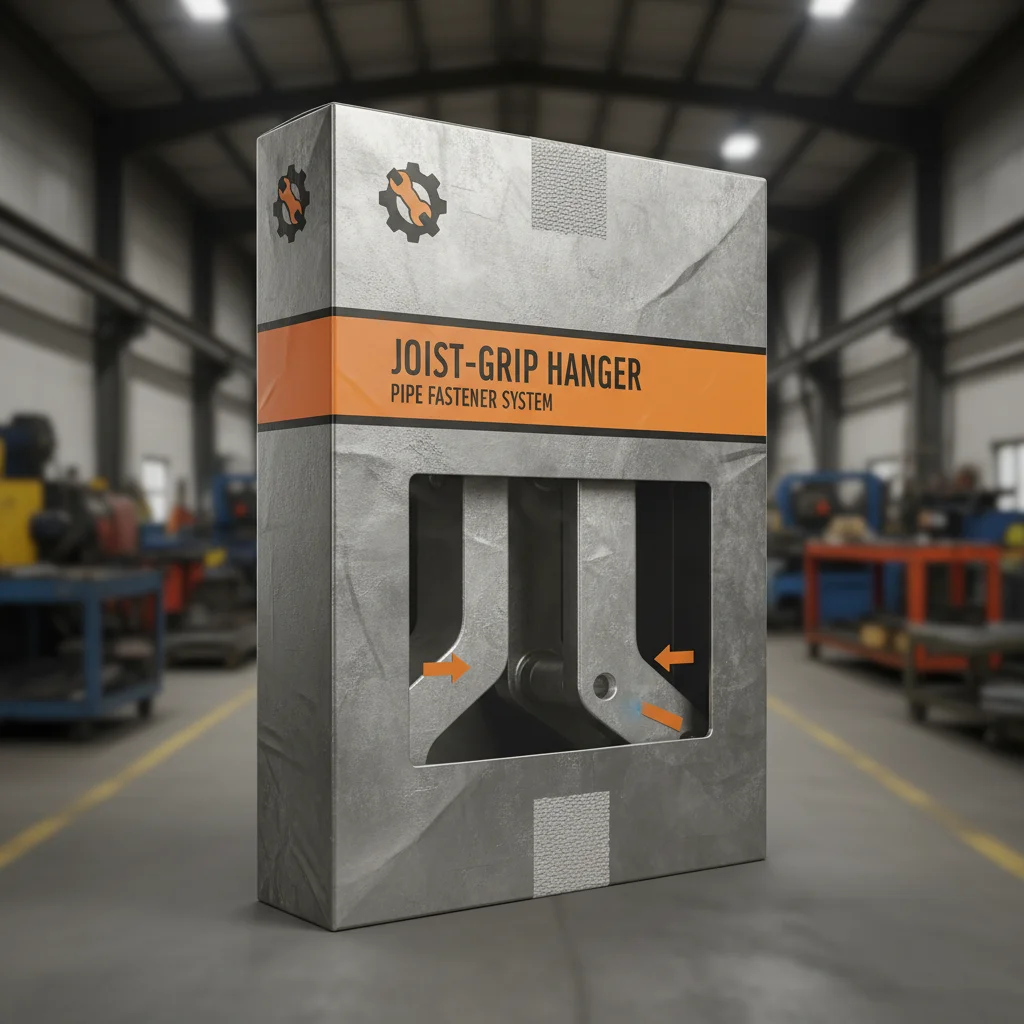
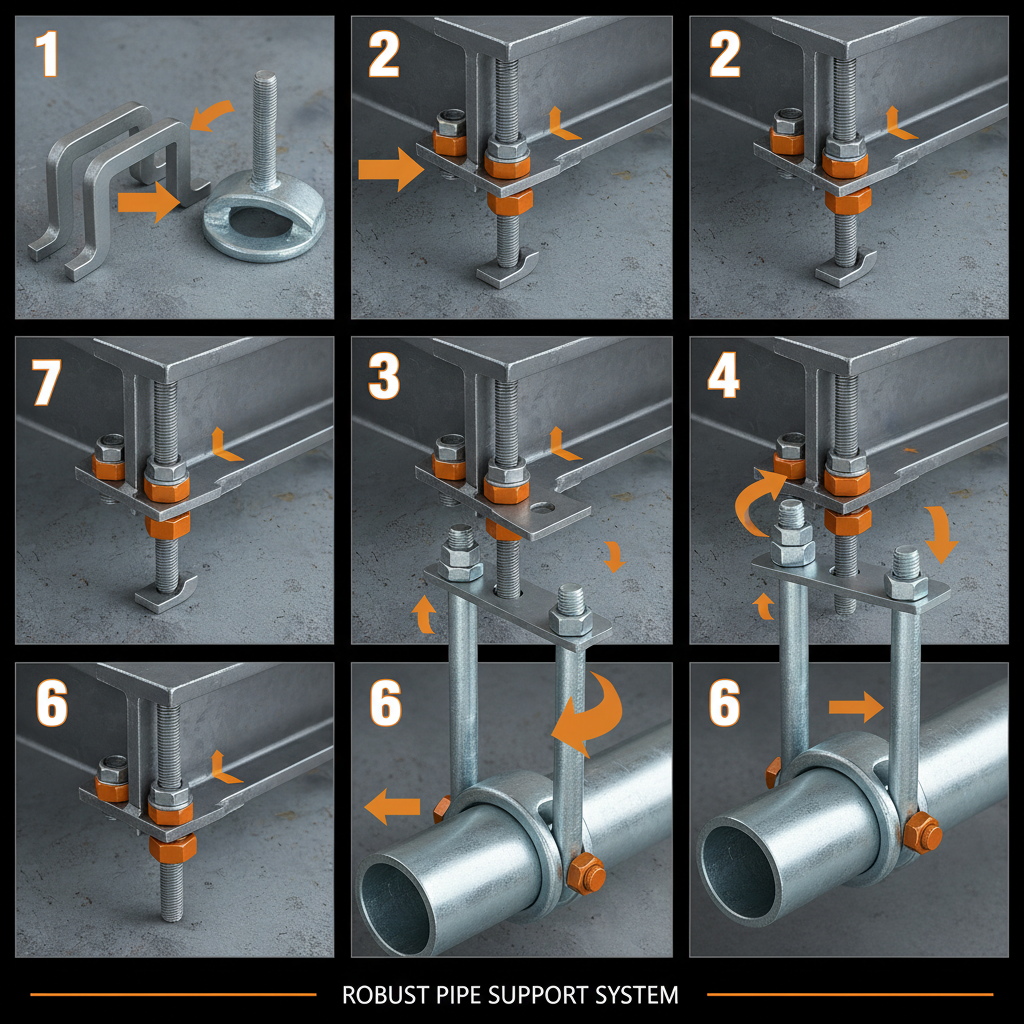
In simple terms, i beam pipe hangers are specialized mechanical fastening devices designed to attach piping systems to the flanges of structural steel I-beams. Unlike traditional hangers that might require welding or drilling—which can weaken the beam—these hangers typically use a clamping mechanism. This allows for a secure grip that can be adjusted or relocated as the facility's layout evolves over time.
Beyond simple suspension, these components play a vital role in modern humanitarian and industrial needs by enabling the rapid deployment of essential utilities. In temporary medical facilities or emergency industrial shelters, the ability to quickly install piping for oxygen or water using these hangers ensures that life-saving infrastructure is operational in hours rather than days.
Essentially, they act as the "connective tissue" of a building's mechanical system. By translating the heavy weight of the piping into a distributed load on the structural steel, they prevent localized stress points. This engineering elegance ensures that the infrastructure can withstand seismic shifts or the constant vibration of heavy machinery without failing.
Core Components and Engineering Factors
When evaluating i beam pipe hangers, the first critical factor is material durability. Most high-grade hangers are manufactured from galvanized steel or stainless steel to resist oxidation in humid or chemically aggressive environments. This ensures that the clamping force remains constant over decades of service, preventing the pipe from slipping.
Load-bearing capacity and scalability are equally essential. Engineers must calculate the combined weight of the pipe, the fluid it carries, and potential dynamic loads. Advanced i beam pipe hangers are designed with reinforced gussets and high-tensile bolts to handle these variables, allowing for a scalable approach where hangers can be added or upgraded as system capacity increases.
Finally, ease of installation and cost-efficiency define the commercial value of the product. A hanger that can be installed by a single technician without the need for heavy machinery significantly reduces labor costs. The focus on "plug-and-play" design in the fastening industry has made i beam pipe hangers an attractive choice for contractors looking to meet tight project deadlines.
Global Applications and Use Cases
The application of i beam pipe hangers spans across diverse global industries. In the petrochemical plants of the Middle East, these hangers are used to support high-temperature piping where thermal expansion must be managed. By utilizing sliding hanger configurations, the system can accommodate the growth and contraction of the metal without putting undue stress on the I-beams.
In North American automotive assembly plants, these supports are used to manage the complex overhead network of compressed air and electrical conduits. The precision of the i beam pipe hangers allows for a clean, organized ceiling space, which is critical for the operation of overhead cranes and robotic arms that move across the factory floor.
Performance Comparison of i Beam Pipe Hangers Types
Advantages and Long-Term Value
The tangible benefits of utilizing high-quality i beam pipe hangers extend beyond simple installation. From a financial perspective, the reduction in drilling and welding leads to lower insurance premiums and faster safety certifications. Because these hangers preserve the structural integrity of the I-beam, the overall building remains safer and more resilient against seismic activity, providing long-term peace of mind for facility owners.
Moreover, the sustainability angle cannot be overlooked. By using adjustable i beam pipe hangers, companies can reconfigure their piping layouts during facility upgrades without scrapping the existing support hardware. This "circular" approach to industrial maintenance reduces metal waste and minimizes the environmental footprint of industrial expansion, aligning with global green building initiatives.
Future Trends and Material Innovations
The future of i beam pipe hangers is being shaped by the digital transformation of construction. We are seeing the emergence of "Smart Hangers" equipped with integrated strain sensors. These sensors can transmit real-time data to a central monitoring system, alerting maintenance teams to excessive vibration or load shifts before a failure occurs, effectively moving the industry from reactive to predictive maintenance.
Material science is also evolving, with the introduction of advanced composite coatings and nano-ceramics. These new materials allow i beam pipe hangers to operate in ultra-corrosive environments, such as offshore oil rigs or chemical processing plants, where traditional galvanization fails. The goal is to create supports that are lighter yet stronger, reducing the dead load on the building's skeleton.
Additionally, the push toward automation is leading to the development of hangers that can be installed by robotic systems. As modular construction becomes more prevalent, i beam pipe hangers are being designed for rapid, robotic snapping, which drastically reduces the time required to outfit a new industrial warehouse with the necessary utilities.
Challenges and Expert Solutions
One of the primary challenges in the field is "creep" or the gradual loosening of clamps due to thermal cycling. When pipes expand and contract, they can exert lateral forces on i beam pipe hangers, eventually compromising the grip. Expert solutions include the use of spring-loaded clamping mechanisms that maintain a constant pressure regardless of temperature fluctuations.
Another common issue is the mismatch between hanger specifications and actual beam dimensions, especially in older buildings where beams may not meet modern standards. To overcome this, engineers are increasingly turning to universal, multi-width i beam pipe hangers that can be adjusted to fit various flange thicknesses, ensuring a snug fit without the need for custom-fabricated parts.
Lastly, the risk of galvanic corrosion—where two different metals react—can lead to premature failure. The professional approach is to ensure that the hanger material is compatible with both the beam and the pipe. Using insulating gaskets between the i beam pipe hangers and the structure effectively breaks the electrical path, eliminating the risk of corrosion and extending the service life of the installation.
Analysis of i Beam Pipe Hanger Technical Specifications
|
Hanger Grade
|
Load Capacity (kN)
|
Corrosion Resistance
|
Installation Speed
|
| Standard Galv. |
5 - 12 |
Moderate |
Fast |
| Stainless 304 |
8 - 15 |
High |
Medium |
| Stainless 316 |
8 - 15 |
Very High |
Medium |
| Heavy Duty Alloy |
20 - 50 |
Moderate |
Slow |
| Epoxy Coated |
6 - 14 |
High |
Fast |
| Industrial Hybrid |
15 - 30 |
High |
Fast |
FAQS
No, the primary advantage of professional i beam pipe hangers is their clamping mechanism. They are designed to grip the flange of the I-beam securely using bolts and pressure plates, which eliminates the need for drilling or welding, thereby preserving the structural integrity of the beam.
For chemical environments, Stainless Steel 316 or Epoxy Coated i beam pipe hangers are recommended. SS316 offers superior resistance to chlorides and acids, while epoxy coatings provide a thick barrier against corrosive vapors, ensuring the hanger does not degrade over time.
You must calculate the "wet weight" of the pipe (pipe weight + fluid weight) and add a safety factor (typically 20-50%) to account for dynamic loads such as vibration or thermal expansion. Ensure the i beam pipe hangers you select have a certified Working Load Limit (WLL) that exceeds this total.
Yes, i beam pipe hangers are frequently used for electrical conduits, cable trays, and HVAC ducting. Their versatility allows them to support various types of overhead infrastructure, provided the attachment method is compatible with the conduit diameter.
In a dry, indoor industrial environment, galvanized i beam pipe hangers can last 20-30 years. However, in high-humidity or coastal areas, the lifespan may decrease to 5-10 years unless they are regularly inspected and treated for corrosion.
To prevent slipping, always use torque-calibrated wrenches during installation to ensure bolts are tightened to the manufacturer's specifications. Additionally, using i beam pipe hangers with locking nuts or spring washers prevents the hardware from loosening due to mechanical vibration.
Conclusion
In summary, i beam pipe hangers are far more than simple metal clamps; they are critical components that ensure the safety, scalability, and efficiency of global industrial infrastructure. By eliminating the need for invasive installation methods, these supports protect structural beams while providing the necessary stability for complex piping networks. From material selection to load calculation, the precision involved in choosing the right hanger directly translates to reduced operational risks and lower long-term maintenance expenditures.
Looking forward, the integration of smart monitoring and advanced composites will further elevate the reliability of these systems. As industries move toward "Industry 4.0," the synergy between robust hardware and digital oversight will define the next generation of facility management. For engineers and project managers seeking to optimize their overhead systems, investing in high-grade, certified support solutions is the most effective way to ensure longevity and safety. Visit our website: www.topfastener.com