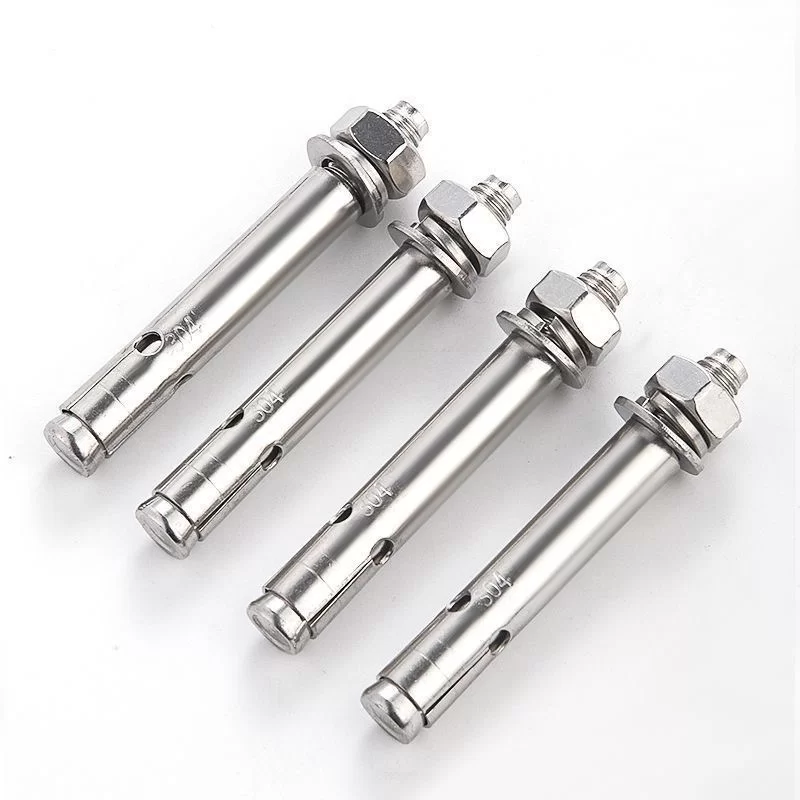
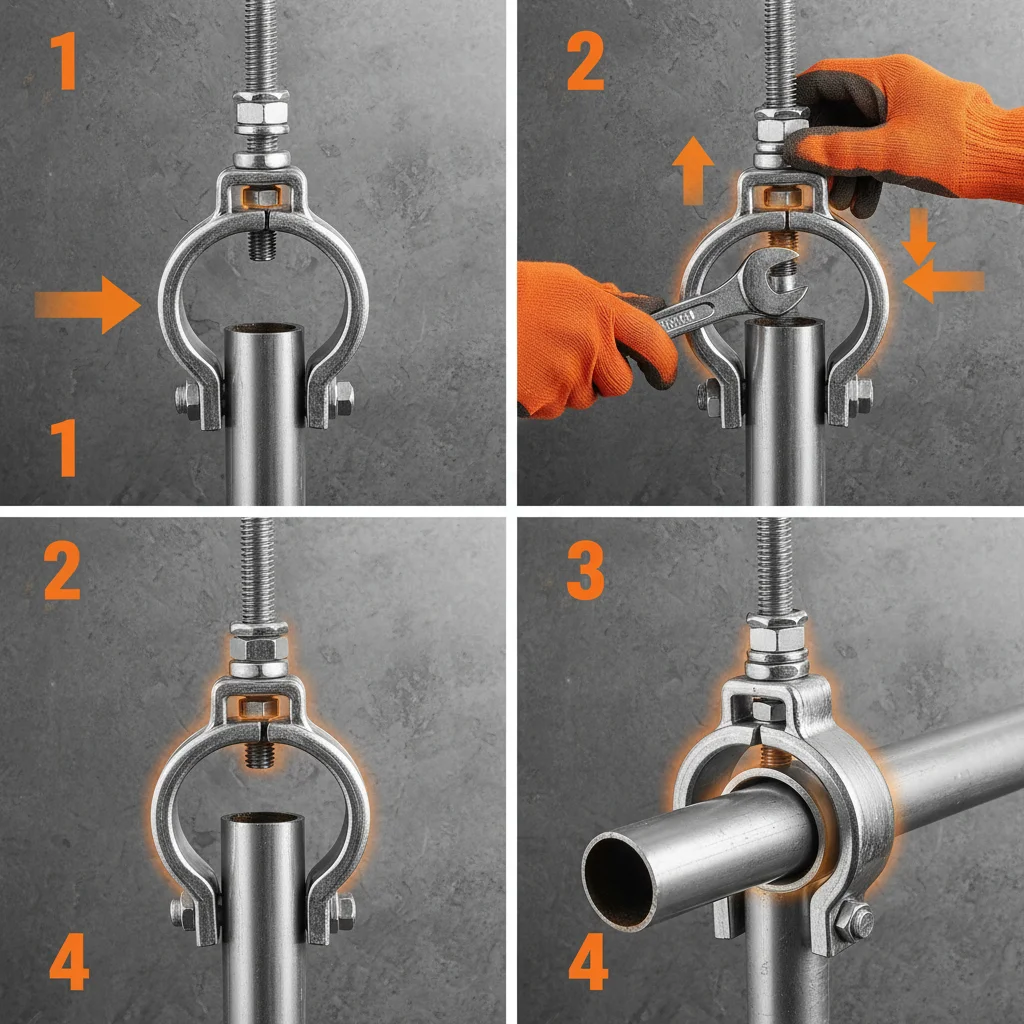
Understanding fastener price is crucial in today’s interconnected global economy. From large-scale infrastructure projects to everyday manufacturing, the cost of fasteners directly impacts project budgets, material selection, and overall product affordability. Fluctuations in fastener price can be indicators of broader economic trends, supply chain disruptions, and raw material costs. Efficiently managing fastener price is not simply about reducing expenses; it's about optimizing resource allocation and ensuring project viability across a diverse range of industries.
The global fastener market is substantial, valued at billions of dollars annually, with key producers in countries like China, Germany, the United States, and Japan. Data from the United Nations Comtrade database shows a consistent demand for fasteners across international trade, vital for sectors such as construction, automotive, and aerospace. Managing fastener price effectively enables businesses to maintain competitiveness, respond to market shifts, and avoid costly delays. fastener price analysis is a foundational element of responsible procurement.
Recognizing the importance of fastener price is paramount for manufacturers, engineers, and procurement professionals. Effective cost control in this area contributes significantly to the profitability of any project and the longevity of the finished products. A deeper understanding of the factors influencing fastener price empowers stakeholders to make informed decisions, driving innovation and economic growth.
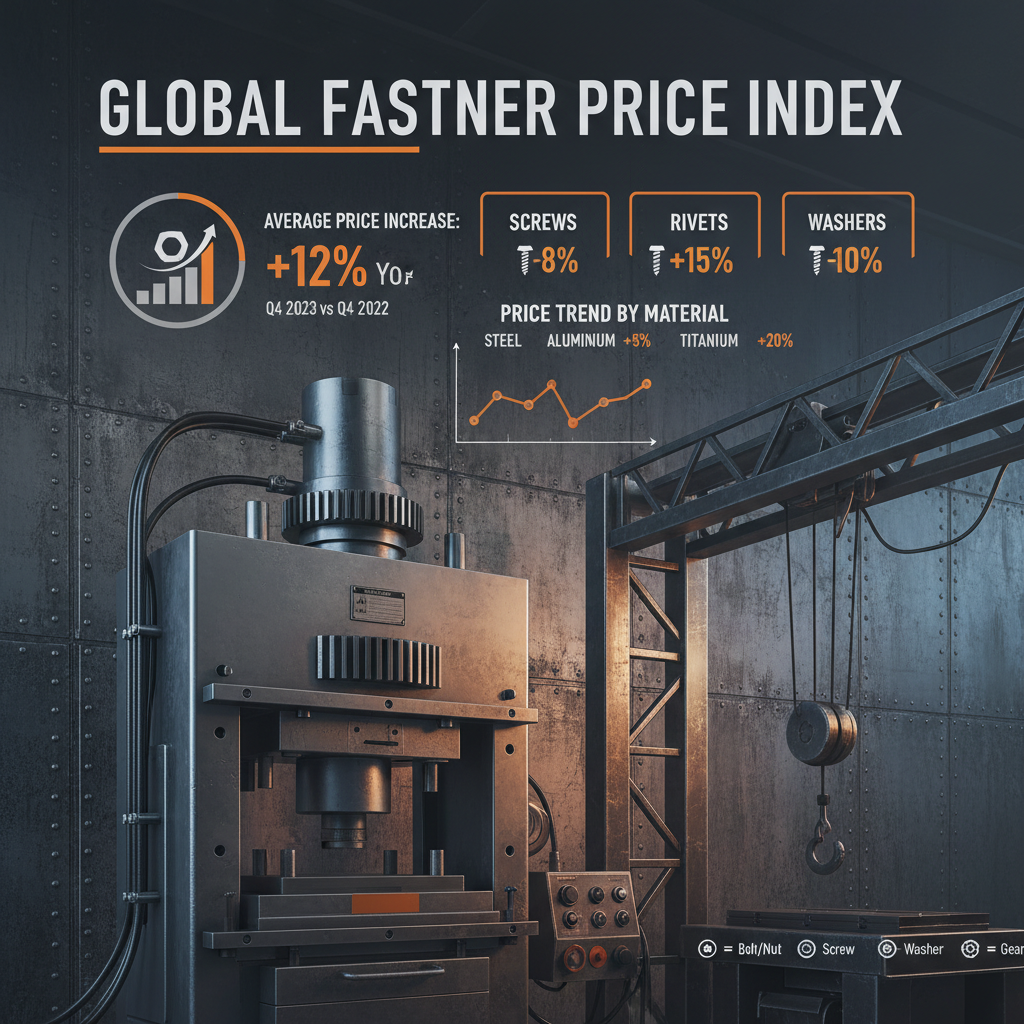
The Significance of Fastener Price
Fastener price isn't simply about the cost per unit; it's a complex interplay of materials, manufacturing processes, distribution networks, and market demand. Controlling fastener price is fundamental to managing overall project costs, particularly in large-scale applications like infrastructure development and automotive manufacturing. Understanding these dynamics allows for proactive budget planning and risk mitigation.
Effective fastener price management directly impacts a company’s profitability and its ability to compete in the global marketplace. By optimizing procurement strategies and identifying cost-saving opportunities, businesses can enhance their financial performance and invest in future growth. The fastener price often represents a significant portion of the Bill of Materials (BOM) for many products, making its analysis vital.
Defining Fastener Price
Fastener price refers to the total cost associated with acquiring a fastening component, encompassing not only the unit cost of the fastener itself but also associated expenses such as shipping, handling, import duties, and inspection costs. This broader definition acknowledges that the true cost of a fastener extends beyond the initial purchase price.
In modern industry, understanding fastener price is inextricably linked to supply chain resilience and risk management. Global events, geopolitical factors, and material shortages can all significantly impact fastener price, highlighting the need for proactive procurement strategies and diversified sourcing options. A clear definition of total cost allows for accurate comparisons between suppliers and informed decision-making.
The concept of fastener price has implications beyond mere economic considerations. Properly accounting for fastener price contributes to product safety and reliability, ensuring that quality standards are maintained without compromising budget constraints. This is particularly critical in applications where structural integrity is paramount, such as in aerospace or construction.
Core Components Influencing Fastener Price
Several key components drive fluctuations in fastener price. Raw material costs, particularly for steel, stainless steel, aluminum, and titanium, are major determinants. Global commodity markets and supply chain disruptions directly impact these costs. The manufacturing process, including forging, machining, and heat treatment, also contributes significantly to the final price.
Beyond materials and manufacturing, transportation costs, tariffs, and currency exchange rates all play a role. The geographic location of the supplier, the shipping method used (air, sea, or land), and prevailing trade policies all influence the final fastener price. Furthermore, the complexity of the fastener’s design and the required tolerances can also affect its cost.
Finally, volume discounts and long-term contracts can impact pricing. Suppliers often offer reduced rates for large orders or for customers who commit to ongoing business. Understanding these dynamics and negotiating favorable terms is crucial for effective fastener price management.
Global Applications of Fastener Price Management
Effective fastener price management is vital across numerous industries globally. In the construction sector, optimizing fastener costs directly impacts project budgets and profitability, particularly in large-scale infrastructure projects. In the automotive industry, lightweighting strategies and the use of advanced materials drive demand for specialized fasteners, necessitating careful price negotiation.
The aerospace industry demands high-precision fasteners with stringent quality control, leading to higher unit costs but also emphasizing the importance of long-term reliability. In post-disaster relief operations, rapidly sourcing affordable and reliable fasteners is essential for building temporary shelters and restoring infrastructure.
Even in remote industrial zones, access to competitively priced fasteners is critical for supporting manufacturing activities and economic development. Organizations like the World Bank often incorporate fastener price considerations into their infrastructure projects, ensuring efficient use of resources and maximizing impact.
Fastener Price Comparison by Procurement Method
Advantages and Long-Term Value of Understanding Fastener Price
The benefits of diligently managing fastener price extend far beyond immediate cost savings. By optimizing procurement strategies, companies can improve their overall financial performance, enhance their competitive edge, and build stronger relationships with suppliers. Lower fastener prices translate directly into reduced project costs and increased profitability.
Long-term value is realized through improved product quality and reliability. Investing in higher-quality fasteners, even if they carry a slightly higher initial price, can reduce the risk of failures, warranty claims, and costly repairs. A proactive approach to fastener price also contributes to sustainable sourcing practices, promoting responsible environmental stewardship and ethical labor standards.
Future Trends in Fastener Price and Procurement
Several emerging trends are poised to reshape the landscape of fastener price and procurement. The increasing adoption of digital technologies, such as e-procurement platforms and data analytics tools, will enhance transparency, streamline processes, and provide real-time insights into market pricing. Automation in manufacturing will also influence fastener price, potentially reducing labor costs and improving efficiency.
Furthermore, the growing emphasis on sustainability is driving demand for eco-friendly fasteners made from recycled materials or biodegradable polymers. This shift toward green procurement practices may initially increase costs, but it aligns with broader environmental goals and enhances brand reputation. Expect to see greater integration of blockchain technology for supply chain traceability, further improving transparency and accountability.
Challenges and Solutions in Fastener Price Optimization
Despite advancements in procurement practices, several challenges remain in optimizing fastener price. Supply chain disruptions, geopolitical instability, and fluctuating raw material costs can all create price volatility and uncertainty. Maintaining consistent quality control across multiple suppliers is another ongoing challenge.
To address these issues, companies should diversify their sourcing options, build strong relationships with key suppliers, and invest in risk management strategies. Leveraging data analytics to identify cost-saving opportunities and negotiating long-term contracts can also mitigate price fluctuations. Implementing robust quality assurance procedures is critical for ensuring product reliability and minimizing the risk of failures.
Adopting a collaborative approach with suppliers, sharing data, and fostering open communication can unlock mutually beneficial outcomes. Investing in employee training and development to enhance procurement expertise is also essential for long-term success.
Summary of Fastener Price Optimization Strategies
| Strategy |
Implementation Difficulty (1-10) |
Potential Cost Savings (%) |
Long-Term Impact |
| Supplier Diversification |
6 |
5-10 |
High |
| Long-Term Contracts |
4 |
8-15 |
Medium |
| E-Procurement Implementation |
7 |
3-7 |
Medium |
| Data Analytics for Price Forecasting |
8 |
5-12 |
High |
| Collaborative Supplier Relationships |
5 |
7-12 |
High |
| Value Engineering of Fastener Designs |
6 |
10-20 |
Medium |
FAQS
Several key factors contribute to fastener price fluctuations, including the cost of raw materials (steel, stainless steel, aluminum), global supply chain disruptions, energy prices, transportation costs, and currency exchange rates. Geopolitical events and changes in government regulations (such as tariffs) can also have a substantial impact. A comprehensive understanding of these factors is crucial for proactive procurement and risk management.
Effective negotiation requires thorough preparation and a clear understanding of market pricing. Obtain quotes from multiple suppliers, research current material costs, and leverage volume discounts. Build strong relationships with suppliers based on trust and open communication. Consider long-term contracts to secure favorable pricing, and be prepared to discuss alternative materials or designs to reduce costs without compromising quality.
Fastener quality significantly impacts overall cost in the long run. While lower-priced fasteners may seem appealing initially, they can lead to failures, warranty claims, and costly repairs. Investing in higher-quality fasteners reduces the risk of these issues, improving product reliability and minimizing lifecycle costs. Prioritizing quality over initial price is often a more cost-effective strategy.
Data analytics can provide valuable insights into fastener price trends, supplier performance, and potential cost-saving opportunities. By analyzing historical pricing data, companies can forecast future price movements and make informed procurement decisions. Data analytics can also help identify inefficient processes, optimize inventory levels, and negotiate better contracts with suppliers.
Diversifying your fastener supply chain reduces your reliance on a single supplier, mitigating the risk of disruptions caused by material shortages, natural disasters, or geopolitical events. Having multiple sourcing options ensures business continuity and provides leverage in price negotiations. A diversified supply chain also fosters competition among suppliers, leading to better pricing and service.
Sustainable sourcing, such as using recycled materials or opting for environmentally friendly manufacturing processes, can initially increase fastener price. However, it offers long-term benefits, including enhanced brand reputation, reduced environmental impact, and compliance with increasingly stringent regulations. Additionally, demand for sustainable fasteners is growing, potentially creating new market opportunities.
Conclusion
In conclusion, effectively managing fastener price is not merely a procurement task; it's a strategic imperative that influences project profitability, product reliability, and long-term sustainability. Understanding the core components driving fastener price, from raw material costs to supply chain dynamics, empowers businesses to make informed decisions and optimize their procurement strategies.
Looking ahead, embracing digital technologies, fostering collaborative supplier relationships, and prioritizing sustainable sourcing practices will be critical for navigating the evolving landscape of fastener price. By proactively addressing challenges and leveraging emerging trends, organizations can unlock significant value and maintain a competitive edge in the global marketplace. For detailed information and competitive fastener price comparisons, visit our website today.