

Clamps suppliers are essential components in a vast array of industries, from manufacturing and construction to automotive and aerospace. Their role in securing, positioning, and holding materials and workpieces during various processes cannot be overstated. The global demand for reliable and efficient clamping solutions continues to grow, driven by increasing industrialization and the need for precise and repeatable operations. Understanding the nuances of clamps suppliers – their types, materials, applications, and emerging technologies – is crucial for businesses seeking to optimize productivity and ensure product quality.
The importance of choosing the right clamps supplier extends beyond simply acquiring a functional product. It impacts project timelines, operational costs, and, critically, workplace safety. A robust supply chain for clamps ensures consistent availability, minimizing downtime and enabling smooth production flows. Moreover, collaborating with a knowledgeable clamps supplier can unlock access to expert advice, customized solutions, and innovative clamping technologies tailored to specific application requirements. This partnership is vital in today’s competitive landscape.
Ultimately, a dependable network of clamps suppliers is a cornerstone of modern industrial infrastructure. Their contribution is often unseen, yet foundational to the creation of the products and structures that shape our world. Recognizing the strategic value of these suppliers and investing in strong relationships is a key factor in achieving operational excellence and sustained growth.


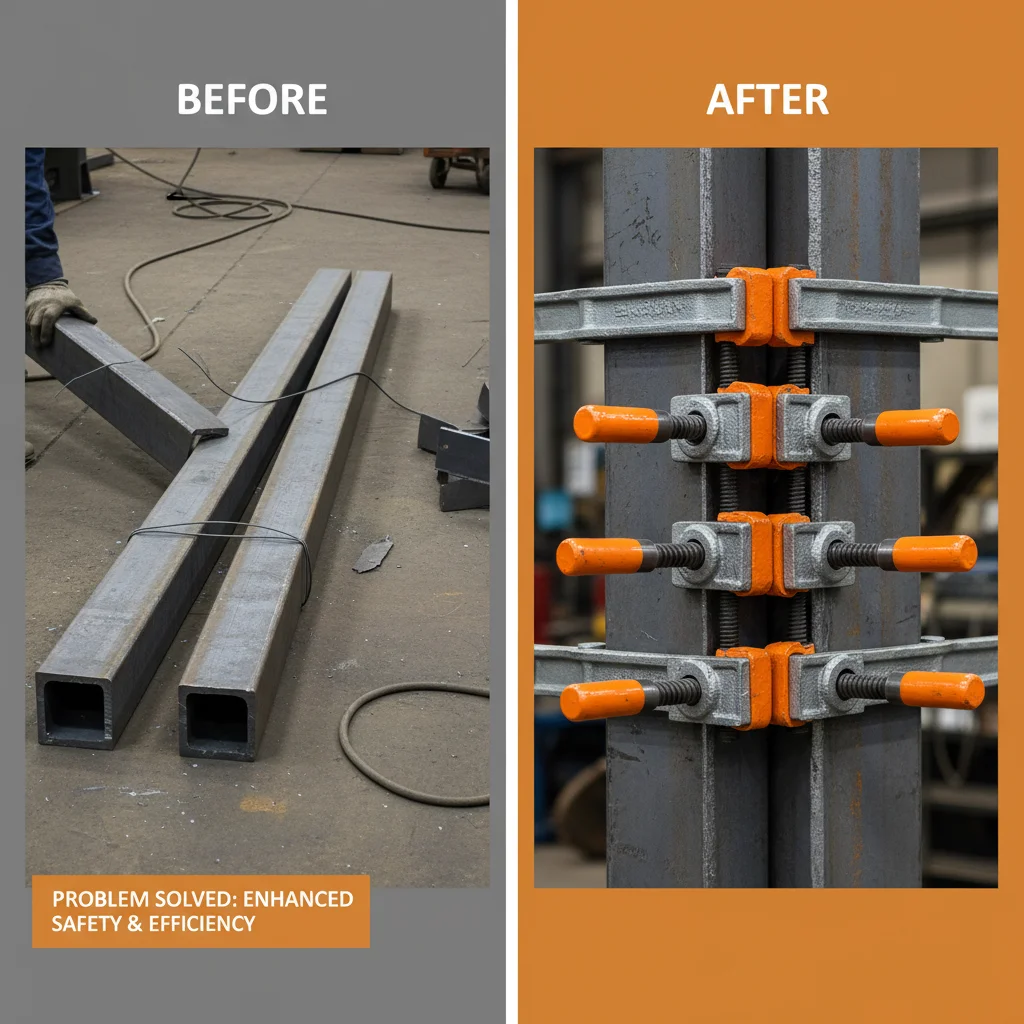
The reliability of manufacturing and construction projects often hinges on the quality and availability of clamping solutions. Effective clamps suppliers don’t simply provide products; they offer expertise in application, material selection, and safety protocols. A superior clamps supplier understands the diverse demands of their clientele and can offer tailored solutions to meet specific needs.
Furthermore, a strong relationship with clamps suppliers contributes to streamlined supply chains, reduced lead times, and minimized operational disruptions. Choosing a supplier dedicated to innovation and continuous improvement ensures access to the latest clamping technologies and best practices, ultimately enhancing efficiency and productivity.
When selecting a clamps supplier, prioritize product quality, material certifications, inventory levels, lead times, and customer support. Look for suppliers with a proven track record of reliability and a commitment to meeting industry standards. Also, consider their ability to provide customized solutions and technical expertise. A strong supplier will offer a range of clamp types and sizes to meet your specific needs, ensuring a long-term partnership built on trust and efficiency.
Ensure your clamps supplier provides certifications demonstrating compliance with relevant safety regulations, such as ISO standards or industry-specific certifications. Request material test reports (MTRs) to verify the chemical composition and mechanical properties of the clamps. Regularly inspect clamps for wear and tear, and replace any damaged or compromised components. A reputable supplier will readily provide documentation and guidance on safety protocols.
Lead times for custom-designed clamps vary depending on the complexity of the design, material availability, and the supplier’s production capacity. Typically, expect a lead time of 4-8 weeks for a custom design, including prototyping and manufacturing. Clear communication and early engagement with the supplier are crucial to minimizing lead times and ensuring timely delivery.
Common clamp materials include carbon steel, stainless steel (304, 316), aluminum, and cast iron. The choice of material depends on the application's specific requirements, such as load capacity, corrosion resistance, and temperature range. Stainless steel is preferred for corrosive environments, while aluminum offers a lightweight solution. Carbon steel is a cost-effective option for general-purpose applications.
Determining the correct clamping force requires considering factors such as the workpiece material, size, shape, and the type of operation being performed. Consult with a qualified engineer or your clamps supplier for guidance. Using excessive clamping force can damage the workpiece, while insufficient force may lead to instability. Proper clamping force ensures secure workpiece positioning and optimal process performance.
Regular maintenance is crucial for extending the lifespan of clamps. This includes cleaning clamps to remove dirt and debris, lubricating moving parts, and inspecting for wear and tear. Replace any damaged or worn components promptly. Proper storage in a dry environment also helps prevent corrosion. Following the supplier’s recommendations for maintenance will maximize clamp performance and reliability.
In conclusion, reliable clamps suppliers are more than just providers of hardware; they are integral partners in driving efficiency, safety, and innovation across a diverse range of industries. By prioritizing quality, responsiveness, and technical expertise, these suppliers empower businesses to optimize their operations and achieve sustainable growth. Choosing the right clamps supplier is a strategic investment that yields significant long-term benefits.
Looking ahead, the clamping industry will continue to evolve with advancements in materials science, automation, and data analytics. Embracing these emerging technologies and fostering strong relationships with forward-thinking clamps suppliers will be essential for staying competitive and adapting to the demands of the future. We encourage you to explore the diverse solutions available and partner with a supplier who understands your unique needs. Visit our website: www.topfastener.com



Hit enter to search or ESC to close


