The global demand for robust and reliable fastening solutions is constantly increasing, driven by expansion in construction, manufacturing, and infrastructure projects. A specialized clamps factory plays a critical role in meeting this demand, supplying essential components for numerous industries. Understanding the nuances of clamps production – from material selection to quality control – is vital for ensuring project safety, efficiency, and longevity. Efficient clamps factories are the backbone of countless structures and mechanisms worldwide.
The significance of a specialized clamps factory extends beyond simply providing a product; it encompasses engineering expertise, customizable solutions, and adherence to stringent industry standards. The quality and precision of clamps directly impact the integrity of the assembled systems, making the selection of a reputable and capable manufacturer paramount. With increasing complexity in engineering design, the role of these factories in delivering specialized and high-performance components is becoming even more crucial.
Investing in understanding the capabilities and best practices of clamps factory suppliers is not just a purchasing decision – it’s a strategic investment in the success and durability of any project requiring secure fastening. From automotive assembly to aerospace engineering, the right clamp, expertly produced, can mean the difference between performance and failure. This necessitates a proactive approach to sourcing and quality assurance.

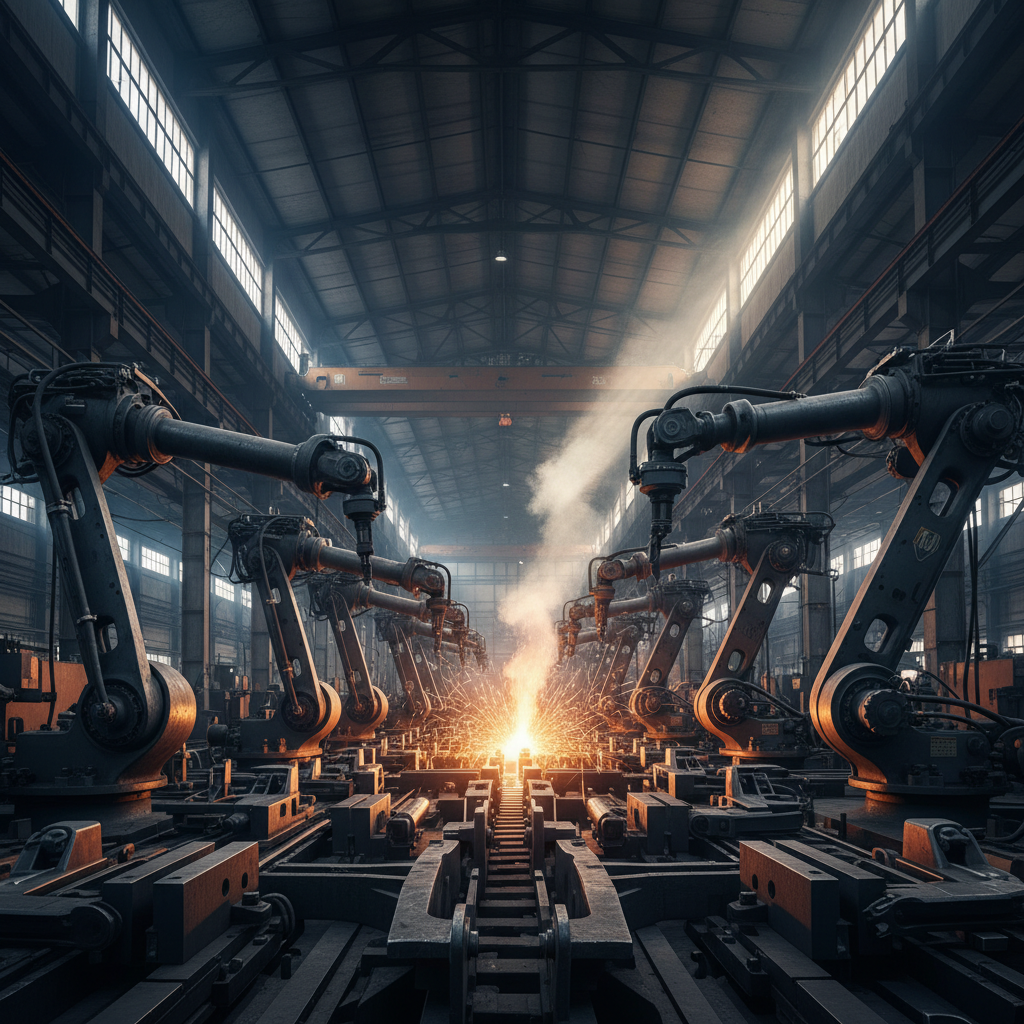
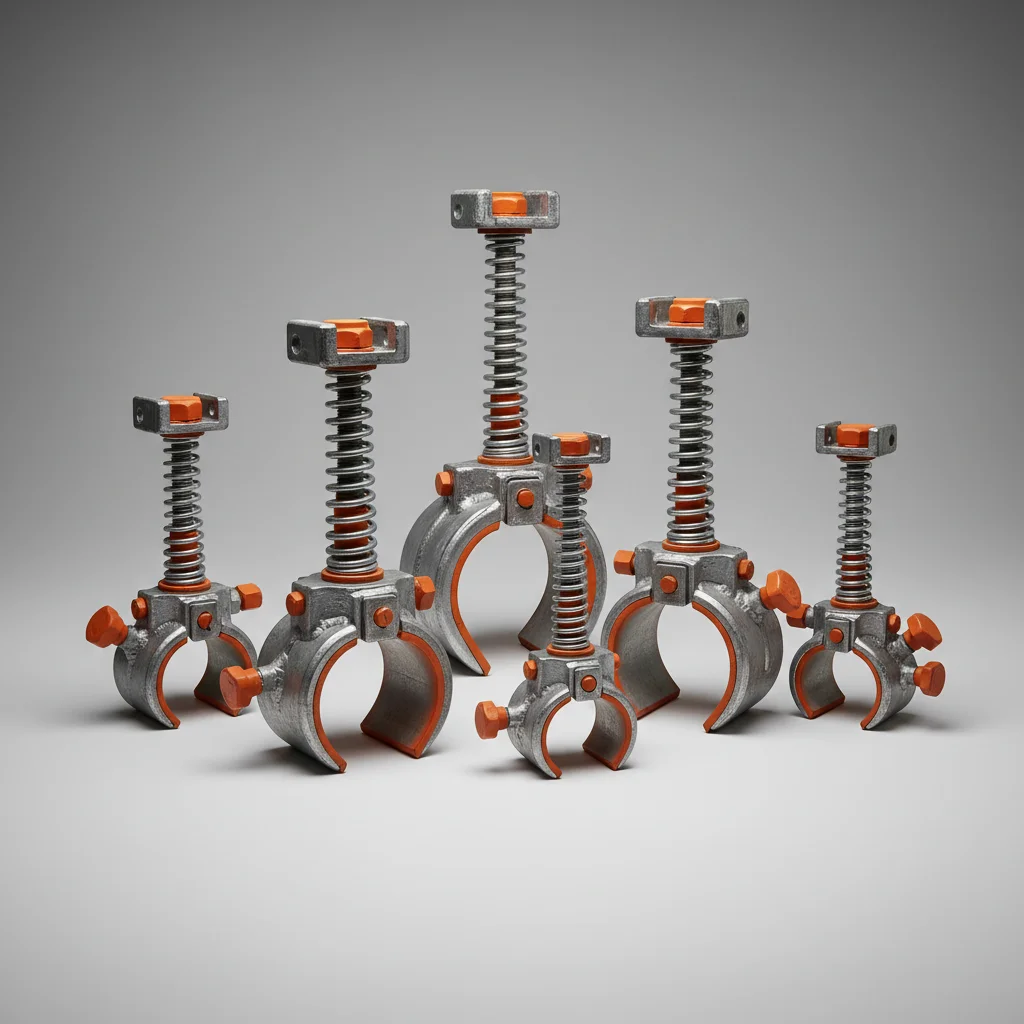
A clamps factory is a specialized manufacturing facility dedicated to the production of clamping devices used to securely hold or position objects. These factories range in size and complexity, from small workshops producing basic clamps to large-scale operations employing advanced automation and sophisticated quality control systems. The core function of any clamps factory is to transform raw materials into reliable and precise clamping solutions.
These factories are essential to a vast network of industries, supplying everything from simple spring clamps to complex hydraulic and pneumatic clamping systems. The ability to produce clamps with specific load capacities, materials, and configurations is critical, as the application dictates the precise requirements. A well-equipped clamps factory prioritizes precision, durability, and adherence to safety standards.
The demand for clamps is globally distributed, mirroring the locations of manufacturing, construction, and infrastructure development. Regions experiencing rapid industrialization, such as Southeast Asia and parts of South America, exhibit particularly strong growth in demand. According to industry reports, the global clamps market is estimated to reach billions of dollars in the coming years, driven by increased automation and stricter safety regulations. clamps factory capacity is crucial for supporting this growth.
Industry standards, such as those set by ISO (International Organization for Standardization) and ASTM International, play a vital role in ensuring the quality and reliability of clamps. These standards specify material composition, testing procedures, and performance criteria. Compliance with these standards is essential for clamps factory seeking to export products internationally and maintain a reputation for excellence.
The United Nations Economic Commission for Europe (UNECE) regulations also influence clamp production, particularly in the automotive sector, mandating specific safety and performance requirements. These regulations emphasize the importance of traceability and rigorous testing, highlighting the need for robust quality control systems within clamps factory operations.
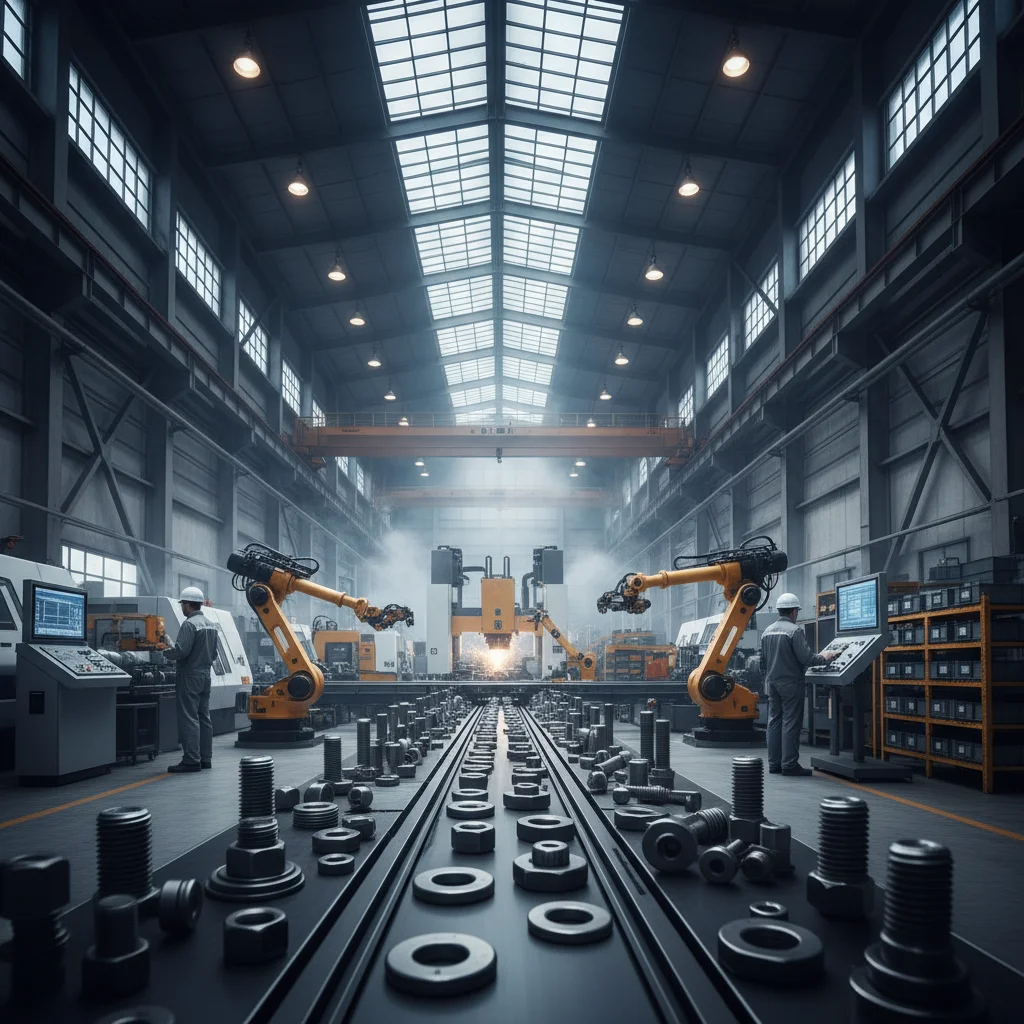
A modern clamps factory isn’t simply a production floor; it’s an integrated system encompassing design, engineering, manufacturing, quality control, and logistics. It leverages technologies like CAD/CAM software for precision design and CNC machining for accurate manufacturing. Advanced materials science is employed to select the optimal alloys and polymers for specific applications, ensuring durability and corrosion resistance.
Central to a modern facility is a commitment to lean manufacturing principles, minimizing waste and maximizing efficiency. This includes streamlined production processes, just-in-time inventory management, and continuous improvement initiatives. A key characteristic is the ability to offer customized solutions, adapting clamp designs to meet the unique requirements of individual customers. This requires a flexible manufacturing system and a skilled engineering team.
Furthermore, sustainability is becoming increasingly important, with modern clamps factory adopting eco-friendly practices, such as reducing energy consumption, minimizing waste generation, and using recycled materials wherever possible. This commitment to environmental responsibility enhances the factory’s reputation and aligns with global sustainability goals.
The production of clamps relies on several key components, each contributing to the final product's quality and performance. Material selection is paramount, with options including carbon steel, stainless steel, aluminum, and various polymers, each chosen for its specific strength, corrosion resistance, and temperature tolerance. The clamps factory must carefully manage material sourcing and quality control.
Manufacturing processes typically involve forging, casting, machining, and finishing. Forging and casting create the initial clamp shape, while machining refines dimensions and creates precise features. Finishing processes, such as plating, coating, and polishing, enhance corrosion resistance and aesthetic appeal. Advanced manufacturing technologies, such as 3D printing, are also emerging as viable options for producing complex clamp designs.
The applications of clamps are incredibly diverse, spanning nearly every industry. In the automotive sector, clamps secure hoses, cables, and structural components, ensuring vehicle safety and reliability. In aerospace, high-precision clamps are used to fasten critical engine and airframe components, where failure is not an option. A specialized clamps factory caters to these specific demands.
Construction relies heavily on clamps for scaffolding, formwork, and pipe supports. Manufacturing processes utilize clamps for workholding, assembly, and fixturing. Even in the medical field, clamps are used in surgical instruments and medical devices. The versatility of clamp technology makes it indispensable across a broad spectrum of applications.
Investing in high-quality clamps from a reputable clamps factory offers numerous long-term advantages. Cost savings are realized through reduced downtime, minimized maintenance, and improved operational efficiency. Durable clamps require less frequent replacement, lowering lifecycle costs.
Furthermore, utilizing reliable clamping solutions enhances safety, reducing the risk of accidents and equipment failures. The use of corrosion-resistant materials extends the lifespan of the clamps and the equipment they secure, promoting sustainability. A commitment to quality clamps fosters trust and confidence in the overall system.
The long-term value proposition extends beyond purely economic considerations. The peace of mind that comes with knowing critical components are securely fastened contributes to a more stable and reliable operation, fostering innovation and driving growth.
The future of clamps factory is marked by several key trends. Automation and robotics are being increasingly integrated into production processes, enhancing efficiency and reducing labor costs. The use of advanced materials, such as lightweight composites and self-locking alloys, is expanding the capabilities of clamping solutions.
Digitalization, including the implementation of IoT (Internet of Things) sensors and data analytics, is enabling predictive maintenance and optimized performance monitoring. Sustainability is driving the development of eco-friendly manufacturing processes and the use of recycled materials. These innovations are reshaping the industry and positioning clamps factory for continued success.
Additive manufacturing (3D printing) holds immense potential for creating customized clamps with complex geometries and optimized performance characteristics. This will allow for on-demand production and reduced lead times, revolutionizing the way clamps are designed and manufactured.
Common materials include carbon steel, stainless steel, aluminum alloys, and various polymers like nylon and polypropylene. The selection depends on the application's requirements for strength, corrosion resistance, temperature tolerance, and cost. Specialized clamps factory will often work with clients to determine the best material for a specific need.
Quality control is paramount. It involves rigorous inspection throughout the entire production process, from raw material verification to final product testing. Common tests include tensile strength testing, hardness testing, corrosion resistance testing, and dimensional accuracy checks. A robust quality control system ensures that the clamps meet specified standards and perform reliably.
Clamps play a critical role in workplace safety by securely holding components in place during assembly, machining, and other operations. Proper clamping prevents slippage, movement, and potential hazards. Utilizing high-quality clamps from a reputable clamps factory reduces the risk of accidents and injuries.
Additive manufacturing (3D printing) is gaining traction, allowing for the creation of complex clamp designs and customized solutions. Automation and robotics are improving efficiency and reducing labor costs. IoT sensors are enabling real-time monitoring of clamp performance and predictive maintenance. Advanced materials are also being explored for improved strength and durability.
Carefully consider the load capacity, operating temperature, environmental conditions, and material compatibility requirements of your application. Consult with a reputable clamps factory to discuss your specific needs and obtain expert advice on the most appropriate clamp type and material. Providing detailed specifications is crucial for ensuring a proper fit and optimal performance.
Look for certifications such as ISO 9001 (Quality Management System), demonstrating a commitment to consistent product quality. Depending on the industry, certifications like IATF 16949 (Automotive Quality Management System) may also be important. These certifications indicate that the clamps factory adheres to internationally recognized standards.
In conclusion, a specialized clamps factory is a vital component of the global manufacturing ecosystem, supplying essential components that underpin countless industries. From material selection and advanced manufacturing techniques to stringent quality control and a commitment to sustainability, these factories play a critical role in ensuring safety, reliability, and efficiency. Understanding the nuances of this industry is paramount for anyone involved in design, engineering, or procurement.
Looking ahead, the future of clamps factory will be shaped by ongoing innovation in materials, automation, and digitalization. Embracing these trends will be crucial for maintaining competitiveness and meeting the evolving demands of a rapidly changing world. Investing in high-quality clamping solutions is not just a cost – it's a strategic investment in long-term performance and success. Visit our website at www.topfastener.com to learn more.
Hit enter to search or ESC to close
If you are interested in our products, you can choose to leave your information here, and we will be in touch with you shortly.