In the complex world of industrial piping systems, the stability and alignment of conduits are paramount to operational safety. spiral pipe hangers serve as a critical engineering solution, designed to support heavy-duty piping while allowing for the natural thermal expansion and contraction that occurs in high-temperature environments. By utilizing a spiral geometry, these hangers mitigate the risk of structural fatigue and pipe warping, ensuring that industrial infrastructure remains resilient under extreme pressure.
Globally, the demand for sophisticated support systems has surged as petrochemical plants, power stations, and pharmaceutical facilities scale their operations. The integration of high-grade spiral pipe hangers allows engineers to maintain precise tolerances and reduce the frequency of costly maintenance shutdowns. This is not merely a matter of convenience but a safety imperative; a single failure in a pipe support can lead to catastrophic leaks or system-wide collapses in volatile industrial zones.
Understanding the technical nuances of these components—from material composition to load-bearing capacity—is essential for procurement managers and project engineers. By optimizing the choice of supports, companies can significantly extend the lifecycle of their piping networks and ensure compliance with international safety standards such as ISO and ASME. This guide explores the comprehensive utility, application, and future evolution of spiral pipe hangers in the modern manufacturing landscape.
Global Relevance and Industrial Context of Spiral Pipe Hangers
On a global scale, the infrastructure for energy and chemical transport is undergoing a massive transition toward higher efficiency and stricter safety protocols. spiral pipe hangers have become indispensable in this context, particularly in regions like the Middle East and East Asia, where massive industrial hubs operate under extreme thermal fluctuations. The ability of these hangers to absorb movement prevents the buildup of axial stress, which is a primary cause of pipe failure in large-scale plants.
According to industry benchmarks and ISO quality standards, the implementation of precision-engineered support systems can reduce unplanned downtime by up to 15%. The challenge remains in the diversity of piping materials—ranging from carbon steel to exotic alloys—which requires a versatile support solution. Spiral hangers bridge this gap by providing a scalable and adaptable method of suspension that caters to both rigid and flexible piping requirements.
Defining the Mechanics of Spiral Pipe Hangers
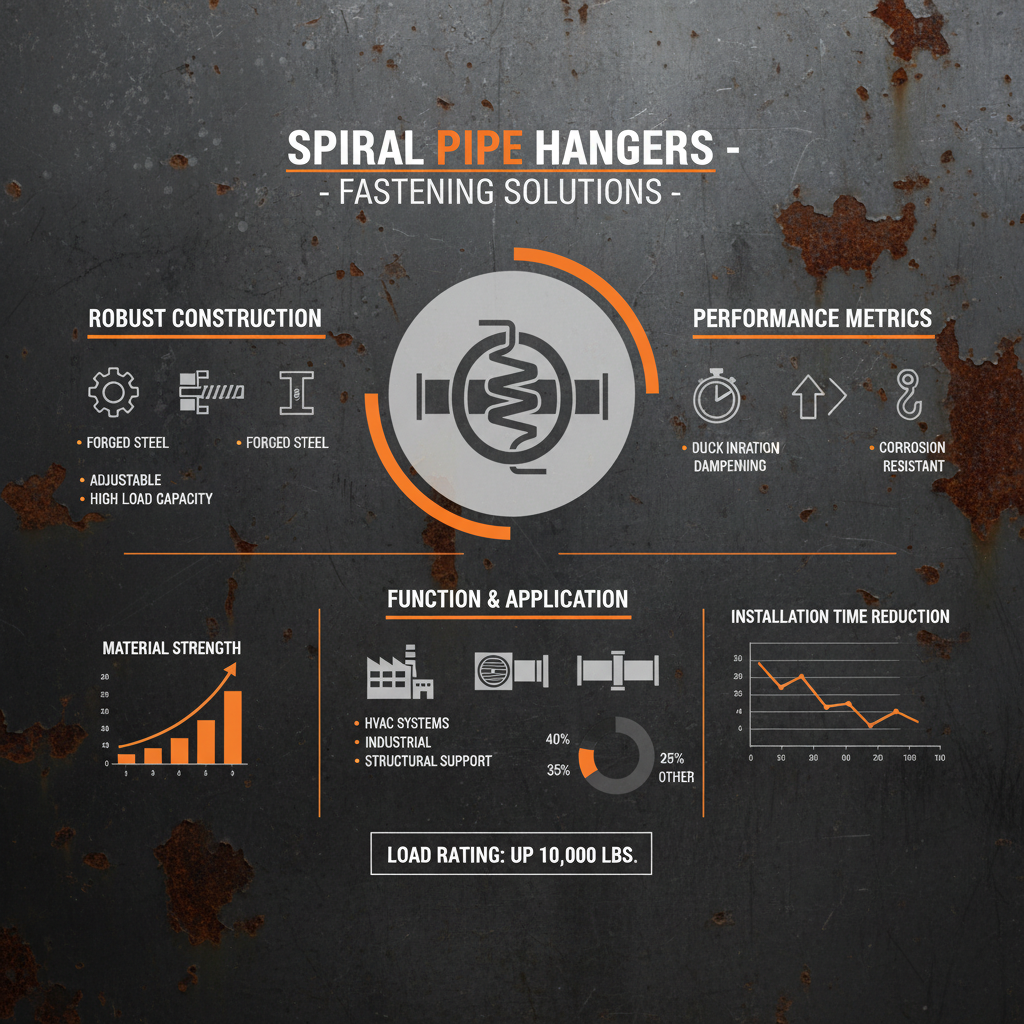
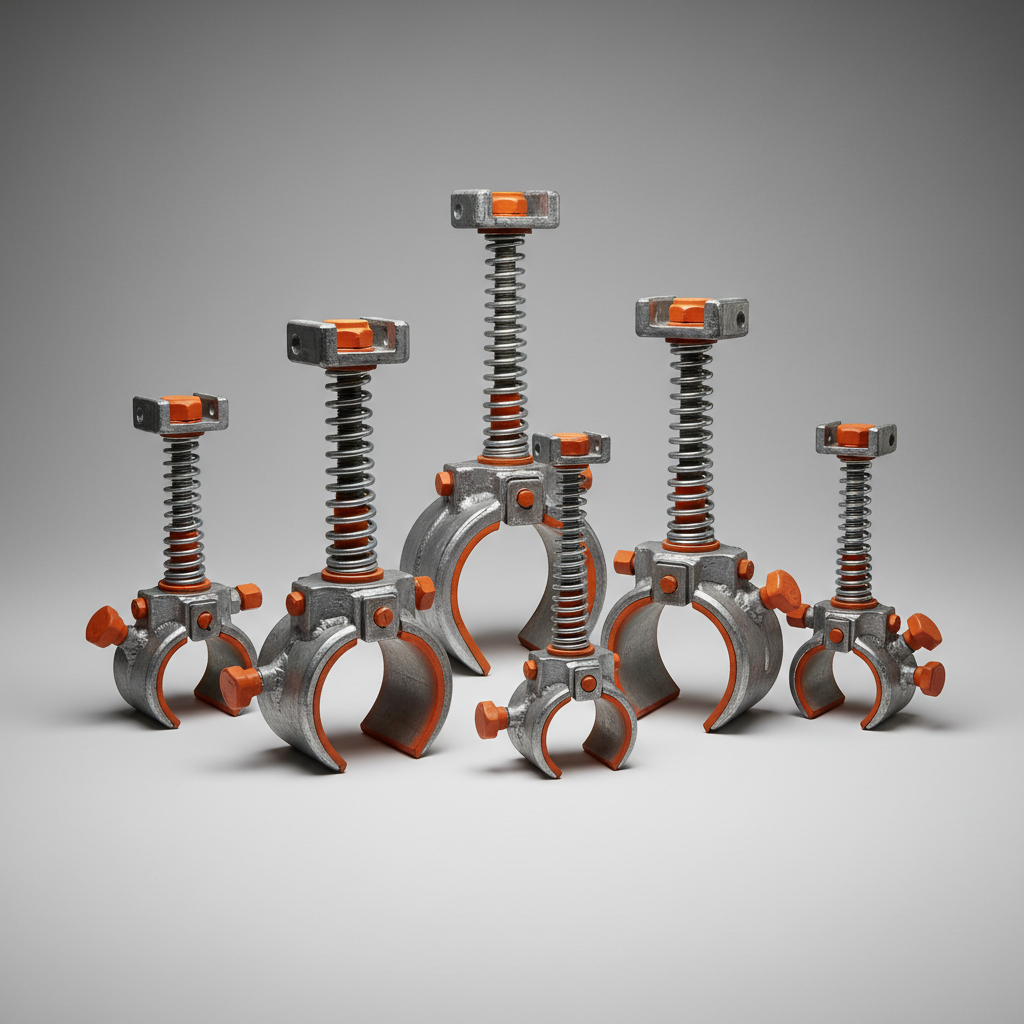
At its most basic level, spiral pipe hangers are specialized suspension devices that utilize a helical or spiral spring mechanism to support the weight of a pipe while allowing it to move vertically. Unlike rigid hangers, which lock a pipe in place and can cause it to buckle during thermal expansion, the spiral design acts as a shock absorber. This ensures that the weight of the piping is consistently supported regardless of the temperature-induced change in position.
This mechanical flexibility is crucial for modern humanitarian and industrial needs, especially in the construction of hospitals, water treatment plants, and power grids in seismically active zones. By decoupled the pipe's movement from the building's structural frame, spiral hangers protect the integrity of the entire facility. They transform a potential point of failure into a controlled variable, ensuring that critical fluids—whether they be medical gases or cooling water—continue to flow without interruption.
From a manufacturing perspective, these components are typically forged from high-tensile spring steel or stainless steel to prevent corrosion and fatigue. The "spiral" aspect refers to the coil that stores and releases energy, providing a constant force that counters the gravitational load of the pipe. This precision engineering ensures that the piping system remains in a state of equilibrium, which is vital for the longevity of connected valves and pumps.
Core Components and Engineering Factors
When evaluating spiral pipe hangers, the most critical factor is Load Capacity. This refers to the maximum weight the spring can support without permanent deformation. Engineers must calculate the "dead load" (the weight of the pipe and fluid) and the "live load" (temporary pressures) to select a hanger with the correct spring rate, ensuring the system doesn't sag or over-tension.
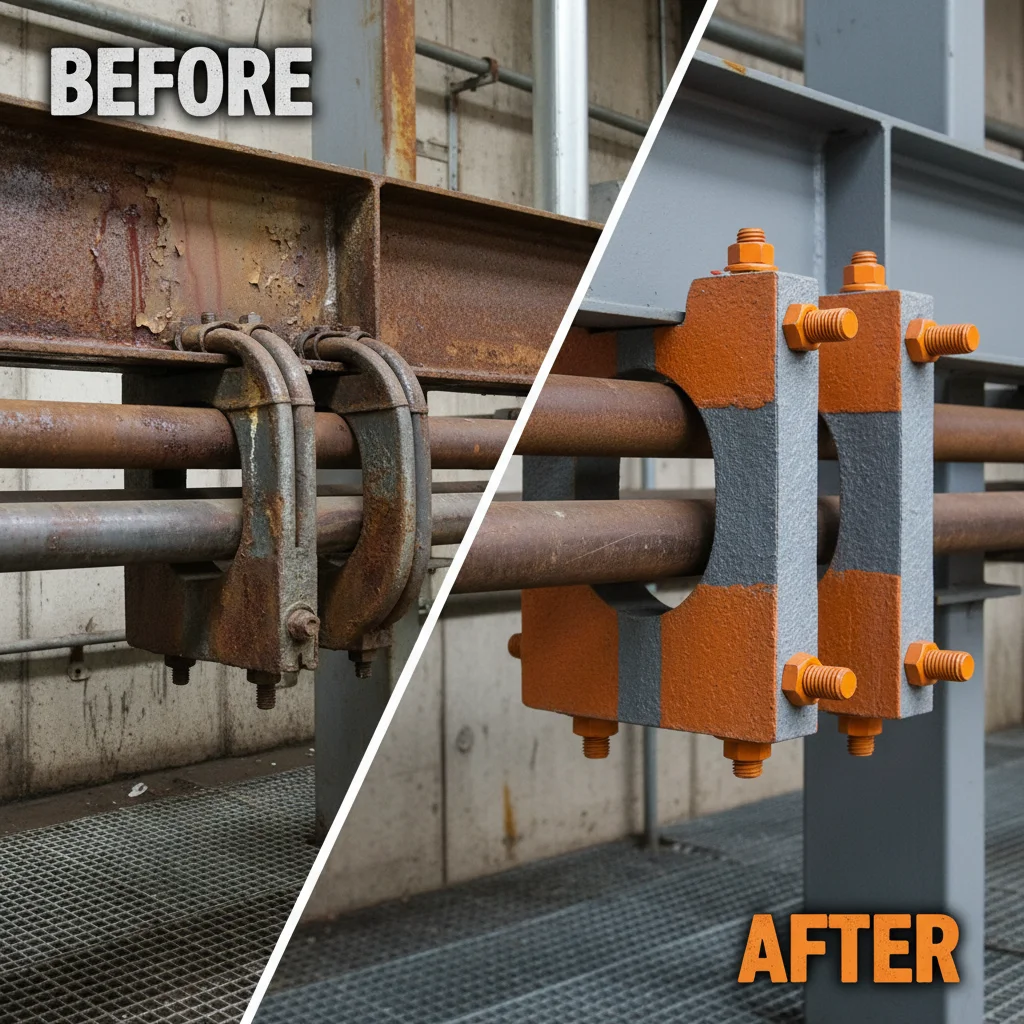
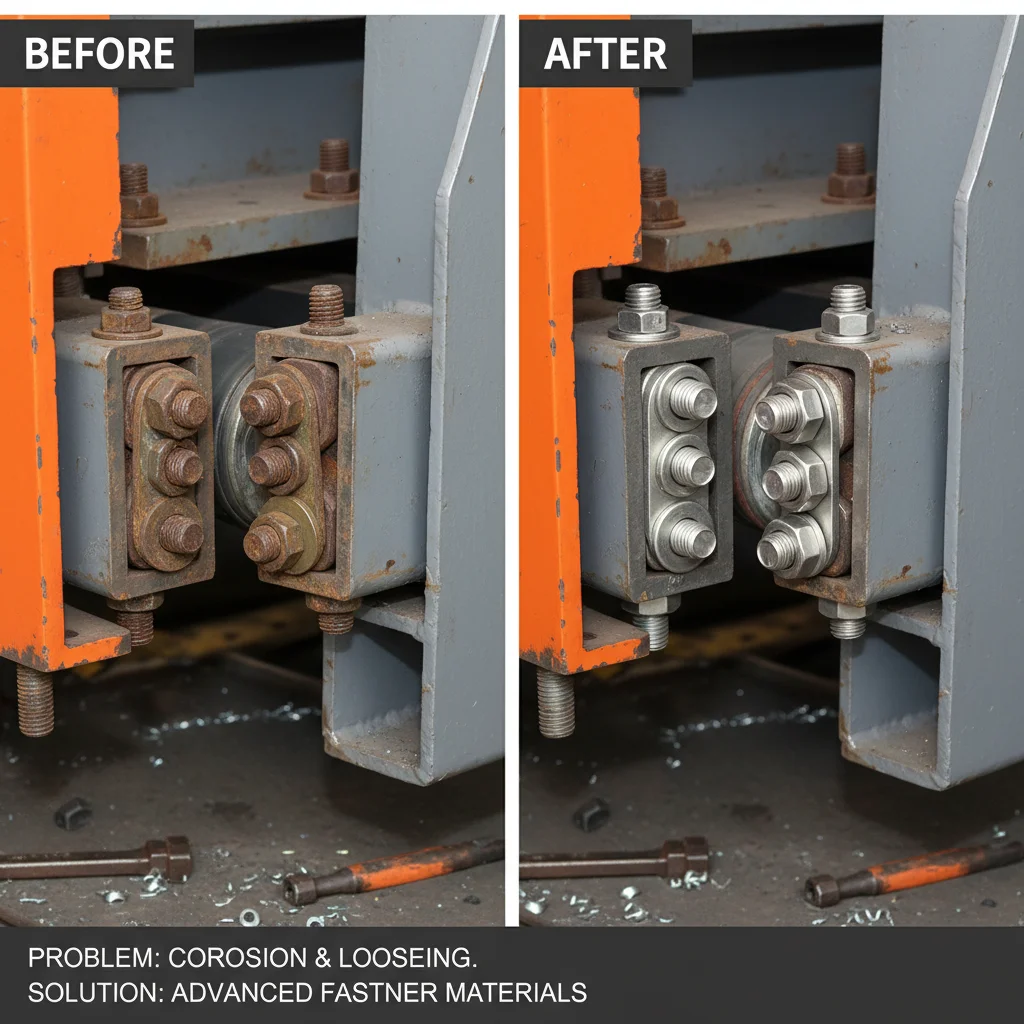
Material Durability is the second pillar of design. Given that many piping systems operate in corrosive environments—such as saltwater in offshore rigs or acidic vapors in chemical plants—the use of galvanized coatings or 316-grade stainless steel in spiral pipe hangers is non-negotiable. This prevents oxidation and ensures that the spring maintains its elasticity over decades of service.
Finally, Adjustability and Scalability allow these hangers to be tuned after installation. Through the use of adjustment nuts and load-indicating markers, technicians can fine-tune the tension to account for real-world deviations in pipe alignment. This flexibility makes them far superior to fixed brackets in complex layouts where millimeter-perfect installation is often hindered by site constraints.
Global Applications and Sector Use Cases
The practical application of spiral pipe hangers spans across nearly every heavy industrial sector. In the oil and gas industry, these supports are used in refineries to manage the massive thermal expansion of steam lines. In remote industrial zones, such as mining operations in Western Australia or the Canadian Arctic, the ability of these hangers to withstand extreme ambient temperature swings prevents the pipes from snapping due to contraction.
Beyond heavy industry, they play a vital role in urban infrastructure. For instance, in large-scale HVAC systems for skyscrapers in New York or Dubai, spiral hangers ensure that large diameter chilled water pipes do not put undue stress on the building's steel skeleton. In post-disaster relief operations, modular piping for water purification often utilizes simplified versions of these supports to allow for rapid deployment and adjustment on uneven terrain.
Performance Analysis of Spiral Pipe Hangers Types
Long-Term Advantages and Economic Value
The primary long-term value of spiral pipe hangers lies in the dramatic reduction of "Life Cycle Cost" (LCC). While the initial procurement cost may be higher than simple U-bolts or clamps, the reduction in pipe fatigue and the elimination of expensive expansion joints in certain sections of the line lead to massive savings. By preventing stress-induced leaks, these hangers reduce the risk of environmental fines and hazardous material spills.
From an emotional and psychological standpoint, the use of high-quality supports provides "engineering peace of mind." Facility managers can trust that their systems are safe even during peak load periods or extreme weather events. This reliability fosters trust between contractors and clients, as it demonstrates a commitment to innovation and safety rather than just meeting the minimum regulatory requirements.
Future Trends in Pipe Support Innovation
The future of spiral pipe hangers is closely tied to the digital transformation of industry, specifically "Industry 4.0." We are seeing the emergence of "Smart Hangers" equipped with embedded strain gauges and IoT sensors. These sensors can transmit real-time data regarding the load and position of the pipe, allowing for predictive maintenance where a hanger is replaced before it fails, rather than after a leak occurs.
Sustainability is also driving material innovation. There is a shift toward using recycled high-strength alloys and eco-friendly anti-corrosion coatings that eliminate toxic chromium processes. As the world moves toward green hydrogen energy, the piping systems will need to handle different pressure profiles and temperatures, necessitating a new generation of spiral hangers that are even more resilient and thermally stable.
Automation in manufacturing is further refining the precision of these components. Additive manufacturing (3D printing) is being explored to create custom spring geometries that are optimized for specific weight-to-movement ratios, allowing for a bespoke fit that traditional forging cannot achieve. This customization will likely reduce the overall weight of support systems without compromising safety.
Overcoming Implementation Challenges
Despite their advantages, implementing spiral pipe hangers often comes with challenges, primarily related to incorrect specification. Many projects suffer from "over-engineering," where hangers are too stiff for the required movement, or "under-engineering," where the spring bottoms out under full load. The solution lies in rigorous piping stress analysis software that simulates thermal movement before a single hanger is purchased.
Another common limitation is the difficulty of installation in tight spaces. When pipes are crowded in a gallery, accessing the adjustment nuts of a spiral hanger can be a logistical nightmare. To overcome this, innovative "remote-adjustment" designs are being introduced, allowing technicians to calibrate the support from a safer, more accessible location.
Finally, there is the challenge of long-term monitoring. Because hangers are often tucked away in ceilings or industrial basements, corrosion can go unnoticed. The industry is solving this through the adoption of advanced coatings and scheduled ultrasonic testing, ensuring that the internal integrity of the spring remains intact throughout its service life.
Comparative Analysis of Spiral Pipe Hanger Technical Specifications
| Hanger Material |
Load Stability |
Corrosion Resistance |
Recommended Application |
| Carbon Steel (Galv) |
High (8/10) |
Medium (5/10) |
Indoor Dry HVAC |
| Stainless 304 |
Medium (7/10) |
High (8/10) |
Food & Beverage |
| Stainless 316 |
Medium (7/10) |
Very High (10/10) |
Marine/Offshore |
| Chrome-Moly Alloy |
Very High (10/10) |
Medium (6/10) |
High-Temp Steam |
| Epoxy Coated Steel |
High (8/10) |
High (8/10) |
Chemical Processing |
| Nickel Alloy |
Very High (9/10) |
Maximum (10/10) |
Extreme Acidic Env |
FAQS
The primary difference is movement. A rigid hanger fixes the pipe in a specific position, which can lead to pipe buckling or joint failure during thermal expansion. spiral pipe hangers use a spring mechanism to support the pipe's weight while allowing it to move vertically, absorbing the stress caused by temperature changes and protecting the system's integrity.
To determine the load, you must calculate the total weight of the pipe section, including the weight of the fluid it carries and any insulation. This is the "dead load." You should then apply a safety factor (typically 1.5x to 2x) and consult a piping stress analysis report to ensure the spring rate of the hanger matches the expected vertical movement of the system.
Yes, provided the correct material is selected. For standard outdoor use, galvanized steel is often sufficient. However, for highly corrosive environments like coastal areas or chemical plants, stainless steel (316 grade) or specialized epoxy coatings are recommended to prevent rust and maintain the spring's elasticity over time.
Inspection frequency depends on the criticality of the system. For high-pressure steam or volatile chemical lines, a quarterly visual inspection is recommended. For general HVAC, an annual check is sufficient. Key points of inspection include checking for signs of corrosion, ensuring the spring hasn't bottomed out, and verifying that adjustment nuts are still secure.
While the initial purchase price of spiral pipe hangers is higher than simple clamps or hangers, they offer a lower Total Cost of Ownership (TCO). They reduce the need for expensive expansion joints and significantly lower the risk of pipe failure, which can save companies millions in emergency repairs and lost production.
Yes, one of the biggest advantages of spiral hangers is their post-installation adjustability. Most models feature an adjustment nut or bolt that allows technicians to raise or lower the pipe support to achieve perfect alignment and load distribution without needing to disassemble the piping network.
Conclusion
In summary, spiral pipe hangers represent a critical fusion of mechanical engineering and industrial safety. By addressing the fundamental challenge of thermal expansion and structural load, these components ensure that global infrastructure—from petrochemical plants to urban skyscrapers—remains stable, efficient, and safe. The shift toward smarter materials and IoT-integrated monitoring further cements their role as a cornerstone of modern piping systems, providing long-term economic value through reduced maintenance and enhanced reliability.
As industries continue to push the boundaries of temperature and pressure, the reliance on precision-engineered supports will only grow. For engineers and procurement specialists, the key to success lies in moving beyond a "lowest-cost" mentality toward a "life-cycle value" approach. Investing in high-quality spiral supports today is the most effective way to guarantee the operational continuity of tomorrow's industrial landscape. Visit our website for professional solutions: www.topfastener.com