Fastener material, encompassing the substances used to create bolts, screws, rivets, and other joining elements, is a foundational aspect of modern infrastructure and manufacturing. Its selection dictates structural integrity, longevity, and the overall performance of assembled products. From the colossal structures of skyscrapers and bridges to the intricate components of electronics and aerospace systems, the appropriate fastener material is paramount. Understanding the nuances of these materials – their strengths, weaknesses, and specific applications – is crucial for engineers, designers, and anyone involved in the creation and maintenance of physical systems.
Globally, the fastener industry is a multi-billion dollar market experiencing steady growth, driven by construction, automotive, and industrial expansion. The United Nations Industrial Development Organization (UNIDO) highlights the importance of robust supply chains for industrial development, and quality fasteners are a key component of those chains. The increasing demand for high-performance, corrosion-resistant, and lightweight fastener materials reflects a broader shift towards sustainability and efficiency in manufacturing processes. Ensuring consistent quality and availability of these essential materials is a significant challenge, particularly in rapidly developing economies.
This demand for optimal fastener material is further intensified by the need for enhanced safety standards, especially in critical applications like aerospace and medical devices. Failures in fasteners can have catastrophic consequences, leading to structural collapse, equipment malfunction, or even loss of life. Therefore, a thorough understanding of fastener material properties, manufacturing processes, and testing procedures is essential for preventing such failures and ensuring public safety.
The Importance of Fastener Material
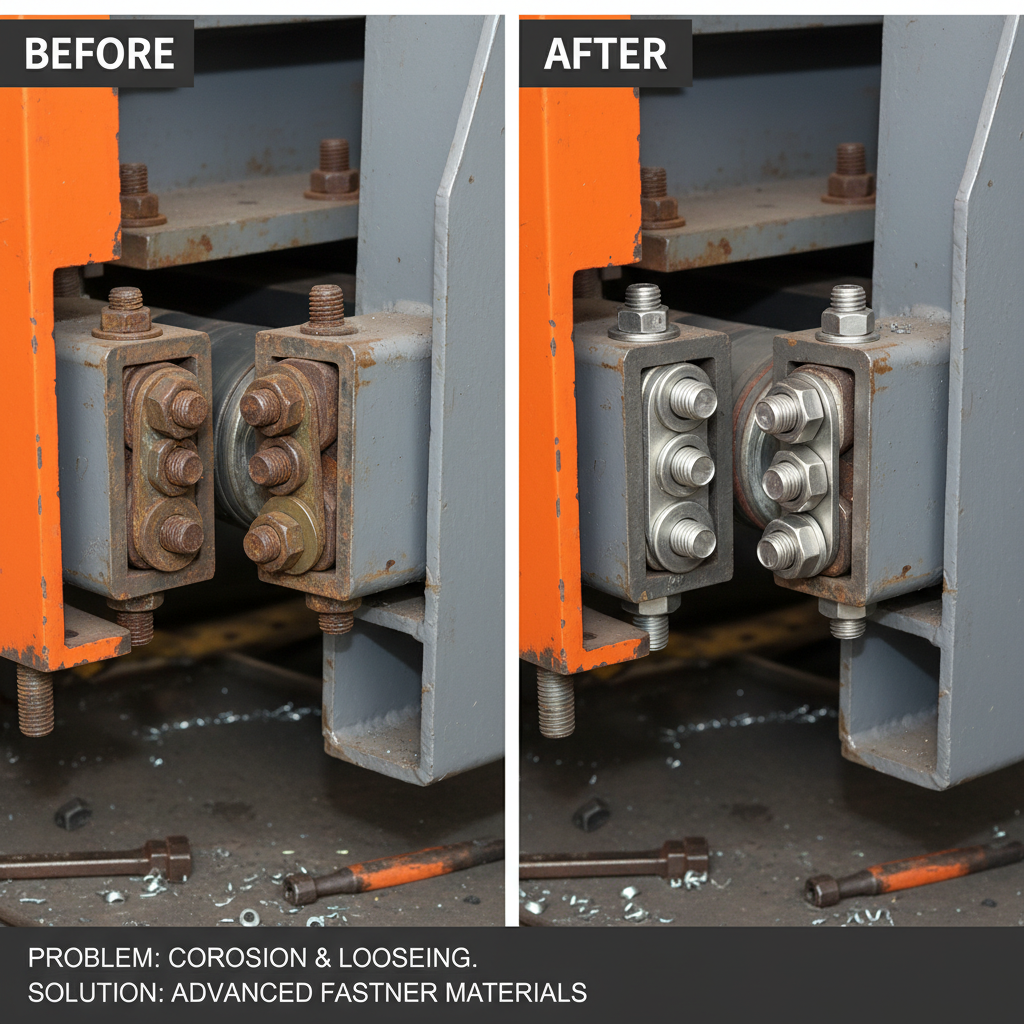
The significance of selecting the correct fastener material cannot be overstated. It's not simply about holding things together; it's about ensuring safety, reliability, and long-term performance. Different materials exhibit varying degrees of strength, corrosion resistance, and temperature tolerance, making careful consideration essential for each specific application. Using an inappropriate fastener material can lead to premature failure, costly repairs, and potentially hazardous situations. fastener material selection is a critical engineering decision.
The impact of fastener material extends beyond the immediate structural integrity of a project. It influences the overall life cycle cost, maintenance requirements, and environmental footprint. Investing in high-quality fastener materials can significantly reduce the need for replacements and repairs, leading to long-term savings and increased sustainability.
Defining Fastener Material
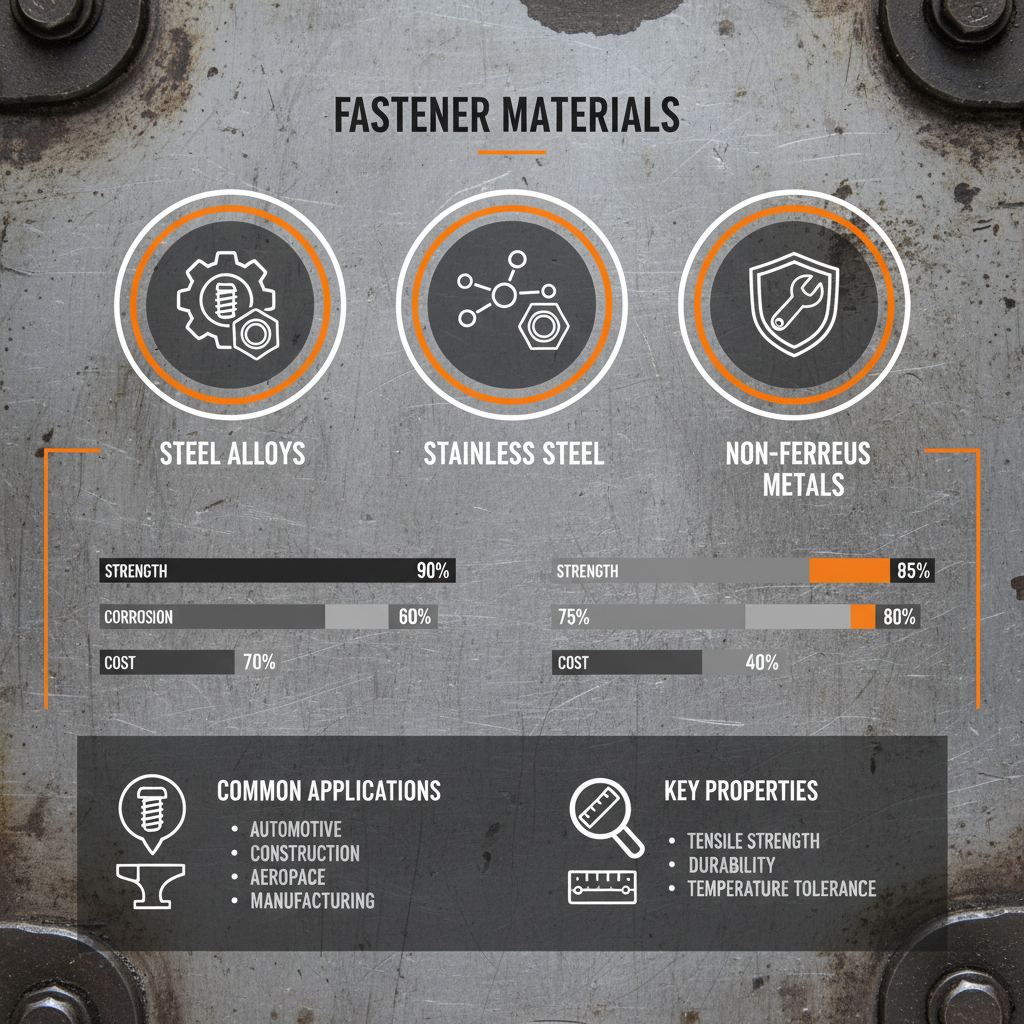
Fastener material refers to the substances utilized in the creation of mechanical fasteners – components designed to securely join two or more objects together. These materials encompass a broad range, from common carbon steels and alloy steels to more specialized options like stainless steels, aluminum alloys, titanium alloys, and even polymers. The choice of material is dictated by the specific requirements of the application, considering factors such as load-bearing capacity, environmental conditions, and desired lifespan.
The connection between fastener material and modern industry is undeniable. Virtually every manufactured product relies on fasteners in some capacity. From automobiles and aircraft to computers and consumer goods, fasteners play a crucial role in assembly and structural integrity. The availability of reliable and high-quality fastener material is therefore essential for maintaining efficient manufacturing processes and delivering safe, durable products to consumers.
Furthermore, advancements in fastener material technology directly contribute to solving humanitarian challenges. Durable and corrosion-resistant fasteners are vital in constructing shelters, water purification systems, and medical equipment for disaster relief and development projects. The right fastener material can ensure that these critical resources function reliably in harsh environments, providing lasting benefits to communities in need.
Key Properties of Fastener Material
Several key properties define the suitability of a particular material for use as a fastener. Tensile strength, which measures the material’s resistance to being pulled apart, is a critical factor, especially in applications involving high loads. Yield strength, indicating the point at which the material begins to deform permanently, is equally important for preventing structural failure. A material's hardness determines its resistance to scratching and indentation, contributing to its durability. fastener material properties are often determined by the alloying elements used.
Corrosion resistance is another essential property, particularly in outdoor or marine environments. Materials like stainless steel and certain aluminum alloys offer superior protection against rust and degradation. Fatigue strength, which measures the material’s ability to withstand repeated stress cycles, is crucial for applications involving vibration or fluctuating loads. The specific combination of these properties determines the overall performance and longevity of the fastener.
Beyond mechanical properties, thermal expansion and conductivity also play a role in fastener selection. Differential expansion between the fastener and the joined materials can induce stress and potentially lead to failure. Understanding these properties and how they interact is fundamental to proper fastener design and application.
Durability and Environmental Resistance
The long-term durability of a fastener is directly tied to its resistance to environmental factors. Corrosion, caused by chemical reactions with the surrounding environment, is a primary threat to fastener integrity. Different materials exhibit varying levels of resistance to different corrosive agents, such as saltwater, acids, and alkalis. Protecting fasteners from corrosion is critical for ensuring structural reliability and preventing premature failure.
Surface treatments, such as galvanizing, painting, and powder coating, can further enhance the corrosion resistance of fasteners. These coatings create a barrier between the material and the environment, slowing down the corrosion process. Selecting the appropriate coating depends on the specific environment and the desired level of protection.
Corrosion Resistance of Common Fastener Materials
Global Applications of Fastener Material
The applications of fastener material are incredibly diverse and span virtually every industry. In the construction sector, high-strength steel fasteners are used to assemble structural frameworks, bridges, and buildings. The automotive industry relies on a wide range of fasteners, including bolts, screws, and rivets, to join body panels, engine components, and chassis parts. fastener material requirements are very strict in the automotive industry.
The aerospace industry demands exceptionally lightweight and high-strength fasteners, often made from titanium alloys or specialized aluminum alloys, to ensure the safety and performance of aircraft. Medical devices also require fasteners made from biocompatible materials, such as stainless steel or titanium, to minimize the risk of adverse reactions. In remote industrial zones, reliable fasteners are critical for maintaining infrastructure and equipment.
Advantages and Long-Term Value
Investing in high-quality fastener material delivers numerous tangible benefits. Reduced maintenance costs are a direct result of improved durability and corrosion resistance. Lower life-cycle costs are achieved through fewer replacements and repairs. Enhanced safety is paramount, minimizing the risk of structural failures and accidents. These factors contribute to significant long-term value.
Beyond the economic advantages, using appropriate fastener material also promotes sustainability by reducing waste and conserving resources. A well-designed and properly fastened structure is more likely to withstand the test of time, minimizing the need for demolition and reconstruction. Trust in the integrity of a structure or product is built upon the foundation of reliable fasteners.
Future Trends in Fastener Material
The future of fastener material is driven by a growing emphasis on sustainability, performance, and technological innovation. Research and development efforts are focused on creating new materials with enhanced strength-to-weight ratios, improved corrosion resistance, and reduced environmental impact. The use of bio-based polymers and recycled materials in fastener manufacturing is gaining traction as a means of promoting circular economy principles.
Digital transformation is also playing a role, with the development of smart fasteners equipped with sensors that can monitor stress levels, temperature, and other critical parameters. Automation in fastener manufacturing is increasing efficiency and reducing production costs. These advancements promise to revolutionize the fastener industry and unlock new possibilities for engineering design and construction.
Furthermore, the demand for fasteners tailored to green energy applications, such as wind turbines and solar panel installations, is driving innovation in materials and coatings. These applications require fasteners that can withstand extreme weather conditions and resist corrosion from exposure to the elements.
Summary of Factors Influencing Fastener Material Selection
| Application Environment |
Load Requirements |
Cost Considerations |
Material Lifespan |
| Marine/Coastal |
Moderate |
Medium |
20+ Years |
| Industrial/Chemical |
High |
High |
10-15 Years |
| Outdoor/General Construction |
Low to Moderate |
Low |
5-10 Years |
| Aerospace |
Extreme |
Very High |
20+ Years |
| Medical |
Low |
Medium |
5-10 Years |
| Automotive |
Moderate to High |
Medium |
10-15 Years |
FAQS
The most prevalent corrosion types include uniform corrosion (general surface degradation), pitting corrosion (localized attacks creating small holes), crevice corrosion (occurring in gaps and tight spaces), galvanic corrosion (due to dissimilar metal contact), and stress corrosion cracking (caused by combined stress and corrosive environment). Understanding these mechanisms is crucial for selecting appropriate materials and protective coatings to mitigate corrosion risks in fastener applications.
Generally, the strength of most metals decreases with increasing temperature. Elevated temperatures can reduce yield strength, tensile strength, and creep resistance. This effect is more pronounced in certain materials than others. For high-temperature applications, specialized alloys like nickel-based superalloys or high-temperature stainless steels are often employed to maintain adequate strength and stability.
Surface treatments significantly enhance fastener performance by improving corrosion resistance, wear resistance, and fatigue life. Common treatments include galvanizing (zinc coating), phosphate coating, painting, powder coating, and specialized coatings like ceramic coatings. These treatments create a protective barrier between the material and the environment, preventing corrosion and reducing friction.
Stainless steel fasteners offer excellent corrosion resistance, making them suitable for outdoor and marine environments. They also exhibit good strength and durability. Different grades of stainless steel provide varying levels of corrosion resistance and mechanical properties. However, stainless steel can be more expensive than carbon steel, and may not be ideal for all applications.
Selecting the right fastener material involves considering several factors, including the application environment, load requirements, temperature, corrosion resistance needs, and cost constraints. Consult material data sheets and engineering specifications to determine the appropriate material. When in doubt, it’s best to consult with a qualified fastener expert.
Emerging materials include advanced high-strength steels, titanium alloys with improved properties, and polymers reinforced with carbon fibers. Researchers are also exploring the use of magnesium alloys for lightweight applications and self-healing materials that can repair minor damage. These innovations promise to deliver even better performance and durability in fastener applications.
Conclusion
In conclusion, understanding fastener material is fundamental to ensuring the safety, reliability, and longevity of countless structures and products. From the selection of appropriate materials based on environmental conditions and load requirements to the implementation of surface treatments for enhanced corrosion resistance, every aspect of fastener material management contributes to overall performance. Investing in quality fasteners and prioritizing informed material selection ultimately translates to reduced maintenance costs, increased safety, and greater sustainability.
Looking ahead, continued innovation in materials science and manufacturing techniques will drive further advancements in the fastener industry. The integration of smart technologies, such as sensors and data analytics, will enable proactive monitoring of fastener performance and predictive maintenance, further optimizing efficiency and reliability. To learn more about selecting the optimal fastener material for your specific needs, visit our website today.