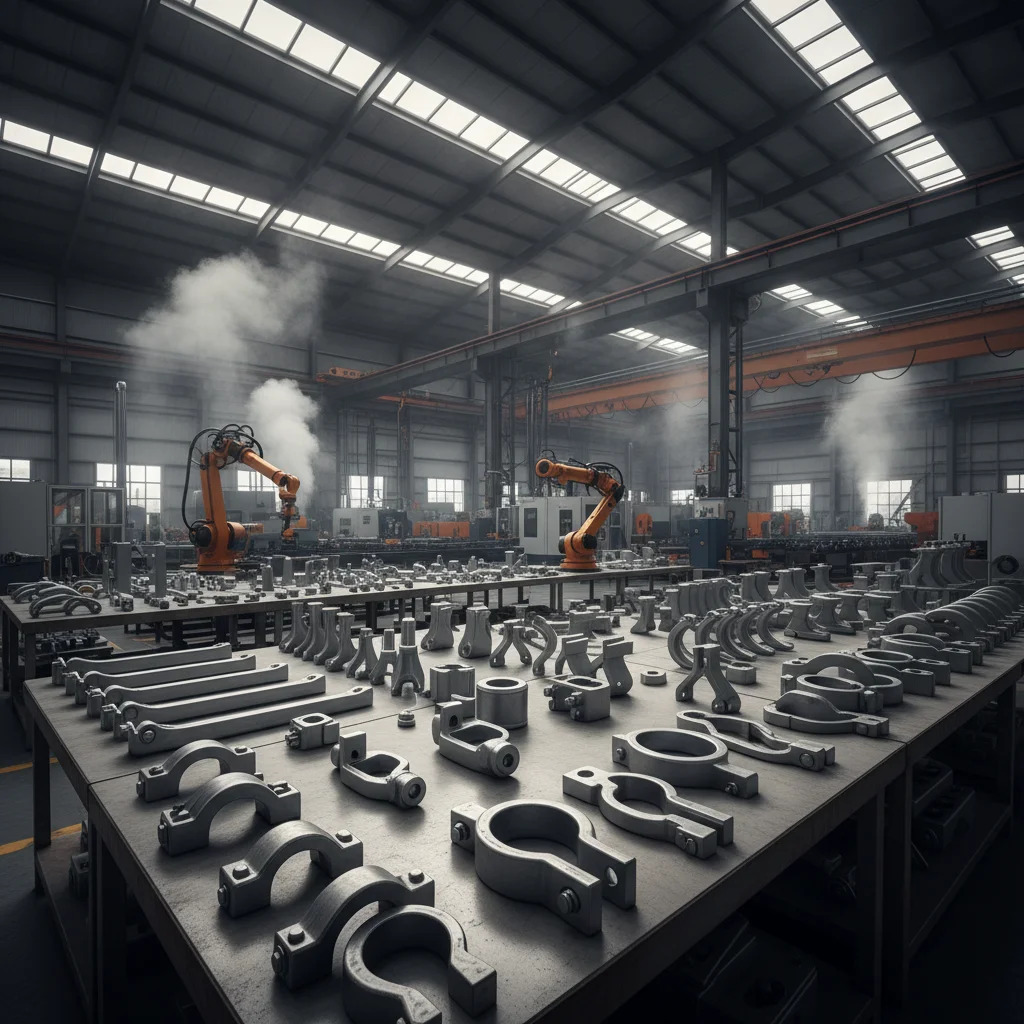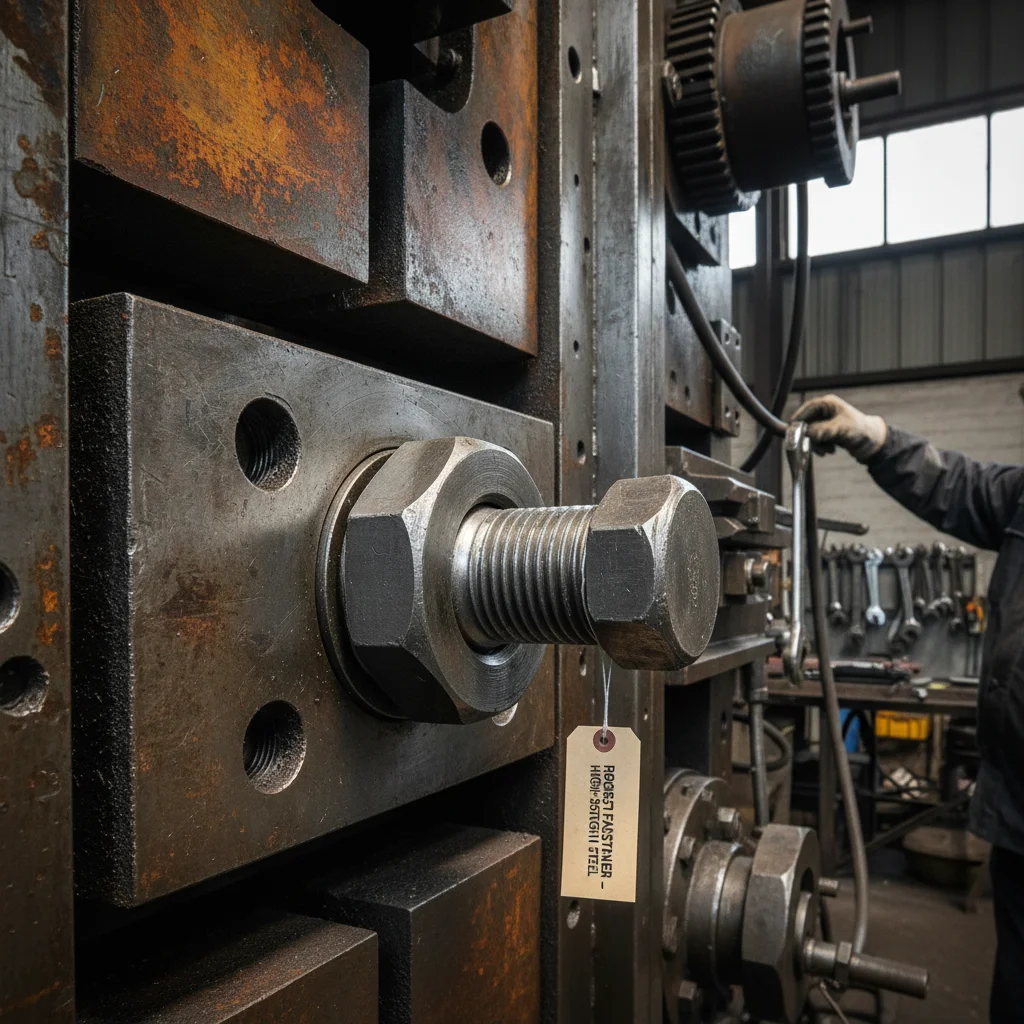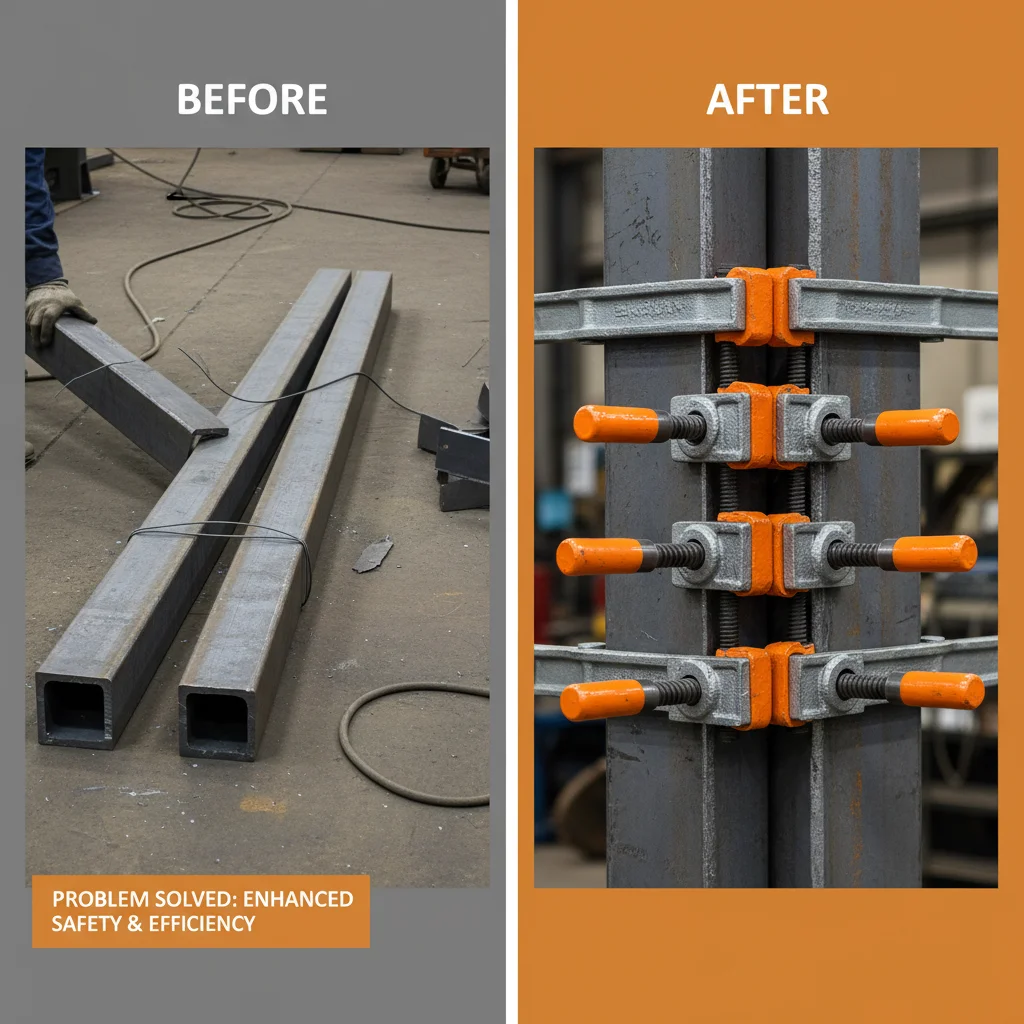

Look, I've been running around construction sites for fifteen years, seen all sorts of things. Lately, everyone’s talking about prefabrication, modular builds. It’s the future, they say. To be honest, a lot of it is just repackaging old ideas, but the pressure to build faster and cheaper is real. It all boils down to fasteners, doesn’t it? If your connections aren’t solid, the whole thing falls apart. And that’s where clamps – all kinds of clamps – come in.
I spend my days dealing with engineers who think they can design everything in a vacuum, then send us these drawings that… well, let's just say they don’t always translate to the real world. Have you noticed how everyone wants everything "lightweight" now? It sounds good on paper, but lighter materials often mean compromises in strength. It’s a balancing act, and the clamp selection is crucial.
It’s not just about the load rating, either. It’s about the feel of the thing. A good clamp feels…right. You can tell just by picking it up if it's solid. We use a lot of galvanized steel, naturally. Smells like… well, metal. Gets a little oily too. But you also see stainless, especially where corrosion is a concern. And increasingly, these composite materials. They're strong, lightweight, but feel…plasticky. I’m still not entirely convinced by some of them, honestly.

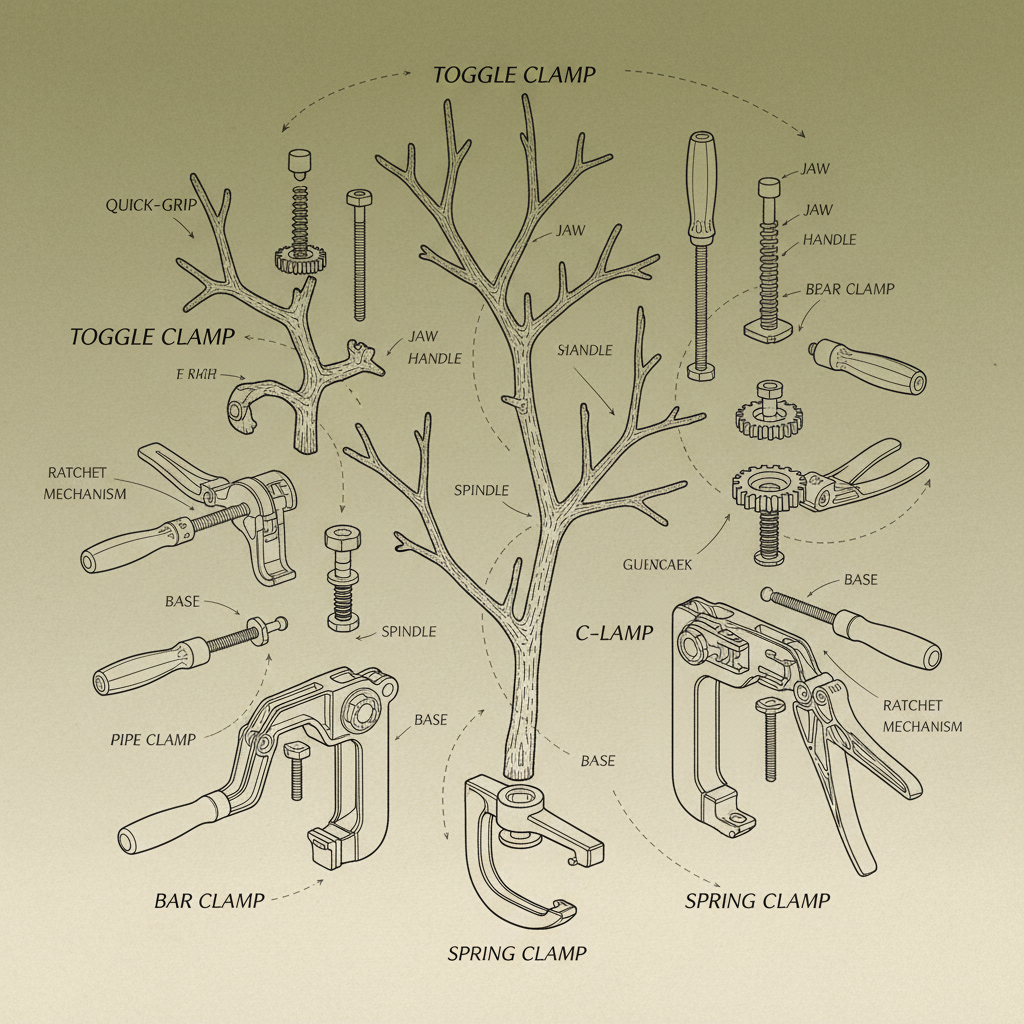
Honestly, it’s all moving overseas now. A lot of the big clamps manufacturer are in China, Vietnam. It's about cost, plain and simple. Quality has improved dramatically, though. Used to be you’d get a batch and half of them would be unusable. Not so much anymore. But you still need to inspect everything when it arrives. I encountered this at a factory in Dongguan last time, and the QC was…lax, to say the least.
There’s a push for more automation, of course. Everyone wants robots building everything, but there’s still a lot of manual work involved in clamp manufacturing. Especially when you get into specialized clamps. And there's a growing demand for quick turnaround times. People don't want to wait six weeks for a custom clamp anymore. They want it yesterday.
Honestly? Underestimating the load. People always try to save a few bucks and go with a clamp that’s too small. You need to factor in a safety margin, always. I’ve seen things fail because of it, and it's never pretty. It’s easy to get caught up in the price, but a failure is way more expensive.
Crucial. Absolutely crucial. Galvanized steel is good for most outdoor stuff, but if you’re near saltwater, stainless is a must. Those composites? I'm still skeptical about those for anything structural, especially if there's vibration. You need to know the environment and choose accordingly. A bad choice leads to a quick failure.
Good question. A G-clamp, it's got that screw that pulls the jaws together, makes it really strong for clamping flat surfaces. A C-clamp…well, it's the same idea, but the shape is a bit different. It's easier to get into tighter spaces. They both work well, it depends on the job. Honestly, sometimes I just grab whichever one is closest.
No. Eventually, the threads wear out, the jaws get damaged, and the clamping force decreases. It depends on how heavily they’ve been used, but you shouldn't rely on a clamp forever. Inspect them regularly for cracks, corrosion, or damage. If it looks suspect, replace it. It’s not worth the risk.
They're handy, no doubt, saves a lot of time. But they’re not as strong as a traditional clamp. You sacrifice some clamping force for convenience. They’re good for light-duty applications, but I wouldn’t use them for anything structural. I've seen the mechanisms fail sometimes, too, so check them regularly.
Lots of stuff happening with self-adjusting clamps, magnetic clamps… mostly for specialized applications. I'm seeing more clamps with integrated sensors for measuring clamping force. That’s interesting. But honestly, the basic principles haven’t changed much in a hundred years. It's still about applying force and holding things together.
So, yeah, clamps. Sounds simple, right? But it’s a surprisingly complex world. From material selection to proper installation, there’s a lot to consider. And it all comes down to real-world performance. Engineers can design all they want, but the final test is whether the clamp holds up under pressure.
Ultimately, whether this thing works or not, the worker will know the moment he tightens the screw. That's the bottom line. If you want dependable, robust connections, don't skimp on the clamps. Visit our website for a wider selection and expert advice.

Hit enter to search or ESC to close