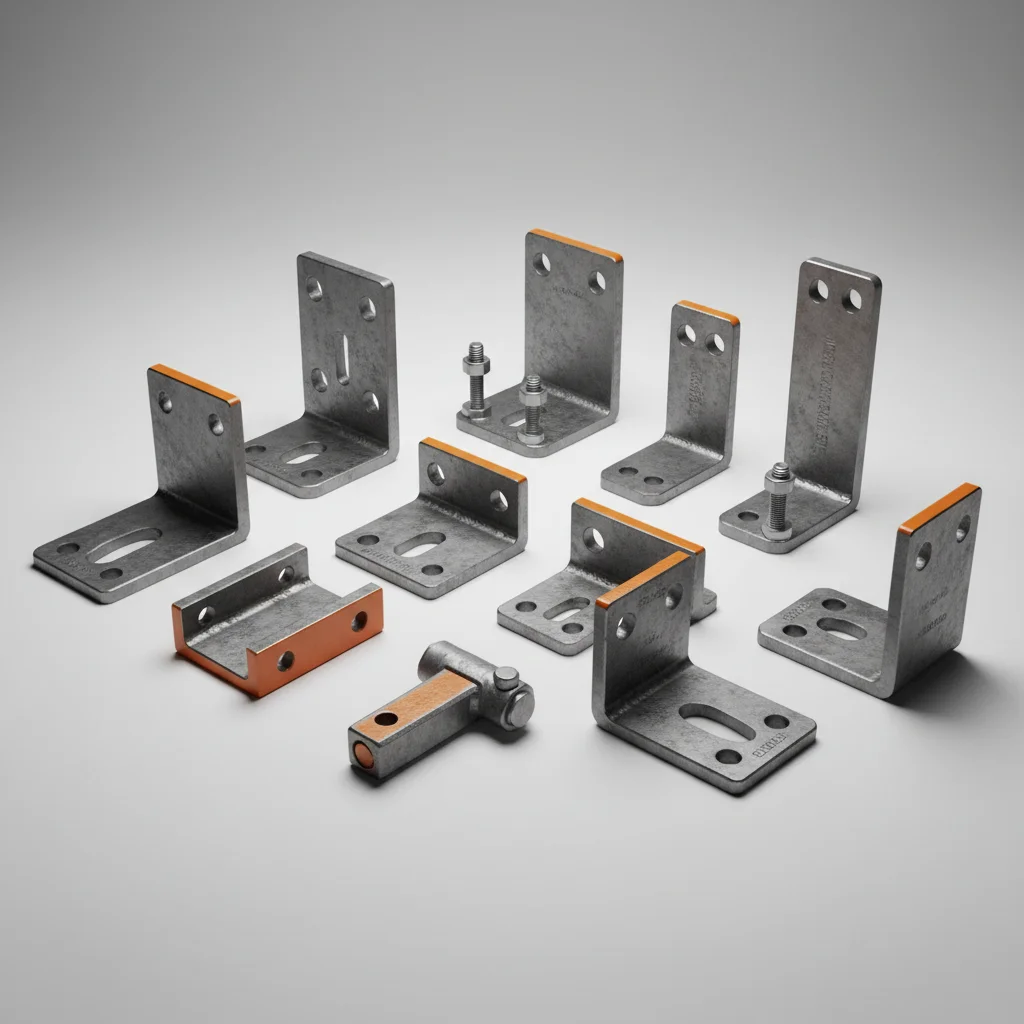
Different types of pipe hangers aren't just some hardware you grab off the shelf. They're the unsung heroes of any robust piping system, whether it’s carrying potable water through a city, managing steam in a power plant, or handling industrial chemicals. For years, I’ve walked construction sites, seen installations fail, and watched projects delayed because the right support wasn't considered upfront. It’s not glamorous work, but understanding these seemingly simple components is crucial for safety, efficiency, and long-term reliability. We're talking about preventing catastrophic failures, minimizing maintenance downtime, and ultimately, protecting people and assets. It’s a surprisingly complex world once you dig into load calculations, material compatibility, and code compliance.
The need for a variety of hangers comes down to the sheer diversity of piping applications. You've got different pipe materials – steel, copper, PVC, CPVC – each with unique weight and expansion characteristics. Then there’s the environment: extreme temperatures, corrosive atmospheres, seismic zones. One size definitely doesn't fit all. Over the years, I've seen folks try to cut corners, thinking a generic hanger will do. That's a recipe for trouble, leading to stress on the pipes, potential leaks, and costly repairs down the line. The industry is constantly evolving too, with new materials and designs aimed at improving performance and reducing installation time.
This isn’t just an engineering problem; it’s a logistical and economic one. Selecting the right hangers impacts everything from material costs and labor hours to long-term maintenance budgets. Understanding the different types, their strengths, and weaknesses, and how they interact with the overall system is vital for making smart decisions. I’ve seen projects saved – and others derailed – by getting this right. It’s a foundational element of any successful piping project, and often overlooked until it’s too late.
The Importance of Understanding Different Types of Pipe Hangers
Look, it's easy to see pipe hangers as just another commodity. But after decades on job sites, I can tell you they’re anything but. They are a critical part of maintaining the integrity of any piping system. Ignoring the specifics of the application and simply slapping on the cheapest option is a recipe for disaster. Think about the consequences: leaks, equipment failure, downtime, and potential safety hazards. Proper support prevents undue stress on the pipe, allows for thermal expansion and contraction, and ensures the system operates efficiently and reliably.
We're seeing an increasing demand for more sophisticated solutions, driven by stricter regulations, higher operating pressures, and more challenging environments. It’s not just about holding the pipe up; it’s about controlling vibration, mitigating corrosion, and complying with complex codes. This requires a deep understanding of the different types available, their load-bearing capacities, and their suitability for specific applications. This is where experience and a willingness to learn come into play.
Defining Different Types of Pipe Hangers
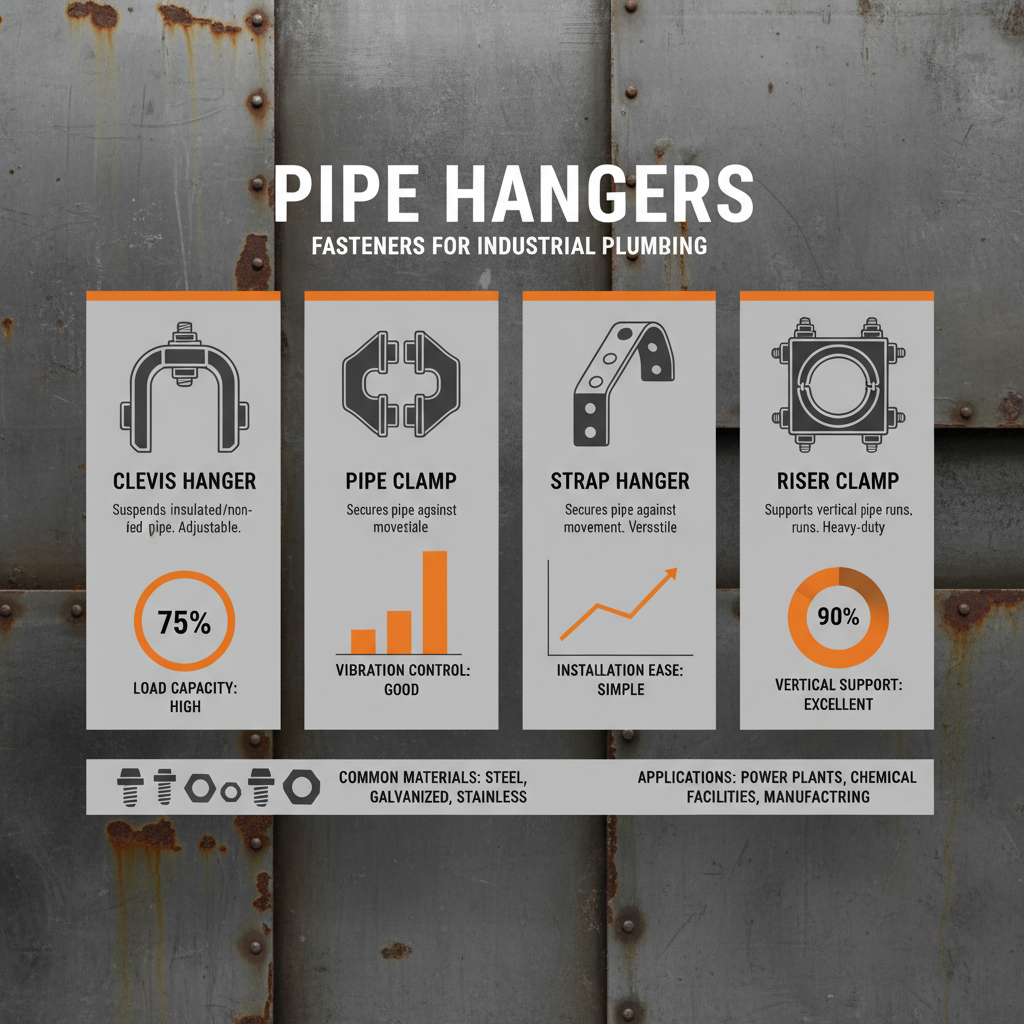
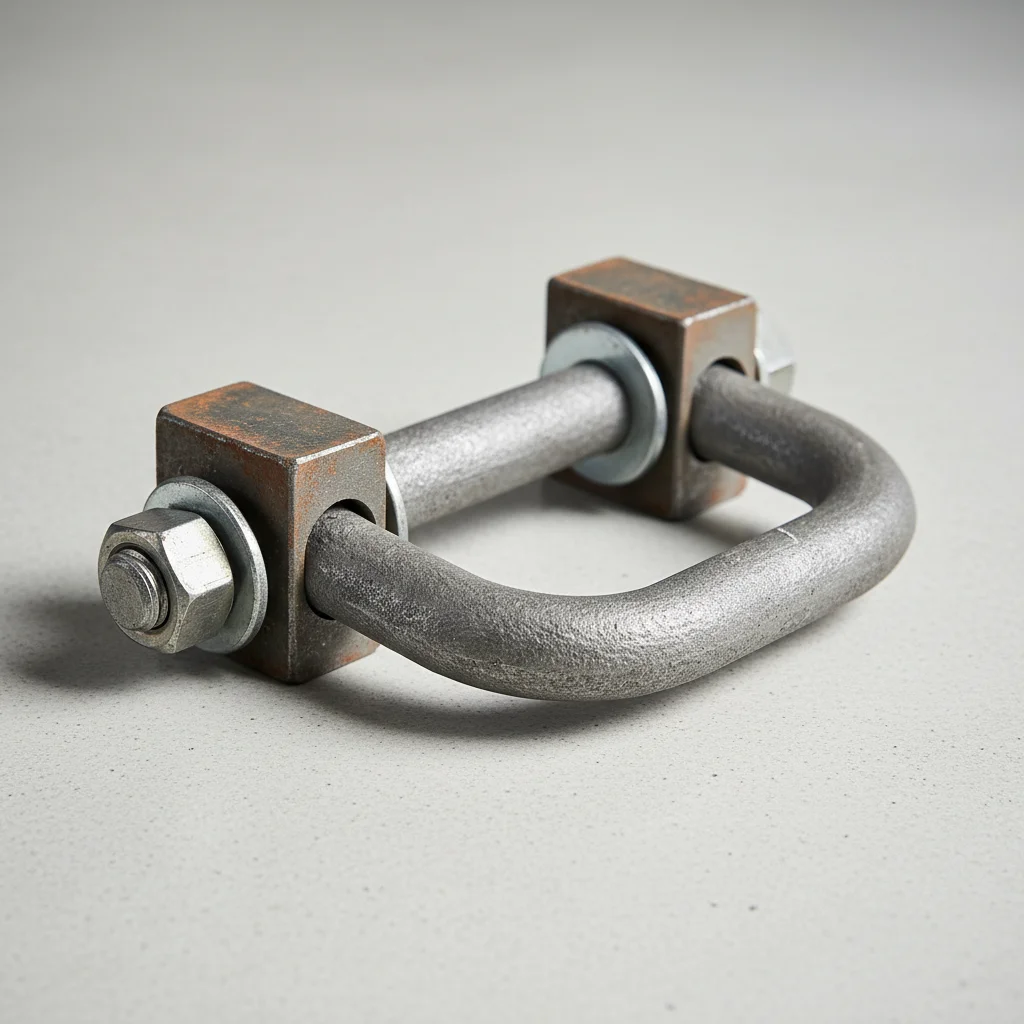
Essentially, different types of pipe hangers are mechanical components used to support piping systems, transferring the weight of the pipe and its contents to the building structure. But that’s a broad definition. You've got everything from simple clevis hangers and U-bolts for light-duty applications to robust spring hangers and rigid supports for heavy-duty, high-temperature systems. Then you get into specialized hangers like sway braces, which control lateral movement, and hydraulic snubbers, which dampen shock and vibration.
The choice depends entirely on the specific requirements of the system. A small copper water line in a residential building will need a very different hanger than a large-diameter steam pipe in a power plant. Each type is designed to address specific challenges – weight, temperature, movement, corrosion. Understanding these differences and knowing when to use each type is paramount. I’ve lost count of the times I’ve seen someone try to use a clevis hanger where a spring hanger was clearly needed, and the results weren't pretty.
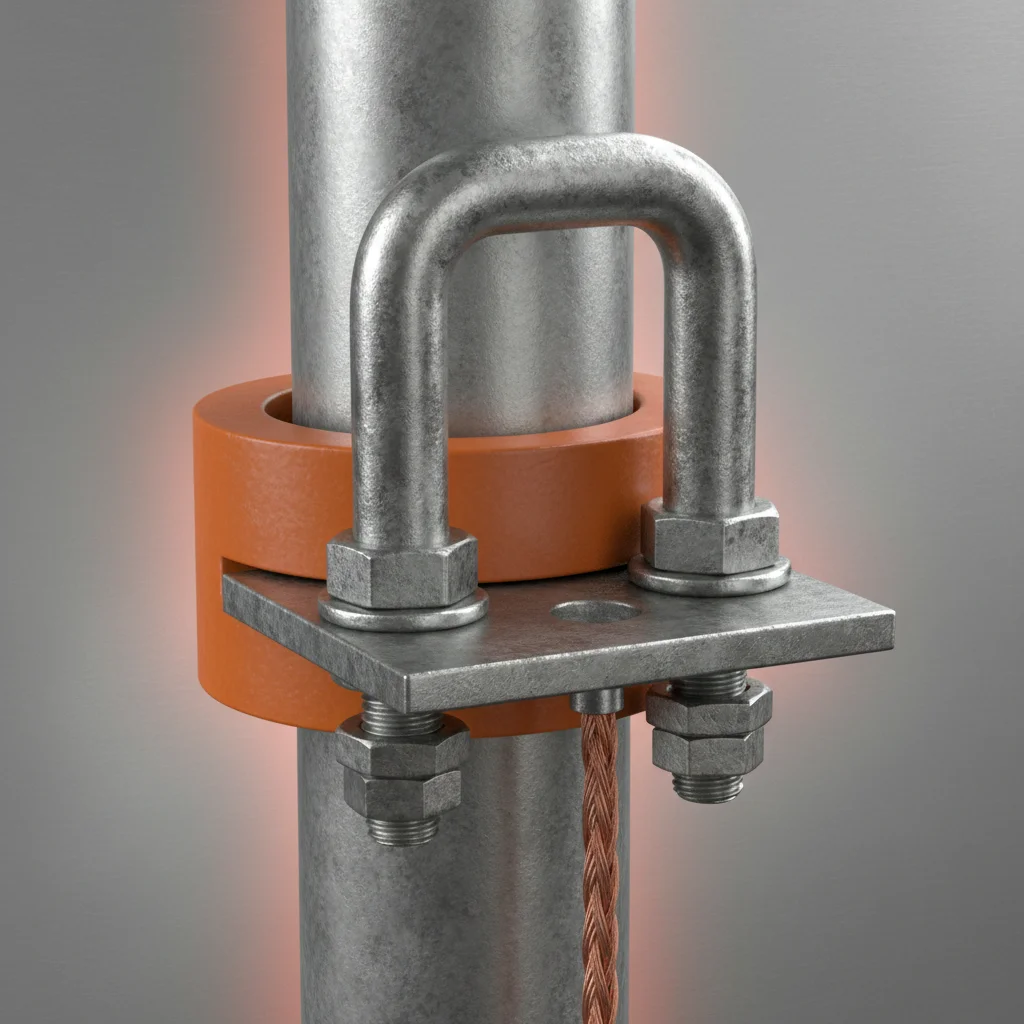
And it's not just about the hanger itself; it’s about the entire support assembly – the attachment to the building structure, the hardware used, and the proper installation techniques. All these factors play a role in ensuring the system functions safely and efficiently. Different types of pipe hangers – each tailored to a specific need – are the backbone of any dependable piping system.
Key Factors in Pipe Hanger Selection
There are several critical factors that engineers and installers need to consider when selecting the right type of pipe hanger. First and foremost is load capacity. You need to accurately calculate the weight of the pipe, its contents, insulation, and any potential dynamic loads. Underestimating the load can lead to hanger failure and catastrophic consequences. Material compatibility is another key consideration. The hanger material needs to be compatible with the pipe material to prevent corrosion and galvanic reactions.
Thermal expansion and contraction also play a huge role. Pipes expand and contract with temperature changes, and the hanger system needs to accommodate this movement without putting undue stress on the pipe. This is where spring hangers and variable spring hangers come into play. Finally, you need to consider the environment. Corrosive atmospheres, seismic zones, and extreme temperatures all require specialized hangers designed to withstand those conditions. It's a holistic approach; you can’t just look at one factor in isolation.
Code compliance is, of course, non-negotiable. There are numerous industry standards and regulations governing pipe hanger design and installation, and it's essential to adhere to them. Ignoring these standards can lead to legal liabilities and safety risks. It's a complex web of rules, but navigating it properly is crucial for a successful and safe installation.
Global Applications and Use Cases
You'll find different types of pipe hangers in virtually every industry worldwide. Power plants rely heavily on robust spring hangers and rigid supports to handle high-temperature steam lines. Chemical processing plants use corrosion-resistant hangers to support pipes carrying aggressive chemicals. Oil and gas pipelines require specialized hangers designed to withstand extreme weather conditions and seismic activity.
In urban environments, you'll find a variety of hangers supporting water and wastewater pipelines. I've seen large-scale projects in Asia using innovative hanger designs to accommodate seismic activity and prevent damage during earthquakes. In the Middle East, corrosion-resistant hangers are critical for protecting pipelines from the harsh desert environment. Even in smaller applications, like commercial buildings, proper pipe hangers are essential for ensuring the reliable operation of HVAC and plumbing systems.
The common thread is the need for a reliable and safe piping system. The specific type of hanger used will vary depending on the application, but the underlying principles remain the same: support the pipe, accommodate movement, and protect against environmental factors. It’s a global issue, impacting infrastructure and safety in every corner of the world.
Different Types of Pipe Hangers Performance Comparison
Advantages and Long-Term Value of Proper Pipe Hangers
Investing in the right pipe hangers upfront offers significant long-term benefits. Reduced maintenance costs are a big one. Properly supported pipes are less likely to develop leaks or suffer damage, minimizing the need for repairs and replacements. Improved system reliability is another key advantage. A well-supported system operates more efficiently and consistently, reducing downtime and increasing productivity.
And let's not forget about safety. A failed pipe hanger can lead to catastrophic failures, posing a serious risk to personnel and the environment. Investing in quality hangers and proper installation is a crucial step in ensuring a safe and reliable operation. It’s about peace of mind, knowing you’ve done everything possible to protect your assets and your people.
Future Trends and Innovations in Pipe Hangers
We’re starting to see a lot of innovation in the pipe hanger space, driven by advancements in materials and manufacturing techniques. Smart hangers, equipped with sensors that monitor stress, temperature, and vibration, are gaining traction. These hangers provide real-time data that can be used to optimize system performance and predict potential failures. Another trend is the development of more lightweight and corrosion-resistant materials, such as composite polymers and stainless steels.
Modular hanger systems are also becoming increasingly popular, allowing for faster and more flexible installation. These systems can be easily adapted to different pipe sizes and configurations, reducing labor costs and minimizing downtime. As sustainability becomes a greater focus, we're also seeing a demand for hangers made from recycled materials. The future of pipe hangers is all about smarter, more efficient, and more sustainable solutions.
Challenges and Solutions in Pipe Hanger Implementation
One of the biggest challenges is ensuring proper installation. Even the best hangers won't perform as expected if they're not installed correctly. This requires skilled and experienced installers who understand the importance of following manufacturer’s instructions and adhering to industry standards. Another challenge is dealing with complex piping configurations and limited space. Sometimes, it's difficult to find a hanger that fits the specific requirements of the application.
To overcome these challenges, it’s essential to invest in training and education for installers. Working closely with hanger manufacturers to develop custom solutions for complex applications is also crucial. Utilizing 3D modeling and virtual reality can help visualize the installation process and identify potential problems before they occur. And finally, thorough inspection and quality control are essential to ensure that the hangers are installed correctly and functioning as intended.
Ultimately, successful pipe hanger implementation requires a collaborative approach involving engineers, installers, and manufacturers. It's about sharing knowledge, leveraging expertise, and working together to create a safe, reliable, and efficient piping system.
Table Summarizing Key Considerations for Different Pipe Hanger Types
| Hanger Type |
Typical Application |
Load Capacity (Approx.) |
Key Considerations |
| Clevis Hanger |
Light-duty piping, HVAC systems |
Up to 50 lbs |
Cost-effective, simple installation, limited load capacity |
| U-Bolt |
Small diameter piping, residential plumbing |
Up to 30 lbs |
Versatile, affordable, requires proper tightening |
| Spring Hanger |
High-temperature piping, dynamic systems |
Up to 500 lbs |
Accommodates thermal expansion, requires careful adjustment |
| Rigid Support |
Heavy-duty piping, static systems |
Unlimited (depending on structure) |
Provides maximum stability, limited flexibility |
| Sway Brace |
Seismic zones, wind-prone areas |
Variable, based on design |
Controls lateral movement, requires precise installation |
| Hydraulic Snubber |
Nuclear power plants, critical infrastructure |
Variable, high-performance |
Dampens shock and vibration, requires regular maintenance |
FAQS
Hands down, it’s underestimating the load. People often forget to account for the weight of insulation, fluids, and potential dynamic loads like water hammer. This leads to sagging pipes, stress fractures, and ultimately, failures. Always over-engineer your hanger selection to ensure a safe and reliable system. Don't skimp on this step; it's a false economy. Properly calculated load capacity and the right hanger type will save you headaches – and potentially a lot of money – down the road.
Regular inspection is critical, especially in demanding environments. A good rule of thumb is to inspect hangers annually, or more frequently in corrosive or high-vibration areas. Look for signs of corrosion, damage, or loosening of fasteners. Pay particular attention to spring hangers, as their load capacity can change over time. Document your inspections and address any issues promptly to prevent more serious problems.
Both accommodate thermal expansion, but a variable spring hanger offers a wider range of travel. A standard spring hanger is designed for a specific load and temperature range. A variable spring hanger allows for adjustments to accommodate changes in load or temperature, providing greater flexibility. They're more expensive upfront, but can save you money in the long run if your system is subject to fluctuating conditions.
Absolutely. Numerous codes and standards govern pipe hanger design and installation, including ASME B31.1 for power piping, ASME B31.3 for process piping, and local building codes. These codes specify requirements for load calculations, material selection, and installation procedures. It's essential to be familiar with the applicable codes and ensure your installation complies with them. Failure to do so can result in fines, liability issues, and potentially dangerous situations.
Material selection is crucial in corrosive environments. Stainless steel is a common choice, offering excellent corrosion resistance. However, different grades of stainless steel have varying levels of resistance, so choose one that's appropriate for the specific chemicals involved. Other options include specialized coatings and non-metallic materials like fiberglass or plastic. Consult with a materials engineer to determine the best option for your application.
Generally, no. Old hangers may be corroded, damaged, or have lost their load-bearing capacity. It’s best to replace them with new hangers to ensure the integrity of the system. Even if they look okay, you can’t be certain about their condition. The cost of replacing hangers is small compared to the potential consequences of a failure. Don't risk it!
Conclusion
Understanding different types of pipe hangers is far more than just knowing the names of different parts. It’s about recognizing the critical role they play in ensuring the safety, reliability, and longevity of piping systems across a vast range of industries. From simple water lines to complex industrial processes, choosing the right hanger – and installing it correctly – is a fundamental aspect of good engineering practice. Ignoring this foundational element can lead to costly repairs, downtime, and even catastrophic failures.
As technology advances and sustainability becomes increasingly important, we can expect to see further innovation in the pipe hanger space. Smart hangers, lightweight materials, and modular designs will continue to emerge, offering even greater efficiency and performance. Investing in training, staying up-to-date on industry standards, and prioritizing quality will be essential for navigating this evolving landscape and ensuring the long-term success of your projects. Visit our website at different types of pipe hangers to learn more.