

The world increasingly relies on robust and reliable joining solutions, and understanding the intricacies of these connections is paramount across various industries. This is where the concept of a fastener video becomes vitally important. A fastener video isn’t merely a visual aid; it's a crucial tool for training, quality control, and ensuring the safe and effective application of fastening technologies. From complex aerospace assemblies to everyday construction projects, proper fastener installation, as demonstrated in a clear and concise fastener video, directly impacts product integrity and operational safety.
Globally, the demand for skilled technicians and informed engineers capable of handling sophisticated fastening systems is consistently growing. According to the International Organization for Standardization (ISO), maintaining consistent standards in fastener application is essential for international trade and product compatibility. Furthermore, the United Nations Sustainable Development Goals (SDGs), particularly those relating to infrastructure and responsible consumption, are directly impacted by the longevity and reliability of fastened structures. This highlights the critical need for accessible and informative resources, such as a well-produced fastener video, to bridge the knowledge gap and ensure adherence to best practices.
The rising complexity of modern manufacturing and construction necessitates a shift towards visual learning and easily digestible information. Traditional manuals often fall short in conveying the nuances of fastener installation, leading to errors and potential failures. A high-quality fastener video addresses this challenge by providing a dynamic and engaging learning experience, ultimately reducing rework, improving safety, and enhancing overall efficiency.
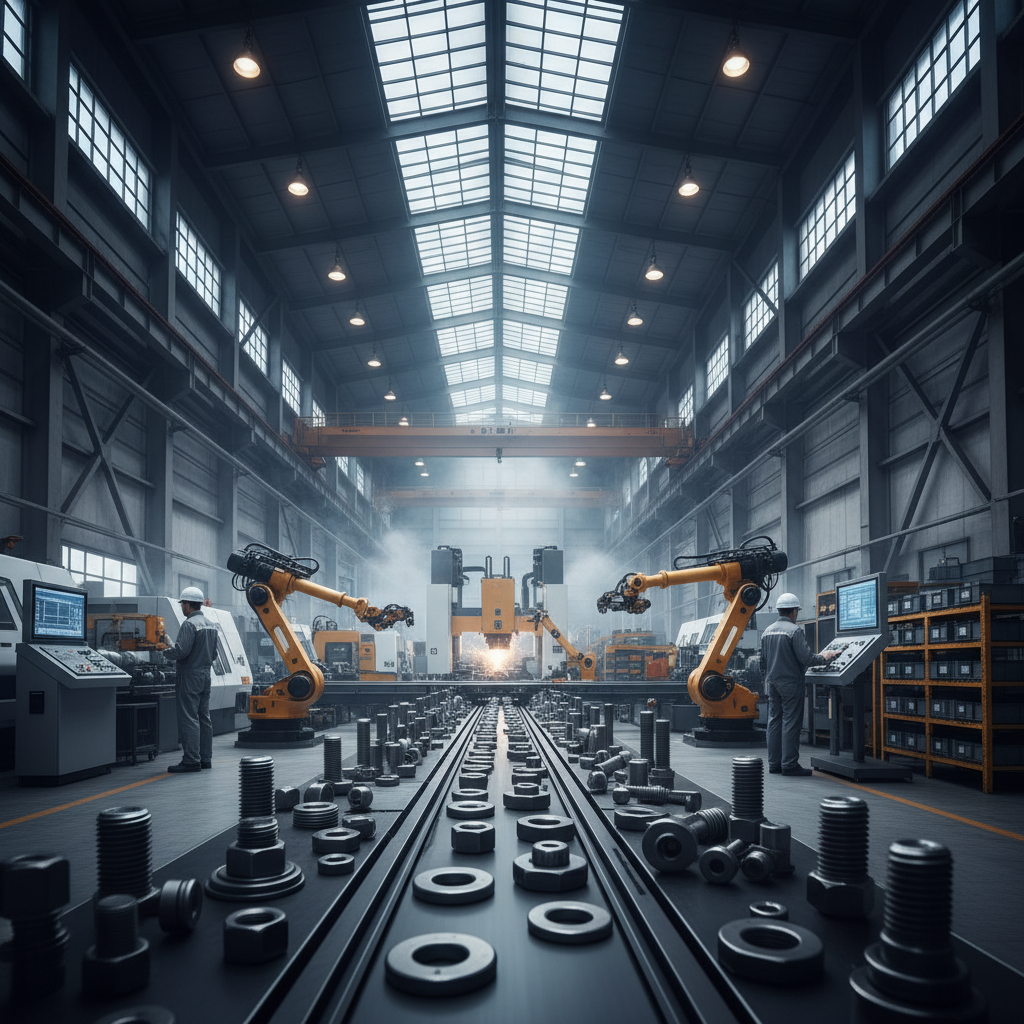
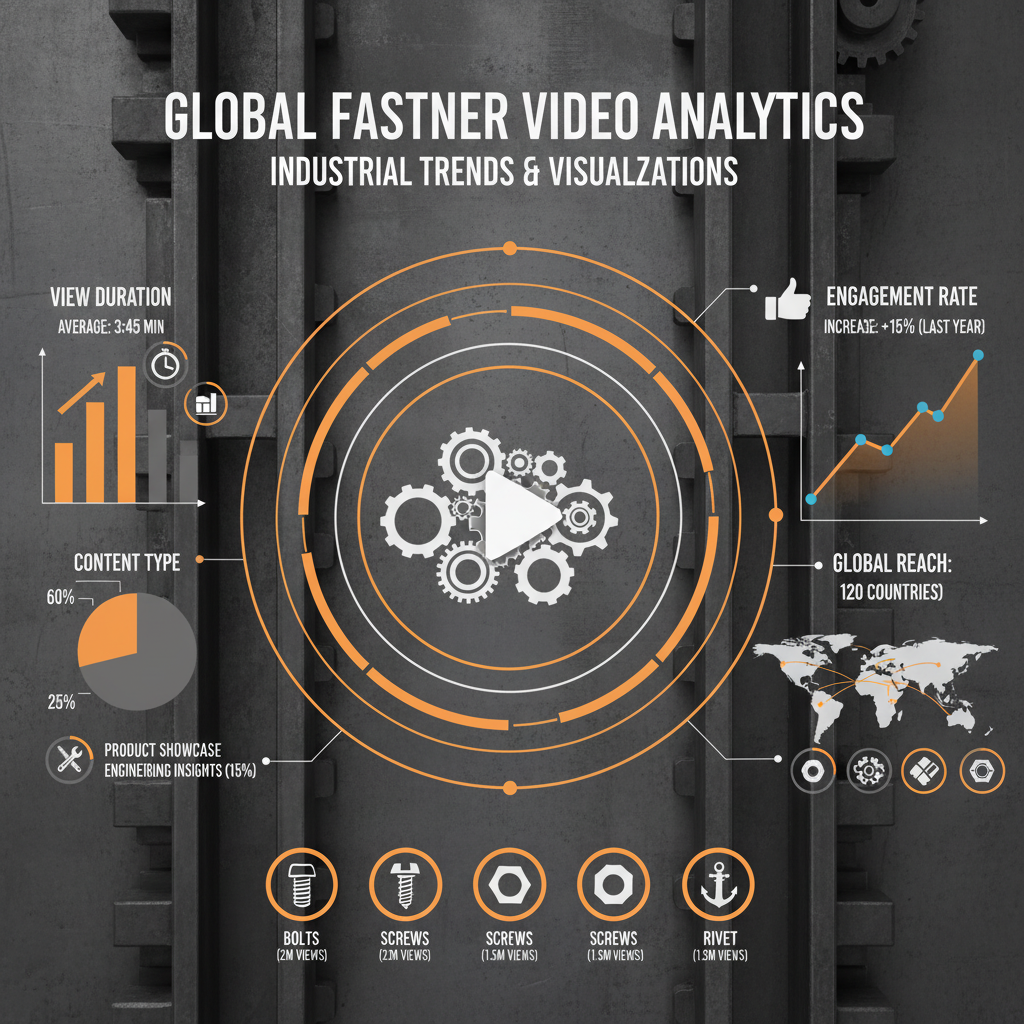
In today’s dynamic industrial landscape, ensuring quality and efficiency in fastening processes is paramount. A fastener video plays a critical role in achieving these objectives. Properly demonstrating the correct techniques for fastener installation, torque application, and inspection minimizes errors and ensures structural integrity. This is particularly crucial in sectors such as aerospace, automotive, and infrastructure, where fastener failure can have catastrophic consequences.
Moreover, a well-produced fastener video streamlines training programs, reducing onboarding time and associated costs. Employees can learn at their own pace, repeatedly reviewing complex procedures until they achieve mastery. This results in a more skilled and confident workforce, leading to improved productivity and reduced risk.
Utilizing a fastener video for employee training offers numerous advantages, including reduced training costs, improved knowledge retention through visual learning, and standardized procedures across the workforce. The ability to pause, rewind, and review the content at their own pace makes it an incredibly effective learning tool. A well-produced fastener video also minimizes the risk of errors and accidents resulting from improper fastener installation. The impact on safety and productivity is significant, creating a more skilled and confident workforce.
To maintain engagement, a typical fastener video should ideally be concise and focused, lasting between 3 to 7 minutes. Shorter videos are more likely to be watched in their entirety, reinforcing key concepts without overwhelming the viewer. Breaking down complex procedures into a series of shorter fastener video modules is also highly effective, allowing employees to focus on specific tasks and revisit them as needed. Prioritize clear visuals and narration to maximize the impact of the content.
Videos demonstrating the installation and proper use of a wide variety of fasteners are valuable. Focus on fasteners commonly used within your organization or industry. This might include standard bolts and screws, self-tapping screws, rivets, threaded inserts, and locking fasteners. Showcasing different materials (steel, stainless steel, aluminum) and coating options (zinc, cadmium) can also be beneficial. Ultimately, prioritize fasteners that present a higher risk of installation error or are critical to the structural integrity of the finished product.
Ensuring accuracy is paramount. Consult with qualified engineers and fastener experts during the video creation process. Reference industry standards and manufacturer’s specifications to verify all procedures and torque values. Conduct a thorough review of the video content before publishing, and update it regularly to reflect any changes in standards or best practices. Implementing a feedback mechanism allows viewers to report inaccuracies and contribute to ongoing improvement. Accurate information builds trust and ensures safety.
Creating a high-quality fastener video requires a few key pieces of equipment. A good quality camera capable of recording clear, close-up footage is essential. Proper lighting is crucial for showcasing detail. A tripod will ensure stable shots, and a good quality microphone will capture clear audio. Video editing software will allow you to assemble and refine the footage. While professional equipment yields the best results, modern smartphones with good cameras can also produce surprisingly effective videos.
Effective distribution is key to maximizing the impact of your fastener video. Consider utilizing a Learning Management System (LMS) to track employee completion and assess knowledge retention. Uploading the video to a shared network drive or cloud storage platform provides easy access. Embedding the video in relevant training materials or company intranet pages can also increase visibility. Promoting the video through email newsletters and internal communications will encourage employees to view it. Make sure it's easily accessible on mobile devices.
In conclusion, the implementation of fastener videos represents a significant advancement in training, quality control, and overall efficiency across a wide range of industries. By providing clear, concise, and visually engaging instruction, these videos empower employees to perform their tasks accurately and safely, minimizing errors, reducing costs, and enhancing product reliability. The benefits extend beyond immediate operational improvements, fostering a culture of continuous learning and a commitment to best practices.
Looking ahead, the integration of emerging technologies such as AR/VR and AI will further elevate the value of fastener video, creating immersive and personalized learning experiences. Investing in high-quality fastener video content is not merely an expense; it’s a strategic investment in the future of your organization, ensuring a skilled workforce and a commitment to excellence. Visit our website at www.topfastener.com to learn more about our fastener solutions and resources.



Hit enter to search or ESC to close


