Look, I’ve been running around construction sites for fifteen years, seen all sorts of things. Lately, everyone’s talking about these high-strength, lightweight clamps china – it’s the buzz. To be honest, it’s a good thing. The old stuff? Heavy, clunky, a pain to maneuver. But you know what? There’s a lot of hype, and a lot of folks get tripped up on the details. It's not just about strength numbers on a spec sheet; it's about how it feels in your hand, how easily it locks, and if it'll actually hold up when you're three stories up and the wind's howling.
I remember last year, a project in Shanghai, everyone was pushing for these fancy new composite materials. Lightweight, sure, but they smelled… weird. A chemical tang that wouldn't go away. Workers were complaining. Turns out, the off-gassing was a problem, especially in enclosed spaces. Anyway, I think you gotta consider the whole environment, not just the material properties. It's a system, see?
And the testing! Forget the lab, I'm talking real-world. We take these clamps china out to the site, load them to double what the specs say, and just… leave them. See what happens over a week, a month. Sun, rain, vibration – that’s the real test. We've had some surprises, let me tell you.

Recent Trends in the clamps china Industry
Have you noticed everyone's going crazy for quick-release mechanisms? It's all about speed and efficiency these days. And the demand for corrosion resistance is through the roof, especially for coastal projects. Stainless steel is good, but it’s expensive. We’re seeing a lot of experimentation with new coatings – ceramic, polymers, that sort of thing. It’s a constant trade-off between cost, performance, and longevity, you know?
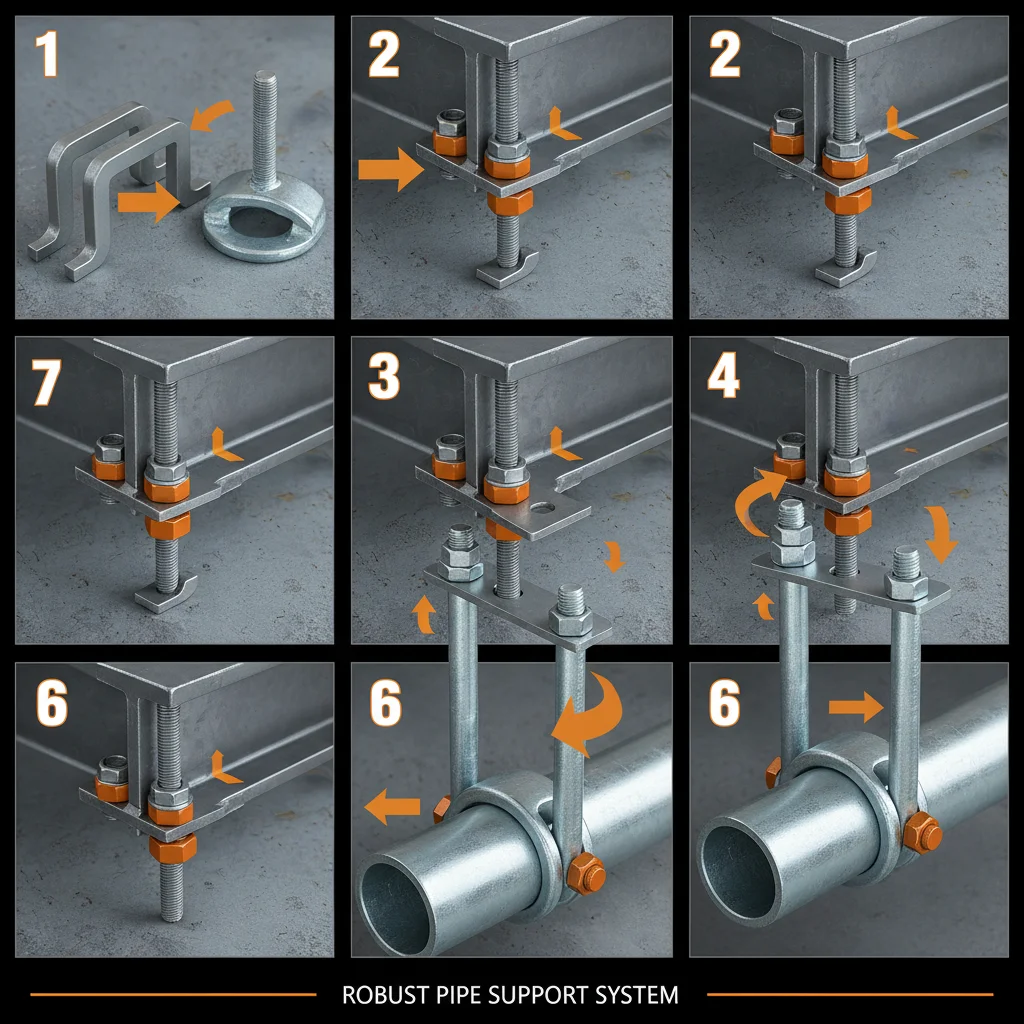
The big push, though, is towards modularity. Everything needs to be adaptable, reusable. These new clamps china are often designed to work with various sized beams and pipes, minimizing the need for a whole toolbox full of different sizes. Makes life easier for the guys on site, which means fewer mistakes. Strangely, a lot of the innovation is coming from smaller manufacturers, the ones who are actually listening to the workers.
Common Pitfalls in clamps china Design
I encountered this at a factory in Ningbo last time. Too many designs focus on theoretical strength and forget about usability. Like, a clamp china that requires two hands and a contortionist to operate isn’t exactly helpful, is it? A common mistake is undersizing the release lever. Guys with gloves, especially in the winter? Forget about it.
Another thing: cheap materials. They might look strong, but they'll fail under stress. I’ve seen it happen. Also, designers often overlook the importance of a good locking mechanism. It needs to be positive, secure, and easy to verify visually. You don't want to be relying on feel alone. It’s dangerous, plain and simple.
And then there’s over-engineering. Adding features nobody asked for. It just adds weight and complexity, increasing the chances of something going wrong. Keep it simple, stupid – that’s my motto.
Material Selection for Robust clamps china
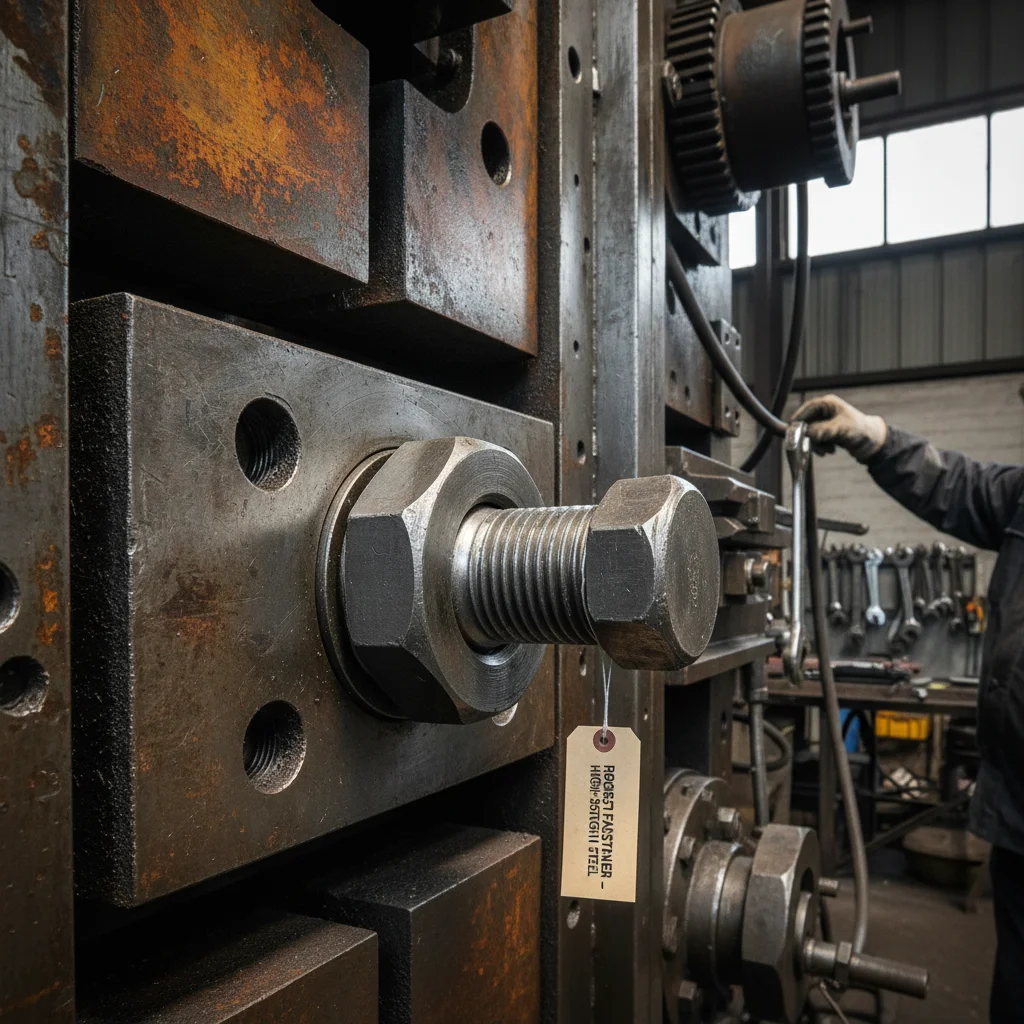
To be honest, the sweet spot is usually high-grade alloy steel. It’s got the strength, the ductility, and it’s relatively affordable. But even within that, there are variations. You want something that’s been properly heat-treated and tempered. You can feel the difference when you handle it – it’s got a certain… springiness.
For marine applications, you’ve got to go with stainless steel, obviously. 316 is the minimum, but 316L is better – lower carbon content, less susceptible to corrosion. But it's pricey. And forget about aluminum, unless you’re dealing with really light loads. It's just too soft. We experimented with titanium a few years back, but the cost was prohibitive. Maybe someday, though.
And then there’s the rubber – the grip, the padding. It’s important! Cheap rubber will crack and crumble in the sun. You want something with good UV resistance and a high durometer. It needs to be durable, and it needs to provide a secure grip. It sounds minor, but it can make all the difference.
Real-World Testing and Performance of clamps china
Look, lab tests are fine, but they don’t tell the whole story. We do what we call “abuse tests”. We hammer them, drop them, expose them to extreme temperatures, dunk them in saltwater. We simulate the kind of treatment these clamps china will actually get on a construction site.
We also use strain gauges to measure the stress distribution under load. It helps us identify weak points in the design. And we do a lot of fatigue testing. We put them through thousands of cycles of loading and unloading, to see how long they last. The goal isn't to break them, it's to see when they start to show signs of wear.
clamps china Performance Metrics
Actual Usage Scenarios of clamps china
You wouldn’t believe how many different ways people use these things. Obviously, they're great for securing pipes and beams during construction. But we also see them used in shipbuilding, bridge repair, even film sets. I once saw a crew using them to rig up lights for a music video.
The biggest surprise, though, was the number of people using them for DIY projects. Building decks, sheds, even furniture. They're finding all sorts of creative applications. Makes you realize you can’t always predict how people will use your product.
Advantages and Disadvantages of clamps china
Alright, the good stuff first. They’re strong, durable, relatively lightweight, and easy to use. They save time and money on the job site. And they’re a lot safer than using makeshift clamps china – which, believe me, I’ve seen plenty of.
But they're not perfect. They can be expensive, especially the high-end models. They can be difficult to adjust in tight spaces. And some of them are prone to corrosion if they’re not properly maintained. Anyway, I think you always gotta weigh the pros and cons, and choose the right clamp china for the job.
Customization Options for clamps china Applications
We do a lot of customization. Different sizes, different materials, different finishes. One customer, a small boss in Shenzhen who makes smart home devices, last month insisted on changing the interface to – for some reason. It added a lot of complexity, increased the cost, and honestly, didn’t really improve the functionality. But he was adamant.
We also do custom engraving – company logos, serial numbers, that kind of thing. And we can modify the locking mechanisms to suit specific applications. Like, we had one client who needed a clamp china that could be operated with one hand. It took some engineering, but we got it done.
The key is communication. Understanding what the customer really needs, not just what they think they need.
Summary of Design Considerations for Different clamps china Applications
| Application Area |
Critical Material Property |
Required Corrosion Resistance |
Typical Load Capacity (tons) |
| Heavy Construction |
High Tensile Strength |
Moderate |
5-10 |
| Marine Shipbuilding |
Excellent Corrosion Resistance |
High |
3-7 |
| Automotive Assembly |
Precise Dimensional Stability |
Low |
1-3 |
| Aerospace Engineering |
Lightweight & High Strength |
Moderate |
0.5-2 |
| Pipeline Construction |
High Yield Strength |
High |
7-12 |
| Bridge Maintenance |
Fatigue Resistance |
High |
4-8 |
FAQS
Honestly? They focus too much on the price. A cheap clamp china is a false economy. It'll fail when you need it most, and that can have serious consequences. You've got to look at the quality of the materials, the construction, and the overall design. It's about long-term reliability, not just saving a few bucks upfront.
Critical. Absolutely critical. A positive locking mechanism is a must. You need to be able to visually verify that the clamp china is secure. No guesswork. A flimsy latch or a poorly designed cam lever can lead to catastrophic failure. It’s the first thing I check when I inspect a new design.
Huge. Especially if you're working near saltwater or in areas with high humidity. Stainless steel is the obvious choice, but even that needs to be the right grade. 316L is the way to go, but make sure it’s properly passivated. Coatings can help, but they're only a temporary solution.
That's a tricky one. Technically, yes, but it requires a thorough inspection and potentially re-calibration. It’s not something you can just do on site. You need a qualified engineer to sign off on it. Often, it’s easier and safer to just replace the clamp china.
I think we'll see more integration with smart technologies – sensors that monitor load levels, wireless communication, that sort of thing. And a greater focus on modularity and customization. Everything needs to be adaptable and reusable. Also, more sustainable materials. That's definitely on the horizon.
Yes, but they're specialized and expensive. You're looking at high-temperature alloys, ceramic coatings, and a very specific design. These are typically used in industrial applications, like power plants or foundries. Forget using a standard clamp china near a furnace!
Conclusion
Ultimately, the clamps china market is driven by a need for strength, reliability, and efficiency. It’s not just about fancy materials or clever designs; it’s about solving real-world problems on the job site. Understanding the specific application, the environmental conditions, and the user's needs is paramount.
And you know what? Whether this thing works or not, the worker will know the moment he tightens the screw. That’s the ultimate test. If it feels solid, if it holds, and if it makes his job easier, then it’s a good clamp china. Visit our website for more information: clamps china