
December 07, 2025
Clamps design — it might sound straightforward at first glance, but honestly, it's a crucial aspect that underpins a lot of how industries function globally today. From construction scaffolding to emergency shelter setups, how clamps are designed can mean the difference between safety and disaster, speed and delay, cost-effectiveness and overruns. Understanding it isn’t just for engineers or manufacturers; it impacts supply chains, humanitarian responses, even everyday product assembly worldwide.
In today's interconnected world, the reliability and adaptability of fastening systems like clamps have never been more critical. According to the International Organization for Standardization (ISO), standardized fastening methods contribute significantly to reducing workplace injuries globally, with improperly secured components accounting for roughly 30% of industrial accidents.
Clamps design addresses pressing challenges like rapid infrastructure deployment, modular construction, and efficient supply chain logistics — all vital in a world increasingly affected by natural disasters, urbanization, and the push for sustainable development. For example, the ISO 898-1 standard guides mechanical properties of fasteners, ensuring consistency across borders and industries.
But still, the challenge remains: how can we optimize clamps to be not only strong but flexible, affordable, and easy to use across diverse environments? This is where innovative clamps design takes center stage.
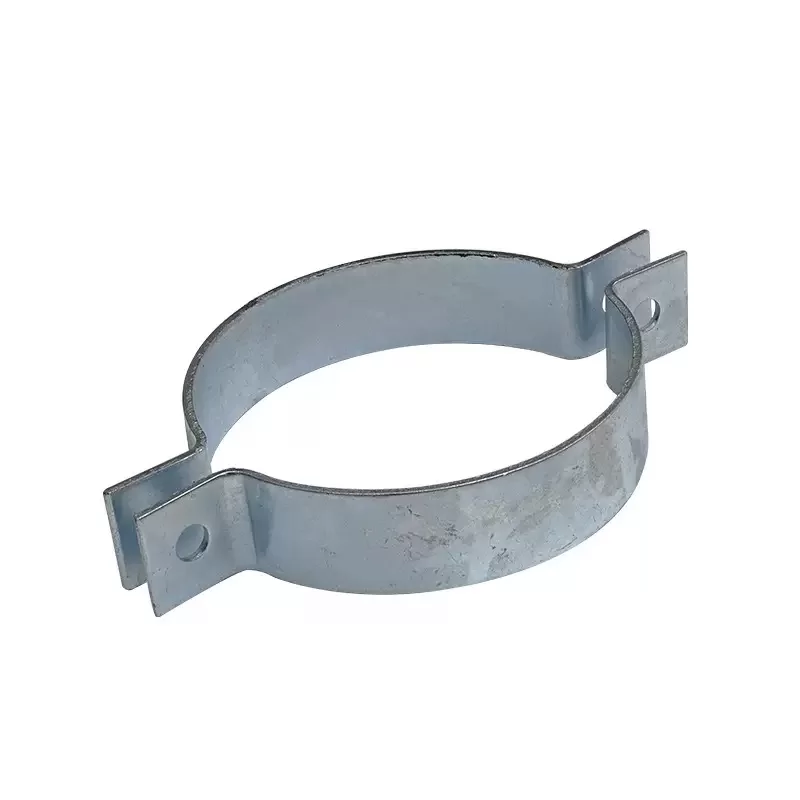
Simply put, clamps design is the process of conceptualizing and engineering fastening devices that hold objects firmly together. This includes choices about materials, shape, mechanism (like screw, spring, or lever), size, and load capacity. Good clamps design ensures a reliable grip, minimizes damage to the clamped item, and often enables quick assembly or disassembly.
Its importance is amplified in modern industries — especially where modular components must be rapidly connected or industrial equipment requires maintenance without downtime. Humanitarian sectors, too, rely heavily on efficient clamps design for erecting temporary shelters or bridging broken infrastructure swiftly and safely.
At the heart of a useful clamp is durability. Materials like stainless steel, aluminum alloys, or reinforced polymers are often selected based on corrosion resistance and mechanical stress endurance. In marine or chemical environments, this is especially critical to prevent clamp failure over time.
Oddly enough, a clamp that works well for one task might flop in another. So, adaptability in clamps design allows the device to accommodate various shapes and sizes securely—think adjustable screw clamps or spring-loaded models that flex within a range.
Since clamps are often used in high quantity, their design must balance quality with manufacturing cost. Designers frequently optimize geometry and material thickness to use the least materials possible without sacrificing strength — a dance that is as much art as science.
Fasteners are handled by technicians with varying skill levels across the globe. Clamps that are intuitive to use, require minimal tools or force, and reduce installation time naturally gain favor. Ergonomic shapes and clear markings fall into this category.
Designing clamps to minimize slippage, pinching, or injury during use is paramount — particularly in fast-moving industrial settings. Features like smooth edges, locking mechanisms, and fail-safe redundancies are common solutions.
Across the globe, industries from automotive manufacturing in Germany to oil rig maintenance off the coast of Brazil count on well-designed clamps. But it’s not just heavy industry.
One interesting anecdote comes from humanitarian workers in Southeast Asia who praised modular shelters that feature clamps designed with dual locking mechanisms — a feature born from feedback and iterative design, making setups faster and safer under duress.
Let’s talk benefits. Well-designed clamps save money: they reduce material waste, maintenance costs, and downtime. That logic is pretty clear. But there’s an emotional side too — safety fosters trust among workers and peace of mind for contributors in NGOs or international projects.
Moreover, sustainable materials and reusable clamps embody an environmental consciousness that aligns with global sustainability goals. When engineers choose designs that are both reliable and eco-friendly, the ripple effect can be significant.
With the advent of smart materials—imagine clamps that change tension according to temperature or load—future designs may self-adjust for optimal grip. Add to this digital transformation, where connected clamps provide real-time feedback on stress or loosening, and the potential to prevent accidents before they happen is exciting.
Sustainable polymers derived from bio-based feedstocks and additive manufacturing (3D printing) techniques are making customizable, lightweight clamps more accessible. Green energy projects and automation in factories are pushing manufacturers to innovate faster.
However, clamps design isn’t without hurdles. Mass production pressures can lead to quality inconsistencies. Sometimes, the clash between cost reduction and durability is tough — cheaper materials might compromise safety.
Expert designers are exploring modular clamp kits that adapt to multiple uses, and AI-driven simulation tools that predict failure points before prototyping, allowing smarter iterations. These approaches help tackle problems proactively rather than reactively.
Clamps design is a dynamic field combining engineering, economics, and safety to meet global demands across industries and humanitarian efforts.
| Feature | Specification | Notes |
|---|---|---|
| Material | Stainless Steel 316 | Corrosion resistant, ideal for marine use |
| Load Capacity | Up to 5000 lbs | Suitable for heavy industrial applications |
| Adjustment Type | Screw-tightening mechanism | Provides precise tension control |
| Weight | 1.2 kg | Light enough for handheld use |
| Safety Features | Locking pin with release button | Prevents accidental loosening |
| Vendor | Material Options | Customization | Pricing | Lead Time |
|---|---|---|---|---|
| TopFastener | Stainless Steel, Aluminum, Nylon | Full range, OEM available | Mid-range | 2-4 weeks |
| ClampCo | Steel, Plastic composites | Limited designs | Budget | 1-3 weeks |
| SecureGrip Ltd. | High-grade steel alloys | Custom engineering only | Premium | 4-6 weeks |
A1: Clamps designed for emergency use typically emphasize adaptability and ease of use, often incorporating quick-locking mechanisms and lightweight materials. This allows non-specialists to erect shelters rapidly while ensuring structural integrity, vital during disaster response scenarios.
A2: Clamps intended for marine or chemical exposure usually utilize corrosion-resistant materials like stainless steel 316 or specially coated alloys. The design may further mitigate corrosion with protective paints or surface treatments to extend service life considerably.
A3: Generally, adjustable clamps involve more complex mechanisms, potentially raising costs slightly. However, their versatility often offsets the initial expense by reducing the need for multiple clamp sizes, which can improve overall cost efficiency.
A4: Yes, many clamps, especially those made from metals like steel or aluminum, can be recycled or refurbished. Sustainable design practices encourage this to decrease waste and environmental impact over time.
To sum up, clamps design is far more than just a small detail in engineering—it’s a powerful enabler of safety, efficiency, and innovation across a host of industries worldwide. The better we understand and improve clamps design, the safer and more sustainable our built environments become. For anyone interested in exploring superior fastening solutions, I’d highly recommend visiting TopFastener — they offer a compelling range of high-quality clamps and expert advice.
Investing thought into clamps design pays off with stronger, safer, and more adaptable fastening solutions, impacting everything from construction to humanitarian aid.
Hit enter to search or ESC to close


![Chain Link 3″ [2 7/8″ OD] Industrial Gate Box Hinge – Butt Hinge (Pressed Steel)](https://images.cnmqh.com/images/a10068/f1-20260414064622.webp "Chain Link 3″ [2 7/8″ OD] Industrial Gate Box Hinge – Butt Hinge (Pressed Steel)")