
February 28, 2026
Selecting the appropriate 3 inch pipe hanger is critical for ensuring the safe and reliable support of piping systems in various applications, from plumbing to industrial processes. A well-chosen hanger minimizes stress on pipes, prevents sagging, and helps maintain proper alignment. This article provides a comprehensive guide to understanding different types of 3 inch pipe hangers, materials, load capacity considerations, and installation best practices. We’ll explore how choosing the right hanger can significantly improve the longevity and efficiency of your piping infrastructure.
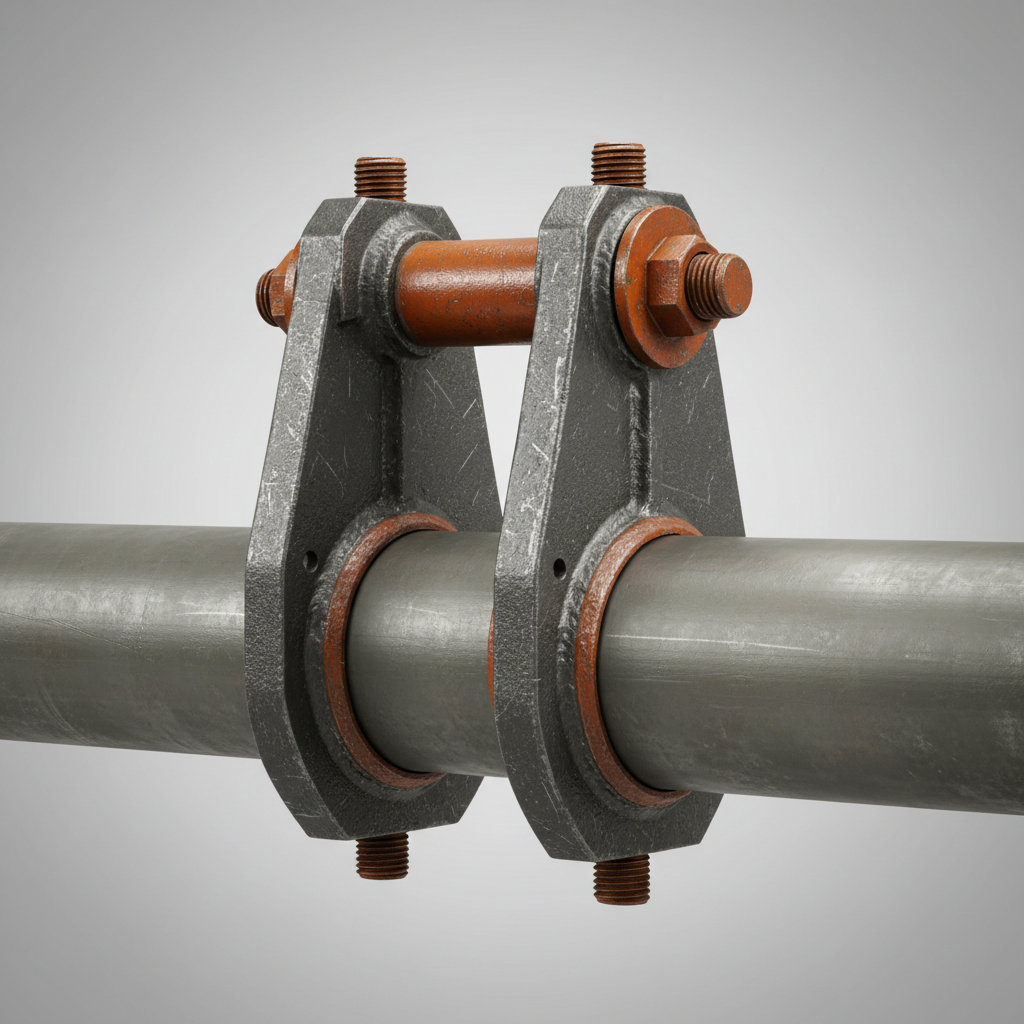
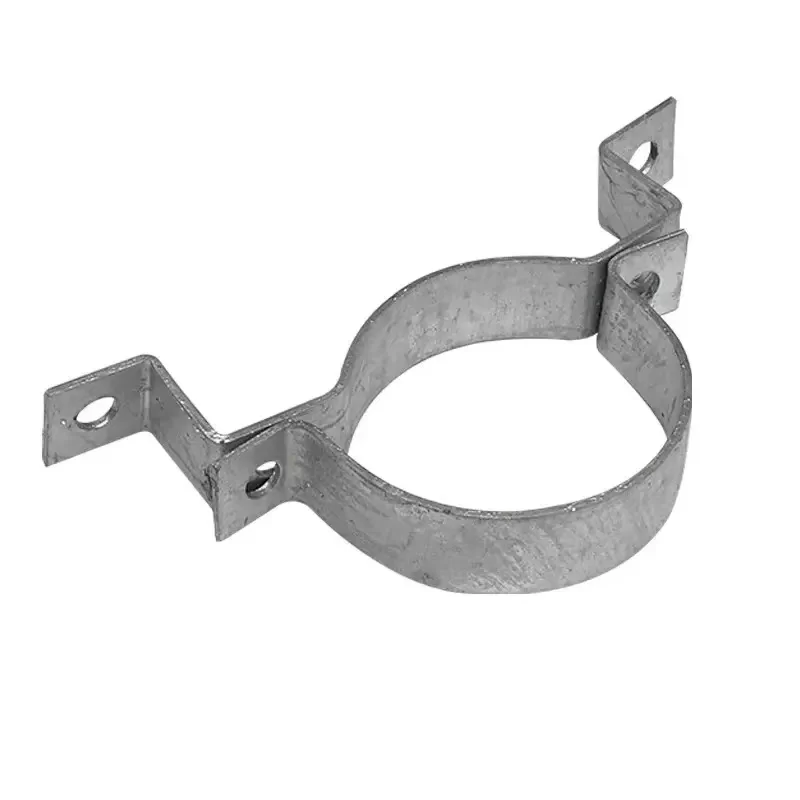
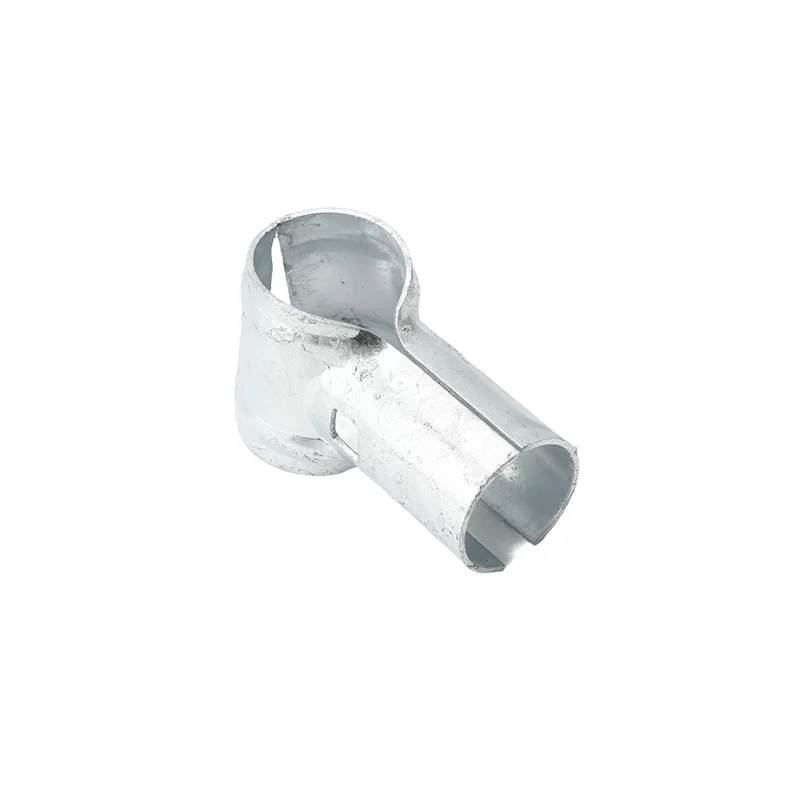
There's a variety of 3 inch pipe hangers available, each suited for different applications and load requirements. Common types include clevis hangers, U-bolts, pipe clamps, and adjustable pipe hangers. Clevis hangers are popular for general-purpose support, offering a simple and cost-effective solution. U-bolts provide a secure grip around the pipe and are often used in conjunction with a threaded rod for vertical support. Pipe clamps, frequently made of steel or iron, offer a robust and durable hanging solution. Adjustable hangers allow for fine-tuning of pipe height and alignment during installation and maintenance. Selecting the correct type depends on the pipe material, weight, and the environment in which it will be installed. For instance, stainless steel pipe hangers are ideal for corrosive environments.
Key Highlights: Selecting the correct type depends on the pipe material, weight, and the environment. Stainless steel is ideal for corrosive environments.
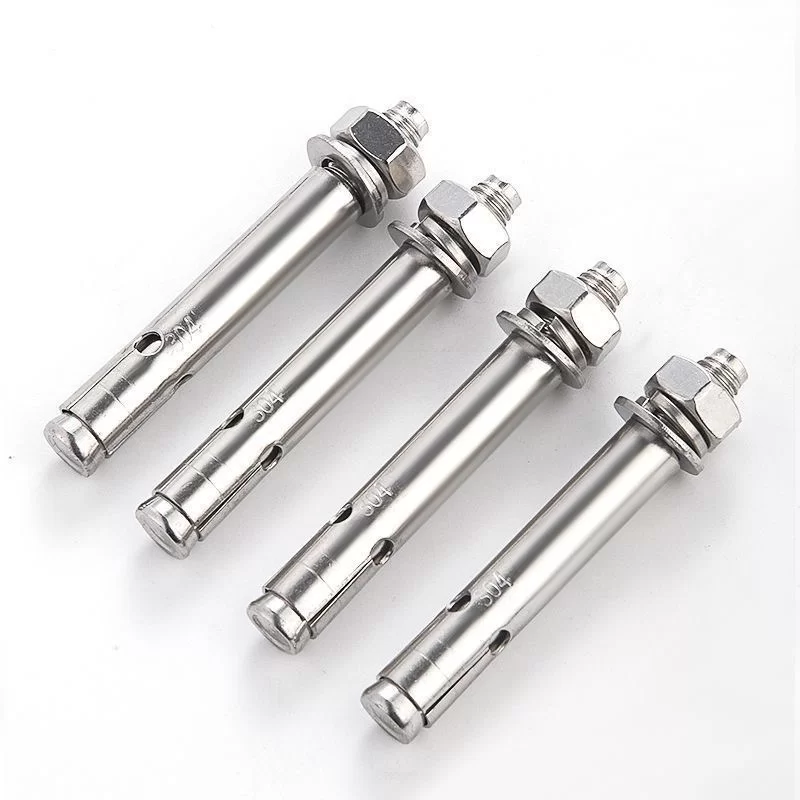
The material of your 3 inch pipe hanger is just as crucial as the type. Common materials include carbon steel, stainless steel (304, 316), galvanized steel, and sometimes even plastic for lighter-duty applications. Carbon steel is a cost-effective option for indoor use, but it’s susceptible to corrosion. Stainless steel offers superior corrosion resistance, making it ideal for outdoor applications and environments with harsh chemicals. Galvanized steel provides a decent balance of cost and corrosion resistance, often used in plumbing systems. Choosing the correct material depends heavily on the operating environment. Investing in higher-quality materials like stainless steel can prevent premature failure and costly repairs.
Material Comparison:
• Carbon Steel: Cost-effective, suitable for indoor use.
• Stainless Steel: Superior corrosion resistance, ideal for harsh environments.
• Galvanized Steel: Balance of cost and corrosion resistance.
Determining the correct load capacity of a 3 inch pipe hanger is paramount for safety and preventing system failure. The load capacity must account for the weight of the pipe, the fluid it contains, insulation, and any potential dynamic loads (e.g., water hammer, vibration). It’s crucial to apply a safety factor – typically 2:1 or 3:1 – to the calculated load to account for unforeseen stresses. Always consult the manufacturer's specifications for the hanger's rated load capacity. Improperly sized hangers can lead to pipe sagging, stress cracks, and potentially catastrophic failures. Ensuring adequate support is a fundamental aspect of responsible engineering practice. Top Fastener offers a wide range of hangers with clearly defined load capacities.
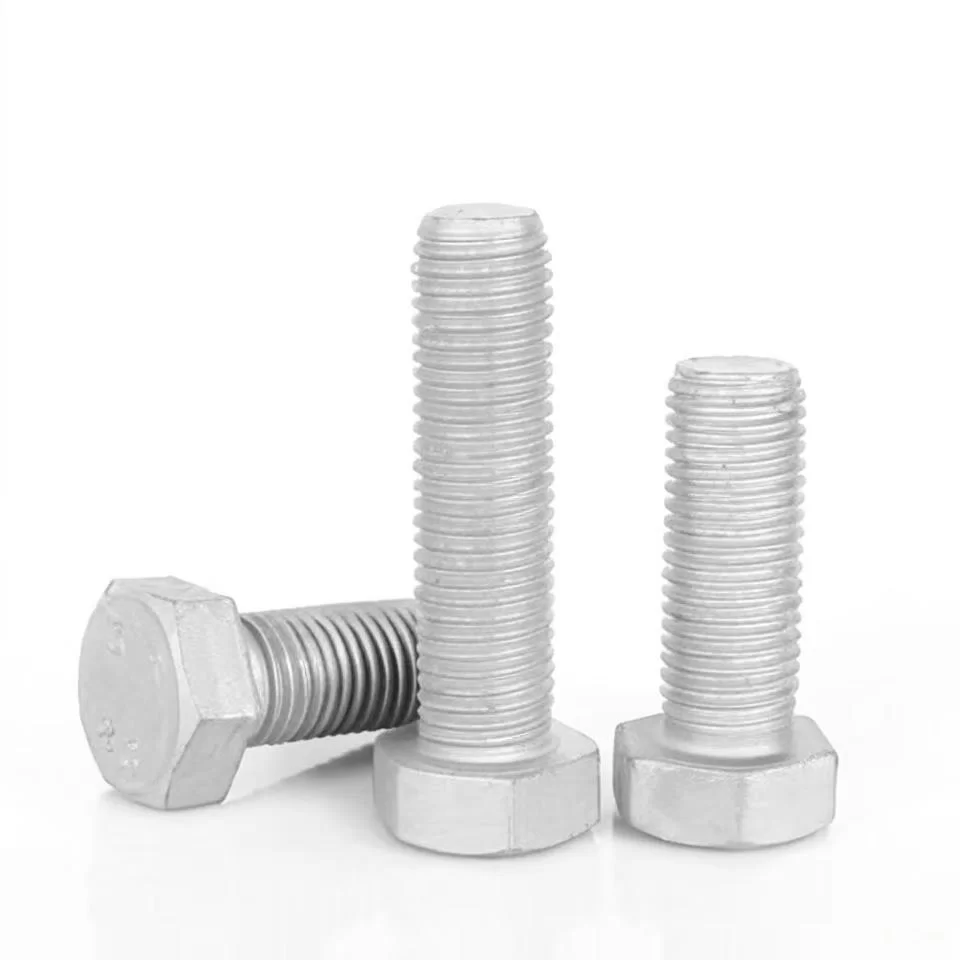
Proper installation is crucial for the effectiveness of any pipe hanger. Ensure the supporting structure is capable of handling the combined weight of the pipe and hanger. Use the correct fasteners (bolts, screws, etc.) and tighten them to the manufacturer's specified torque. Maintain consistent spacing between hangers, typically 8-12 feet, but adjust based on pipe size, weight, and the presence of insulation. Avoid over-tightening, which can damage the pipe or hanger. Regularly inspect hangers for signs of corrosion, damage, or loosening and address any issues promptly. Following these best practices will contribute to a long-lasting and reliable piping system.
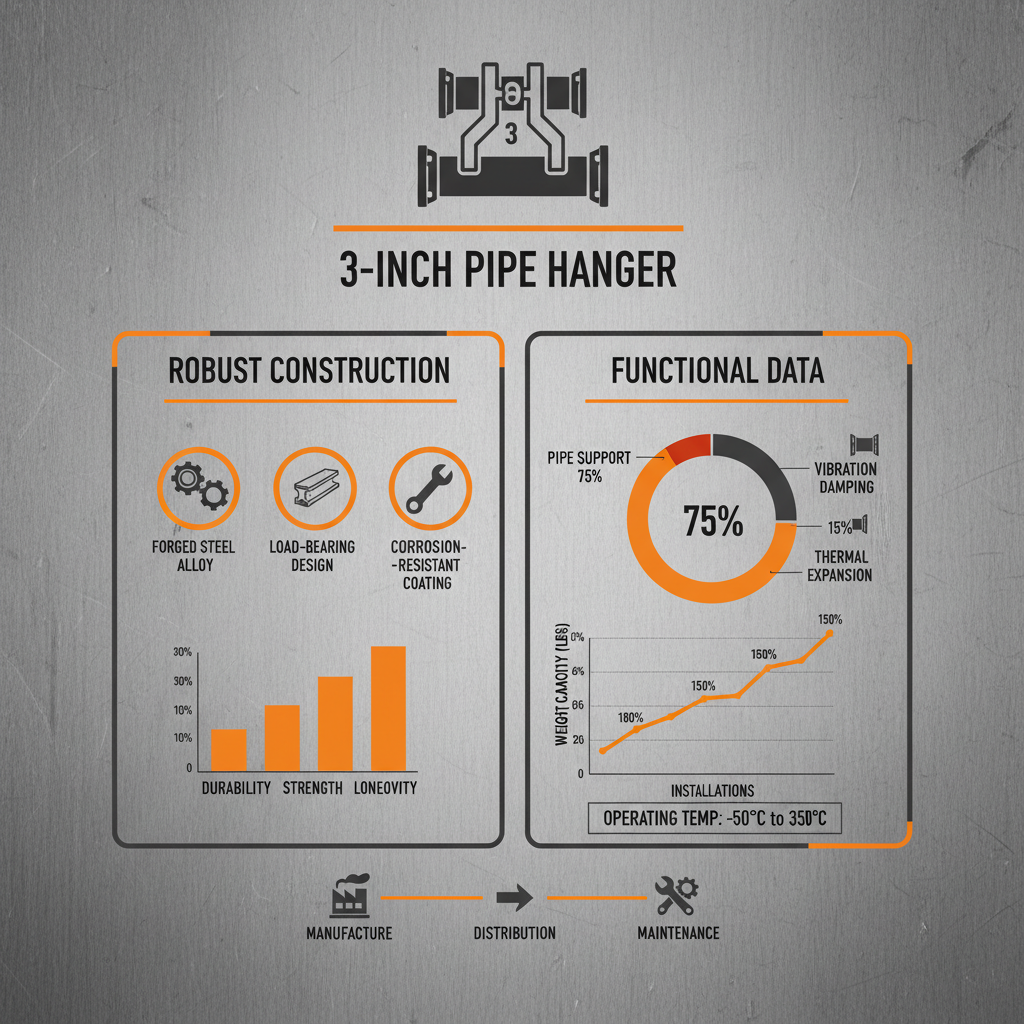
Selecting a reliable supplier is just as important as choosing the right hanger. Look for a supplier with a wide range of products, competitive pricing, and excellent customer service. Ensure they offer products that meet relevant industry standards and certifications. Top Fastener is a trusted source for high-quality 3 inch pipe hangers, offering a comprehensive selection and expert support. We prioritize quality, reliability, and customer satisfaction.
Investing in the correct 3 inch pipe hangers and ensuring proper installation is a critical aspect of maintaining a safe and efficient piping system. By understanding the different types, materials, load capacity requirements, and installation best practices, you can prevent costly repairs, extend the lifespan of your piping infrastructure, and ensure the safety of your operations. Top Fastener is your trusted partner for all your pipe hanger needs.
The typical spacing for 3 inch pipe hangers is between 8 and 12 feet, but this can vary depending on the pipe material, weight, insulation, and application. Heavier pipes or those carrying heavier fluids will require closer spacing. Local codes and regulations may also dictate specific spacing requirements. It’s best to consult with a qualified engineer or piping professional to determine the appropriate spacing for your specific system. Proper spacing prevents excessive sagging and ensures the pipe remains securely supported throughout its length.
To determine the correct load capacity, calculate the total weight of the pipe, fluid, and any insulation. Add a safety factor, typically 2:1 or 3:1, to account for dynamic loads and unforeseen stresses. Consult the manufacturer's specifications for the hanger's rated load capacity to ensure it exceeds the calculated total load. Don't underestimate the load; it's always better to err on the side of caution and choose a hanger with a higher capacity. Accurate load calculation is crucial for preventing hanger failure and ensuring system integrity.
Generally, it's not recommended to use carbon steel hangers in a corrosive environment. Carbon steel is susceptible to rust and degradation when exposed to chemicals, moisture, or salt spray. In such cases, stainless steel (304 or 316) or galvanized steel is a much better choice. Stainless steel offers superior corrosion resistance and will provide a longer service life in harsh environments. Using the wrong material can lead to premature hanger failure and potential safety hazards.
Adjustable pipe hangers offer several benefits, including flexibility during installation and maintenance. They allow for fine-tuning of pipe height and alignment, which is particularly useful when dealing with uneven surfaces or existing infrastructure. Adjustable hangers can also accommodate changes in pipe loading or thermal expansion. Their versatility makes them a valuable tool for a wide range of piping applications. You can find a variety of adjustable pipe hangers at Top Fastener.
Hit enter to search or ESC to close